
As the Backrooms narrative evolved, it captured the attention of filmmakers, culminating in a feature film adaptation by A24, a studio known for its distinctive approach to storytelling.
The trailer for the upcoming film has already generated significant buzz on platforms like YouTube, where the original Backrooms content thrived. Fans and newcomers alike are eager to see how the film will translate the viral sensation into a cinematic experience. This adaptation not only reflects the growing influence of internet culture on mainstream media but also raises questions about the nature of reality and the human psyche.
As anticipation builds for the film’s release, discussions surrounding its impact on horror cinema are intensifying. The Backrooms phenomenon serves as a case study in how digital narratives can evolve and gain legitimacy through traditional filmmaking. With A24 at the helm, the project is poised to challenge conventions and invite viewers to confront their fears in innovative ways.
Understanding the Origins of the Backrooms Concept
The concept of the Backrooms originated from an internet meme that gained traction on platforms like 4chan and Reddit around 2019. It began with a simple image of a monotonous, yellow-tinted office space, accompanied by a chilling narrative about being trapped in an endless maze of eerily similar rooms. This image struck a chord with the online community, tapping into a collective fear of liminal spacesareas that exist in a state of transition, often evoking feelings of unease and disorientation.
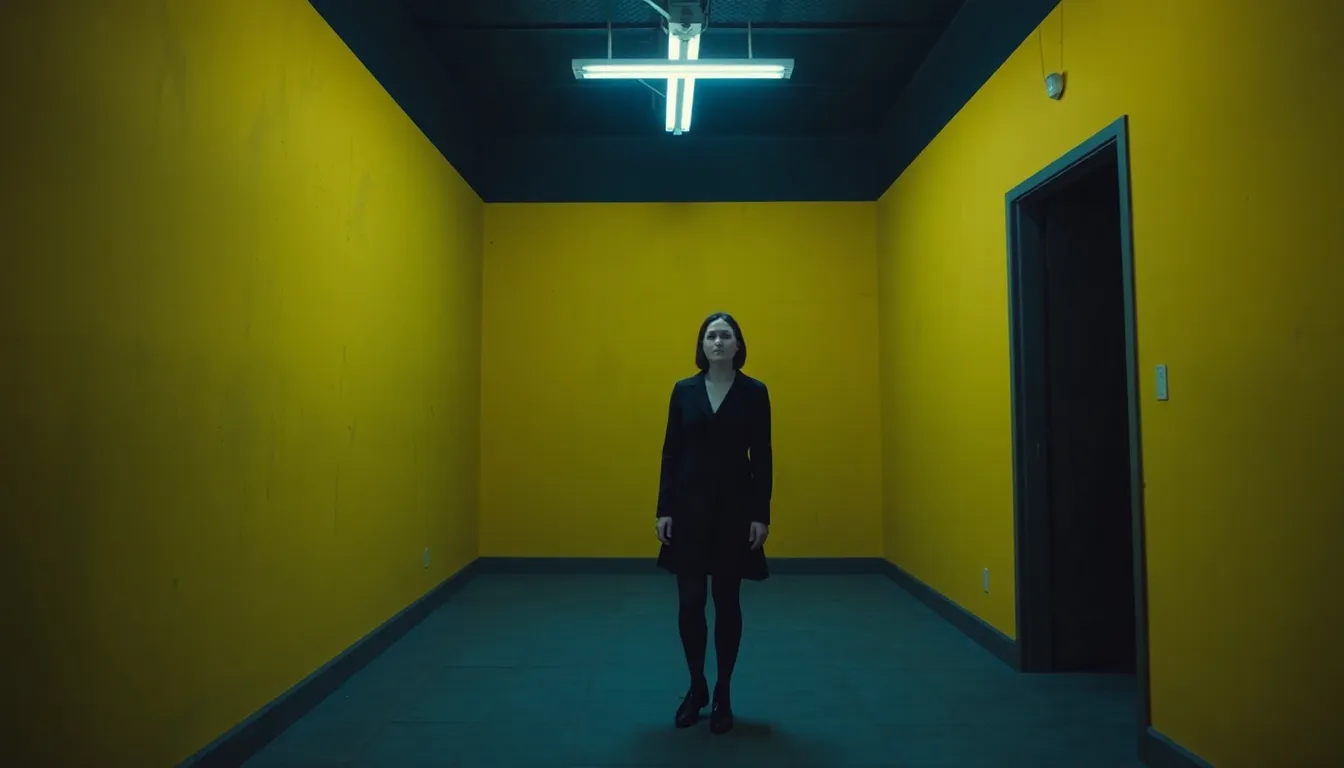
This collaborative storytelling led to a rich tapestry of narratives that resonated with the horror genre’s themes of isolation and the unknown, similarly to the influence of internet culture in shaping contemporary narratives.
The Rise of Internet Horror
The Backrooms phenomenon is part of a broader trend in internet horror, where user-generated content has become a significant force in shaping contemporary narratives. This shift has been facilitated by platforms like YouTube, where horror enthusiasts can share their creations, garnering millions of views. The virality of such content reflects a growing appetite for unique, grassroots horror stories that diverge from traditional media. As audiences seek fresh experiences, the Backrooms has emerged as a prime example of how the internet can cultivate and amplify niche horror concepts.
The transition of the Backrooms from a meme to a feature film by A24 marks a significant milestone in this evolution, paralleling trends seen in other adaptations like BTS Arirang that showcase the merging of digital and traditional storytelling.
As the film adaptation approaches, it reflects a growing trend in the entertainment industry to explore and capitalize on internet culture. The success of projects like the Backrooms may pave the way for further adaptations of viral content, illustrating the power of community-driven creativity in shaping modern horror. This convergence of online and offline media continues to redefine the landscape of storytelling, making way for new voices and ideas to emerge.
Exploring the Themes and Characters in the Backrooms Movie
The adaptation of the YouTube horror sensation ‘Backrooms’ into an A24 movie brings together a diverse array of stakeholders, each with distinct interests and concerns. At the forefront are the main actors, Chiwetel Ejiofor and Renate Reinsve, whose performances are pivotal in translating the film’s unsettling themes to a broader audience. Their involvement not only elevates the film’s profile but also draws attention to the artistic integrity of horror as a genre.
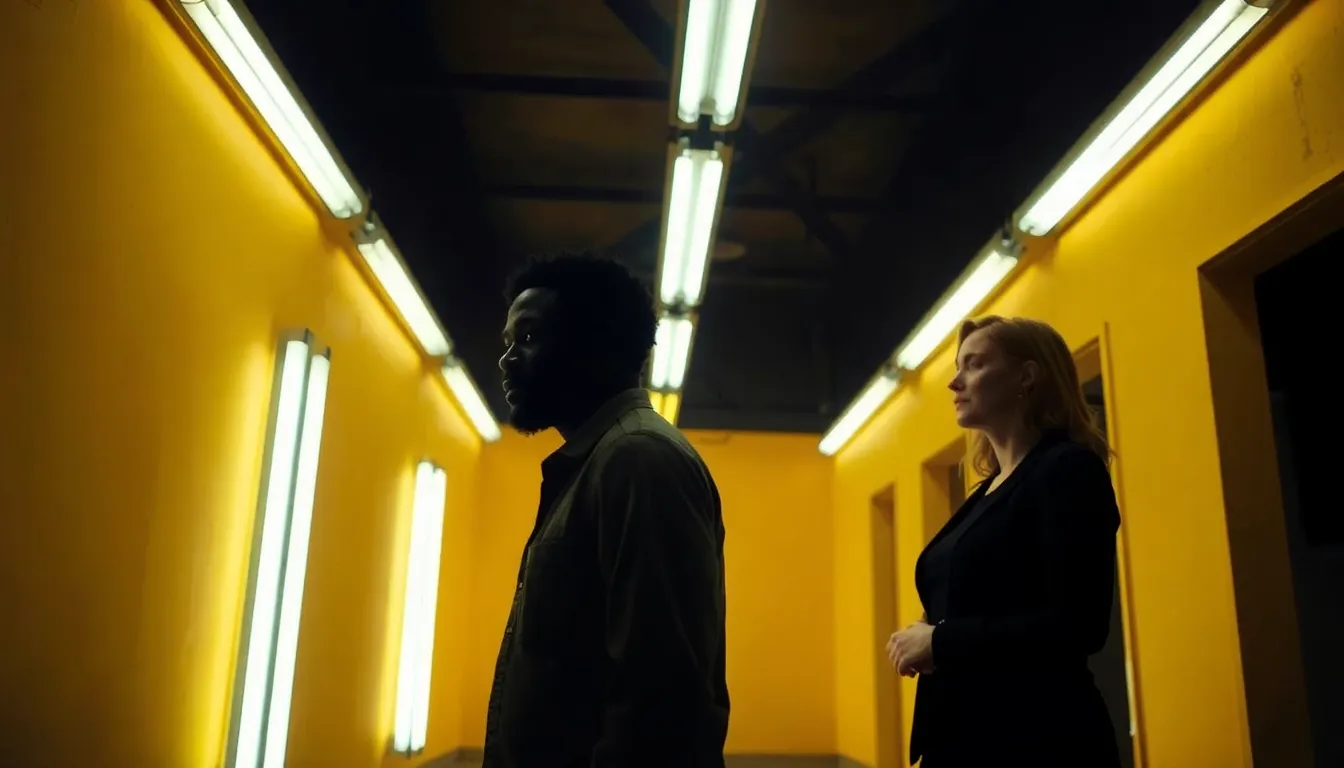
In addition to the actors, A24 as a production company plays a crucial role. Known for its commitment to innovative storytelling, A24 seeks to maintain its reputation for quality while navigating the commercial pressures of the film industry. The success of ‘Backrooms’ could set a precedent for future adaptations of internet-based content, highlighting the intersection of digital culture and traditional filmmaking.
Furthermore, the audience represents a significant stakeholder group, with varying expectations based on their familiarity with the original YouTube series. Fans of the series may have specific desires for fidelity to the source material, while new viewers might seek a standalone cinematic experience. This divergence creates a potential conflict between creative vision and audience expectation.
- Creative Integrity vs. Commercial Success: A24 must balance artistic expression with the need to attract a wide audience.
- Source Material Adaptation: The challenge of preserving the essence of the original ‘Backrooms’ while appealing to a broader demographic.
- Audience Expectations: Navigating the differing expectations of existing fans versus new viewers.
- Legal Considerations: Copyright and intellectual property issues surrounding the adaptation of internet content into film.
- Market Trends: The impact of social media and streaming platforms on the film’s marketing and distribution strategies.
Additionally, the legal landscape surrounding adaptations of online content raises important questions about intellectual property rights. As creators and studios navigate these waters, they must ensure that they respect the original creators’ contributions while also innovating within the cinematic format. This balance is essential not only for legal compliance but also for ethical storytelling.
How Backrooms is Shaping the Horror Genre
The release of the ‘Backrooms’ trailer, featuring Chiwetel Ejiofor and Renate Reinsve, is poised to impact various groups, particularly fans of the horror genre, filmmakers, and streaming platforms. The film, which emerges from a popular YouTube phenomenon, highlights a growing trend of adapting online content into mainstream cinema. This shift not only affects the audience’s viewing habits but also influences the creative landscape for filmmakers.
In the short term, the buzz surrounding the ‘Backrooms’ movie may lead to increased engagement on social media platforms, particularly among younger audiences who are drawn to viral content. As discussions around the film grow, businesses in the entertainment sector, including merchandise and promotional events, may see a surge in activity. Additionally, streaming services may feel pressure to invest in similar horror adaptations to capitalize on the trend.
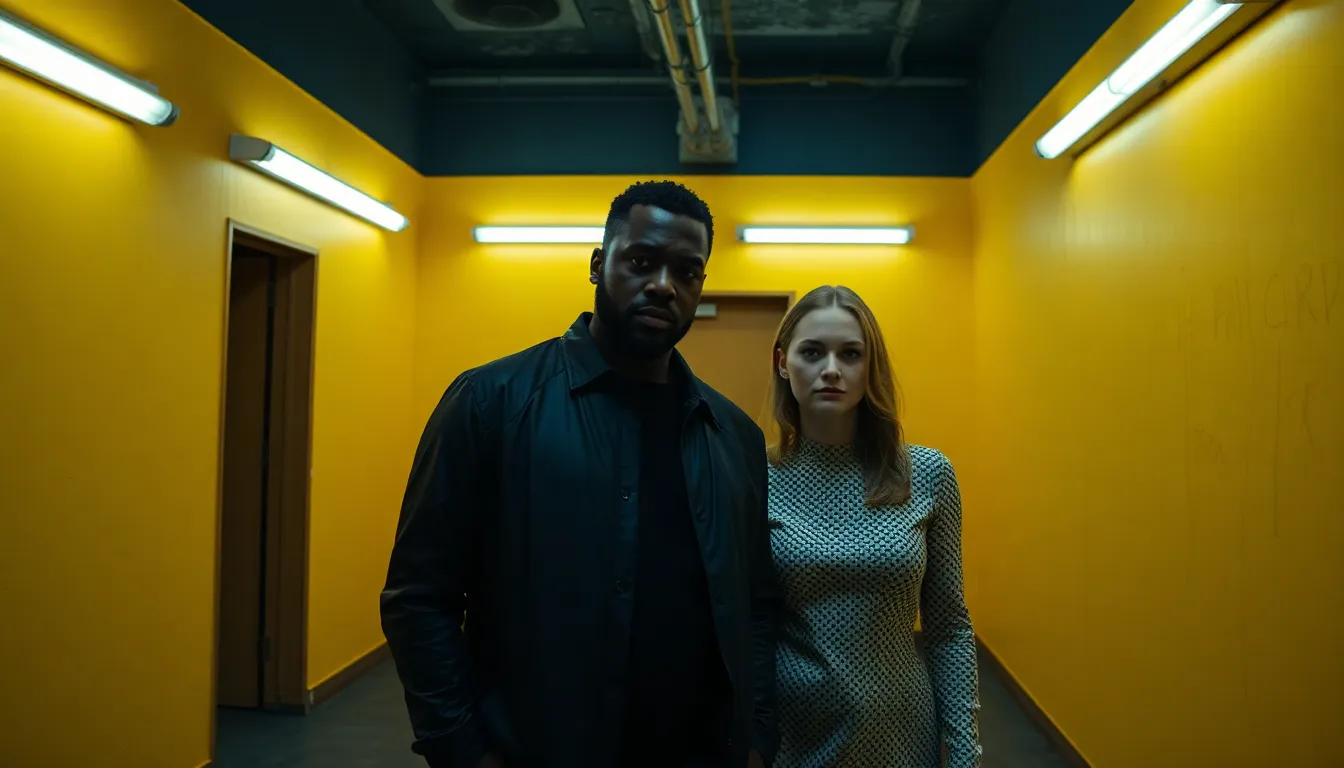
In the mid-term, the impact could extend to traditional film studios and independent filmmakers alike, who may seek to explore unconventional storytelling methods inspired by internet culture. This could foster a more diverse range of horror narratives, potentially attracting a wider audience. However, it also poses risks, as the influx of such adaptations may lead to oversaturation in the market, diminishing the uniqueness of each project.
- Audience Engagement: Increased interaction on social media and streaming platforms.
- Business Opportunities: Growth in merchandise and promotional activities.
- Creative Landscape: Encouragement for diverse horror narratives.
- Market Risks: Potential oversaturation of similar content.
Regions with a strong film production presence, such as Los Angeles and New York, may also see a ripple effect as studios adapt to the changing landscape. The success of ‘Backrooms’ could encourage more filmmakers to explore digital platforms for inspiration, potentially reshaping the future of horror cinema and its relationship with online communities.
A: The Backrooms is a horror concept that originated on the internet, depicting an endless maze of monotonous rooms and hallways. It has captivated audiences with its unsettling atmosphere and sense of dread. A: The film features notable performances by Chiwetel Ejiofor and Renate Reinsve, who bring depth to their characters as they navigate the terrifying landscape of the Backrooms. A: The release date for the Backrooms movie has not been officially announced yet, but it is highly anticipated given its roots in popular internet culture. A: While the original YouTube series focuses on short, unsettling clips, the movie aims to expand the narrative, exploring character development and deeper themes within the Backrooms universe. A: Yes, the Backrooms movie is being produced by A24, a studio known for its unique and artistic approach to filmmaking, particularly in the horror genre.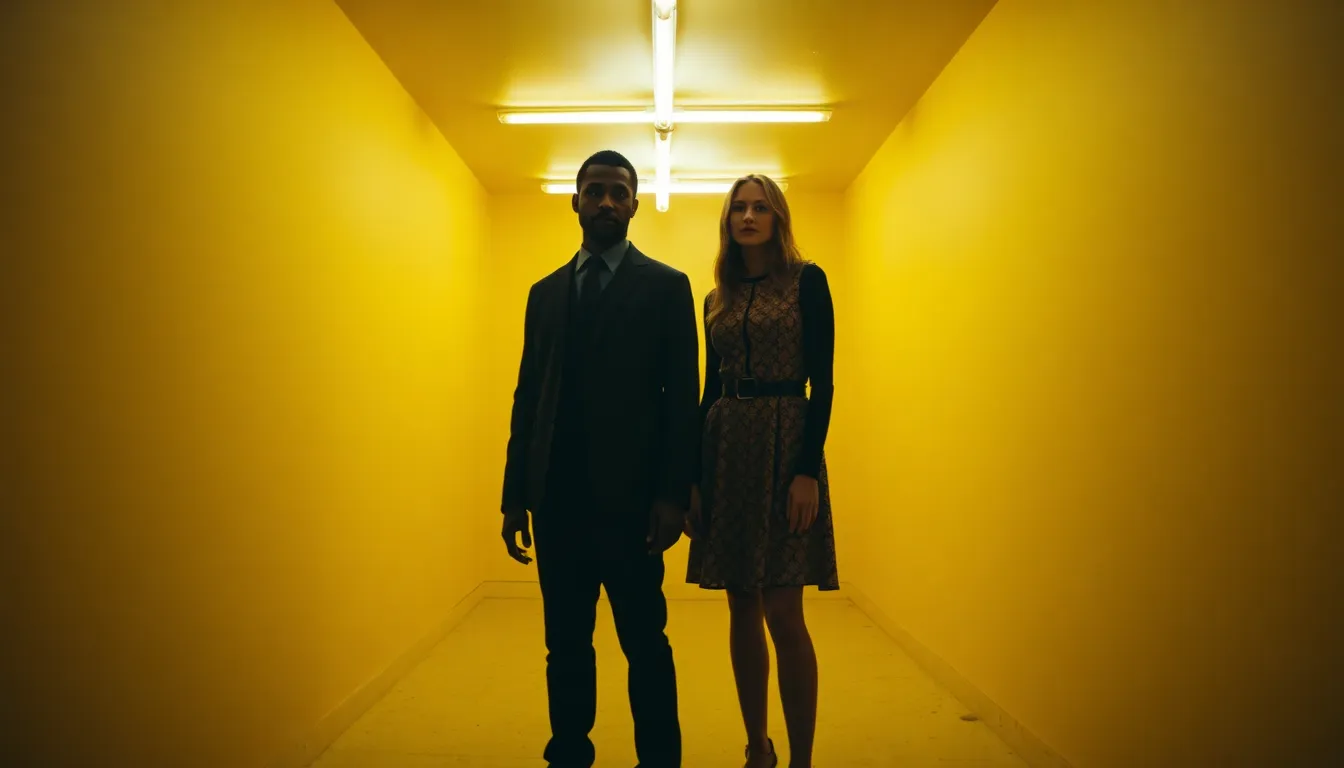
Frequently Asked Questions About Backrooms
Key Takeaways and Future Expectations for Backrooms
The transition of the YouTube horror sensation ‘Backrooms’ into an A24 movie marks a significant evolution in the horror genre, blending grassroots internet culture with mainstream cinematic storytelling. As audiences become increasingly familiar with the unsettling aesthetics and narratives of the Backrooms, the film’s success may pave the way for more adaptations of internet-born concepts, potentially reshaping how horror is perceived and produced in the future.
Moreover, the casting of acclaimed actors like Chiwetel Ejiofor and Renate Reinsve indicates a commitment to delivering a narrative that resonates on both emotional and psychological levels. This combination of talent and source material invites a broader discussion about the value of innovative storytelling in the film industry.
- Watch for how ‘Backrooms’ influences future horror projects, particularly those that originate from online communities.
- Consider the implications of high-profile actors taking on roles in genre films, which may attract wider audiences to unconventional narratives.
- Monitor audience reactions to the film, as they may provide insights into evolving tastes in horror and suspense.
- Expect discussions around the blending of digital and traditional media, as more filmmakers explore content that resonates with online culture.
- Keep an eye on A24’s future projects, as their unique approach to storytelling could redefine genre boundaries.