
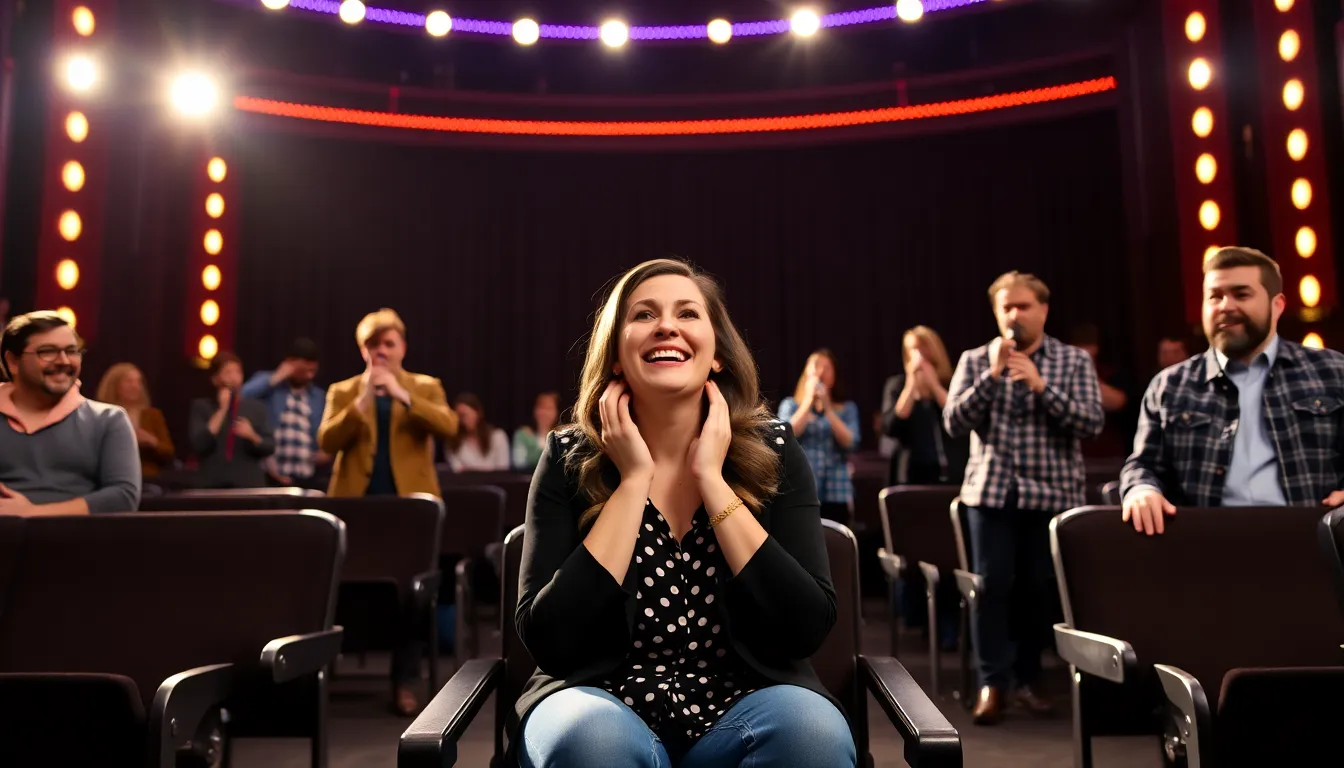
One standout contestant, known for her quick wit and infectious laugh, has recently opened up about the psychological strain of suppressing her natural reactions during the show. According to her, the pressure to remain stoic while surrounded by comedic talent has become increasingly intense, leading to moments of genuine distress. This internal conflict highlights the broader issue of performance anxiety that many entertainers face.
The series has also introduced a formidable rival, whose unique style of humor poses an additional challenge for the participants. This competitor’s ability to provoke laughter not only tests the limits of the contestants but also raises questions about the nature of comedy and its impact on performance dynamics. The ongoing rivalry has captivated audiences, further complicating the emotional landscape of the show.
As the competition progresses, the stakes continue to rise, with viewers eagerly anticipating how contestants will navigate the fine line between laughter and composure. The psychological toll of this challenge is significant, with some participants expressing concerns over their mental well-being. This situation underscores the importance of understanding the pressures faced by performers in the entertainment industry.
Understanding the competitive landscape of comedy shows
The world of comedy has evolved significantly over the past few decades, transforming from intimate live performances into a highly competitive arena dominated by televised formats and streaming platforms. Shows like ‘Last One Laughing’ exemplify this shift, where comedians not only showcase their talent but also compete against one another in a high-stakes environment. This evolution has created a unique dynamic that emphasizes not just humor, but also strategy and psychological endurance.

Historically, comedy has served as a reflection of societal issues, often providing commentary on political and social norms. As comedy became more mainstream, the stakes for comedians rose, leading to an environment where not only the jokes but also the delivery and the ability to withstand pressure became crucial. The introduction of competitive comedy shows added a layer of complexity, as comedians must now navigate the challenges of performance while also contending with the reactions of their peers and the audience.
Economically, the rise of streaming services has changed the way comedy is consumed. With platforms like Netflix investing heavily in original comedic content, the competition for viewership has intensified. This has led to a proliferation of comedy shows that push the boundaries of traditional formats, often incorporating elements of reality TV and game shows. In this context, ‘Last One Laughing’ stands out by placing comedians in a situation where they must suppress their laughter, turning the very essence of comedy into a form of torture.
The Psychological Toll of Competition
As comedians face off against each other, the psychological toll of competition cannot be underestimated. The pressure to maintain composure while surrounded by humor can lead to intense stress and anxiety. This unique format has sparked discussions about the mental health implications for performers, as they grapple with the challenge of stifling genuine reactions in the name of competition. The combination of personal rivalries and the quest for comedic supremacy creates a nightmare scenario for many, particularly when pitted against formidable opponents known for their sharp wit and relentless humor.
Examining the dynamics between contestants and their strategies
The competitive landscape of ‘Last One Laughing’ is shaped by a diverse group of stakeholders, each with unique interests and strategies. The primary actors include the contestants, the production team, and the viewing audience. Contestants, often comedians or entertainers, aim to showcase their humor while navigating the psychological challenges posed by their opponents. The production team, on the other hand, seeks to maximize viewer engagement and ratings, which can influence the format and rules of the competition.
One of the main conflicts arises from the contrasting strategies employed by the contestants. While some may choose to adopt a more aggressive approach to provoke laughter or discomfort in their opponents, others may focus on subtlety and timing. This divergence can lead to trade-offs where a contestant’s choice to remain composed might be perceived as a weakness, while overt attempts to elicit laughter can backfire, resulting in disqualification.

Legal and economic issues also play a significant role in shaping the dynamics of the show. Contestants must navigate the rules set forth by the production team, which include guidelines on behavior and the use of props. Failure to adhere to these rules can result in penalties, including elimination from the competition. Furthermore, the economic implications of sponsorships and advertising can influence how the show is produced and marketed, potentially prioritizing entertainment value over fair competition.
- Contestant strategies: Aggressive versus subtle humor tactics.
- Production interests: Maximizing viewer engagement and ratings.
- Legal considerations: Compliance with competition rules and regulations.
- Economic factors: Impact of sponsorships on show format.
- Audience expectations: Desire for entertaining and unpredictable content.
How this competition affects participants and audiences alike
The recent buzz around the ‘Last One Laughing’ competition has not only captivated audiences but also affected various groups and industries. Comedians, entertainment venues, and streaming platforms are witnessing a surge in interest, while viewers are drawn into the intense competition that showcases humor under pressure. This phenomenon has created a ripple effect across different sectors, paralleling the dynamics discussed in the entertainment industry.
In the short term, the entertainment industry is experiencing an increase in engagement as fans flock to watch the show. Local comedy clubs may see a rise in attendance as aspiring comedians strive to emulate the participants. However, the pressure to perform and the fear of failure can create a stifling atmosphere for some, leading to potential burnout among performers.
In the mid-term, businesses associated with the comedy scene, such as merchandise sellers and hospitality venues, may find new opportunities for growth. As audiences become more invested in the personalities involved, there is potential for increased merchandise sales and themed events. On the flip side, the competitive nature of the show could lead to a decline in collaborative efforts among comedians, as the focus shifts to individual success.
- Short-term impacts: Increased viewership and attendance at comedy events.
- Mid-term impacts: Growth in related businesses, potential burnout among performers.
- Risks: Strain on mental health, decreased collaboration in the comedy community.
- Opportunities: New revenue streams for merchandise and events, heightened public interest in comedy.
Regions with vibrant comedy scenes may particularly benefit from this competition, as it brings national attention to local talent. However, the pressure to continuously produce content and maintain audience interest can lead to a challenging environment for comedians, who must navigate the fine line between humor and the stress of competition.
A: Last One Laughing is a comedy competition where contestants must avoid laughing while trying to make each other laugh. The last person remaining without laughter wins. A: The star is a prominent contestant known for her unique comedic style and resilience in the face of tough competition. A: Contestants often employ mental techniques, focus on their breathing, or try to distract themselves to avoid laughing during the competition. A: While there is a competitive edge, many contestants form bonds and friendships, often supporting each other despite the rivalry. A: If a contestant laughs, they are eliminated from the competition, which adds to the pressure and intensity of the game.
Frequently asked questions about the show and its contestants
Key takeaways and future outlook for the comedy competition
The latest episode of ‘Last One Laughing’ has brought to light the intense psychological challenges faced by contestants in a high-stakes comedy environment. As humor is often a coping mechanism, the pressure to suppress laughter can lead to unexpected emotional turmoil, affecting performance and camaraderie among participants. The dynamics between competitors, particularly with the emergence of a formidable opponent, add another layer of complexity, showcasing the intricate balance of competition and collaboration in the world of comedy.
Looking ahead, the implications of this competition extend beyond entertainment. They highlight the need for mental resilience in performers and the potential for deeper connections among contestants. As the series progresses, it will be crucial to observe how these factors evolve and influence the overall atmosphere of the show.
- The psychological effects of suppressing laughter may lead to increased stress among contestants, impacting their performance.
- Rivalries can foster both tension and camaraderie, shaping the narrative of the competition.
- Future episodes may explore the emotional toll of the competition, potentially leading to discussions about mental health in the entertainment industry.
- Viewers should pay attention to how contestants adapt their strategies in response to both personal and competitive pressures.
- The evolving relationships between participants could redefine the traditional dynamics of competitive comedy.