
This revelation highlights ongoing discussions within the entertainment industry regarding representation and the pressures faced by actors from diverse backgrounds. For a deeper understanding of these issues, you can read about similar experiences in Inside Britain’s National Parks. Moafi’s experience is not unique; many artists encounter similar demands that can undermine their cultural identity. Such pressures raise important questions about the inclusivity of the industry and the importance of staying true to oneself.
Moafi’s decision to refuse the name change reflects a growing movement among actors of color who are advocating for greater acceptance of diverse identities in Hollywood. Her stance serves as an inspiration for others in the industry who may face similar dilemmas. By sharing her story, Moafi contributes to a broader dialogue about the importance of representation and the need for systemic change in how talent is perceived and marketed.
As conversations about diversity and representation continue to evolve, Moafi’s experience underscores the importance of supporting artists in maintaining their unique identities. The entertainment industry is increasingly recognizing the value of authenticity, which can lead to richer storytelling and more relatable characters on screen.

The significance of names and identity in the entertainment industry
In the world of entertainment, names often carry profound significance, serving not only as a personal identifier but also as a brand. For many actors, a name can influence public perception, marketability, and even career opportunities. This is particularly true for individuals from diverse cultural backgrounds, where a name might reflect heritage and identity, yet may also be viewed through the lens of mainstream commercial viability.
Historically, the desire for name changes in Hollywood has roots in a broader societal context, where assimilation into Western culture was often encouraged. Many actors, especially those from non-Western backgrounds, have faced pressure to alter their names to fit a perceived standard of acceptability. This phenomenon dates back to the early 20th century when Jewish, Italian, and other immigrant actors frequently adopted anglicized names to avoid typecasting and to gain wider acceptance in an industry that was predominantly white.
In recent years, however, there has been a growing awareness and rejection of this practice. Actors like Sepideh Moafi, who have experienced the pressure to change their names, are increasingly vocal about the importance of authenticity and representation. It is reminiscent of the broader movements in entertainment that are highlighted in Raye’s new album, where individuality and cultural heritage are being celebrated rather than suppressed.
The impact of cultural representation
The push for authentic representation in media has gained momentum, with audiences demanding stories and characters that reflect a broader spectrum of experiences. This cultural shift has prompted a reevaluation of how names and identities are portrayed in film and television. By embracing their true names, actors like Moafi not only honor their heritage but also pave the way for future generations to feel empowered in their identities, fostering a more inclusive industry.
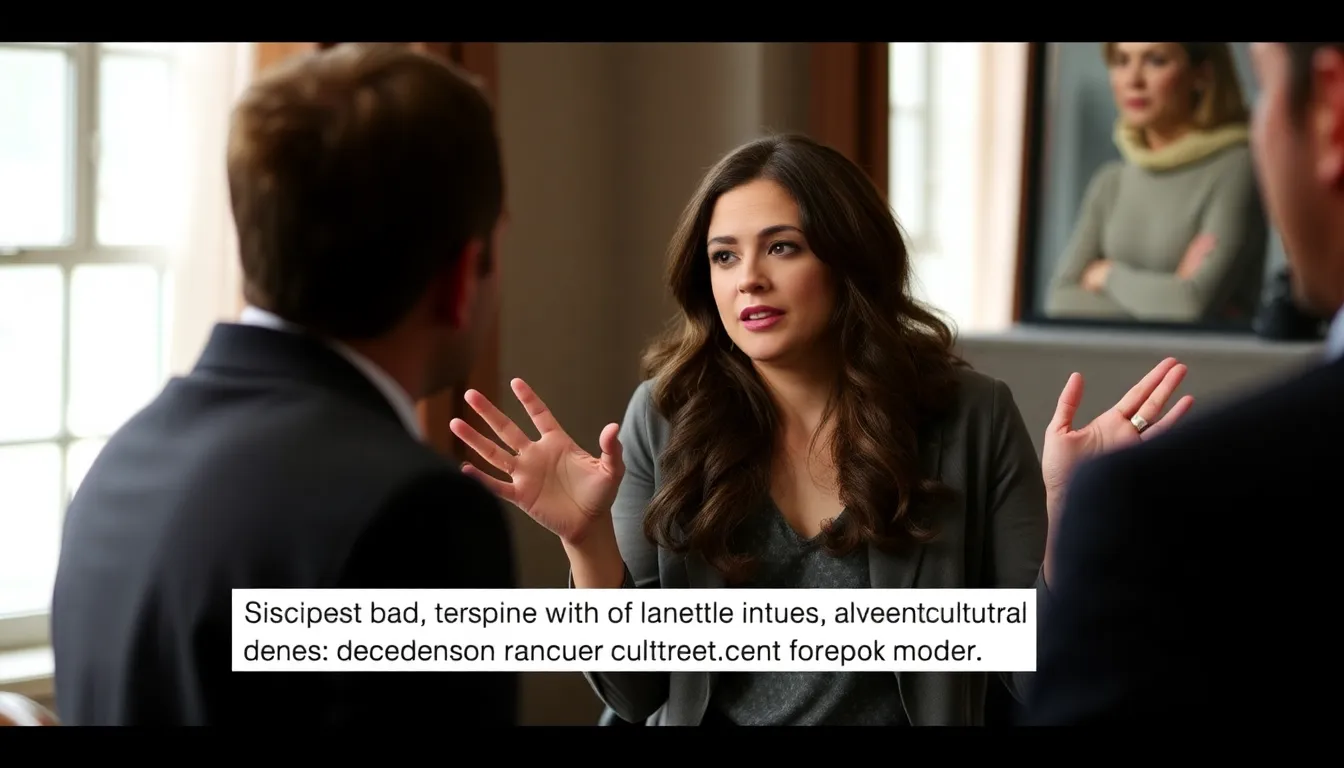
Exploring the implications of name changes for actors and their careers
In the entertainment industry, the decision to change one’s name can carry significant implications for an actor’s career trajectory. Sepideh Moafi, known for her role in ‘The Pitt,’ recently shared her experience with an agent who suggested she alter her name to fit a more conventional mold. This situation highlights the ongoing tension between personal identity and marketability in Hollywood.
Key actors in this scenario include Moafi herself, her former agent, and the broader entertainment industry, which often emphasizes a standardization of names to appeal to wider audiences. Moafi’s refusal to change her name reflects a larger movement among artists to embrace their cultural identities, challenging the industry’s historical preference for assimilation.
- Personal Identity vs. Marketability: Actors like Moafi face pressure to conform to industry standards while striving to maintain their authentic selves.
- Agency Dynamics: The relationship between actors and agents can be fraught with conflicting interests, particularly regarding personal branding.
- Cultural Representation: Moafi’s stance underscores the importance of representation in media and the need for diversity in casting and storytelling.
- Economic Implications: The decision to change a name can have financial consequences, affecting an actor’s brand and potential earnings.
Moreover, this incident raises questions about the legal aspects of name changes in the industry. Actors may face contractual obligations that complicate their ability to use their birth names, potentially leading to disputes over rights and branding. As the industry evolves, these issues will likely continue to spark debate among artists, agents, and producers alike.
How Moafi’s decision influences perceptions of cultural identity in Hollywood
Sepideh Moafi’s bold stance against changing her name sheds light on the ongoing challenges faced by actors from diverse backgrounds in Hollywood. Similar sentiments can be found in the discussions around accessibility in travel highlighted by Non-TSA Airports, which reflect the industry’s lack of representation and the pressure it places on individuals to conform to mainstream ideals. Moafi’s experience resonates with many artists who grapple with the tension between personal identity and professional expectations.

The impact of Moafi’s decision extends beyond her personal journey; it influences various groups and industries, particularly those involved in casting, talent representation, and cultural production. By publicly rejecting the notion that she should alter her name, Moafi challenges agents, producers, and studios to reconsider their biases and the assumptions they make about marketability based on ethnicity or cultural background.
In the short term, Moafi’s statement may inspire other actors to embrace their authentic identities, fostering a more inclusive environment in Hollywood. This shift could lead to a greater diversity of stories being told, as artists feel empowered to share their unique experiences without fear of losing opportunities. However, there is also a risk that some industry gatekeepers may resist these changes, potentially leading to backlash against those who advocate for authenticity.
- Short-term impacts: Increased visibility for diverse talent, potential shifts in casting decisions.
- Mid-term impacts: Greater acceptance of cultural identities in mainstream media, potential policy changes in talent representation.
- Risks: Possible pushback from traditionalists within the industry, continued challenges in securing roles for actors with non-Western names.
- Opportunities: New narratives and perspectives in film and television, enhanced market appeal to diverse audiences.
Ultimately, Moafi’s refusal to compromise on her identity serves as a catalyst for broader discussions about representation and authenticity in Hollywood. As the industry continues to evolve, her story exemplifies the power of individual choices to inspire collective change.
A: Sepideh Moafi felt that changing her name would compromise her identity and authenticity. She strongly believes in embracing her cultural background. A: Moafi’s refusal to change her name challenges the industry’s expectations and encourages other actors to embrace their true selves. It highlights the ongoing conversation about representation. A: This situation underscores the pressure many actors face to conform to mainstream standards, often at the expense of their cultural identity. A: The public has largely supported Moafi’s decision, praising her for standing up for her identity and inspiring others to do the same. A: Many actors from diverse backgrounds have reported similar experiences, where they were encouraged to change their names or alter their appearances to fit industry norms.
Frequently Asked Questions about Sepideh Moafi’s experience
Key takeaways from Moafi’s stance on identity and representation
Sepideh Moafi’s refusal to change her name at the behest of her first agent highlights the ongoing struggle for authenticity in a world that often prioritizes marketability over individuality. Her experience underscores the importance of representation in the entertainment industry, particularly for those from marginalized backgrounds. Moafi’s commitment to her identity serves as a powerful reminder of the need for diversity in storytelling and the voices that shape it.
As the industry continues to evolve, Moafi’s insights may pave the way for more artists to embrace their heritage and assert their identities without compromise. This shift could lead to richer narratives and a broader understanding of the diverse experiences that shape our society.
- The entertainment industry is gradually recognizing the value of authenticity in representation.
- Artists are increasingly empowered to maintain their cultural identities in their professional lives.
- There is a growing demand for diverse stories that reflect a wider range of experiences.
- The push for inclusivity may lead to more opportunities for underrepresented talent.
- Future projects may prioritize authentic voices, reshaping industry standards for character development and storytelling.