
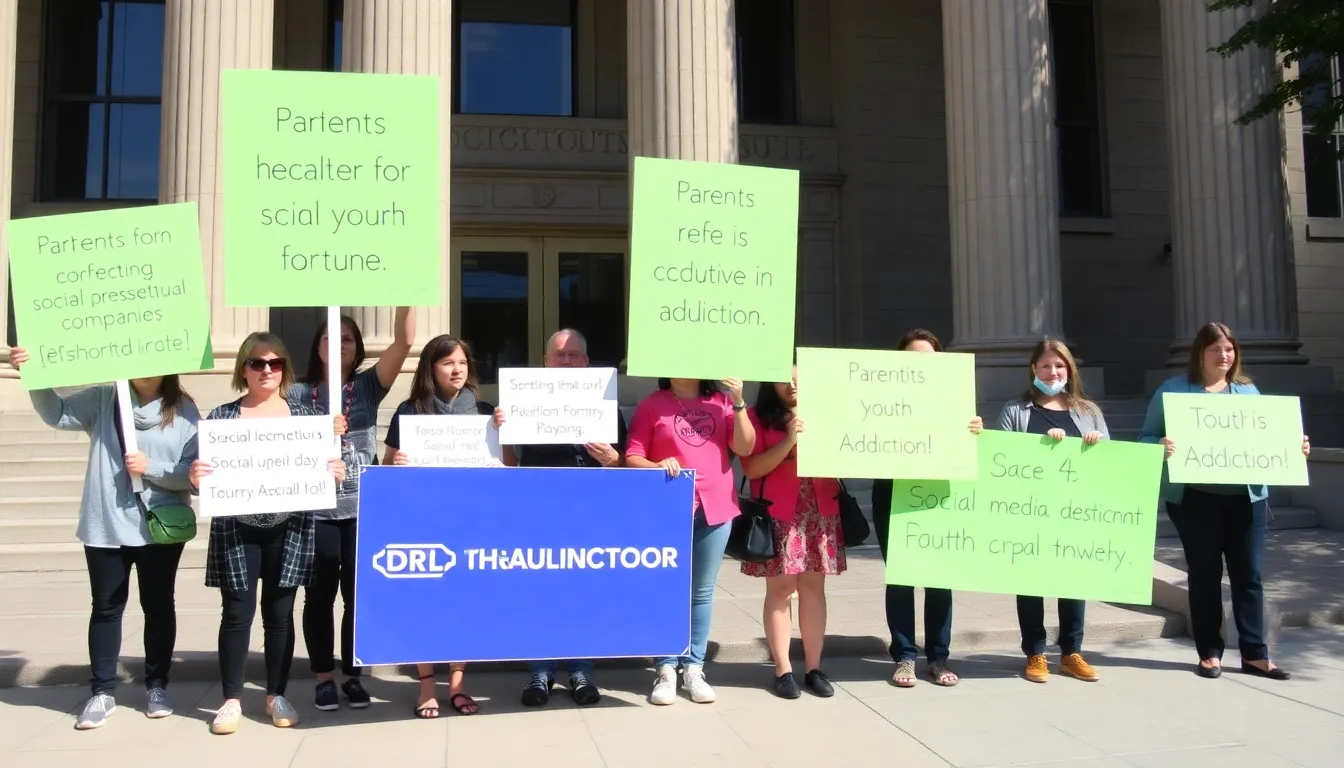
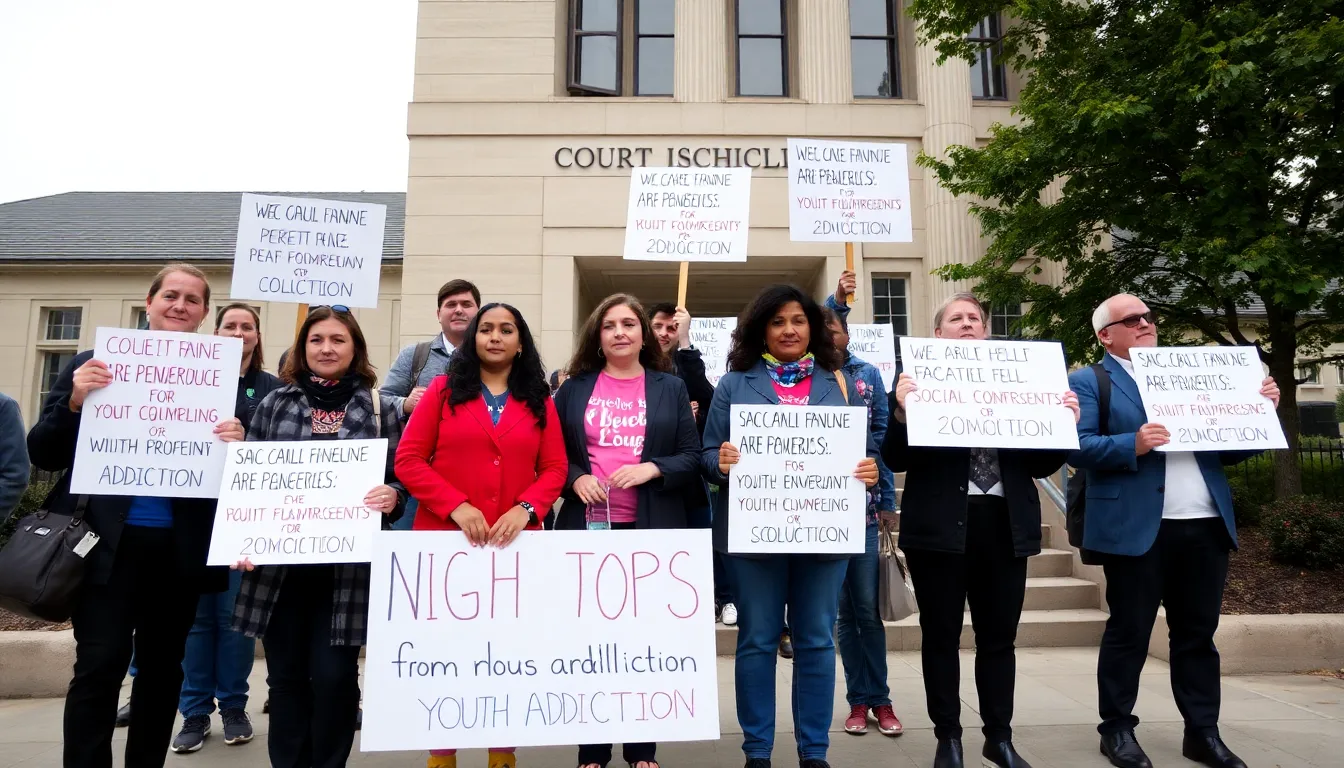
The case was brought forth by a coalition of parents and advocacy groups who argued that the platforms knowingly designed addictive features that contributed to mental health issues in adolescents. The court found that both companies failed to implement adequate safeguards to protect users, particularly minors, from excessive screen time and its associated harms, as highlighted in discussions about mental health advocacy.
This ruling is significant as it sets a precedent for future litigation against social media companies regarding user addiction and mental health. Legal experts suggest that this case may pave the way for more stringent regulations and accountability measures aimed at protecting vulnerable populations from the adverse effects of social media usage.
In response to the ruling, both Meta and YouTube expressed their disappointment, stating that they are committed to creating safe online environments for their users. However, the implications of this decision could lead to increased pressure on these platforms to reform their practices and prioritize user well-being over engagement metrics, similar to themes discussed in the article on mental health.
Understanding the background of social media addiction lawsuits
The rise of social media has transformed communication, entertainment, and information sharing over the past two decades. Platforms like Facebook, Instagram, and YouTube have not only become integral to daily life but have also sparked concerns regarding their impact on mental health and well-being. As usage rates soared, so did the scrutiny over how these platforms engage users, often leading to compulsive usage patterns that some experts now classify as addiction.

Historically, the concept of addiction has been primarily associated with substances such as drugs and alcohol. However, as technology evolved, so did the understanding of behavioral addictions. The World Health Organization recognized gaming disorder as a mental health condition in 2018, highlighting a growing acknowledgment of technology-related addictions. This paved the way for legal challenges against social media companies, as families and advocacy groups began to argue that these platforms employ manipulative design strategies that exploit users’ psychological vulnerabilities.
Key Milestones in Social Media Regulation
In recent years, there have been several significant milestones in the movement towards holding social media companies accountable. The Cambridge Analytica scandal in 2018 raised awareness about data privacy and user manipulation, prompting calls for stricter regulations. Following this, various lawsuits emerged, targeting social media platforms for their role in fostering addiction-like behaviors among users, particularly minors. These cases have increasingly gained traction, culminating in the landmark trial against Meta and YouTube, where the companies were found negligent in their duty to protect users from addictive features.
Moreover, the economic implications of social media addiction cannot be overlooked. The business models of these platforms heavily rely on user engagement, often measured in hours spent on the site. This has led to a race among companies to create more addictive features, raising ethical questions about their responsibilities toward user health. As public awareness grows, regulatory bodies are facing mounting pressure to impose stricter guidelines that prioritize user well-being over profit.
As society grapples with the consequences of social media addiction, the outcome of this trial may set a precedent for future litigation and regulation in the tech industry. The findings could influence how social media platforms design their user experiences and may lead to increased accountability for their impact on mental health.
Key stakeholders and issues in the social media addiction debate
The recent ruling against Meta and YouTube in a landmark trial highlights the complex interplay of various stakeholders in the social media landscape. Key actors include social media companies, users, regulators, and mental health advocates, each with distinct interests and concerns regarding the implications of social media use, a topic addressed in the context of the broader societal impacts.
Social media companies like Meta and YouTube are primarily focused on user engagement and revenue generation. Their business models rely heavily on advertising revenue, which is driven by user interaction and content consumption. However, the court’s decision raises questions about their responsibility for user addiction and mental health impacts, forcing these companies to reconsider their strategies.
Users, particularly younger demographics, are often the most affected by social media addiction. Many individuals seek connection and entertainment through these platforms, but the addictive nature of social media can lead to negative mental health outcomes. This creates a conflict between personal enjoyment and potential harm, prompting calls for greater accountability from the platforms.
Regulators and governments are increasingly concerned about the societal impacts of social media. They face the challenge of balancing innovation and economic growth with the need for consumer protection and mental health advocacy. This tension can lead to stricter regulations and potential penalties for companies found negligent in safeguarding their users.
- Legal Accountability: The ruling sets a precedent for holding social media companies accountable for their role in user addiction.
- Economic Implications: Companies may face financial repercussions, influencing their business models and advertising strategies.
- User Welfare: The need for improved mental health resources and user education about social media use is becoming increasingly urgent.
- Regulatory Landscape: Governments may implement new regulations aimed at mitigating the risks associated with social media usage.
- Public Awareness: Increased media coverage of social media addiction could shift public perception and user behavior.
Implications for users and the social media industry
The recent ruling against Meta and YouTube in the landmark social media addiction trial has far-reaching implications for various groups, including users, tech companies, and policymakers. Users, particularly younger demographics who are more susceptible to addictive behaviors, may find themselves at the forefront of this shift. With increased awareness of the psychological impacts of social media usage, there is a growing demand for healthier online environments.
Industries related to mental health and wellness are likely to experience a surge in interest and investment as society grapples with the ramifications of social media addiction. Therapists, counselors, and wellness apps may see increased demand for services aimed at helping individuals navigate their social media habits. Additionally, educational institutions may implement programs to educate students about responsible social media use, further influencing the landscape.
In the short term, businesses operating within the social media space may face increased scrutiny and pressure to modify their platforms. This could lead to a wave of policy changes aimed at reducing addictive features, such as endless scrolling and autoplay videos. Companies may need to invest in research and development to create healthier engagement strategies that prioritize user well-being.
- Short-term impacts: Increased regulatory scrutiny and potential fines for non-compliance.
- Mid-term impacts: Shift in user engagement strategies and the emergence of new business models centered around mental wellness.
- Opportunities: Growth in mental health services and educational programs focused on digital literacy.
As the implications of this trial unfold, it may also spark a broader conversation about the responsibilities of tech companies in shaping user behavior. This could lead to more robust policies at the regional and national levels, aimed at safeguarding users while promoting innovation in the tech industry. The balance between user engagement and ethical responsibility will become a critical focal point for all stakeholders involved.
A: The trial concluded that both Meta and YouTube were negligent in their responsibilities to prevent social media addiction among users. A: This ruling may lead to increased scrutiny and potential regulations aimed at reducing addictive features in social media platforms. A: Users may benefit from enhanced protections and features designed to mitigate addictive behaviors on these platforms. A: Yes, this case may set a precedent for future lawsuits against other social media companies regarding addiction claims. A: Users can implement personal boundaries, such as limiting screen time and being mindful of their social media usage.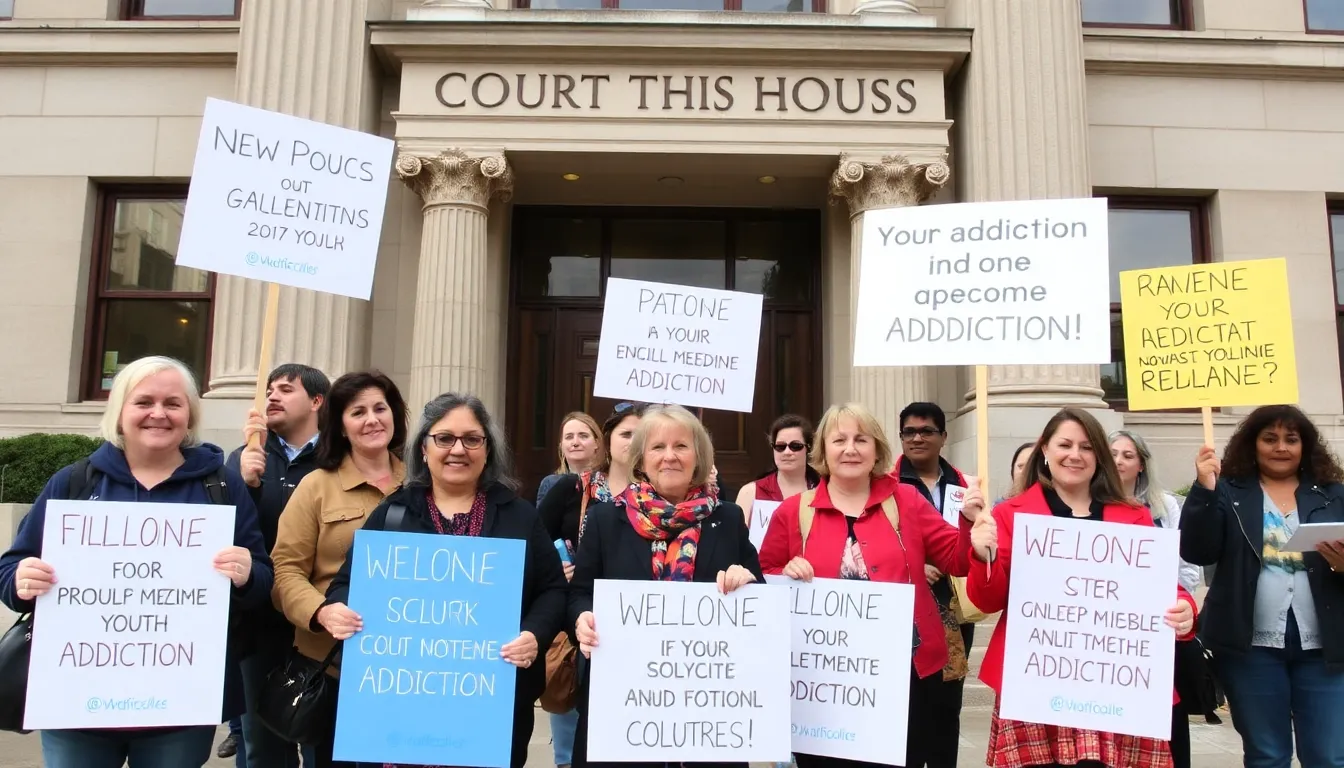
Frequently asked questions about the trial and its implications
Key takeaways and future outlook on social media regulations
The recent ruling against Meta and YouTube marks a significant shift in the legal landscape surrounding social media platforms and their responsibility towards user well-being. As courts begin to hold these companies accountable for the addictive nature of their products, it sets a precedent that may influence future regulatory measures and user protection initiatives. This trial not only highlights the urgent need for ethical practices in digital design but also signals a growing public demand for transparency and accountability in the tech industry.
Looking ahead, companies in the social media space must adapt to a changing environment where legal scrutiny is intensifying. Stakeholders, including policymakers, users, and advocacy groups, will be watching closely to see how these platforms respond to the ruling and what measures they implement to mitigate addiction and promote healthier usage patterns.
- Increased regulatory scrutiny: Expect more stringent regulations and potential fines as governments seek to protect users from addictive technologies.
- Shift in design philosophy: Companies may need to adopt ethical design practices that prioritize user well-being over engagement metrics.
- Enhanced user education: Platforms might invest in educational initiatives to inform users about healthy social media habits.
- Litigation trends: This ruling could inspire similar lawsuits, prompting a wave of legal challenges against other tech giants.
- Public advocacy growth: Increased awareness may lead to stronger consumer advocacy groups pushing for better practices in the industry.