
Prime Minister Anthony Albanese addressed the nation on October 12, 2023, to reassure Australians that the fuel supply remains stable despite the ongoing panic. He emphasized that there is no need for alarm, as the government has measures in place to ensure the continued availability of fuel. Albanese’s comments aimed to calm public anxiety and discourage further hoarding behavior, similar to the rushed purchases seen in previous crises.
The situation has raised concerns about the impact on essential services and the broader economy. With some motorists unable to access fuel, there are fears that delivery services and public transport could be disrupted. Industry experts are closely monitoring the situation, as prolonged shortages could lead to increased prices and further exacerbate public panic.
Local authorities and fuel retailers are urging consumers to remain calm and only purchase what they need. They are working to replenish supplies as quickly as possible, but the ongoing demand has created challenges in logistics and distribution. The government is also exploring options to enhance fuel stockpiles and improve supply chain resilience in response to this crisis.
Understanding the reasons behind the panic buying trend
The recent surge in panic buying across Australia can be traced back to a combination of historical, political, and economic factors that have shaped the nation’s response to crises. In recent years, Australians have faced various challenges, from natural disasters to global pandemics, which have fostered a sense of vulnerability and uncertainty. These events have heightened public awareness of supply chain vulnerabilities, particularly concerning essential goods such as fuel.
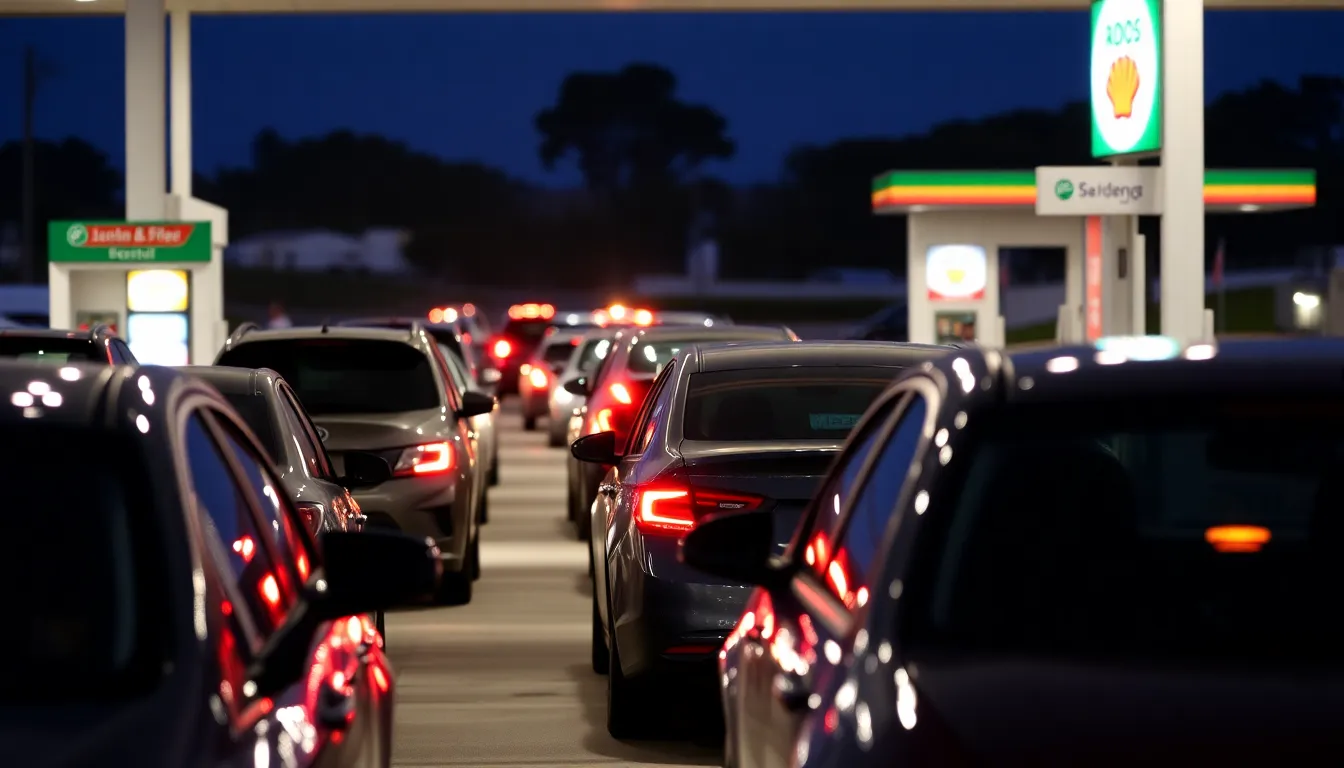
Historically, Australia has experienced periods of fuel shortages, often linked to geopolitical tensions or natural disasters. For instance, during the Gulf War in the early 1990s, fuel prices spiked, leading to widespread concern about availability. More recently, the COVID-19 pandemic highlighted the fragility of supply chains, as lockdowns and restrictions caused disruptions in the distribution of goods.
Politically, the government’s response to crises has also played a significant role in shaping public perception. Statements from leaders, such as Prime Minister Scott Morrison, aimed at reassuring the public about fuel supplies, reflect an understanding of the need to stabilize consumer confidence. However, mixed messages or perceived inadequacies in crisis management can exacerbate panic, leading to increased buying behavior as individuals seek to secure their needs.
The Economic Impact of Panic Buying
The economic implications of panic buying are profound, affecting not only consumers but also suppliers and the broader market. When consumers rush to purchase fuel, it can lead to temporary shortages, price hikes, and increased operational costs for businesses. Additionally, the fear of scarcity can create a self-fulfilling prophecy, where the mere act of buying leads to actual shortages, prompting more panic buying, akin to the effects seen during the sunscreen product scandal.
Key stakeholders and issues surrounding fuel supply concerns
The recent surge in panic buying of fuel has brought several key stakeholders into focus, each with distinct interests and concerns. The Australian government, led by the Prime Minister, plays a crucial role in managing public confidence and ensuring the stability of fuel supplies. Their primary interest lies in preventing widespread panic that could further exacerbate supply issues.
Major fuel retailers and distributors are also significant players in this scenario. They are concerned about maintaining supply chains and meeting consumer demand while managing the logistics of distribution under strained conditions. Their interests include ensuring profitability while also navigating potential public backlash if shortages occur.
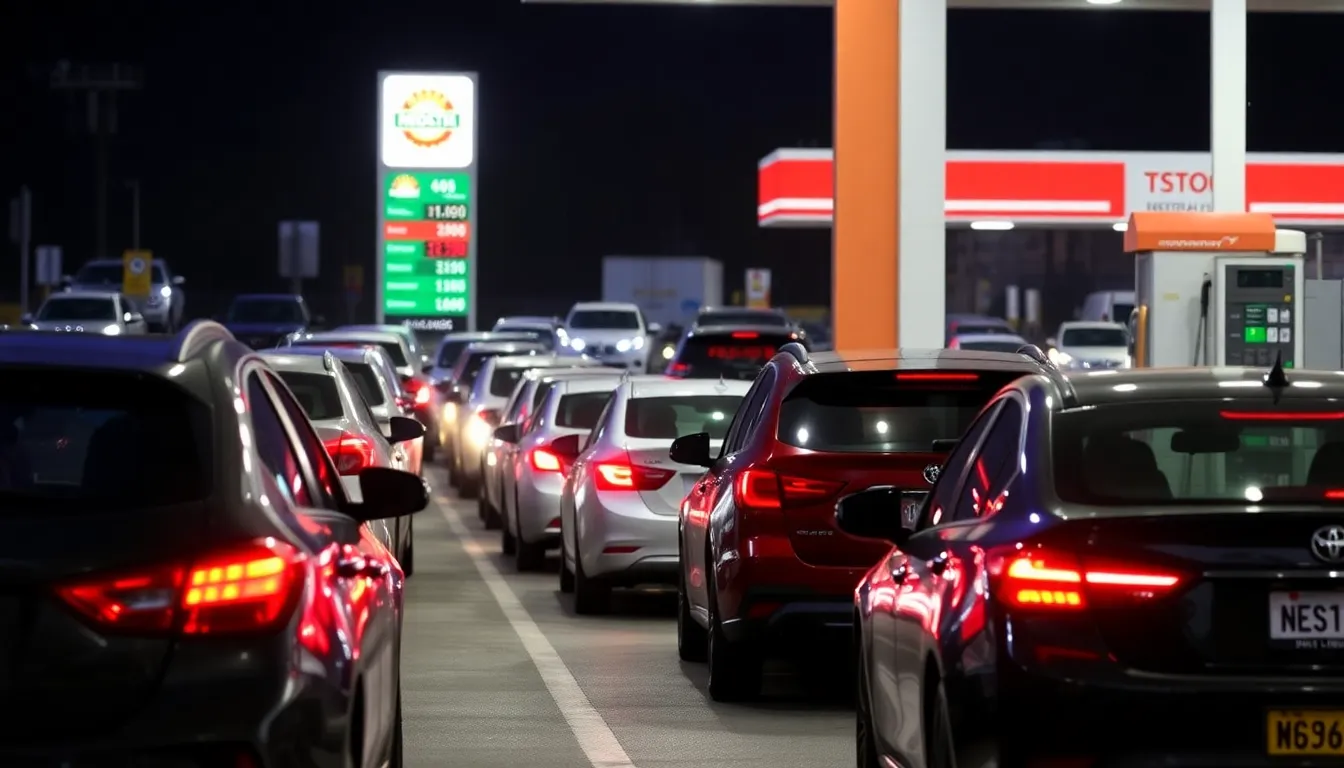
Additionally, consumers represent a critical stakeholder group. Many Australians are worried about fuel availability, which can impact daily life and economic stability. Their immediate interest is securing fuel for transportation and essential services, driving the panic buying behavior observed in recent days.
- Government Response: The government must balance public reassurance with realistic assessments of supply chain capabilities.
- Retailer Challenges: Fuel retailers face the challenge of managing inventory and distribution without inciting further panic.
- Consumer Behavior: Understanding the motivations behind panic buying can help address public concerns and stabilize the market.
- Economic Impact: Fluctuations in fuel supply can have broader economic implications, affecting transportation costs and inflation.
- Legal Considerations: Regulatory frameworks may need to be reviewed to ensure fair practices among fuel retailers during crises.
These dynamics illustrate the complexity of the situation, where the interests of the government, retailers, and consumers intersect, often leading to conflicts and trade-offs that must be navigated carefully to restore confidence in fuel supply systems.
The effects of fuel shortages on consumers and the economy
The recent panic buying of fuel has created widespread concern among various groups, particularly everyday consumers, transport industries, and local businesses. Families are feeling the immediate impact as they scramble to secure fuel for their vehicles, causing anxiety about their ability to commute and manage daily activities. The transport sector, heavily reliant on fuel, is also facing disruptions that could ripple through supply chains.
Regions with limited access to alternative transportation options are particularly vulnerable. Rural areas, where public transport is less frequent, are experiencing heightened stress as residents struggle to find fuel. This situation can lead to increased isolation for those unable to travel, affecting access to essential services such as healthcare and education.
In the short term, the panic has led to inflated fuel prices and empty gas stations, causing frustration among consumers. Businesses that depend on timely deliveries may face delays, resulting in potential revenue losses. The government’s reassurance regarding fuel supply may help stabilize the situation, but uncertainty remains a significant concern.
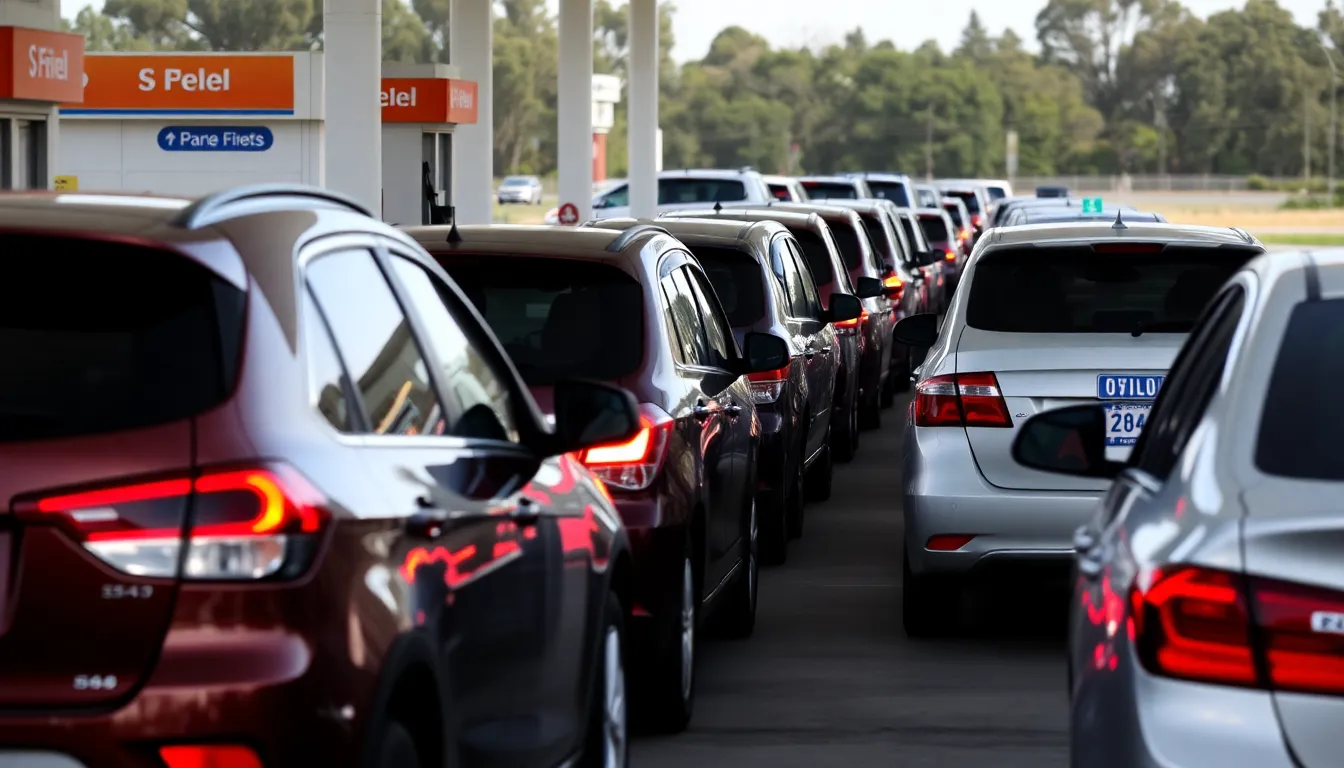
In the mid-term, the fuel crisis could prompt policy changes aimed at enhancing fuel security and diversifying energy sources. This could lead to increased investment in alternative energy solutions, presenting opportunities for growth in renewable energy sectors. However, the risks of prolonged fuel shortages could also result in a downturn for industries reliant on fossil fuels, potentially leading to job losses.
- Increased fuel prices affecting consumer budgets
- Disruptions in supply chains impacting local businesses
- Potential policy shifts towards renewable energy sources
- Heightened anxiety and uncertainty among consumers
A: Panic buying has been triggered by fears of fuel shortages, leading many Australians to stock up on fuel. This behavior is often fueled by media reports and social media discussions. A: The government is working to reassure the public by confirming that fuel supplies are stable and adequate. They are also monitoring the situation closely to prevent further panic. A: Current assessments indicate that fuel supplies should remain sufficient for the foreseeable future, provided that panic buying subsides. A: Consumers are advised to remain calm and avoid panic buying. It is important to purchase only what is necessary to ensure that fuel remains available for everyone. A: While some fuel stations may raise prices temporarily due to high demand, the government is monitoring the situation to prevent price gouging.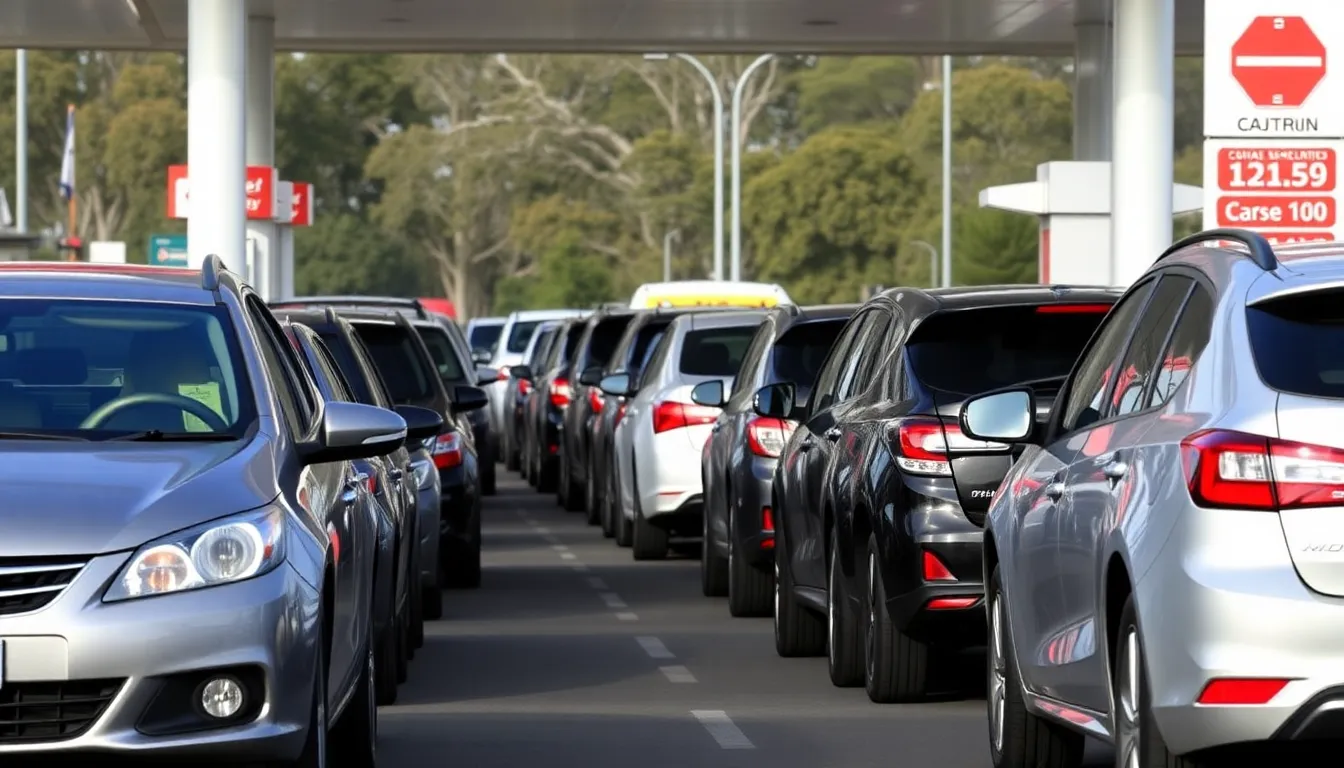
Frequently asked questions about fuel supply and panic buying
Key takeaways and future outlook on fuel supply in Australia
The recent surge in panic buying has highlighted the vulnerabilities in Australia’s fuel supply chain. As the Prime Minister reassures citizens about the stability of fuel availability, it is crucial to consider the broader implications of this situation. The government’s response and public sentiment will play significant roles in shaping future fuel policies and consumer behavior.
Moving forward, monitoring the effectiveness of government measures to stabilize supply and restore public confidence will be essential. Additionally, understanding the potential shifts in consumer habits and the impact on fuel prices will provide insights into the evolving landscape of Australia’s fuel market.
- Government Communication: Continued transparency from the government will be vital in maintaining public trust and preventing further panic.
- Supply Chain Resilience: Future policies may focus on strengthening the fuel supply chain to mitigate the effects of sudden demand spikes.
- Consumer Behavior: Observing changes in consumer purchasing patterns could indicate long-term shifts in fuel consumption.
- Price Fluctuations: Watch for potential increases in fuel prices as supply stabilizes, influenced by both demand and global market conditions.
- Alternative Energy Sources: This situation may accelerate discussions around transitioning to alternative energy sources as a means of enhancing energy security.