
In the current climate, where streaming services dominate music consumption, the opinions of critics like Christgau can influence listeners’ choices significantly. His unique approach to criticism, which blends academic rigor with a deep passion for music, has inspired a generation of writers and fans alike. The documentary sheds light on his methods and the challenges he faced, illustrating the ongoing relevance of thoughtful critique in a rapidly changing landscape. You can learn more about related industry dynamics in our article about the WGA Standoff With Striking Staff.
Moreover, the film invites discussions about the future of music criticism in an age where social media and digital platforms often prioritize popularity over substance. As traditional print media declines, the documentary serves as a reminder of the importance of informed voices in music analysis. By exploring Christgau’s legacy, it underscores the necessity for critics to adapt while maintaining their integrity and depth of knowledge, paralleling the evolving influence of figures in pop culture, such as Slick Rick.
With its release, the documentary not only celebrates Christgau’s contributions but also raises critical questions about the state of rock criticism today. As new artists emerge and genres blend, audiences are left seeking guidance on what to listen to. In this context, understanding the role and evolution of rock critics becomes essential for both music lovers and industry professionals.
Understanding Robert Christgau’s Legacy
Robert Christgau, often referred to as the “Dean of American Rock Critics,” emerged in the late 1960s as a pivotal figure in the world of music journalism. His unique blend of cultural criticism and musical analysis not only shaped the discourse around rock music but also influenced how artists and their work were perceived by the public. Christgau’s contributions came at a time when rock music was evolving rapidly, reflecting broader social changes in America, including the counterculture movement and the rise of youth culture. This context of transformation can also be seen in the rise of new artists like Slayyyter, who transforms midwest culture into pop success.
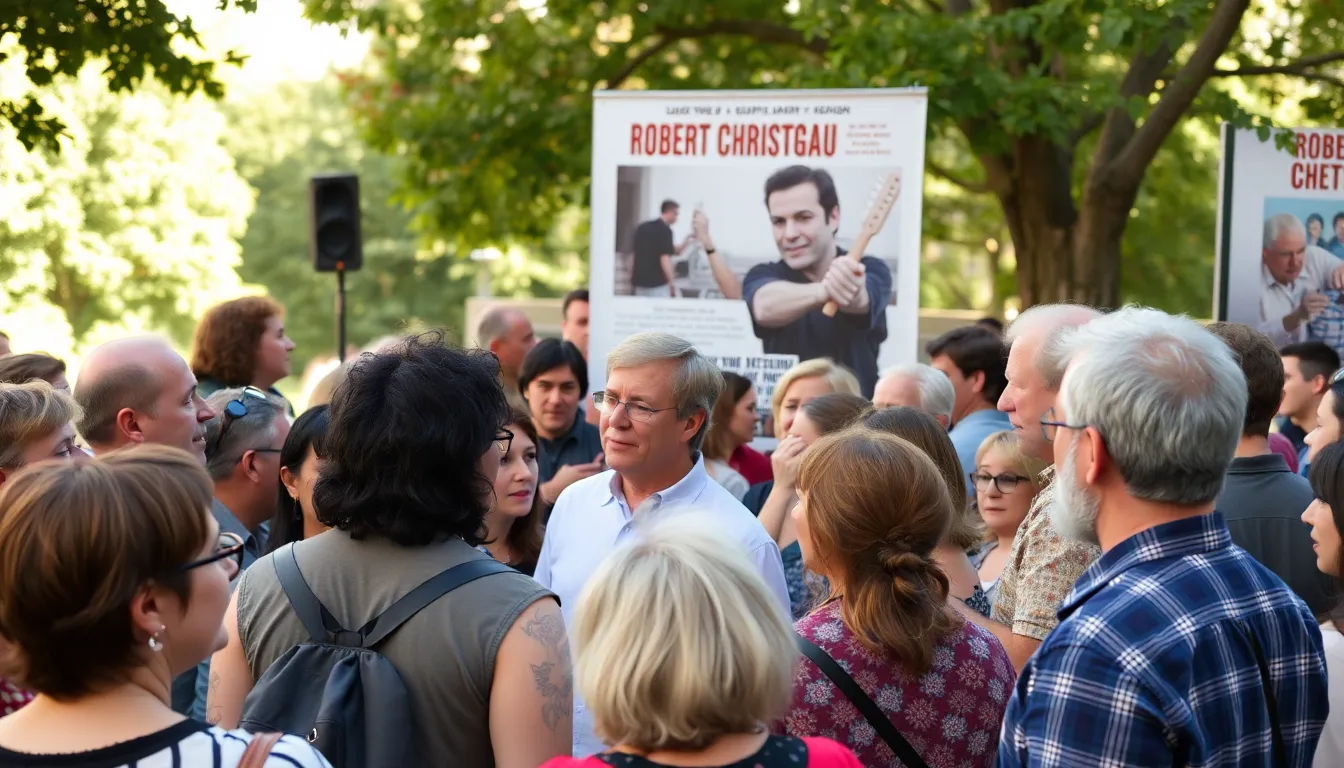
The 1960s and 1970s were marked by a vibrant explosion of musical innovation, with genres like rock, punk, and soul gaining prominence. This era also saw the advent of alternative media, such as underground newspapers and magazines, which provided platforms for critics like Christgau to express their views. His writing style, characterized by sharp wit and incisive commentary, resonated with a generation eager to understand the cultural implications of the music they loved. Christgau’s work in publications like The Village Voice helped legitimize music criticism as a serious form of journalism.
The Evolution of Music Criticism
As the music industry grew, so did the role of the critic. Christgau’s “Consumer Guide” reviews, which offered succinct assessments of albums, became a defining feature of his style. This approach not only informed listeners but also influenced the marketing and promotion strategies of record labels. His critiques often challenged the status quo, pushing against mainstream tastes and advocating for lesser-known artists, thereby democratizing music appreciation.
In addition to his impact on music journalism, Christgau’s work can be viewed against the backdrop of significant historical events, including the civil rights movement and the Vietnam War. These events shaped the thematic content of the music he reviewed, as artists began to use their platforms to address social and political issues. Christgau’s ability to connect these themes with the music of the time made his critiques not just reviews, but essential commentary on the cultural landscape.
Today, as music continues to evolve in the digital age, Christgau’s legacy endures. His insights into the relationship between music and society remain relevant, and his work continues to inspire new generations of critics and music lovers. The film “The Last Critic” serves as a captivating exploration of this legacy, highlighting how Robert Christgau not only made the grade as a critic but also helped define the very essence of music criticism itself.
Key Issues Surrounding Christgau’s Critique Style
Robert Christgau, often referred to as the “Dean of American Rock Critics,” has had a profound impact on music journalism and criticism. His unique style, characterized by brevity and sharp wit, has garnered both admiration and criticism from various stakeholders in the music industry. Understanding these stakeholders and their interests is essential to grasping the broader implications of Christgau’s work.

One of the primary actors in this landscape is the music industry itself, including record labels and artists. These entities often seek favorable reviews to boost sales and enhance their reputations. Christgau’s candid and sometimes harsh critiques can pose a threat to an artist’s success, leading to tensions between critics and creators. This dynamic raises questions about the role of criticism in shaping public perception and the economic viability of artists.
Additionally, audiences play a crucial role as stakeholders. Fans and music lovers rely on critics like Christgau to guide their listening choices. However, differing tastes and preferences can lead to conflicts between critics and their readership. For instance, Christgau’s often unconventional ratings may alienate certain audiences while resonating with others, highlighting the subjective nature of music appreciation.
- Conflicts of Interest: The relationship between critics and the music industry can lead to potential biases, as critics may be influenced by their interactions with artists and labels.
- Economic Implications: Negative reviews can impact sales and streaming numbers, creating a ripple effect that affects not only artists but also associated businesses like venues and merchandise sales.
- Subjectivity in Critique: The personal taste of critics can create divides within the audience, as not all listeners will agree with a critic’s assessment of an album or artist.
Moreover, the rise of social media and digital platforms has transformed the landscape of music criticism. While Christgau’s traditional reviews hold significant weight, the democratization of critique through platforms like Twitter and Instagram allows for a wider range of voices and opinions. This shift introduces new challenges and opportunities for established critics, as they navigate a more fragmented and diverse audience.
The Impact of Christgau on Music Journalism
Robert Christgau’s influence extends far beyond his own writings, affecting a wide array of groups and industries. Music journalists, critics, and aspiring writers find themselves inspired by his unique approach to criticism, which blends academic rigor with a deep passion for music. As a result, a new generation of critics is emerging, eager to emulate his style and challenge the status quo in music journalism.
The music industry itself is also impacted, as Christgau’s reviews often shape public perception and influence album sales. Record labels and artists may adjust their marketing strategies based on the reception of their work in his critiques. This dynamic can lead to both positive and negative outcomes for musicians, depending on how their music is interpreted by critics and audiences alike.
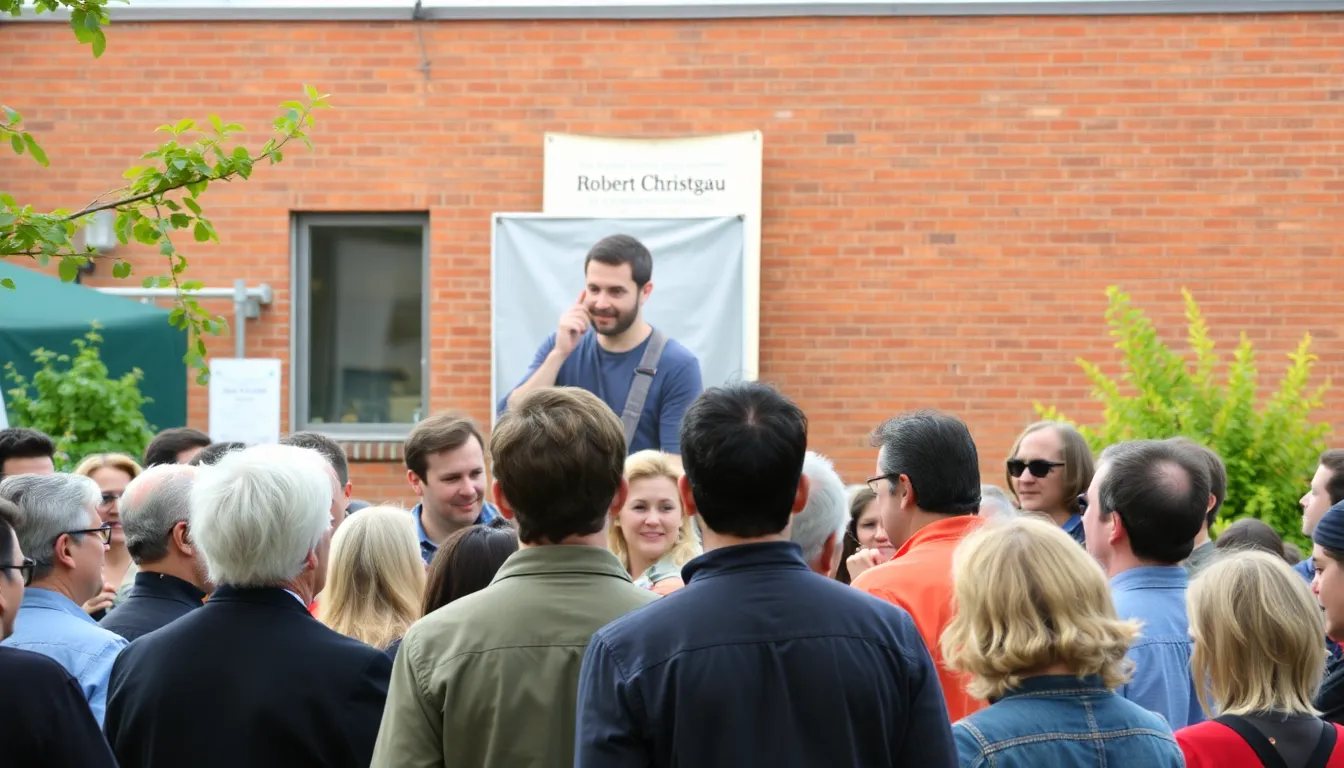
In the short term, Christgau’s legacy sparks renewed interest in rock criticism, leading to a resurgence of music publications and platforms dedicated to in-depth reviews. This trend may create new job opportunities for writers and editors in the industry. In the mid-term, however, there is a risk that the oversaturation of music criticism could dilute the impact of individual voices, making it harder for standout critics to be heard.
- Short-term opportunities: Increased demand for music criticism may lead to new publications and platforms.
- Mid-term risks: The potential oversaturation of content could diminish the significance of critical voices.
- Impact on artists: Artists may adapt their work based on critical reception, influencing their creative direction.
Overall, Christgau’s approach to music criticism not only shapes the landscape of music journalism but also influences how artists create and promote their work. As the industry evolves, the effects of his legacy will continue to resonate across various sectors, highlighting both the challenges and opportunities that lie ahead.
A: The Last Critic is a review that delves into the life and work of Robert Christgau, a prominent figure in rock criticism. It highlights his unique approach and contributions to music journalism. A: Robert Christgau is regarded as a pioneering rock critic whose insights and reviews have shaped music criticism for decades. His distinctive style and fearless opinions have left a lasting mark. A: The review presents Christgau as a brilliant yet eccentric figure, often referred to as the ‘mad professor’ of rock critics. It emphasizes his passion for music and his unorthodox critique methods. A: Key themes include the evolution of music criticism, the role of personal taste in reviews, and the impact of Christgau’s work on contemporary critics and artists. A: Yes, The Last Critic is available through various media outlets and platforms that feature music reviews and critiques.
Frequently Asked Questions about The Last Critic
Key Takeaways from The Last Critic Review
The exploration of Robert Christgau’s career in ‘The Last Critic’ not only highlights his unique approach to music criticism but also raises important questions about the evolving landscape of music journalism. As a figure who has shaped the discourse around rock music, Christgau’s insights serve as a lens through which we can examine the future of criticism in an era dominated by digital platforms and shifting cultural values.
Understanding Christgau’s methodology and his unwavering commitment to authenticity can inspire both emerging critics and established writers. His ability to challenge norms and provoke thought invites a reevaluation of what it means to be a critic in today’s world.
- Embrace Individuality: Critics should cultivate their unique voice and perspective, much like Christgau, to stand out in a crowded field.
- Adapt to Change: As the music industry evolves, so must criticism; staying relevant requires an understanding of new media and audience engagement.
- Value of Authenticity: Authenticity in criticism fosters trust and connection with audiences, reinforcing the importance of honest and thoughtful reviews.
- Encourage Dialogue: Christgau’s work demonstrates the value of sparking conversations around music, urging critics to engage with their audience on deeper levels.
- Learn from the Past: Analyzing historical perspectives on music can provide valuable context for contemporary critiques, enriching the overall discourse.