
In an exciting display of skill and strategy, Team India and Türkiye emerged victorious in their respective categories, securing gold medals. Team India triumphed in the popular game title, while Türkiye showcased their prowess in another competitive genre, underscoring the diverse talent present at the event. For more insights on esports competitions, check out Everything to Know About ESL One at DreamHack Birmingham 2026.
The finals attracted thousands of fans both in-person and through online streaming platforms, emphasizing the increasing engagement of audiences with esports. Major sponsors and partners, including tech companies and gaming brands, were also present, further illustrating the commercial potential of the esports industry.
As countries continue to invest in esports infrastructure and training programs, events like these play a crucial role in fostering international competition and collaboration. The success of the Mumbai Finals serves as a testament to the growing legitimacy and appeal of esports as a mainstream entertainment medium.
Understanding the significance of the Global Esports Games
The rise of esports has transformed the landscape of competitive gaming, evolving from a niche pastime to a global phenomenon. The Global Esports Games (GEG) serves as a pivotal platform, showcasing the talents of players from around the world and fostering international camaraderie. This event not only highlights the competitive spirit of nations but also reflects the growing acceptance of esports as a legitimate form of entertainment and competition.
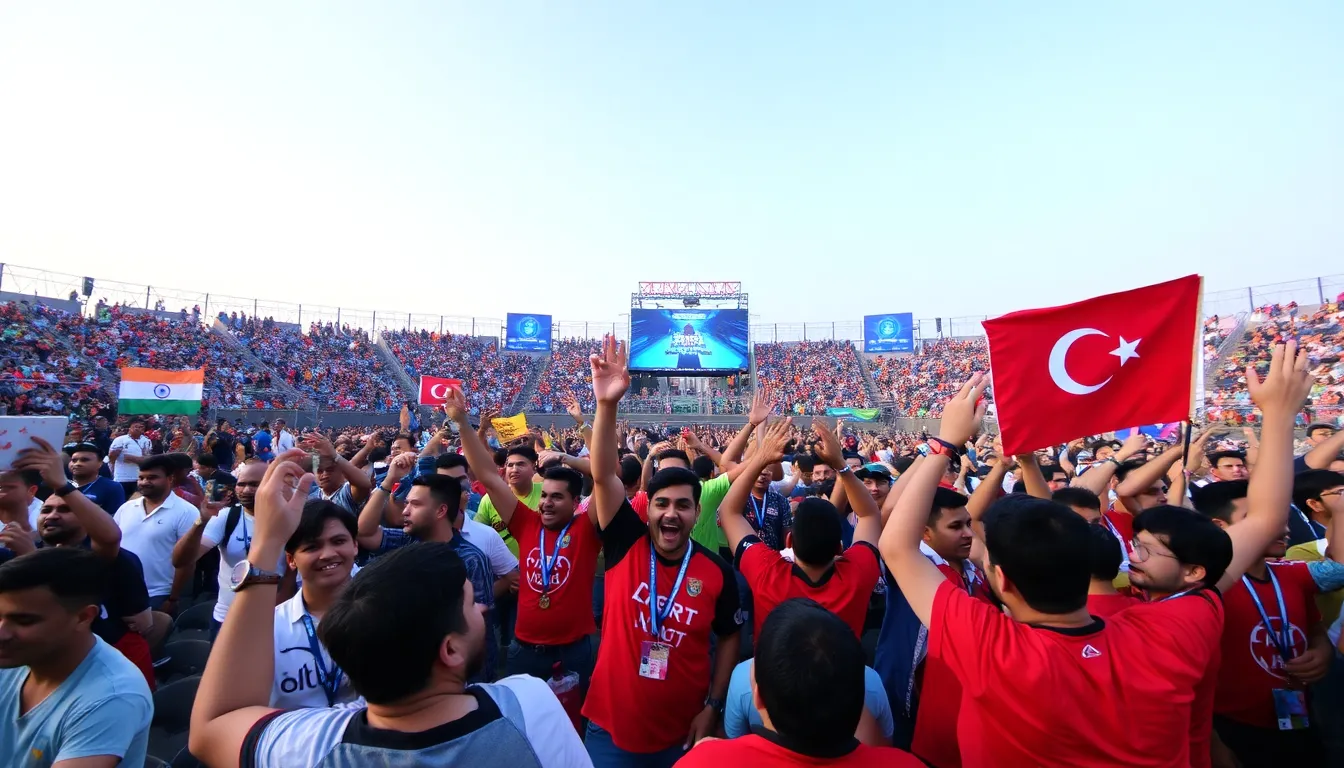
Historically, esports began gaining traction in the late 20th century with the advent of online gaming. However, it was the early 2000s that marked a significant turning point, as tournaments began to attract large audiences and sponsorships. Countries like South Korea became pioneers in the esports industry, establishing professional leagues and dedicated training facilities. The GEG, which debuted in 2021, builds on this legacy, aiming to unify diverse gaming communities and celebrate cultural exchange through competition.
In recent years, the political and economic implications of esports have also come to the forefront. As nations recognize the potential of esports to drive economic growth, many have invested in infrastructure and talent development. The involvement of governments in promoting esports initiatives has led to increased funding, sponsorship opportunities, and the establishment of esports academies. This trend is evident in countries like India and Türkiye, where the recent GEG finals showcased their commitment to nurturing local talent on a global stage. This growth parallels the discussions on discrimination issues in League of Legends esports in EMEA.
The Cultural Impact of Esports
Esports has transcended mere entertainment, becoming a cultural movement that resonates with younger generations. Events like the GEG not only serve as competitive platforms but also as social gatherings that bring together fans and players from diverse backgrounds. The celebration of national pride during these competitions fosters a sense of belonging and identity, further solidifying esports’ role in contemporary society.
Key players and strategies that led to the victories
The Global Esports Games Mumbai Finals showcased a thrilling competition between Team India and Team Türkiye, both of whom emerged victorious in their respective categories. The main actors in this event included the players, national esports federations, sponsors, and the local government, each with vested interests in the success of their teams.
Team India, comprising skilled players from various backgrounds, was supported by the Indian Esports Federation, which aimed to promote esports as a legitimate sport in the country. Their strategy focused on teamwork, communication, and leveraging individual strengths, which proved crucial in overcoming their opponents.

On the other hand, Team Türkiye, backed by the Turkish Esports Federation, brought a wealth of experience and a strong competitive spirit to the finals. Their approach emphasized aggressive gameplay and strategic flexibility, allowing them to adapt quickly to the evolving dynamics of the matches.
- National pride: Both teams represented their countries, which heightened the stakes and drew significant public interest.
- Sponsorship and funding: The involvement of major sponsors provided financial backing, enhancing training facilities and resources for the teams.
- Legal considerations: The event highlighted the need for clear regulations surrounding esports, including player contracts and intellectual property rights.
- Economic impact: The finals attracted tourism and investment, showcasing the potential of esports to contribute to local economies.
- Global recognition: Success in such events enhances the visibility of esports in both countries, potentially leading to increased participation and sponsorship in the future.
These dynamics illustrate the complex interplay of interests and strategies that characterize the world of competitive esports, where victories are not just about skill but also about broader societal and economic implications.
The implications of these wins for the esports landscape
The recent triumphs of Team India and Türkiye at the Global Esports Games Mumbai Finals have significant implications for various stakeholders in the esports ecosystem. These victories not only highlight the growing talent in these regions but also elevate the global profile of esports as a legitimate competitive arena. The affected groups include players, local gaming communities, sponsors, and the broader gaming industry, as highlighted by events like the Gloucester rugby team takes over Villa Park for a day.
In the short term, the wins can lead to increased interest in esports among local youth, potentially driving higher participation rates in gaming events and tournaments. This surge in engagement can stimulate local economies through increased spending on gaming equipment, merchandise, and event attendance. Additionally, local businesses may see a boost as fans gather to celebrate and watch future esports events.
In the mid-term, the success of these teams could pave the way for more significant investments from sponsors and advertisers looking to tap into the growing esports market. This influx of capital can enhance infrastructure, such as gaming arenas and training facilities, and support the development of grassroots programs aimed at nurturing future talent. However, there are risks involved, including the potential for increased commercialization that might overshadow the competitive spirit of esports.
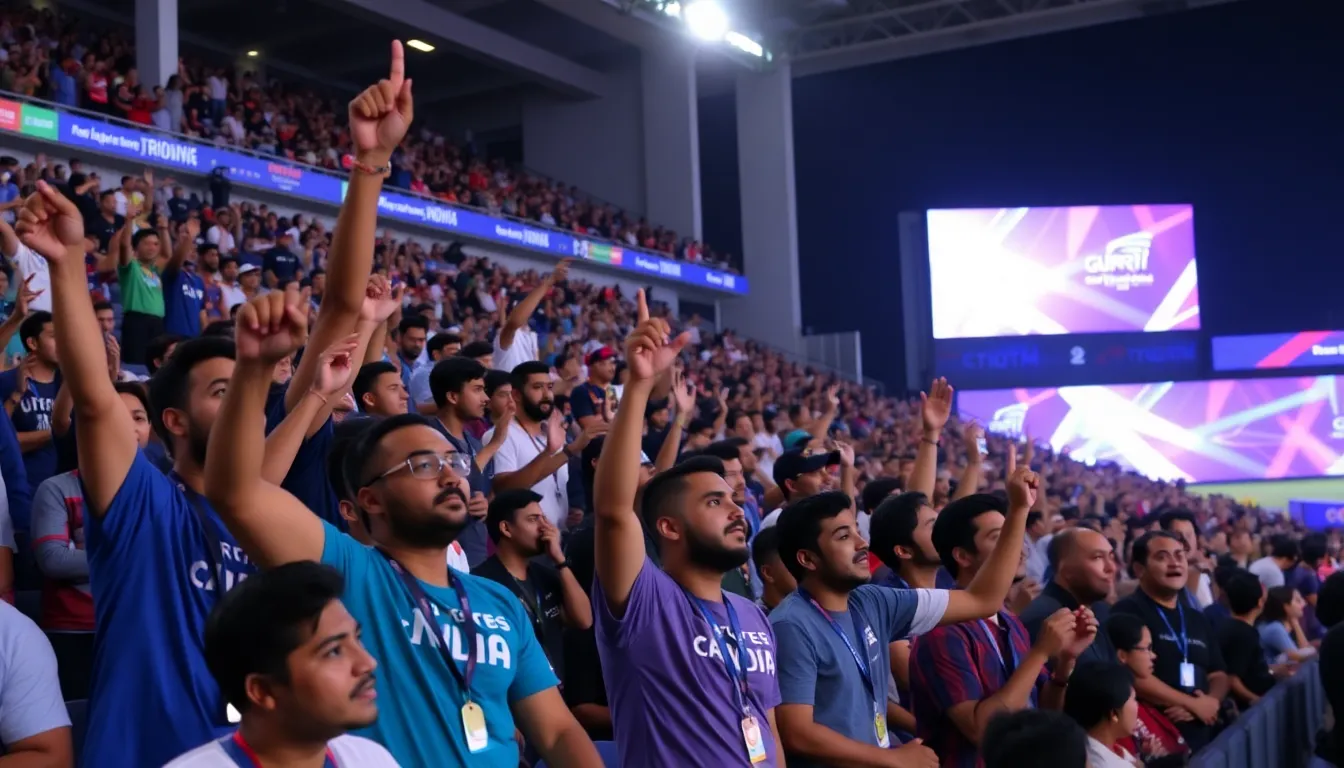
- Increased participation: More players engaging in esports at all levels.
- Economic growth: Local businesses benefiting from heightened interest in gaming.
- Sponsorship opportunities: Attracting investment from brands looking to enter the esports space.
- Infrastructure development: Improved facilities and resources for aspiring gamers.
- Commercialization risks: Potential overshadowing of competitive integrity by commercial interests.
Overall, the victories of Team India and Türkiye serve as a catalyst for change and growth within the esports sector, with the potential to reshape the landscape in both nations and beyond. The excitement surrounding these wins can inspire policy changes that support the esports industry, fostering a more robust environment for future developments.
A: The finals featured popular titles such as Dota 2, Tekken 7, and eFootball, showcasing a diverse range of competitive gaming. A: Both teams engaged in extensive training and strategy sessions, focusing on teamwork and individual skills to enhance their performance. A: Winning gold not only brings prestige but also boosts the visibility of esports in their respective countries, encouraging more players to participate. A: Yes, the organizers plan to host more events globally, aiming to expand the reach and popularity of esports. A: Fans can get involved by following their favorite teams, participating in local tournaments, or even streaming their gameplay online.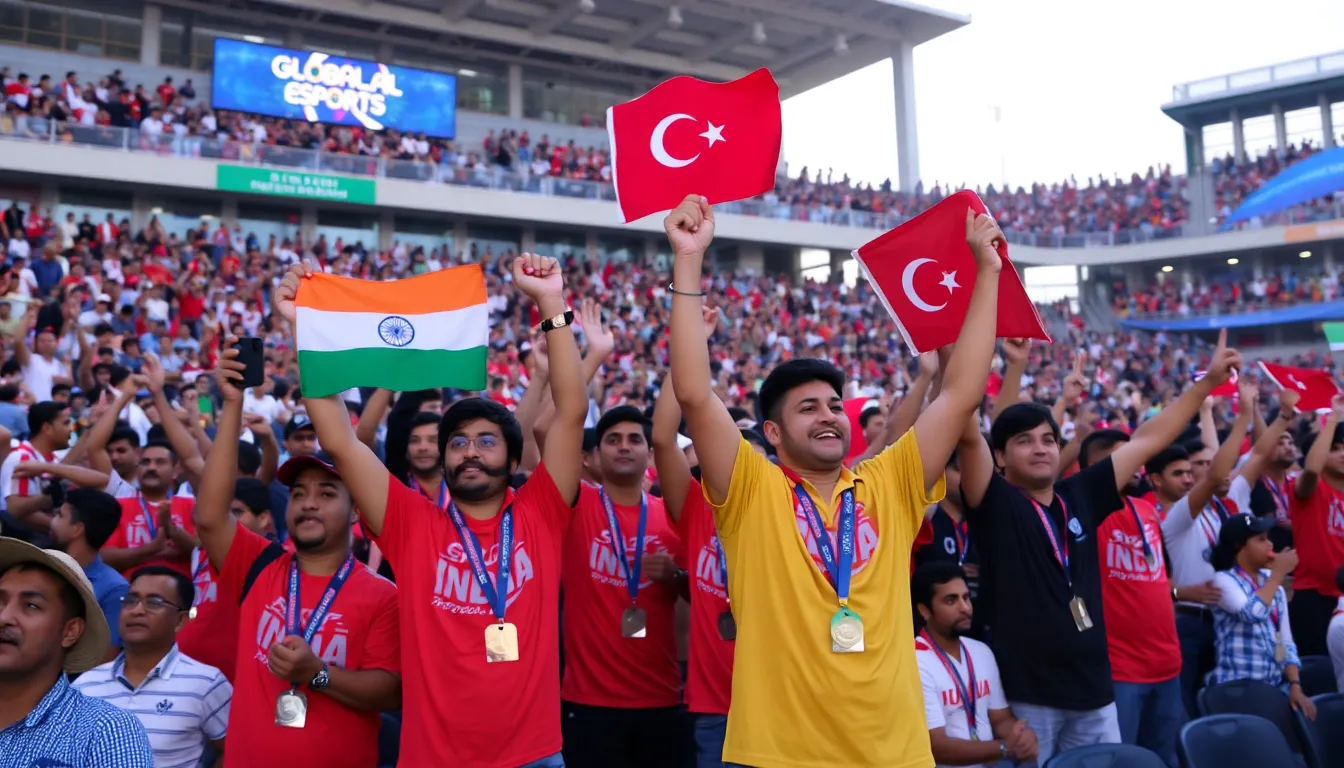
Frequently asked questions about the Global Esports Games
Looking ahead at the future of esports after the finals
The recent Global Esports Games Mumbai Finals showcased not only the competitive spirit of Team India and Türkiye but also highlighted the growing prominence of esports on the global stage. As these nations celebrated their victories, the event underscored the potential for esports to foster international collaboration and cultural exchange. The success of the finals may serve as a catalyst for increased investment and infrastructure development in the esports sector, particularly in emerging markets.
As esports continues to evolve, stakeholders should pay attention to the shifting dynamics within the industry. The rise of grassroots movements, coupled with the backing of established organizations, could lead to a more diverse and inclusive landscape. Moreover, the integration of technology and innovative broadcasting methods will likely enhance viewer engagement and expand the audience base for future events.
- The success of Team India and Türkiye may inspire other nations to invest in their esports programs, leading to a more competitive global landscape.
- Increased collaboration between gaming companies and local governments could result in enhanced infrastructure and support for esports tournaments.
- As esports gains mainstream recognition, opportunities for sponsorship and partnerships will likely grow, benefiting both players and organizations.
- The evolution of viewer engagement strategies, including interactive streaming and community involvement, will shape the future of esports events.
- Monitoring the impact of esports on youth culture and education may reveal new avenues for skill development and career opportunities.