
Furthermore, the COVID-19 pandemic has exacerbated existing health issues for women. Data from the Centers for Disease Control and Prevention (CDC) indicates that women have experienced higher rates of anxiety and depression during the pandemic, with a 2022 survey revealing that nearly 40% of women reported mental health challenges, highlighting the importance of addressing women’s health issues. This situation underscores the urgent need for targeted mental health resources and support systems for women.
Legislative actions are also coming into focus, as various countries are beginning to address women’s health more comprehensively. In July 2023, the U.S. Congress introduced a bill aimed at increasing funding for women’s health research and initiatives. This legislative effort reflects a growing awareness among policymakers of the importance of prioritizing women’s health issues and ensuring equitable access to healthcare services.
Moreover, public health campaigns are increasingly emphasizing women’s health as a critical area of concern. Initiatives like National Women’s Health Week, which takes place in May each year, aim to raise awareness about health issues that disproportionately affect women, such as heart disease and reproductive health. These campaigns are vital for promoting education and encouraging women to take proactive steps in managing their health.
Exploring the Historical Context of Women’s Health Issues
Women’s health has often been marginalized throughout history, with societal norms and medical practices frequently sidelining the specific health needs of women. In many cultures, women’s health issues were historically viewed through a lens of stigma and misunderstanding, leading to inadequate research and insufficient healthcare provisions. The lack of focus on women’s health can be traced back to the male-dominated medical field, where women’s bodies were often seen as a lesser priority compared to men’s health concerns.
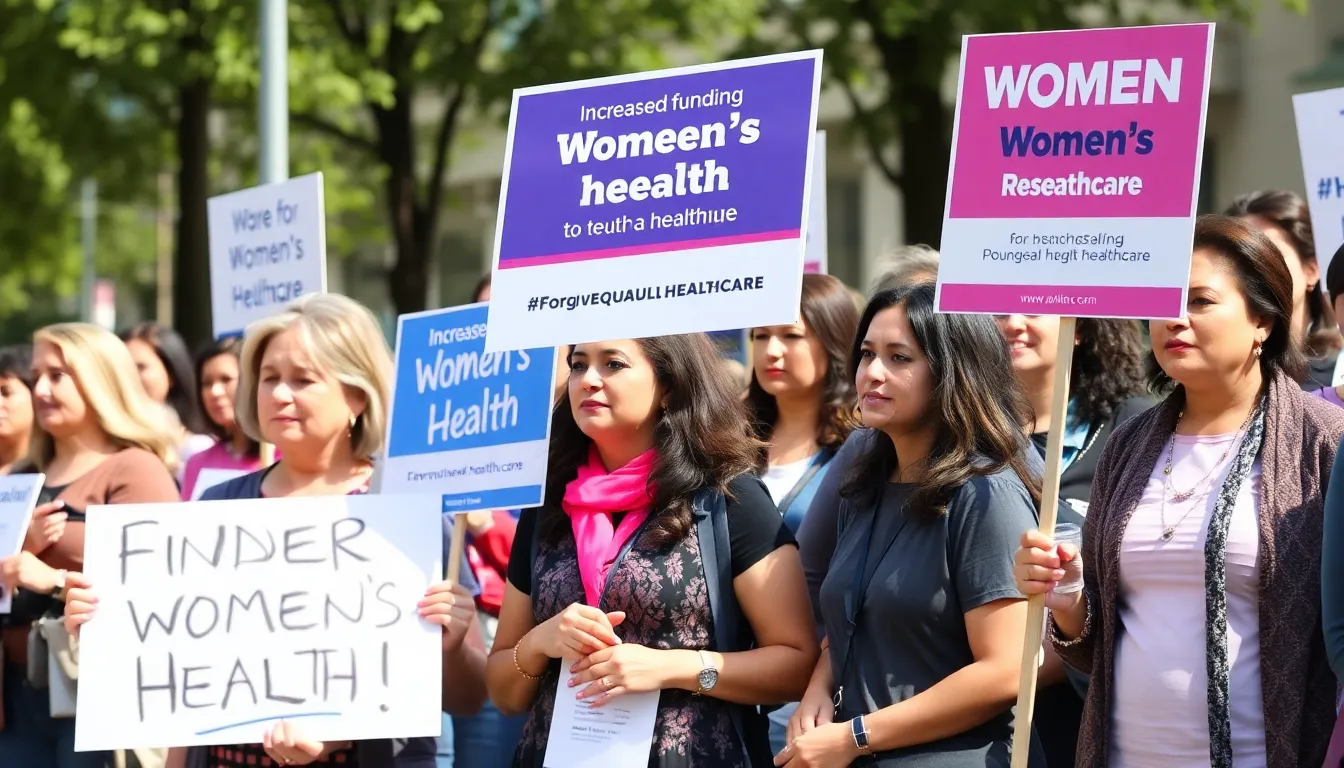
The political landscape has also played a significant role in shaping women’s health. For much of the 20th century, women’s health rights were largely ignored in legislative discussions. It wasn’t until the feminist movements of the 1960s and 1970s that women’s health began to gain attention. Activists fought for reproductive rights, access to contraception, and the right to make decisions about their own bodies, leading to landmark legal changes such as the Roe v. Wade decision in 1973, which recognized women’s rights to privacy in reproductive health matters.
Economically, the underfunding of women’s health research has perpetuated health disparities. Historically, medical studies predominantly involved male subjects, leading to a lack of understanding of how diseases affect women differently. This oversight has had tangible consequences, such as the misdiagnosis of conditions like heart disease, which presents differently in women than in men. The economic implications of this oversight extend to healthcare costs, as untreated or mismanaged conditions can lead to more severe health issues down the line.
Key Milestones in Women’s Health Advocacy
Several key milestones have marked the evolution of women’s health advocacy. The establishment of the Women’s Health Initiative in 1991 was a significant step, aiming to address the health needs of women through research and education. More recently, the Affordable Care Act of 2010 mandated that women receive comprehensive healthcare coverage, including preventive services without cost-sharing. These milestones reflect a growing recognition of the importance of women’s health and the need for continued advocacy to ensure equitable healthcare access.
Analyzing Key Stakeholders and Their Roles in Women’s Health
Women’s health is a multifaceted issue that involves various stakeholders, each with distinct interests and influences. Key actors include government bodies, healthcare organizations, non-governmental organizations (NGOs), and advocacy groups. These stakeholders play critical roles in shaping policies, funding research, and providing healthcare services that directly impact women’s health outcomes.
Governments are primary stakeholders, as they are responsible for public health policies and funding. Their interests often lie in improving population health metrics, reducing healthcare costs, and addressing gender disparities. However, conflicts can arise when budget constraints limit the resources allocated to women’s health initiatives. Additionally, political agendas may prioritize other issues over women’s health, leading to a lack of comprehensive policies.
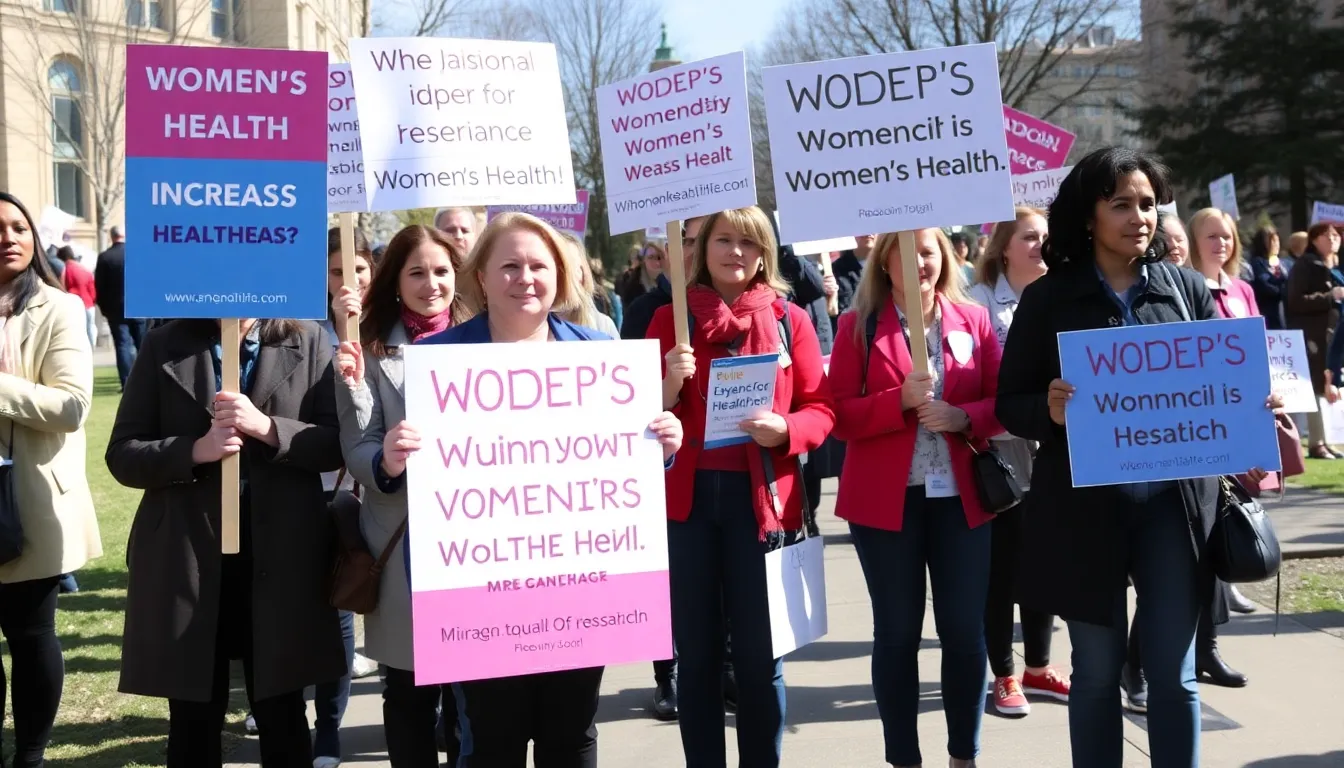
Healthcare organizations, including hospitals and clinics, are also significant players. Their focus is on delivering quality care and ensuring that services are accessible to women. Yet, they may face challenges such as insufficient training for healthcare providers on women’s specific health needs, which can compromise the quality of care. Trade-offs often occur between providing specialized services and managing overall operational costs.
NGOs and advocacy groups are crucial in raising awareness and pushing for policy changes. They often highlight issues such as reproductive rights, maternal health, and access to healthcare services. However, these groups may encounter resistance from various sectors, including political entities and some segments of the public, which can lead to tensions and hinder progress. The intersection of legal and economic factors also plays a significant role in shaping the discourse around women’s health.
- Policy Development: The need for inclusive policies that consider the unique health challenges faced by women.
- Funding Allocation: Balancing financial resources between women’s health and other public health priorities.
- Healthcare Access: Ensuring equitable access to healthcare services for women across different demographics.
- Public Awareness: The role of education and advocacy in changing societal attitudes towards women’s health issues.
- Legal Rights: The impact of legislation on reproductive rights and healthcare access for women.
The Impact of Neglecting Women’s Health on Society
Neglecting women’s health has far-reaching consequences that affect various groups, industries, and regions. Women, particularly those in low-income communities, often face significant barriers to accessing healthcare services. This neglect can lead to poorer health outcomes, which in turn affects families, communities, and the workforce.
In the short term, the lack of focus on women’s health can result in increased healthcare costs for families and governments. Women may experience untreated conditions that lead to more severe health issues, requiring more extensive and expensive interventions. Additionally, businesses may see a decline in productivity as women take time off work due to health-related issues.
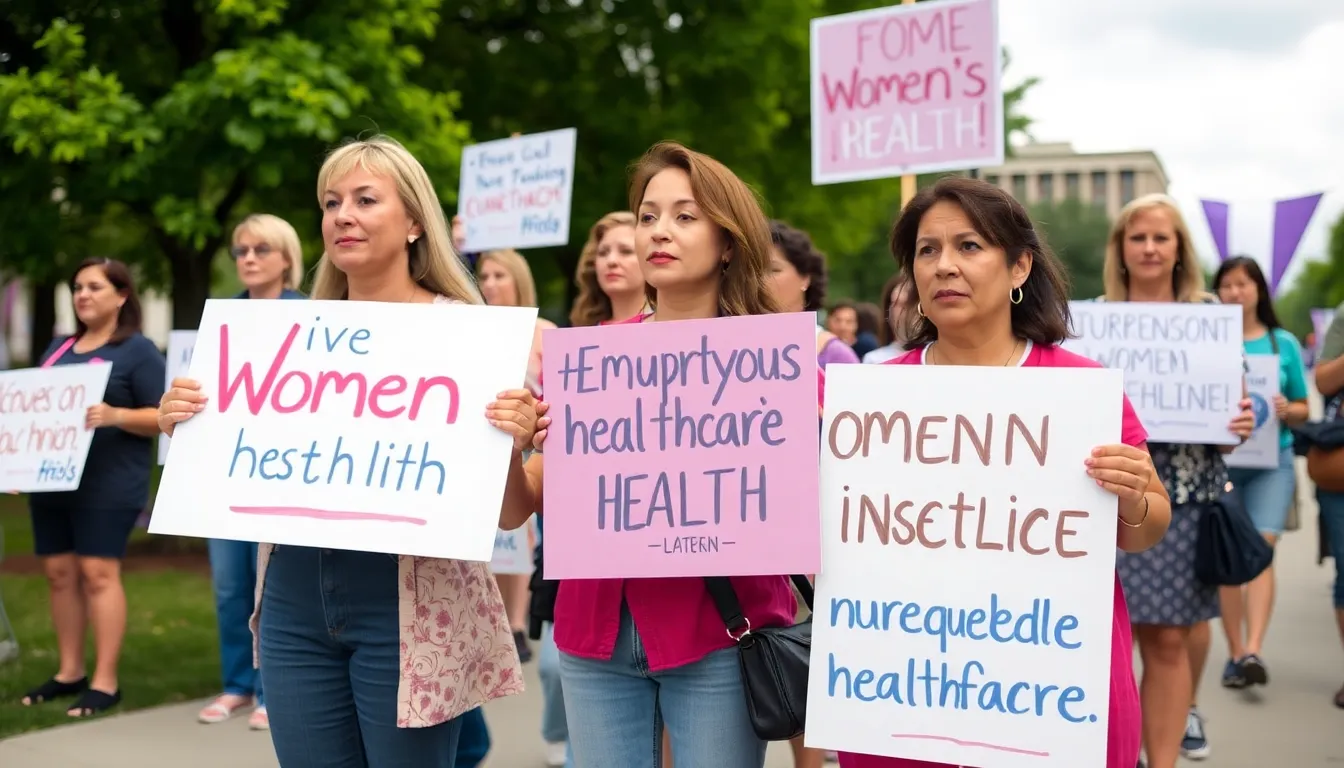
In the mid-term, the implications extend to policy-making and economic stability. Governments may need to allocate more resources to address the growing healthcare demands of women, impacting budgets and potentially leading to cuts in other vital services. On the flip side, there is an opportunity for industries focused on women’s health to innovate and grow, creating new products and services tailored to this demographic.
- Increased healthcare costs for families and governments.
- Decline in workforce productivity due to health-related absences.
- Potential for policy shifts that prioritize women’s health initiatives.
- Growth opportunities for businesses specializing in women’s health.
Furthermore, the societal stigma surrounding women’s health issues can perpetuate a cycle of neglect. By addressing these issues, we can foster a culture that values women’s health, leading to improved overall societal well-being. The potential to create awareness and drive change presents an opportunity for advocacy groups and healthcare providers to make a significant impact.
A: Women’s health issues have historically been marginalized in medical research and policy, leading to a lack of awareness and resources. This neglect can stem from societal biases and stereotypes regarding women’s health. A: Key issues include reproductive health, mental health, and access to healthcare services. Conditions like endometriosis and maternal health complications are often under-researched and underfunded. A: Improving women’s health care requires increased funding for research, better education for healthcare providers, and policies that prioritize women’s health needs. Advocacy and awareness campaigns can also play a crucial role. A: Policymakers are essential in shaping health care systems and ensuring that women’s health issues receive adequate attention and funding. Their decisions can directly affect access to services and health outcomes. A: Women can advocate for their health by being informed about their conditions, seeking second opinions, and participating in health advocacy groups. Empowering oneself with knowledge is key to effective advocacy.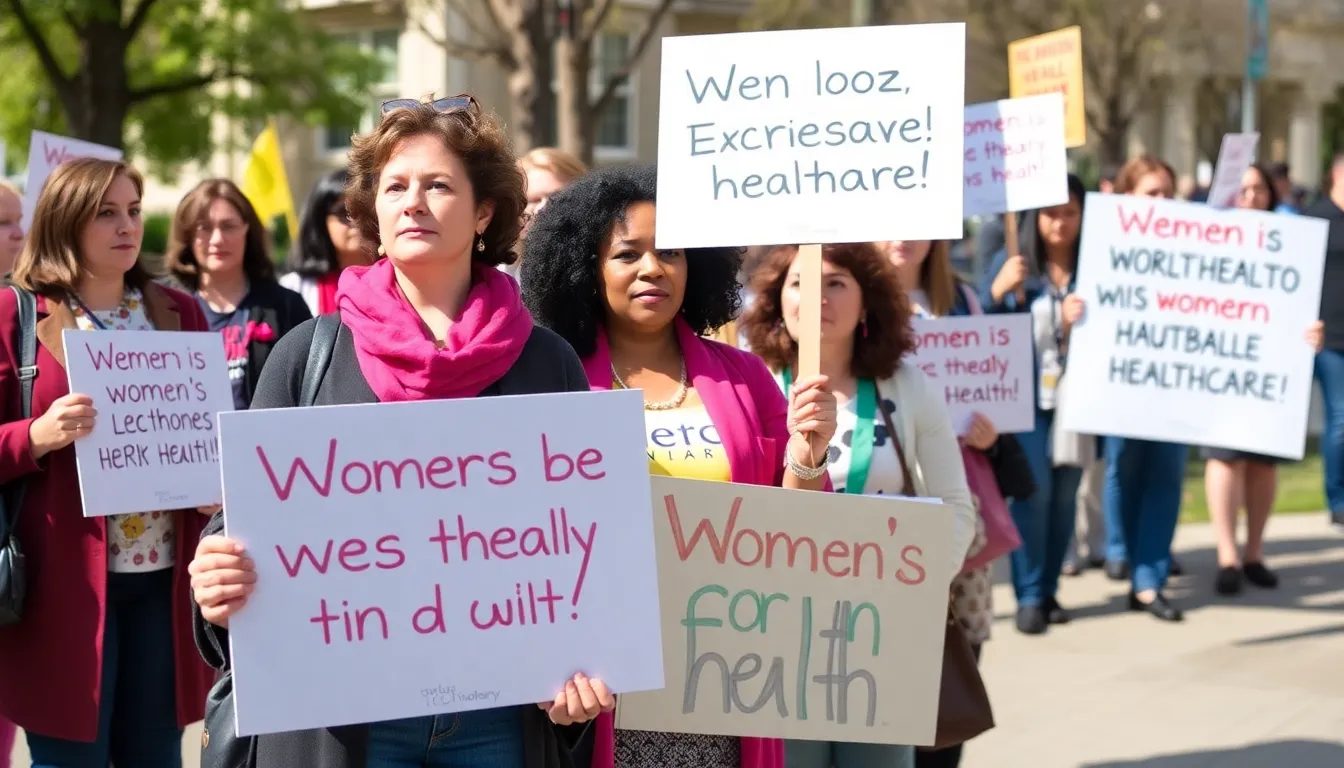
Frequently Asked Questions About Women’s Health
Key Takeaways and Future Directions for Women’s Health
As discussions around women’s health gain momentum, it is evident that a more comprehensive approach is necessary to address the unique challenges faced by women. The integration of gender-specific research, policy changes, and increased awareness can lead to significant improvements in health outcomes. Stakeholders must prioritize women’s health not only as a matter of equity but also as a critical component of public health.
Looking forward, it is essential to foster collaboration among healthcare providers, policymakers, and researchers to create a supportive environment for women’s health initiatives. By recognizing the importance of women’s health issues, we can pave the way for innovative solutions and better healthcare access for all women.
- Increase funding for women’s health research: Prioritize financial resources towards studies that specifically address women’s health issues and conditions.
- Advocate for policy reforms: Support legislation that promotes equitable healthcare access and addresses disparities in treatment and outcomes for women.
- Enhance education and awareness: Implement programs that educate both healthcare providers and the public about women’s health needs and concerns.
- Encourage interdisciplinary collaboration: Foster partnerships between different sectors, including healthcare, education, and community organizations, to create holistic solutions.
- Monitor and evaluate progress: Establish metrics to assess the effectiveness of women’s health initiatives and ensure accountability in addressing ongoing challenges.