
Doress-Worters was instrumental in the creation of Our Bodies, Ourselves, which provided women with critical information about their bodies and health in a time when such resources were scarce.
Her contributions extended beyond the pages of the book, as she was actively involved in various initiatives aimed at improving women’s access to healthcare and education. Doress-Worters’ advocacy work continued throughout her life, influencing policies and empowering women to take control of their health decisions.
The impact of her work resonates today, as discussions about women’s rights and health remain at the forefront of social and political discourse. Her legacy is a reminder of the ongoing struggle for gender equality and the importance of accessible health information for all women.
The significance of ‘Our Bodies, Ourselves’ in women’s health history
‘Our Bodies, Ourselves,’ first published in 1971, emerged during a pivotal era in women’s rights and health advocacy. The book was a groundbreaking compilation of information about women’s bodies, health, and sexuality, created by a collective of women who sought to empower themselves and others through knowledge. This was a time when women were beginning to challenge societal norms and demand more control over their own health and reproductive choices.
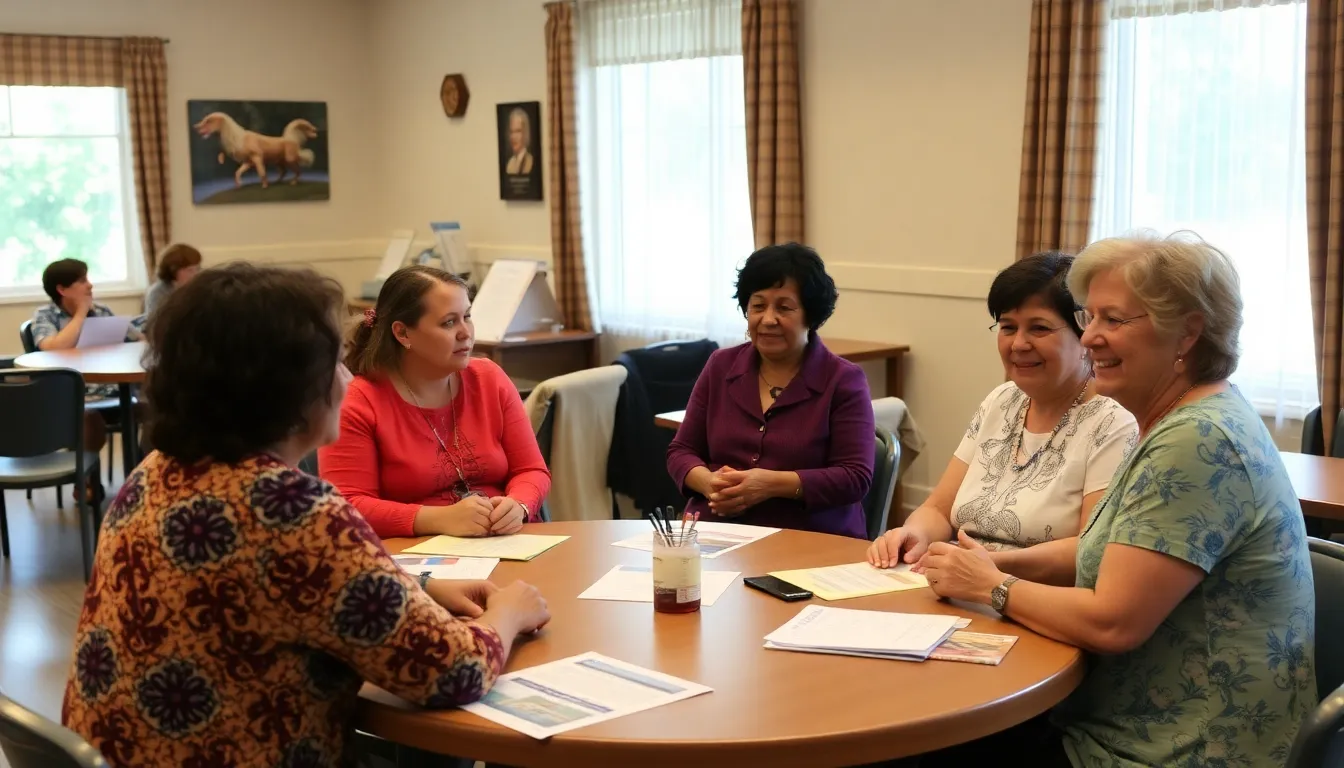
The feminist movement of the late 1960s and early 1970s played a crucial role in shaping the context in which ‘Our Bodies, Ourselves’ was born, highlighting issues such as reproductive rights, access to healthcare, and the need for comprehensive sex education.
In the years following its publication, ‘Our Bodies, Ourselves’ became a vital resource for women across the globe. It was translated into numerous languages and adapted to address the unique health challenges faced by women in various cultural contexts. The book not only educated women about their bodies but also fostered a sense of community and solidarity among readers, who found comfort in shared experiences and struggles. This collective empowerment was instrumental in the fight for reproductive rights and healthcare reform.
Key milestones in women’s health advocacy
Throughout the decades, several key milestones have marked the progress of women’s health advocacy, many of which were influenced by the ideas presented in ‘Our Bodies, Ourselves.’ The legalization of birth control in the 1960s, the landmark Roe v. Wade Supreme Court decision in 1973, and the establishment of organizations like the National Women’s Health Network in 1975 all contributed to a growing awareness of women’s health issues. These events underscored the importance of accessible, accurate information and the need for women to have a voice in their healthcare decisions.
As Paula Doress-Worters and her fellow contributors to ‘Our Bodies, Ourselves’ paved the way for future generations, their work continues to resonate in contemporary discussions about women’s health. The ongoing debates surrounding reproductive rights, gender equality in healthcare, and the importance of inclusive medical research reflect the lasting impact of this seminal work and the movement it represented.
Exploring the impact of Doress-Worters’ work on feminist movements
Paula Doress-Worters, as a co-author of the seminal work ‘Our Bodies, Ourselves,’ played a crucial role in shaping the discourse surrounding women’s health and rights. Her contributions not only impacted individual women’s experiences but also influenced broader feminist movements. Key stakeholders in this narrative include feminist organizations, healthcare providers, and educational institutions, all of which have vested interests in the evolution of women’s health advocacy.
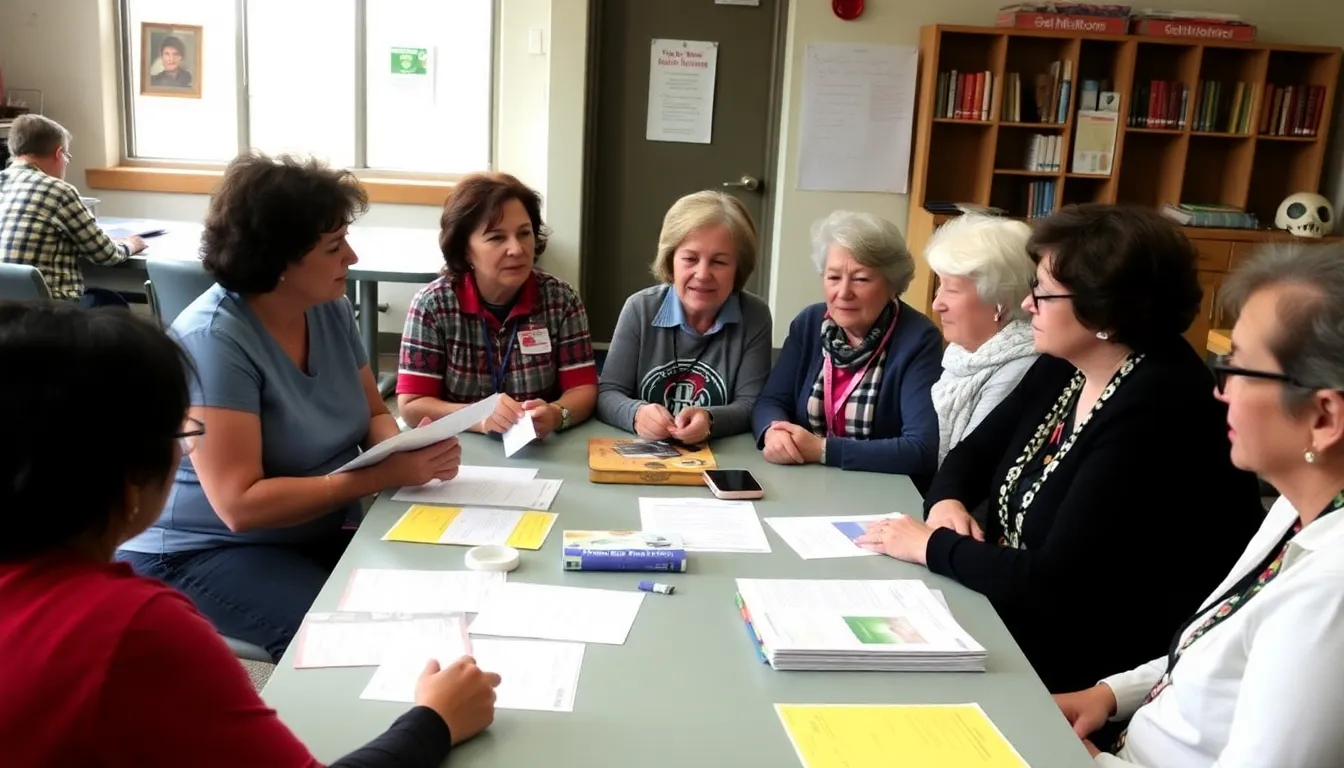
Feminist organizations, such as the National Organization for Women (NOW), have been significantly influenced by the insights and information provided in ‘Our Bodies, Ourselves,’ which has served as a foundational text that supports their advocacy efforts for reproductive rights.
On the other hand, healthcare providers face the challenge of integrating the information from ‘Our Bodies, Ourselves’ into their practices. This can lead to conflicts when medical professionals’ traditional approaches clash with the empowerment-focused narratives advocated by feminist movements. For instance, the emphasis on self-advocacy and informed consent in the text may sometimes contradict established medical protocols, leading to tensions between patient autonomy and medical authority.
Additionally, educational institutions have a stake in how women’s health is taught and discussed. The inclusion of feminist literature in medical and health education curricula can provoke debates about the appropriateness of such texts in academic settings. This raises key legal and ethical issues regarding the freedom to teach diverse perspectives versus maintaining a standardized medical education.
- Empowerment through knowledge: Doress-Worters’ work encourages women to take charge of their health decisions.
- Healthcare disparities: The text highlights ongoing inequalities in access to healthcare for women, prompting advocacy for systemic change.
- Interdisciplinary dialogue: The book fosters conversations between feminists and healthcare professionals, although tensions may arise.
- Legal implications: The impact of women’s health advocacy on legislation related to reproductive rights and healthcare access remains a contentious issue.
How her death affects the ongoing conversation about women’s health
The passing of Paula Doress-Worters, a pivotal figure in the women’s health movement, resonates deeply across various demographics and industries. Her work on ‘Our Bodies, Ourselves’ has influenced generations, empowering women with knowledge about their bodies and health. As a result, her death marks a significant moment for advocates, healthcare providers, and educators alike, all of whom have drawn inspiration from her contributions.
In the short term, there may be a heightened sense of urgency among women’s health organizations to continue her legacy. This could lead to increased funding and support for initiatives aimed at educating women about their health rights and options. Furthermore, the media may amplify discussions surrounding women’s health issues, leading to greater public awareness and engagement.
In the mid-term, the impact on policy could be notable. Policymakers may feel compelled to revisit health regulations and educational programs, particularly those focused on reproductive rights and access to healthcare. This could create both risks and opportunities; while there may be resistance from conservative groups, progressive advocates might find new avenues to push for reforms that align with Doress-Worters’ vision.
- Healthcare Providers: Increased demand for women’s health services and education.
- Advocacy Groups: Opportunities to mobilize and expand outreach efforts.
- Policy Makers: Potential for new legislation focusing on women’s health issues.
Overall, while her death is a profound loss, it also serves as a rallying point for continued advocacy and education in women’s health, ensuring that her legacy endures through ongoing discussions and actions in the community.
A: Paula Doress-Worters was known for co-authoring ‘Our Bodies, Ourselves’, a pioneering book that addressed women’s health issues and empowered women to take control of their bodies. A: The book played a crucial role in the feminist movement by providing women with information about their bodies, reproductive rights, and health care, fostering a sense of autonomy and empowerment. A: Doress-Worters’ work has had a lasting impact on modern feminism, shaping discussions around women’s health and rights, and inspiring generations of activists and writers. A: Key themes include reproductive health, sexual health, body image, and the importance of women’s voices in health care and education. A: Her legacy is being honored through continued discussions about women’s health, educational initiatives, and the ongoing relevance of ‘Our Bodies, Ourselves’ in contemporary society.
Frequently Asked Questions about Paula Doress-Worters
Reflecting on the legacy of Paula Doress-Worters and future implications
Paula Doress-Worters’ contributions to women’s health and empowerment through ‘Our Bodies, Ourselves’ have left an indelible mark on society. Her work not only educated generations of women about their bodies but also catalyzed a broader conversation about reproductive rights and gender equality. As we mourn her passing, it is essential to recognize the ongoing relevance of her advocacy in today’s context, where women’s health issues continue to be at the forefront of public discourse.
The future of women’s health advocacy will likely be shaped by the principles Doress-Worters championed. As we face new challenges in healthcare access and women’s rights, her legacy serves as a guiding light for activists and policymakers alike. The importance of informed consent, comprehensive education, and community support remains vital, ensuring that the fight for women’s autonomy over their bodies continues.
- Advocacy for Women’s Health: The need for continued advocacy in women’s health issues is paramount, emphasizing the importance of education and awareness.
- Empowerment through Knowledge: Encouraging women to seek information and understanding about their bodies can lead to better health outcomes and personal autonomy.
- Community Support Networks: Building and maintaining strong community networks can enhance support for women’s health initiatives and foster a sense of belonging.
- Policy Engagement: Engaging with policymakers to ensure that women’s health rights are protected and expanded is crucial in the current political climate.
- Intergenerational Dialogue: Promoting conversations between generations about women’s health can bridge gaps in knowledge and keep the legacy of advocacy alive.