
Ju-ae’s visibility has been interpreted as a signal of her father’s intent to groom her for leadership. Analysts suggest that the regime may be positioning her as a symbolic figure, especially given her youth and the ongoing uncertainty surrounding Kim Jong-un’s health and the stability of his regime. This situation is reminiscent of other countries where leadership transitions have sparked global interest, similar to the recent changes seen in C.D.C. leadership.
The speculation is intensified by the historical context of dynastic leadership in North Korea, where power has traditionally been passed down within the Kim family. As the youngest child of Kim Jong-un, Ju-ae represents a continuation of this legacy, and her potential ascendance could influence both domestic policies and international relations.
Furthermore, the geopolitical implications of a young leader in North Korea are significant. Observers are closely monitoring how Ju-ae’s potential leadership might affect the country’s nuclear ambitions and its relationship with the United States and South Korea, especially amid ongoing tensions in the region.
The historical context of leadership in North Korea
North Korea has a unique political landscape characterized by a dynastic leadership structure that began with Kim Il-sung, the country’s founding leader. After the Korean War, which ended in 1953, Kim Il-sung established a strong personality cult and centralized power, positioning himself as the supreme leader. This set a precedent for hereditary succession in a nation where loyalty to the leader is paramount, intertwining the Kim family’s legacy with the state’s identity.
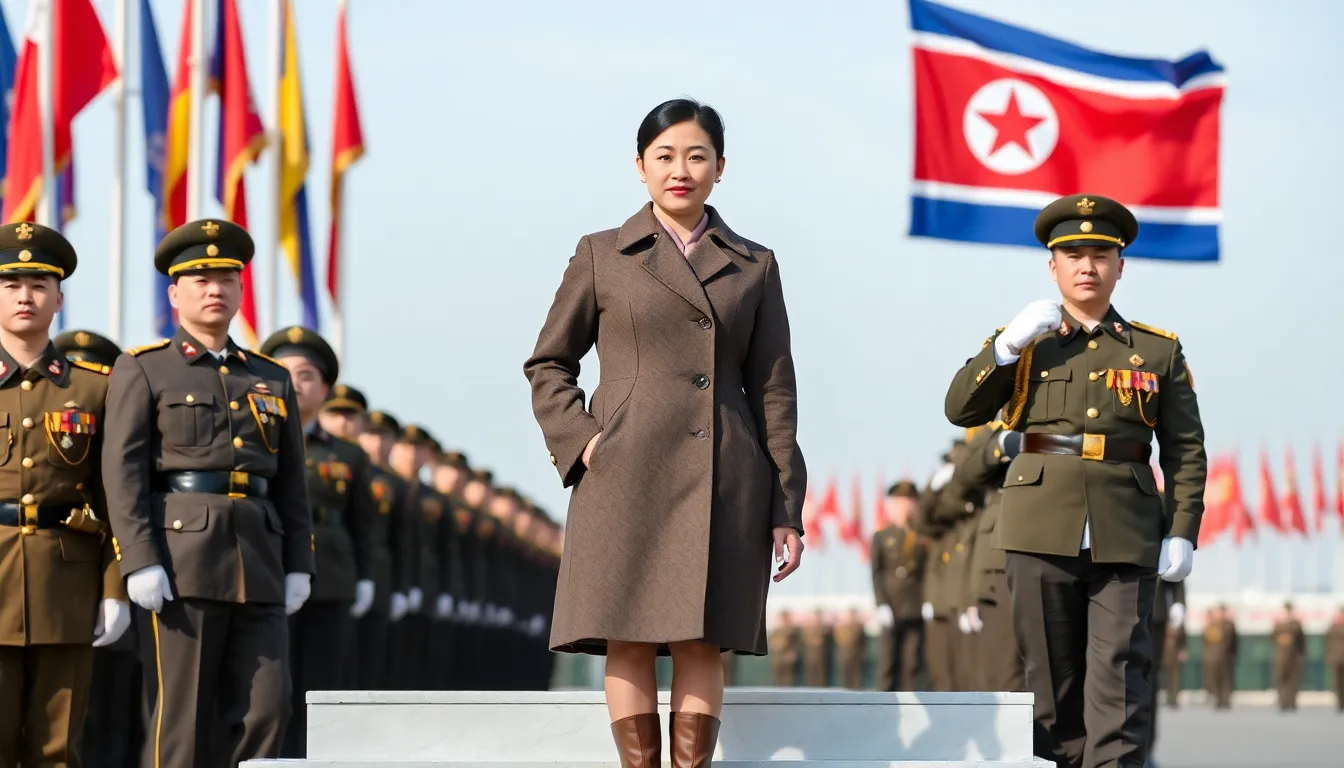
Following Kim Il-sung’s death in 1994, his son, Kim Jong-il, assumed leadership, continuing the practice of dynastic rule. Under Kim Jong-il, North Korea faced significant economic challenges, including famine and isolation from the international community. Despite these challenges, he maintained strict control over the military and the political apparatus, further entrenching the family’s grip on power. His reign also marked the beginning of the country’s nuclear ambitions, which would become a central issue in international relations.
The rise of Kim Jong-un
In 2011, Kim Jong-il passed away, and his youngest son, Kim Jong-un, took over at the age of 27. Initially perceived as a puppet leader due to his youth and inexperience, Kim Jong-un quickly consolidated power through purges of high-ranking officials and aggressive military posturing. His leadership style has been marked by a mix of modernity and traditionalism, appealing to both the military and the younger generation while continuing the legacy of his grandfather and father.
As Kim Jong-un’s regime matures, there has been increasing speculation about the role of his daughter, Kim Ju-ae. Observers have noted her public appearances alongside her father, suggesting a potential grooming for future leadership. This speculation is not without precedent; it reflects the historical pattern of the Kim family preparing successors from a young age, as seen with both Kim Jong-il and Kim Il-sung.
Understanding the historical context of leadership in North Korea is crucial to grasping the potential implications of Kim Ju-ae’s emergence as a figure in the political sphere. The dynastic nature of leadership in North Korea, combined with the country’s ongoing economic struggles and international isolation, creates a complex backdrop that may influence her future role in the regime.
Key stakeholders and implications of a young leader
The potential rise of Kim Jong-un’s daughter, Kim Ju-ae, as a future leader of North Korea brings several key stakeholders into focus. These include the Kim family, the ruling Workers’ Party of Korea, the military, and international actors such as South Korea, the United States, and China. Each of these stakeholders has distinct interests that could shape the political landscape in the region.
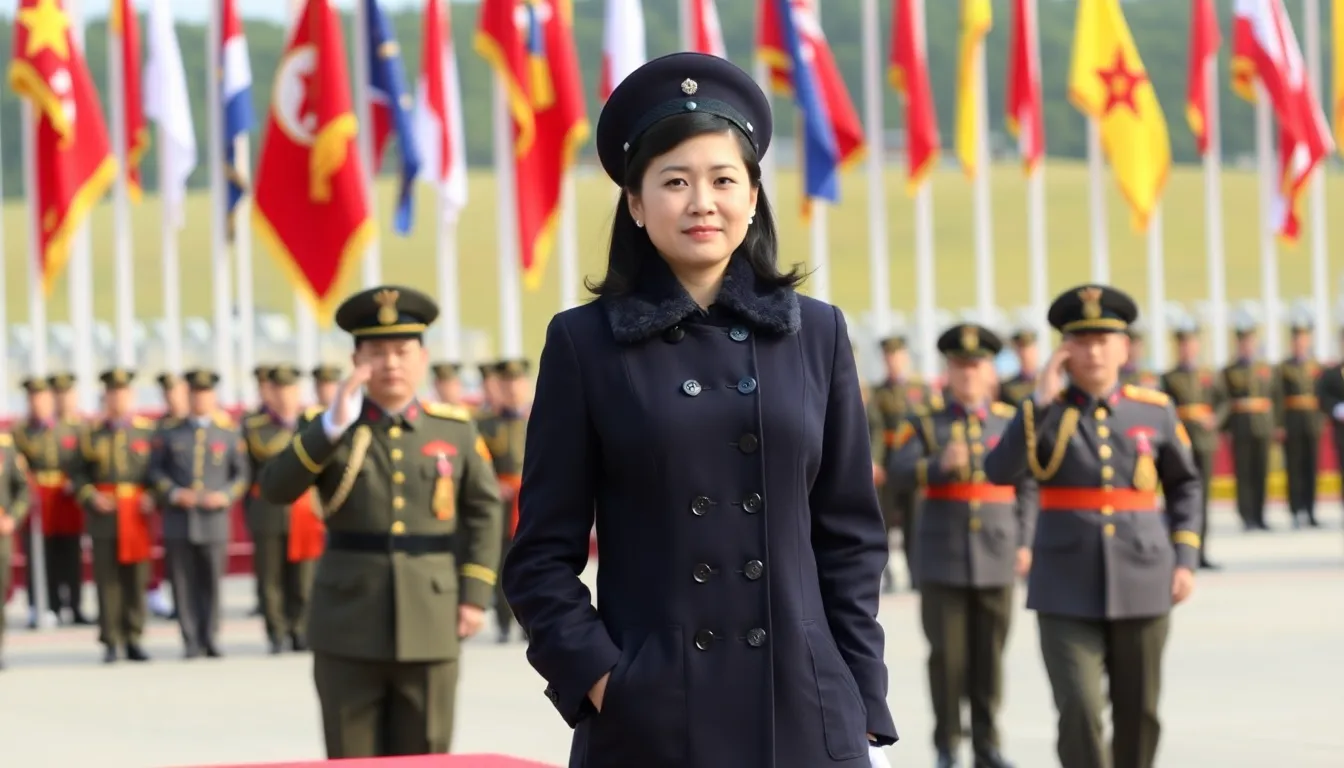
The Kim family, particularly Kim Jong-un, has a vested interest in ensuring a smooth transition of power to maintain the regime’s stability. This includes grooming Kim Ju-ae to take on leadership responsibilities, which may involve consolidating power within the family to prevent potential rivalries. The Workers’ Party of Korea, which has historically supported the Kim dynasty, may either bolster or challenge her ascension depending on internal dynamics and the party’s alignment with military interests.
The military is another crucial player, as it traditionally holds significant influence in North Korean politics. Should Kim Ju-ae ascend to leadership, the military’s support will be essential for her legitimacy. However, there may be concerns about her age and experience, leading to potential conflicts between military leaders and the young leader’s supporters.
- Succession stability: A young leader may struggle to gain respect and authority, impacting regime stability.
- International relations: Kim Ju-ae’s leadership could alter North Korea’s diplomatic stance, especially with the U.S. and South Korea.
- Economic implications: The regime’s focus on military development may hinder economic reforms necessary for growth.
- Internal power struggles: Rival factions within the party and military could emerge, complicating governance.
- Public perception: The North Korean populace may react differently to a female leader, affecting her legitimacy.
Internationally, the response to a young leader in North Korea could vary significantly. Countries like the United States and South Korea may approach diplomatic relations with caution, assessing whether her leadership would lead to a continuation of the regime’s aggressive policies or open avenues for negotiation. Meanwhile, China, as North Korea’s closest ally, may seek to stabilize the region by supporting the regime while also promoting economic engagement.
Potential impact on North Korean society and international relations
The potential rise of Kim Jong-un’s daughter as a leader could significantly affect various groups within North Korea and beyond. The political elite, military officials, and ordinary citizens may all experience changes in their daily lives and future prospects. Additionally, international stakeholders, including neighboring countries and global powers, will need to reassess their diplomatic strategies in light of a new leadership dynamic.
In the short term, the immediate impact may manifest in shifts in policy and governance styles. If Kim’s daughter adopts a more progressive approach, it could lead to a relaxation of strict regulations, potentially improving the quality of life for citizens. Conversely, a continuation of her father’s hardline stance may exacerbate existing tensions and lead to increased repression, particularly affecting dissidents and those advocating for reform.
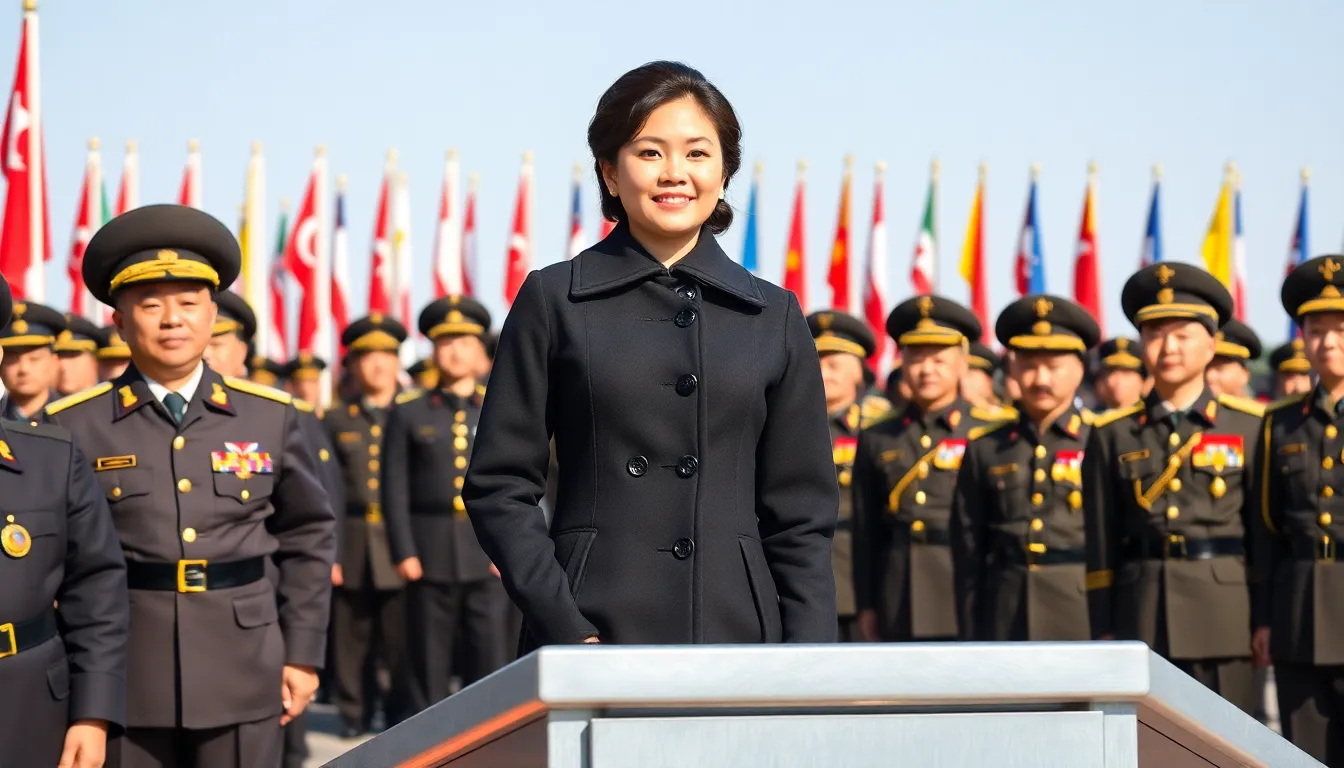
In the mid-term, various industries may experience fluctuations based on the new leadership’s priorities. For instance, the agricultural sector could see changes in resource allocation, impacting food security. The military-industrial complex might also react to the new leadership, either consolidating power or facing challenges from a younger, potentially more reformist leader.
- Risks: Increased political repression and isolation from the international community.
- Opportunities: Potential for economic reforms and improved international relations if a more open policy is adopted.
- Impact on daily life: Changes in consumer goods availability and employment opportunities based on shifting priorities.
Furthermore, the international community may need to navigate a delicate balance between engagement and pressure. Countries like South Korea and the United States will be particularly affected, as they strategize their responses to a potential new leadership that could either escalate tensions or open avenues for dialogue and cooperation.
A: Kim’s daughter, believed to be named Ju-ae, is the only known child of Kim Jong-un. She has been seen in public with her father, suggesting a potential grooming for future leadership. A: While it is uncertain, analysts suggest that her public appearances indicate a possible preparation for a leadership role, but the political landscape remains complex. A: North Korea has a history of dynastic succession, typically favoring family members. This could influence the likelihood of Kim’s daughter assuming power. A: As a young leader, she would face significant challenges including internal party dynamics, international scrutiny, and the need to maintain stability. A: The international community is cautious, as her rise could either stabilize or further complicate relations with other nations, depending on her policies.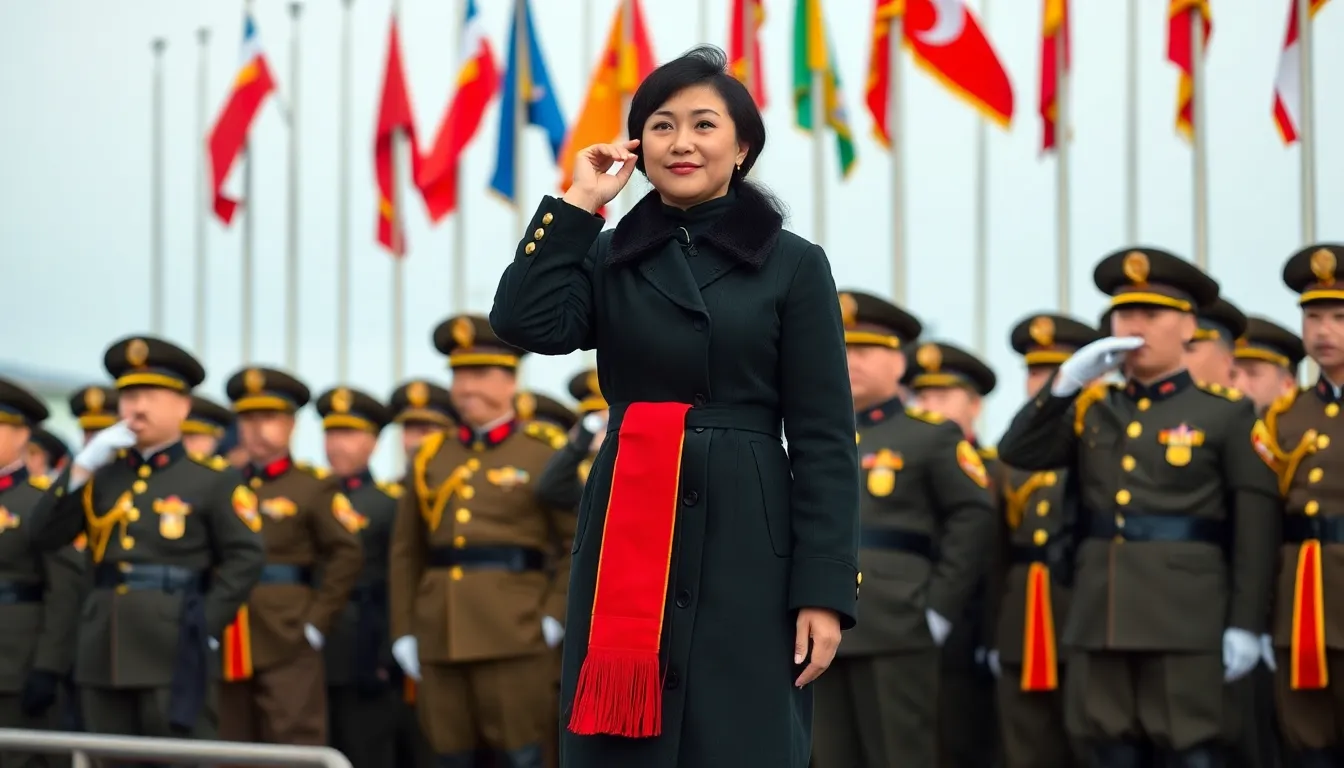
Frequently asked questions about Kim’s daughter and leadership
Insights on the future of North Korean leadership
The potential rise of Kim Jong-un’s daughter as a future leader of North Korea raises significant questions about the country’s political landscape. As she steps into the public eye, her actions and the regime’s response will be critical indicators of the direction North Korea may take. Observers should consider how her upbringing and the current geopolitical climate might influence her leadership style and policy decisions.
Furthermore, the dynamics within the ruling elite and the military’s role in supporting a young leader will be crucial in shaping her authority. The international community must remain vigilant as developments unfold, particularly regarding North Korea’s nuclear ambitions and its relationships with neighboring countries.
- Monitor Kim’s public appearances and statements for insights into her political stance and potential leadership style.
- Watch for shifts in the North Korean military’s support, as their backing will be vital for her legitimacy.
- Consider the implications of her leadership on North Korea’s foreign policy, especially regarding relations with South Korea and the U.S.
- Evaluate the internal power dynamics within the ruling party, which could significantly impact her rise to power.
- Stay alert to any changes in the regime’s approach to economic reforms and international negotiations under her potential leadership.