
In recent years, rising temperatures in Antarctica have led to significant changes in the penguins’ habitat. The loss of sea ice, which is vital for their feeding and breeding, complicates the moult process. As the penguins struggle to find food, their energy reserves dwindle, making it more difficult for them to complete the moult successfully. For more details on this issue, see the article on scientists expressing concern over Emperor penguins and their annual moult.
Furthermore, the increased frequency of extreme weather events, such as storms and unseasonable heatwaves, poses additional threats. These conditions can lead to higher mortality rates among chicks and adults alike, as they become more vulnerable to predation and starvation. Scientists have observed that these challenges are not only affecting individual penguins but also the overall population dynamics of Emperor penguins.
As of October 2023, researchers are calling for urgent action to address climate change and its impact on Antarctic ecosystems. The plight of the Emperor penguin serves as a critical indicator of the health of the Southern Ocean and the broader implications of global warming. Understanding and mitigating these challenges is essential for ensuring the future of this species and the ecological balance of their habitat.
Understanding the significance of the moult in Emperor penguins’ life cycle
The annual moult of Emperor penguins is a critical event in their life cycle, marking a period of transformation that affects their survival and reproductive success. During this time, penguins shed their old feathers to make way for a new, waterproof plumage that is essential for enduring the harsh Antarctic climate. This moult typically occurs after the breeding season, when adult penguins have already invested significant energy in raising their chicks. Understanding this process is vital, as highlighted in related discussions about the challenges faced by these iconic birds.
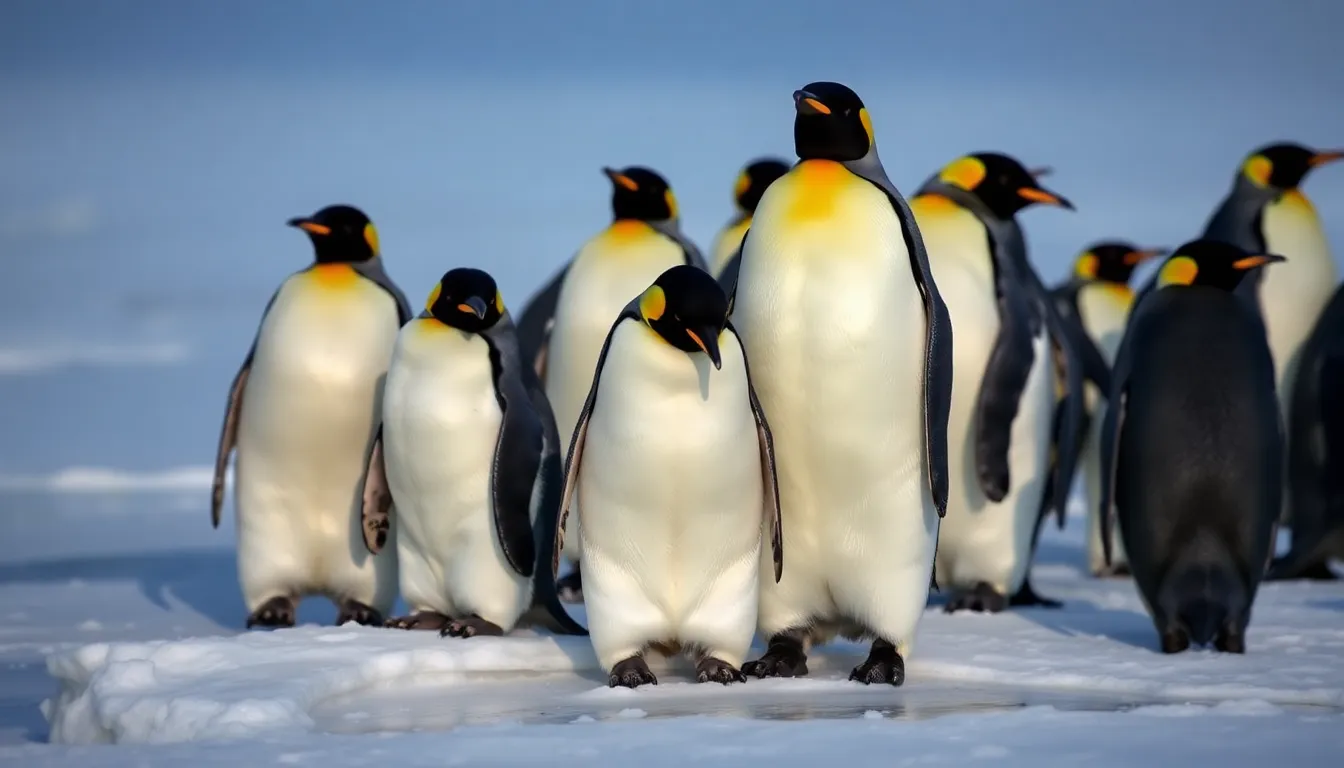
Historically, the moult has been a natural and essential process for Emperor penguins, allowing them to maintain their health and insulation against the frigid temperatures of their environment. However, recent scientific studies have raised concerns about the implications of climate change on this crucial period. As temperatures rise and sea ice diminishes, the timing and conditions of the moult may be altered, potentially leading to higher mortality rates among these iconic birds.
The impact of climate change on moult timing
Research has shown that the timing of the moult is closely linked to environmental factors, including the availability of food and the stability of ice platforms. As the climate continues to warm, the traditional patterns that Emperor penguins rely on are disrupted. This has led to a mismatch between the moult period and the availability of resources, which can leave penguins vulnerable during a time when they are at their weakest.
In addition to environmental changes, political and economic factors also play a role in the challenges facing Emperor penguins. International agreements aimed at protecting Antarctic ecosystems are often slow to implement, and the pressure from fishing industries can further complicate the delicate balance of the marine environment that supports these penguins. As scientists and conservationists work to raise awareness about the plight of Emperor penguins, the urgency to address these interconnected issues has never been greater.
Key milestones in the study of Emperor penguins and their moult have highlighted the need for immediate action. For instance, the establishment of marine protected areas and stricter fishing regulations could provide a buffer against the impacts of climate change. However, without a concerted global effort to mitigate climate change and protect their habitats, the future of Emperor penguins remains uncertain.
Key stakeholders and the implications of the moult on penguin populations
The annual moult of Emperor penguins is a critical period that has drawn the attention of various stakeholders, including scientists, conservation organizations, governments, and local communities. Each of these actors has distinct interests and concerns regarding the health of penguin populations and the broader implications for the Antarctic ecosystem.
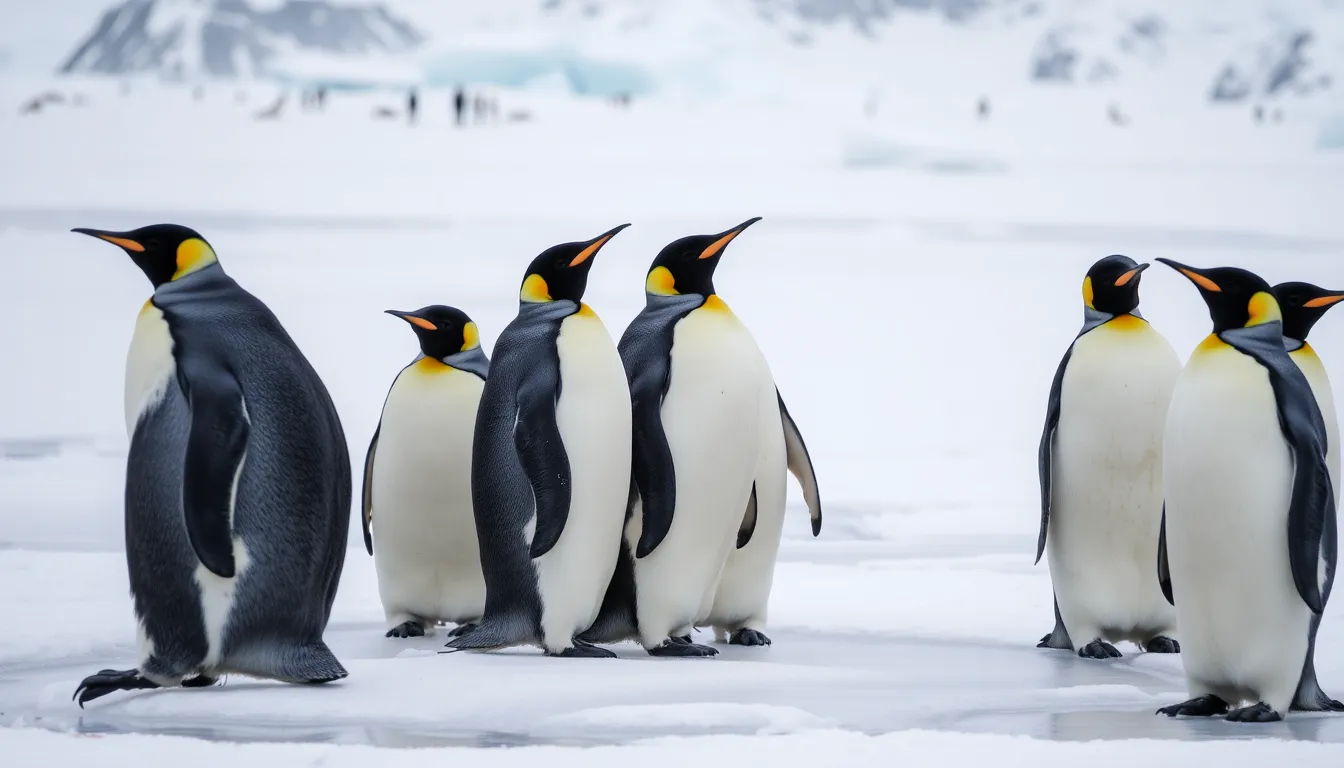
Scientists are primarily focused on understanding the biological and ecological impacts of the moult. Their research aims to assess how changes in climate and environmental conditions affect the timing and success of the moult, which is essential for the survival of the species. Increased mortality rates during this period raise alarms about the long-term viability of Emperor penguin populations.
Conservation organizations are deeply invested in protecting the Emperor penguin and its habitat. They advocate for policies that mitigate climate change and promote sustainable practices in the Antarctic region. The potential decline of the penguin population could have cascading effects on the ecosystem, prompting these organizations to push for more robust environmental protections.
Governments, particularly those with territorial claims in Antarctica, face the challenge of balancing environmental conservation with economic interests, such as fishing and tourism. Legal frameworks like the Antarctic Treaty System play a crucial role in regulating human activities in the region, but enforcement can be inconsistent. Conflicts may arise when economic pursuits threaten the delicate balance of the ecosystem.
- Scientific Research: Understanding the impact of climate change on moult timing and success.
- Conservation Efforts: Advocating for policies that protect penguin habitats and mitigate climate change.
- Economic Interests: Balancing fishing and tourism with environmental protection in Antarctic governance.
- Legal Frameworks: The effectiveness of international treaties in safeguarding penguin populations.
- Community Engagement: Local communities’ role in conservation and the sustainable use of resources.
The potential consequences for ecosystems and climate change
The annual moult of Emperor penguins is a critical period that not only affects the penguins themselves but also has broader implications for various groups and industries. The decline in their populations can impact local communities in Antarctica, particularly those that rely on eco-tourism and research initiatives. As the penguins struggle to adapt, these communities may face economic challenges.
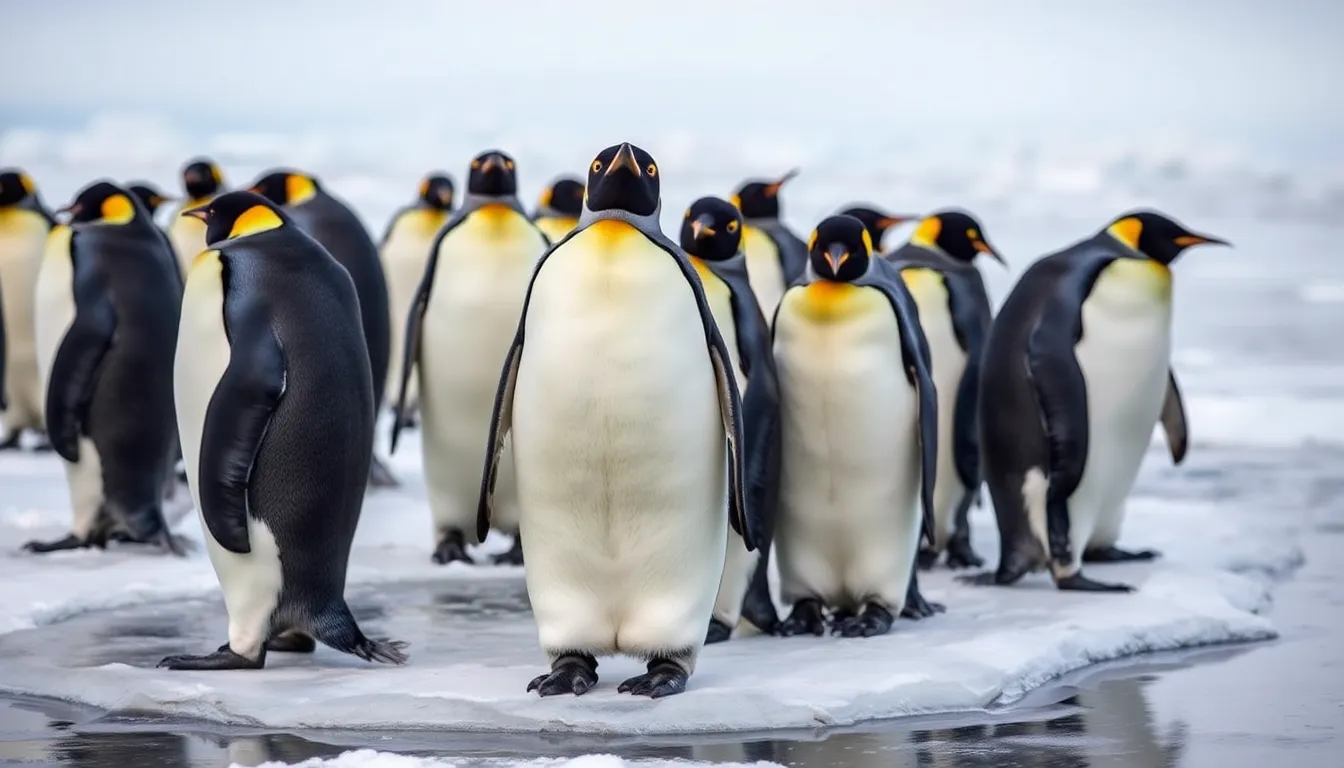
In the short term, businesses that depend on wildlife tourism may see a decrease in visitors, as the iconic Emperor penguins become less accessible or visible. This can lead to reduced revenue for local tour operators, hotels, and related services. Additionally, researchers studying climate change and marine ecosystems may find it increasingly difficult to gather data, affecting ongoing and future studies.
Mid-term impacts could extend to policy-making, as the decline of Emperor penguins may prompt governments and organizations to reassess conservation strategies. This could lead to stricter regulations on fishing and shipping in key habitats, affecting industries that operate in these regions. There is also the potential for increased funding and support for conservation efforts, which may create job opportunities in environmental management and research.
- Economic challenges for local communities reliant on eco-tourism
- Reduced access to research data on climate change
- Potential for stricter environmental regulations impacting industries
- Opportunities for job creation in conservation and research
Furthermore, the plight of Emperor penguins can serve as a rallying point for environmental advocacy, raising awareness about the impacts of climate change on biodiversity. This increased public interest may lead to more investments in sustainable practices and technologies, benefiting both the environment and the economy in the long run.
A: The annual moult is crucial as it allows penguins to shed old feathers and grow new ones, which are essential for insulation and waterproofing. If this process is disrupted, it can affect their survival. A: Climate change can alter the timing and conditions of the moult, leading to increased stress on the penguins. Warmer temperatures may also affect their food supply, further complicating the moult process. A: Signs of distress include weight loss, lethargy, and increased vulnerability to predators. These symptoms indicate that the penguins are struggling to cope during this critical period. A: Yes, various conservation initiatives aim to protect their habitats and monitor their populations. These efforts are vital to ensure the survival of Emperor penguins in a changing climate.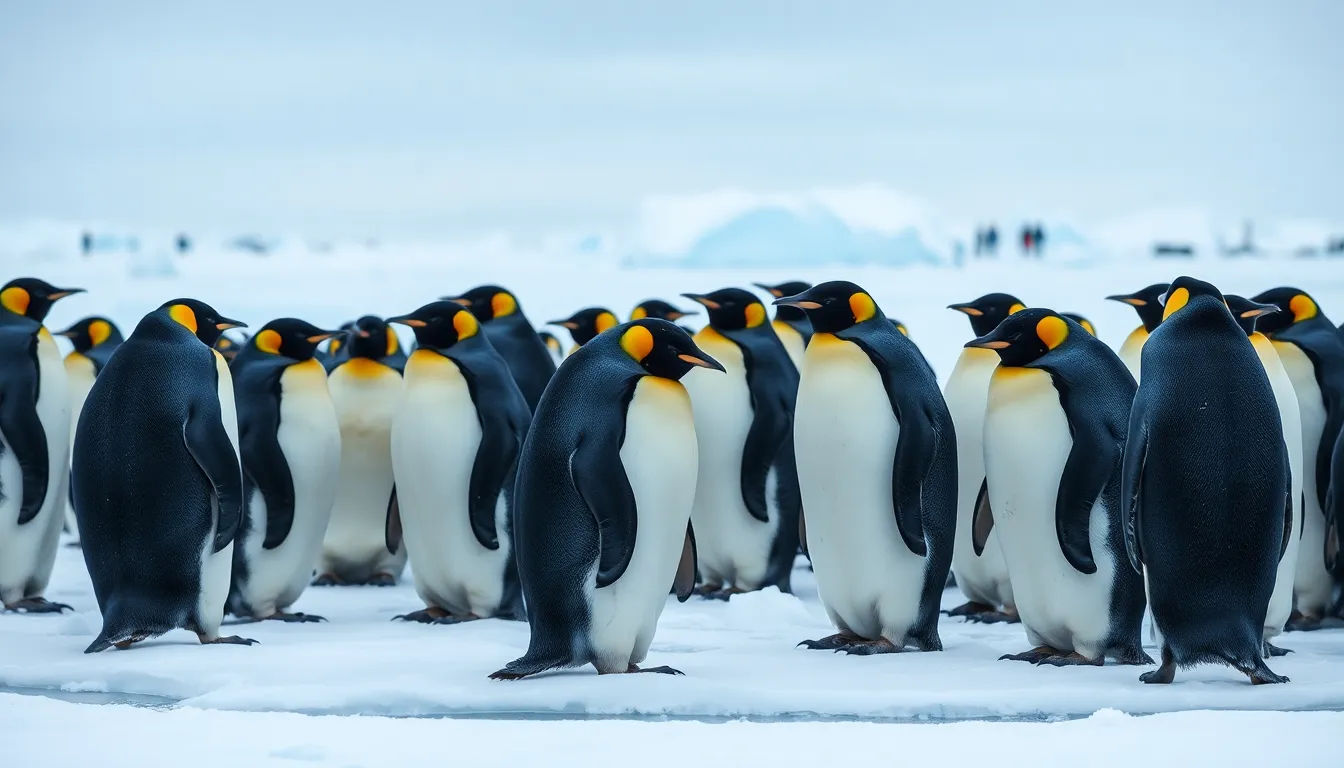
Frequently asked questions about Emperor penguins and their moult
Looking ahead: the future of Emperor penguins and conservation efforts
The ongoing challenges faced by Emperor penguins during their annual moult highlight the urgent need for targeted conservation strategies. As climate change continues to impact their habitat, understanding the intricate relationship between environmental conditions and the health of these iconic birds becomes increasingly critical. The potential for a decline in their population underscores the importance of proactive measures in protecting their breeding grounds and ensuring the sustainability of their ecosystem.
Future conservation efforts must focus on monitoring the health of Emperor penguins during the moult period, as well as addressing broader environmental issues that threaten their survival. Collaboration between scientists, conservation organizations, and policymakers will be essential in creating effective strategies to mitigate the risks posed by changing climates and habitat degradation.
- Enhanced monitoring of Emperor penguin populations during the moult season to assess health impacts.
- Development of conservation policies that prioritize the protection of breeding grounds against climate change.
- Increased public awareness and engagement in conservation efforts to support Emperor penguin habitats.
- Collaboration across international borders to share research and best practices for penguin conservation.
- Investment in climate resilience projects that aim to stabilize the habitats of Emperor penguins.