
He stated that he would be willing to forgo a potential $18 million payout if it meant preserving the integrity and unity of NewJeans.
The group’s management has faced pressure regarding the longevity and potential changes to the lineup, raising concerns among fans and industry insiders alike.
This situation highlights the ongoing challenges within the K-pop industry, where group dynamics and member changes can significantly impact a group’s success. The former executive’s comments have sparked a broader conversation about the treatment of artists and the importance of their creative autonomy.
Understanding the dynamics of K-pop group management
The K-pop industry has evolved significantly over the past few decades, transforming from a niche genre in South Korea to a global phenomenon. Central to this transformation is the management of idol groups, which has often involved intricate contracts and intense competition among entertainment companies. These companies not only scout talent but also invest heavily in training, marketing, and producing music, creating a complex ecosystem where the stakes are incredibly high.
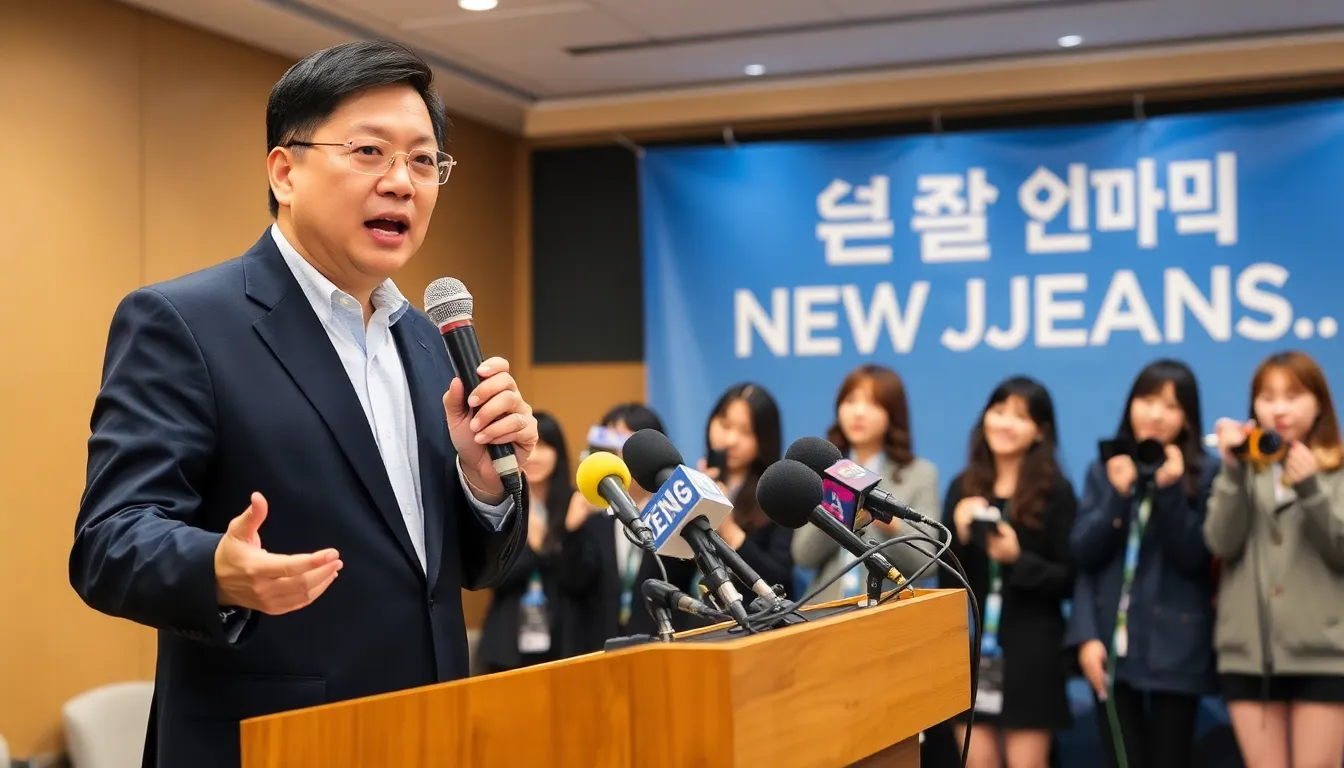
Their success has highlighted the challenges faced by management companies in balancing artistic integrity with commercial viability, particularly in the context of K-pop management.
The recent statement from a former K-pop executive regarding a potential $18 million payout in exchange for not breaking up NewJeans illustrates the high financial stakes involved in the industry. This situation is reminiscent of past controversies where financial incentives have influenced the decisions of management companies. The potential for conflict between artistic direction and financial interests raises questions about the long-term sustainability of K-pop groups.
The Evolution of K-pop Contracts
Historically, K-pop contracts have been criticized for their rigidity and the power dynamics they create between idols and their management companies. Many artists have reported feeling trapped by long-term contracts that limit their creative freedom and personal choices. This has led to high-profile legal battles and discussions about reforming industry practices, as artists seek more equitable terms that allow them to thrive both creatively and financially.
Key stakeholders and issues surrounding NewJeans
The recent comments from a former K-pop executive regarding the potential breakup of the popular girl group NewJeans have sparked significant debate among fans, industry insiders, and stakeholders. The main actors in this situation include the members of NewJeans, their management company ADOR, the former executive, and the broader K-pop industry.
NewJeans, a rookie group that has quickly gained international acclaim, has a vested interest in maintaining their current lineup to preserve their brand identity and fan loyalty. The members, who have cultivated a unique image and sound, may face challenges if forced to disband or alter their group dynamics.
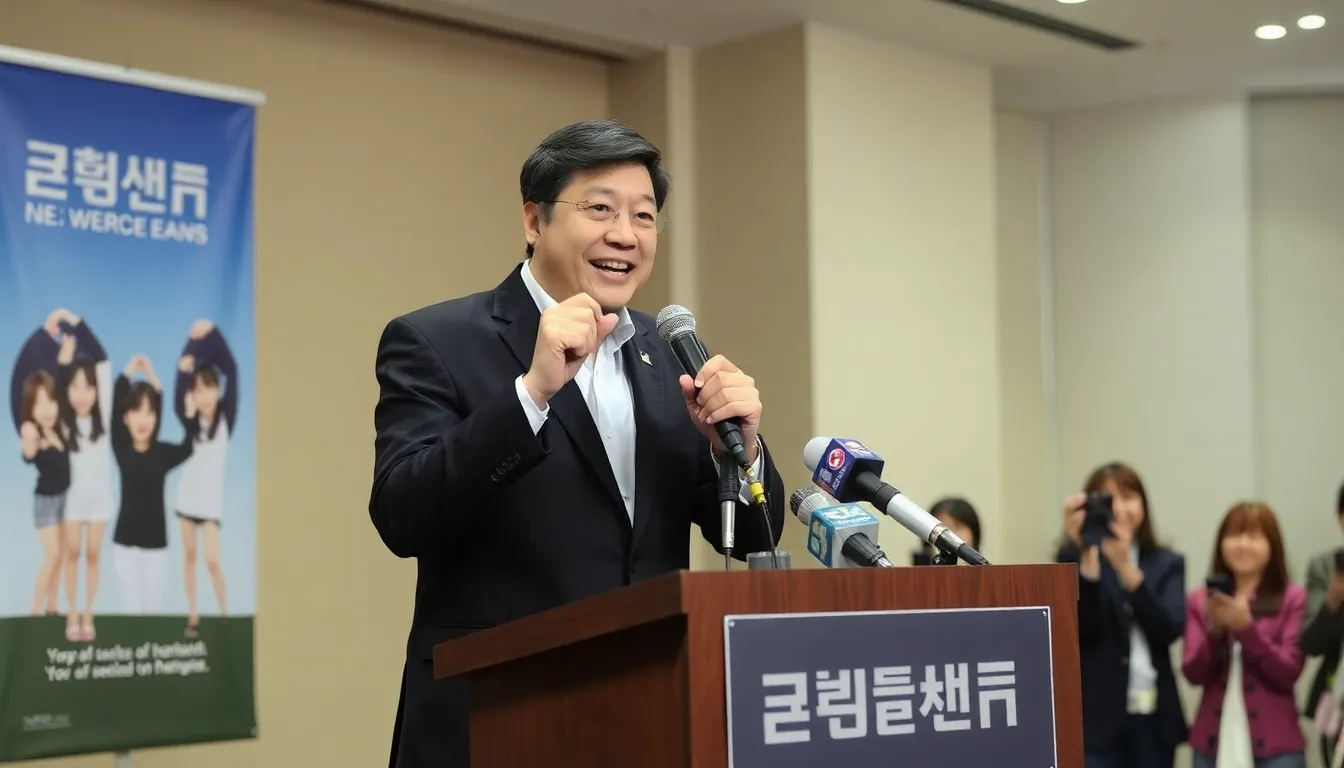
ADOR, as the management company, is focused on maximizing the group’s commercial success while navigating the complexities of contracts and artist relationships. The former K-pop executive’s threat to forgo an $18 million payout underscores the financial stakes involved, revealing how monetary interests can intersect with artistic integrity.
- Financial Implications: The potential loss of a significant payout could impact not just the former executive but also the financial health of ADOR and its ability to invest in future projects.
- Fan Reactions: The loyalty of NewJeans’ fanbase is crucial; any decision to break up the group could lead to backlash and a decline in support.
- Legal Considerations: Contractual obligations and rights of the artists may come into play, raising questions about the legality of breaking up the group against their will.
- Industry Standards: The situation could set a precedent for how K-pop groups are managed and how their contracts are structured in the future.
As this situation unfolds, it highlights the delicate balance between artistic expression and commercial viability in the K-pop industry, where the interests of various stakeholders often clash.
Potential effects on fans and the K-pop market
The ongoing debate surrounding the future of NewJeans and their management has significant implications for various stakeholders in the K-pop industry. Fans, artists, management companies, and even the broader entertainment market could experience both immediate and long-lasting effects as this situation unfolds.
Fans of NewJeans are at the forefront of this issue. Their loyalty and emotional investment in the group mean that any disruption could lead to disappointment and unrest within the fandom. The potential breakup of the group might trigger a wave of protests or calls for boycotts, which could affect merchandise sales and concert attendance in the short term.
From a business perspective, music labels and entertainment companies are also impacted. The K-pop industry thrives on group dynamics; a breakup could lead to financial losses not only for the group but also for associated brands and sponsors. In the mid-term, companies may need to reassess their strategies, potentially leading to a shift in how they manage idol groups and their contracts.
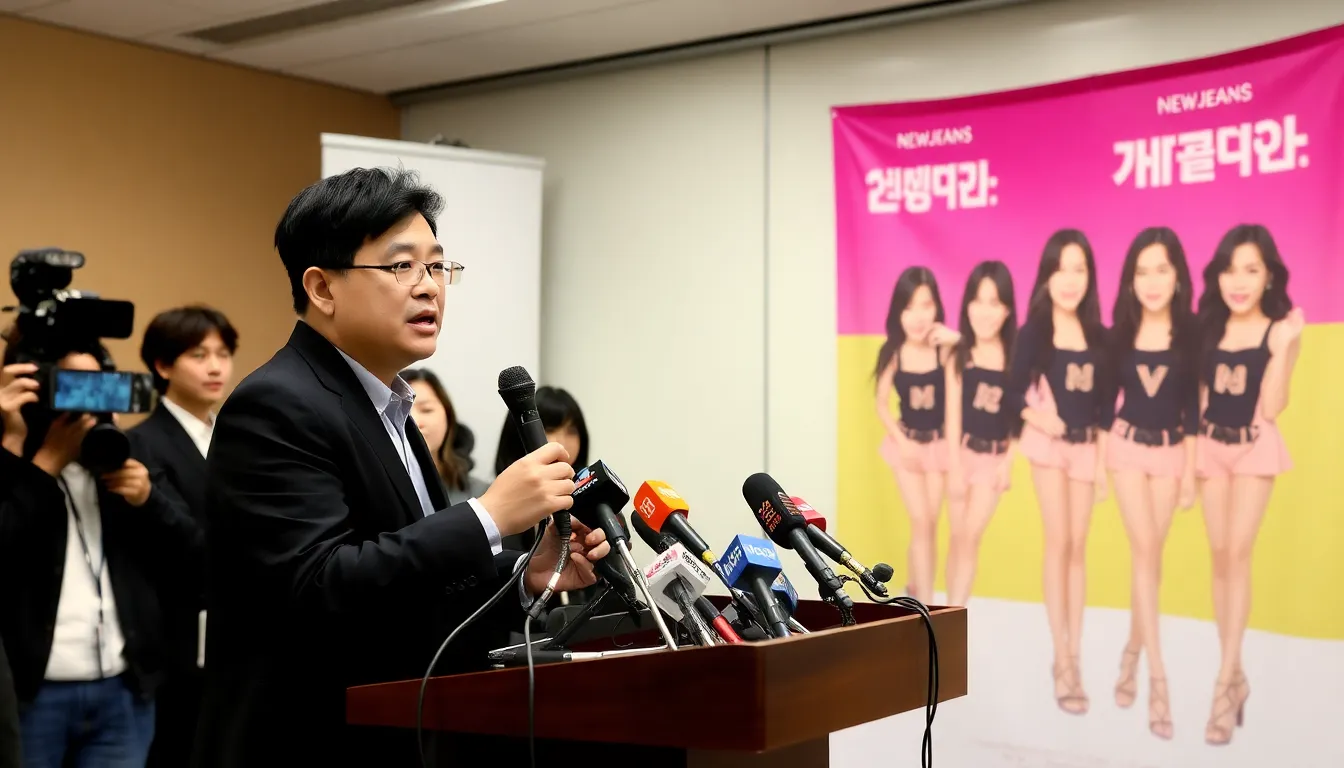
- Short-term risks: Decreased fan engagement and potential financial losses for merchandise and events.
- Mid-term opportunities: New groups or solo careers may emerge, diversifying the market.
- Policy changes: Increased scrutiny on management practices and contracts may lead to reforms in the industry.
Regions heavily invested in K-pop, such as South Korea and parts of Southeast Asia, may also feel the ripple effects. The cultural significance of K-pop in these areas means that any changes could influence local economies, tourism, and even national pride. As fans rally for their idols, the movement could foster a renewed sense of community but also risk polarization among differing fanbases.
A: The ex-K-pop boss believes that the integrity and unity of NewJeans are more important than financial gain, reflecting his commitment to the group’s success. A: A breakup could lead to disappointment among fans and a potential decline in the group’s popularity, affecting the overall K-pop market. A: This situation highlights the intense pressures within the K-pop industry regarding group dynamics and management decisions. A: Fans have expressed mixed emotions, with many supporting the ex-boss’s stance while others are concerned about the future of the group. A: If NewJeans were to disband, it could set a precedent for other groups and potentially reshape fan expectations in the K-pop industry.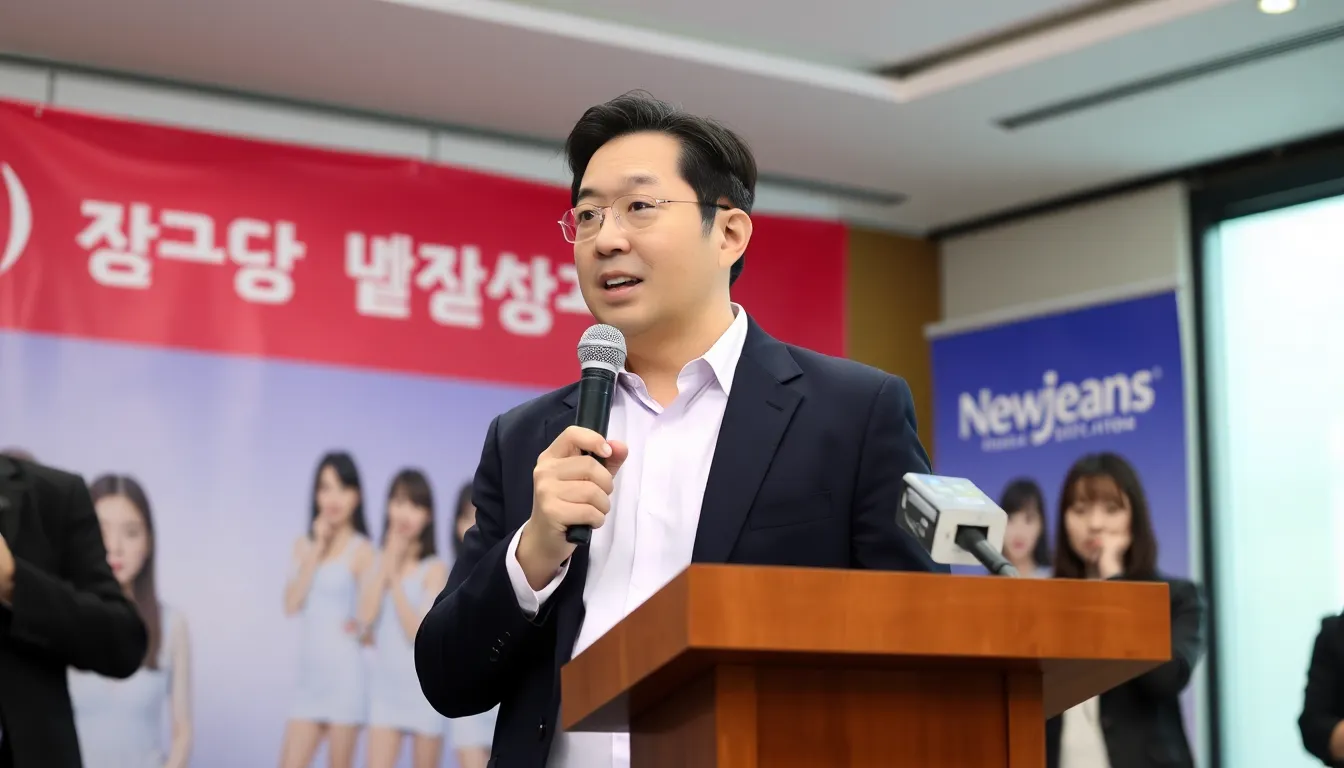
Frequently Asked Questions about NewJeans and the K-pop industry
Looking ahead at the future of NewJeans and K-pop
The recent statements from the former K-pop executive highlight the growing tensions within the industry, particularly regarding group dynamics and financial stakes. As NewJeans continues to rise in popularity, the potential for internal or external pressures to influence their trajectory becomes a critical point of discussion. The commitment to maintaining group integrity amidst lucrative offers suggests a shifting perspective on artist management in K-pop.
As the landscape evolves, stakeholders will need to navigate the delicate balance between commercial success and the artistic integrity of groups like NewJeans. Observers should remain vigilant about how these dynamics play out, particularly in relation to the broader implications for the K-pop industry.
- The commitment to keeping NewJeans together could set a precedent for how other K-pop groups are managed in the future.
- Financial incentives may increasingly clash with artistic integrity, leading to potential conflicts within management teams.
- Fans’ reactions to management decisions will likely influence future strategies for artist promotion and group stability.
- Monitoring the impact of this situation on NewJeans’ brand and market performance will provide insights into the evolving K-pop ecosystem.
- Industry stakeholders may need to reassess their approaches to contracts and artist relations to prioritize long-term group cohesion.