
In response to the ensuing frenzy, Obama clarified his statements, emphasizing that there is no evidence to support claims of direct contact with aliens. His comments came after a surge of interest in UAPs, particularly following the release of government reports on sightings and encounters by military personnel, including insights from France’s recent actions on social media. These reports have fueled ongoing discussions about the implications of such phenomena.
The conversation surrounding UAPs has gained momentum since the Pentagon’s establishment of a task force in 2020 to investigate these incidents. As more information becomes available, many are questioning the government’s transparency and the potential for undisclosed encounters. The recent podcast episode has only intensified these inquiries, prompting calls for further investigation and disclosure.
As public interest in the possibility of extraterrestrial life continues to grow, the discourse surrounding UAPs and government accountability remains critical. Obama’s comments serve as a reminder of the complexities involved in the search for truth about what lies beyond our planet. This ongoing dialogue highlights the intersection of science, politics, and public curiosity regarding the unknown.
Understanding the background of UFO and alien discussions
The fascination with unidentified flying objects (UFOs) and the possibility of extraterrestrial life has been a significant part of human culture for decades. This interest intensified during the mid-20th century, particularly after World War II, when numerous sightings were reported, leading to the establishment of government investigations like Project Blue Book in the United States. These investigations sought to determine the nature and origins of UFO sightings, but many cases remained unexplained, fueling public speculation and conspiracy theories.

In recent years, the conversation around UFOs has gained renewed attention, particularly following the release of declassified military footage showing unexplained aerial phenomena. This resurgence has prompted various public figures, including former President Barack Obama, to weigh in on the topic. Obama’s recent comments during a podcast, which suggested a lack of evidence for alien contact, sparked a frenzy among UFO enthusiasts and the general public, highlighting the ongoing intrigue surrounding this subject.
The Political Landscape of UFO Discourse
The political implications of UFO discussions have evolved over time. During the Cold War, UFOs were often associated with national security concerns, as sightings could be misidentified military aircraft or potential threats. This led to a culture of secrecy within government agencies regarding their investigations. In the 21st century, however, there has been a shift towards transparency, with Congress holding hearings and pushing for more information to be released to the public. This change reflects a broader societal desire to understand not just the phenomena itself, but also the government’s role in addressing these mysteries.
Economically, the UFO and alien discussion has spurred a niche market for books, documentaries, and merchandise, feeding into a thriving subculture. The financial impact of this interest is evident in the entertainment industry, where films and television shows about aliens and UFOs continue to attract large audiences. This commercial aspect further complicates the narrative, as sensationalism can often overshadow rational discourse.
Socially, the topic of aliens and UFOs has become a lens through which people explore broader questions about humanity’s place in the universe. The idea of extraterrestrial life challenges individual beliefs and scientific understanding, prompting debates about existence, technology, and the future of humanity. As public figures like Obama engage in this dialogue, it reflects an evolving cultural landscape where the intersection of science, belief, and politics continues to provoke thought and discussion.
Analyzing the implications of Obama’s statements on public perception
The recent comments made by former President Barack Obama regarding the existence of extraterrestrial life have sparked a significant public response. His assertion that there is no evidence of aliens having made contact has reignited discussions about government transparency and the public’s right to know about potential extraterrestrial encounters. This statement not only reflects Obama’s personal beliefs but also encapsulates broader societal interests in the unknown.
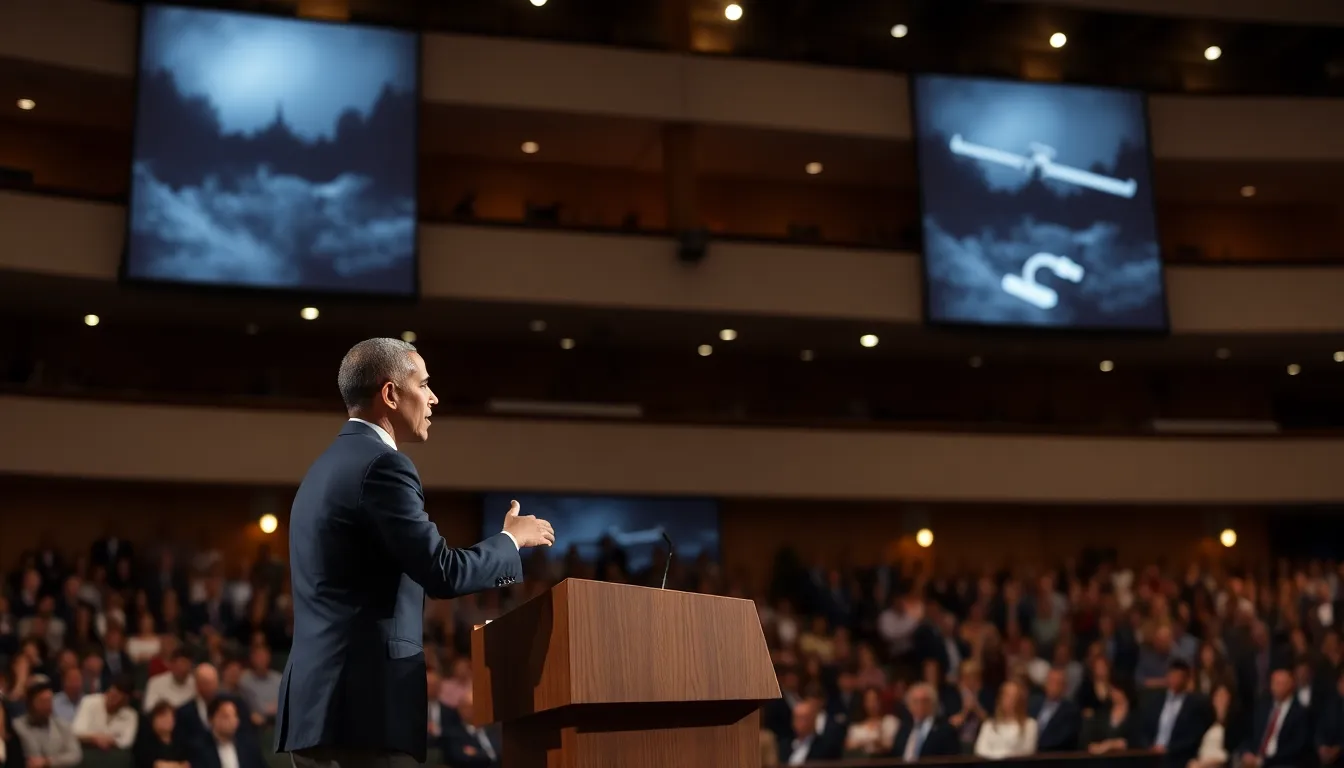
Key actors in this discussion include the U.S. government, scientists, and the general public. The government, particularly agencies like NASA and the Department of Defense, has a vested interest in managing how information about unidentified aerial phenomena (UAP) is communicated to the public. Scientists and researchers are focused on the pursuit of knowledge and the implications of any potential discoveries in space, while the public’s interest is often driven by curiosity and the desire for transparency.
Conflicts may arise between the government’s need for national security and the public’s demand for openness. The trade-off here involves balancing the protection of sensitive information with the ethical obligation to inform citizens about potential threats or discoveries. Furthermore, the economic implications of space exploration and the search for extraterrestrial life can also lead to debates about funding priorities and resource allocation.
- Public Trust: Obama’s comments could influence public trust in government narratives regarding extraterrestrial life.
- Scientific Inquiry: The discourse may affect funding and support for scientific research in astrobiology and related fields.
- Media Influence: The media’s portrayal of Obama’s statements can shape public perception and understanding of the issue.
- Legal Considerations: Potential legal issues may arise concerning the classification and disclosure of information related to UAPs.
- International Relations: Other countries may react to U.S. statements on extraterrestrial matters, affecting diplomatic relations.
In summary, Obama’s remarks serve as a catalyst for a complex interplay of interests among various stakeholders, highlighting the multifaceted nature of the conversation surrounding extraterrestrial life and the implications of government communication on this topic. For more on how political discussions intersect with technological advances, read about MPs express concerns over data centre expansion, which reflects societal priorities.
Impact of alien speculation on society and media
The recent comments made by former President Obama regarding alien contact have sparked widespread speculation and debate across various sectors of society. This frenzy has implications for numerous groups, including the scientific community, media outlets, and public interest organizations. Each of these entities faces unique challenges and opportunities as they navigate the fallout from these discussions.
In the short term, media organizations are likely to experience a surge in viewership and engagement as audiences flock to consume content related to extraterrestrial life. This could result in increased advertising revenue for news outlets, podcasts, and streaming platforms that focus on alien-related topics. However, the sensationalism surrounding the subject may also lead to misinformation, which can damage the credibility of reputable sources.

For the scientific community, the impact is twofold. On one hand, the renewed interest in space exploration and extraterrestrial life could lead to increased funding and support for research initiatives. On the other hand, if the public perception is not grounded in scientific fact, it may hinder serious discussions about space exploration and the search for life beyond Earth.
- Public Interest: Increased curiosity about space and potential alien life can inspire educational programs and outreach.
- Business Opportunities: Companies in the entertainment and tourism sectors may capitalize on the interest by developing themed content or experiences.
- Policy Implications: Governments may face pressure to allocate resources towards space research and defense against potential extraterrestrial threats.
In the mid-term, the ongoing discourse surrounding alien life may influence policy decisions related to space exploration and international cooperation in scientific research. As nations grapple with the implications of potential contact, there may be opportunities for collaborative projects aimed at understanding the universe. However, there is also the risk of increased funding being diverted to speculative projects rather than addressing pressing terrestrial issues.
A: Obama stated that there is no evidence of aliens having made contact with Earth, clarifying his previous comments on a podcast. A: His remarks reignited public interest in UFOs and alien life, leading to widespread media coverage and speculation. A: Obama’s statements may influence public perception, reinforcing skepticism about claims of alien encounters. A: The scientific community generally agrees that while the search for extraterrestrial life continues, there is currently no definitive evidence of contact.
Frequently asked questions about alien contact and Obama’s remarks
Key takeaways and future outlook on alien discussions
The recent comments by former President Obama on a podcast have reignited public interest and speculation regarding the existence of extraterrestrial life. While his remarks acknowledged the fascination surrounding unidentified aerial phenomena (UAP), he emphasized that there is currently no evidence to suggest that aliens have made contact with Earth. This statement serves as a reminder of the need for a balanced approach to the ongoing discourse about UAPs and the broader implications for science and society.
As discussions continue, it is crucial to remain grounded in scientific inquiry while also considering the cultural and psychological impacts of such phenomena. The interplay between public interest and governmental transparency will likely shape future narratives surrounding extraterrestrial life.
- Continued scrutiny of UAP reports may lead to more rigorous scientific investigations and potential disclosures from government entities.
- Public fascination with the concept of extraterrestrial life could drive interest in STEM fields, particularly in astronomy and aerospace engineering.
- Ongoing debates will highlight the necessity for clear communication from authorities to manage public expectations and misinformation.
- Future advancements in technology may enhance our ability to detect and analyze potential signs of extraterrestrial life.
- As societal interest grows, discussions may evolve to encompass ethical considerations regarding the implications of discovering intelligent life beyond Earth.