
The states argue that the administration’s decision to cut funding has severely impacted their ability to provide essential health services, particularly in underserved communities. For more insights on this issue, check out the article on Meta and YouTube’s legal scrutiny. The lawsuit claims that these cuts violate federal law and undermine public health initiatives that have been crucial during health crises.
Legal experts note that the outcome of this case could set a precedent for how federal funding is allocated to states, especially in the realm of public health. The plaintiffs are seeking not only a reinstatement of the lost funds but also a broader ruling that would ensure states retain control over their health funding without federal interference. This situation highlights the importance of public health discussions, as seen in the critique of recent health studies.
This lawsuit comes at a time when many states are grappling with the aftermath of the pandemic and are in urgent need of resources to address ongoing health challenges. The implications of this case extend beyond the states involved, potentially affecting public health funding policies nationwide.
Background on public health funding and its significance
Public health funding has long been a critical component of ensuring the health and well-being of communities across the United States. Historically, federal and state governments have allocated resources to address various public health challenges, including disease prevention, health education, and emergency response. The significance of these funds cannot be overstated, as they often determine the ability of local health departments to operate effectively and respond to public health crises, just as higher education funding impacts community growth as discussed in this related article.
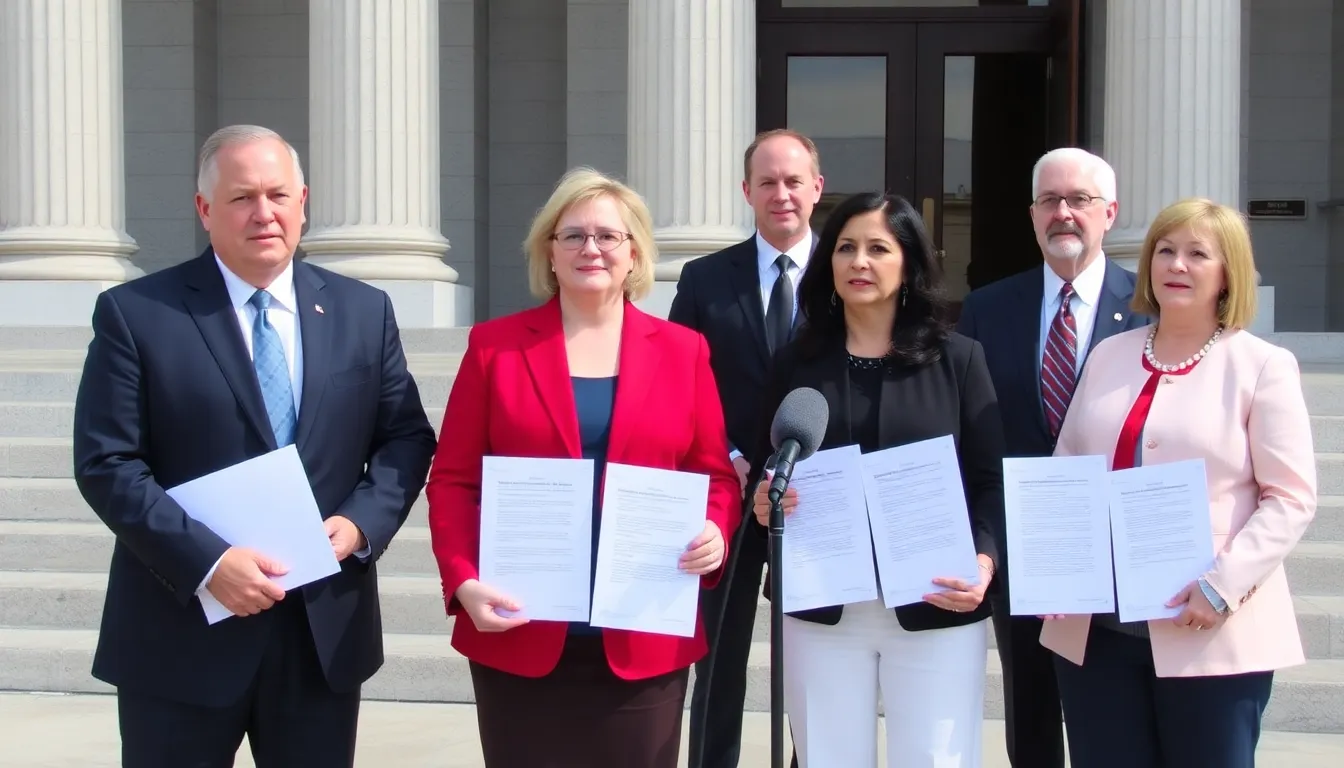
In recent years, the landscape of public health funding has shifted dramatically due to political and economic changes at both the federal and state levels. The introduction of budget cuts and the reallocation of resources have led to significant reductions in funding for essential health programs. This has raised concerns among public health officials and advocates about the long-term implications for community health, particularly in underserved areas.
The lawsuit filed by four states against the federal administration highlights the growing tension between state and federal authorities over public health funding. These states argue that the loss of funds undermines their ability to provide critical health services, particularly in the wake of challenges posed by the COVID-19 pandemic. This legal action is not an isolated incident; it reflects a broader trend of states pushing back against federal policies that they believe jeopardize public health initiatives.
Key milestones in public health funding
Several key milestones have shaped the current state of public health funding in the U.S. The Affordable Care Act (ACA), enacted in 2010, aimed to expand access to health care and included provisions for public health funding. However, subsequent administrations have sought to roll back some of these provisions, leading to funding uncertainties. Additionally, the COVID-19 pandemic exposed significant gaps in public health infrastructure, prompting calls for increased investment in health resources. As states continue to navigate these challenges, the outcome of the current lawsuit may set important precedents for future funding and public health policy.
Key stakeholders and issues surrounding the funding loss
The recent lawsuit filed by four states against the federal administration highlights a complex web of stakeholders involved in the ongoing debate over public health funding. Key actors include state governments, federal agencies, healthcare providers, and advocacy groups, each with distinct interests and concerns regarding the allocation of resources.
State governments, particularly those involved in the lawsuit, are primarily concerned about the impact of reduced public health funding on their ability to provide essential services. This funding is critical for programs related to disease prevention, health education, and emergency response. The states argue that the loss of these funds jeopardizes public health initiatives and disproportionately affects vulnerable populations.
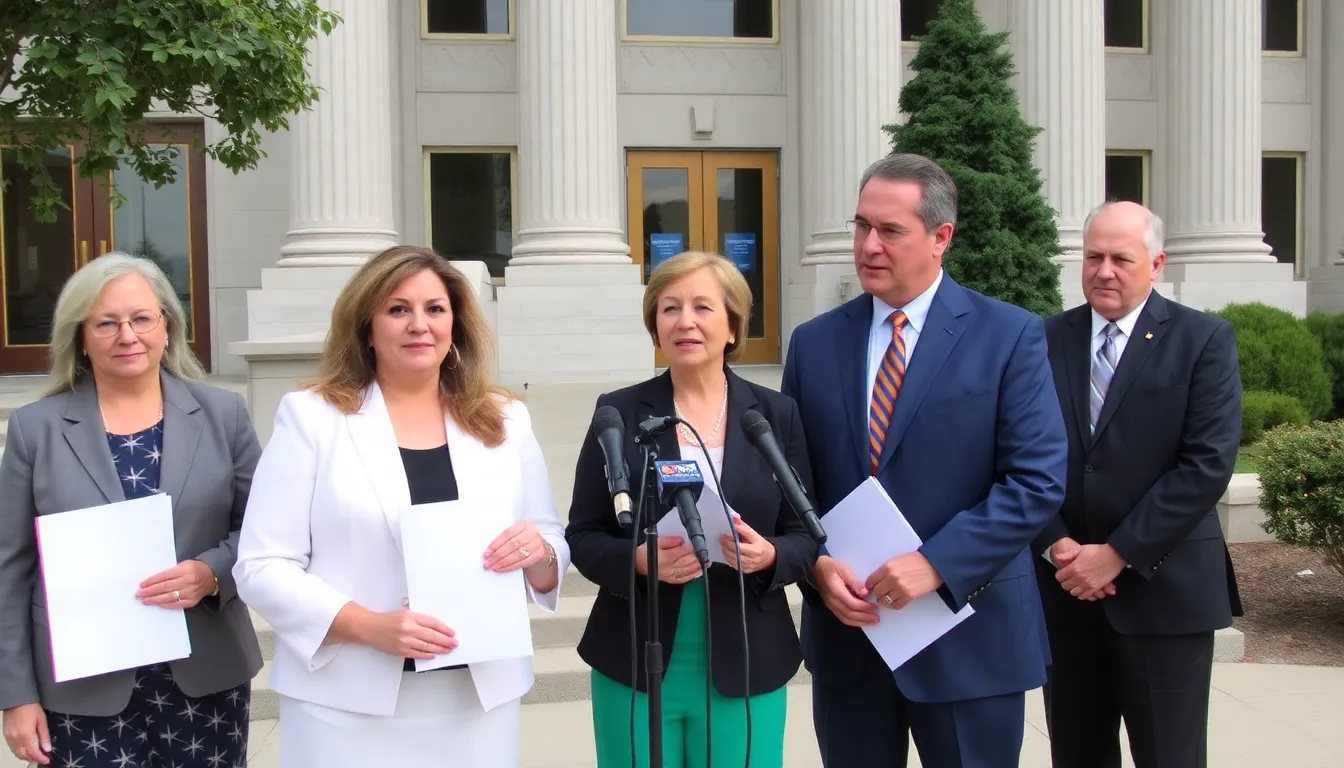
On the federal side, the administration’s decision to cut funding may stem from broader budgetary constraints or a shift in policy priorities. This raises significant legal issues, as states contend that such cuts violate existing agreements or statutes designed to ensure the availability of public health resources. The conflict between state and federal interests highlights the ongoing tension in the distribution of health funding in the United States.
- Legal implications: The lawsuit could set a precedent regarding the extent of federal authority over state health funding.
- Economic trade-offs: States may face budget shortfalls if they are unable to replace lost federal funds, leading to potential cuts in health services.
- Public health outcomes: Reduced funding could lead to increased health disparities, particularly among low-income and marginalized communities.
- Advocacy group responses: Non-profit organizations may mobilize to support the states’ efforts, emphasizing the importance of public health funding.
As the legal battle unfolds, the implications of this funding loss will likely reverberate across the healthcare landscape, influencing not only state-level health initiatives but also the broader dialogue on public health policy in the United States. Understanding the motivations and concerns of each stakeholder is crucial for grasping the potential outcomes of this dispute.
Potential impact on healthcare services and communities
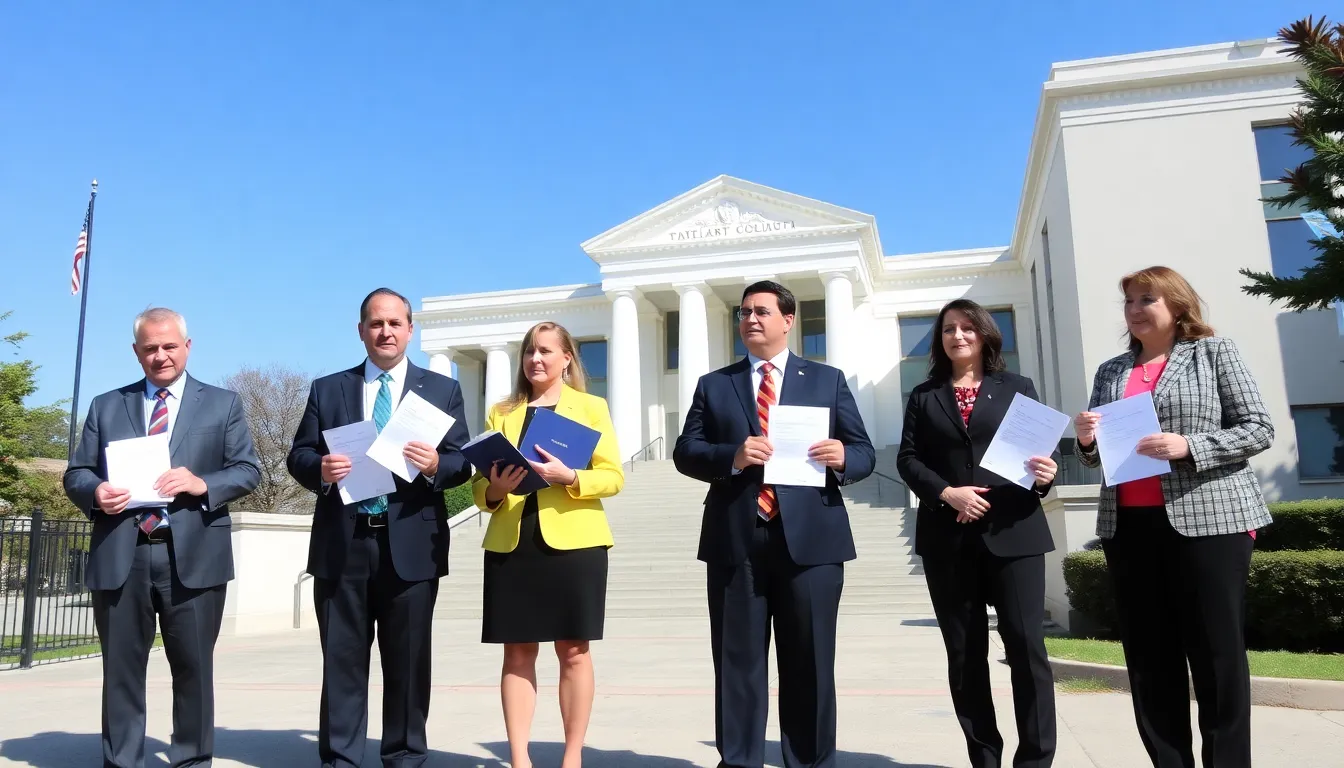
The recent lawsuit filed by four states against the administration over the loss of public health funds is poised to affect a wide range of groups, including low-income families, public health organizations, and healthcare providers. These groups rely heavily on federal funding to support essential health services, making them particularly vulnerable to budget cuts.
In the short term, communities may experience a decline in access to critical health services, such as vaccinations, maternal and child health programs, and mental health support. This could lead to increased health disparities, especially in rural and underserved urban areas where alternative resources are limited.
Mid-term impacts may include a strain on local healthcare systems as they struggle to cope with decreased funding. Hospitals and clinics may be forced to reduce staff or limit services, which can lead to longer wait times and decreased patient satisfaction. Additionally, public health initiatives aimed at preventing disease outbreaks could be diminished, posing risks to community health.
- Risks: Increased health disparities and reduced access to essential services.
- Risks: Strained healthcare systems leading to longer wait times.
- Opportunities: Potential for local governments to seek alternative funding sources.
- Opportunities: Increased advocacy for public health funding at state and federal levels.
Moreover, the potential loss of funding may drive innovation within the healthcare sector as organizations seek new ways to deliver services efficiently. This could lead to the adoption of telehealth solutions and community-based health initiatives that could ultimately enhance service delivery in the long run.
A: The lawsuit claims that the federal administration’s actions have led to a significant reduction in public health funds, which the states argue is detrimental to their healthcare systems. A: The lawsuit involves four states, specifically naming them in the legal documents, which highlight their unique challenges related to public health funding. A: If successful, the lawsuit could restore lost funding, allowing states to maintain or improve public health services that are currently at risk. A: The states may argue that the federal government has a legal obligation to provide adequate funding for public health and that the cuts violate existing agreements. A: The timeline for the lawsuit is still uncertain, but initial hearings are anticipated within the next few months as the legal process unfolds.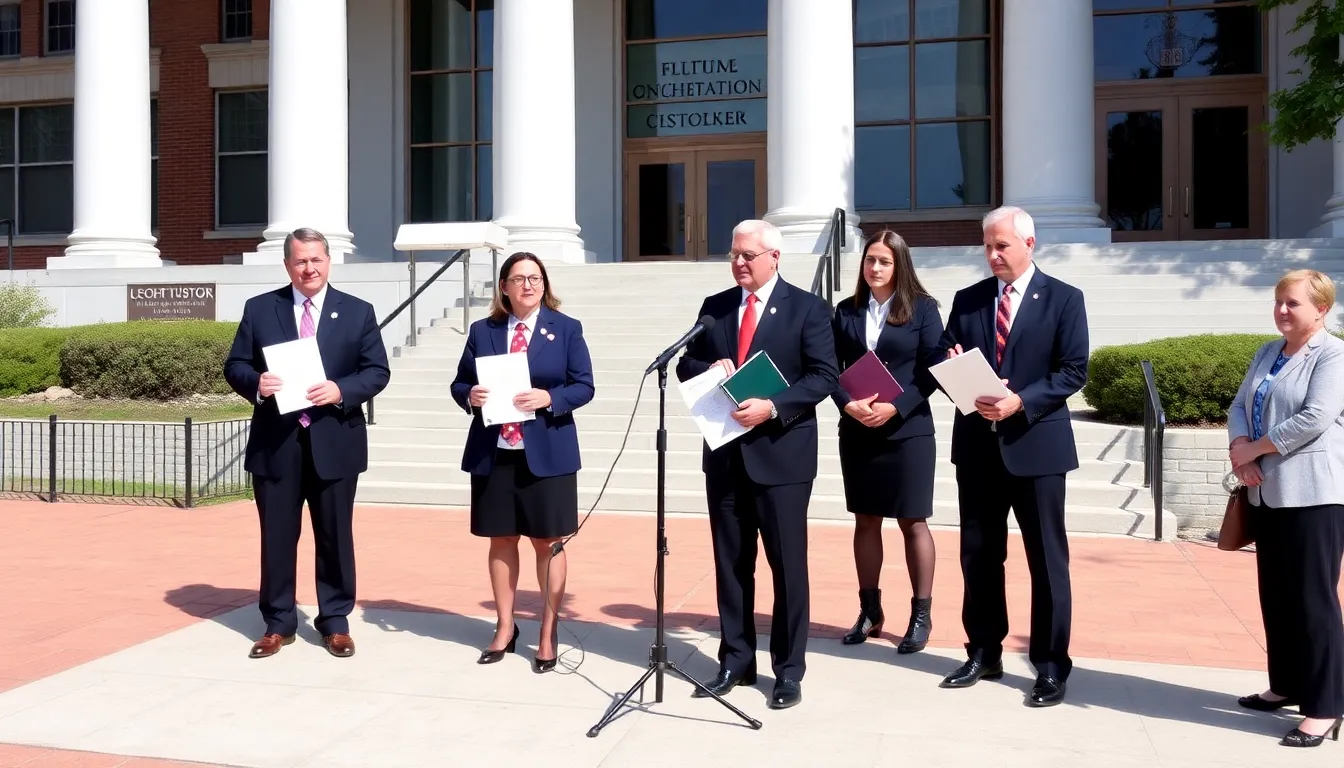
Frequently asked questions about the lawsuit
Key takeaways and future outlook on the funding dispute
The recent lawsuit filed by four states against the federal administration over the loss of public health funds underscores the growing tension between state and federal authorities regarding health funding allocations. This legal battle could set a significant precedent for how public health initiatives are funded and managed in the future, particularly as states grapple with the ongoing impacts of the pandemic and other health crises.
As this situation unfolds, stakeholders should monitor the implications for public health programs, the potential for increased state autonomy in health funding, and the broader political ramifications that could emerge from this dispute. The outcomes may influence not only the states involved but also set a standard for how similar issues are addressed across the country.
- Watch for potential changes in federal funding policies that could affect other states facing similar challenges.
- Consider the impact of this lawsuit on public health initiatives and their sustainability in the affected states.
- Monitor the response from public health advocates and organizations, as they may play a crucial role in shaping the narrative and outcomes.
- Assess how this legal battle might influence future state-federal relations, particularly in health care and funding matters.
- Stay informed about the timeline of the lawsuit, as its progression could reveal insights into the federal government’s approach to health funding in the coming years.