
Takaichi’s election comes at a critical time as Japan grapples with stagnant economic growth and rising inflation. The nation’s economy has faced significant hurdles, including supply chain disruptions and an aging population, which have hindered recovery efforts since the COVID-19 pandemic. To learn more about how these factors shape the economy, check out this article about business challenges and environmental concerns.
The new leader has pledged to implement bold economic reforms aimed at revitalizing Japan’s growth trajectory. Takaichi’s proposals include increasing public investment and promoting digital innovation, which she argues are essential for enhancing productivity and competitiveness in the global market.
As she steps into her role, Takaichi will need to navigate a complex political landscape, balancing the demands of various stakeholders while addressing public concerns over economic stability. Her ability to deliver on these promises will be closely watched, as many Japanese citizens are eager for tangible improvements in their daily lives.
Understanding the political landscape leading to the election
The recent landslide victory of Sanae Takaichi in the Japanese elections is a significant moment in the nation’s political history, reflecting a complex interplay of historical, political, and economic factors. Japan’s political landscape has been shaped by decades of conservative governance, particularly under the Liberal Democratic Party (LDP), which has held power for most of the post-war era. This dominance has created a political environment where continuity often outweighs change, leading to a public that is both accustomed to and critical of the status quo.
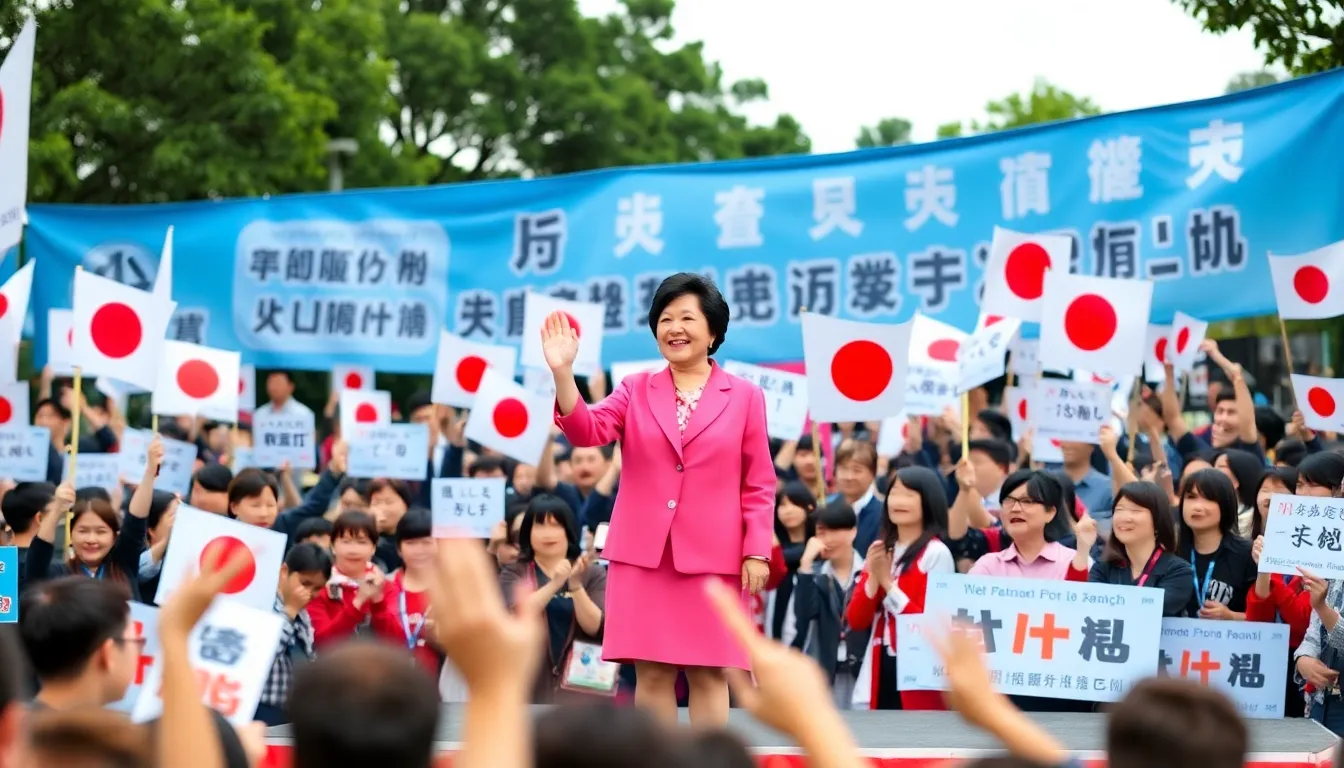
In recent years, Japan has faced numerous economic challenges, including stagnation, deflation, and an aging population that has strained social services and economic growth. The government’s response has included various monetary policies and stimulus measures, but the effectiveness of these strategies has been a subject of debate. Takaichi’s campaign has focused on revitalizing the economy, appealing to voters who are eager for tangible improvements in their daily lives, similar to the market strategies discussed in recovering from economic downturns.
The rise of Takaichi
Takaichi’s ascent within the LDP is noteworthy, as she represents a new wave of leadership that seeks to address both economic and social issues from a conservative perspective. Her background as a former Minister of Internal Affairs and Communications has equipped her with the experience necessary to navigate Japan’s complex political and economic landscape. Moreover, her pro-business stance and commitment to reform resonate with a populace that has grown increasingly frustrated with slow economic recovery.
Key milestones leading up to her election include the introduction of Abenomics, a series of economic policies initiated by former Prime Minister Shinzo Abe aimed at combating deflation and stimulating growth. While these policies had some initial success, their long-term sustainability has been questioned, leaving a gap for Takaichi to fill with her vision for a more robust economy. As she takes office, the expectations are high, and the challenges are formidable, particularly in addressing the needs of a rapidly changing demographic landscape, much like the issues faced in sports and public interest.
Key stakeholders and the challenges Takaichi faces
The recent landslide victory of Takaichi in Japan has set the stage for significant economic discussions. As the first female leader of the ruling Liberal Democratic Party (LDP), her administration will be closely watched by various stakeholders, including governmental bodies, business leaders, and the general public. Each of these groups has distinct interests that will shape her policy decisions.
One of the primary stakeholders is the Japanese government itself, which is keen on stabilizing the economy after years of stagnation. The Ministry of Finance and the Bank of Japan are particularly focused on monetary policies that can stimulate growth while managing inflation. Takaichi will need to balance these interests against the need for fiscal responsibility, especially in light of Japan’s rising public debt.
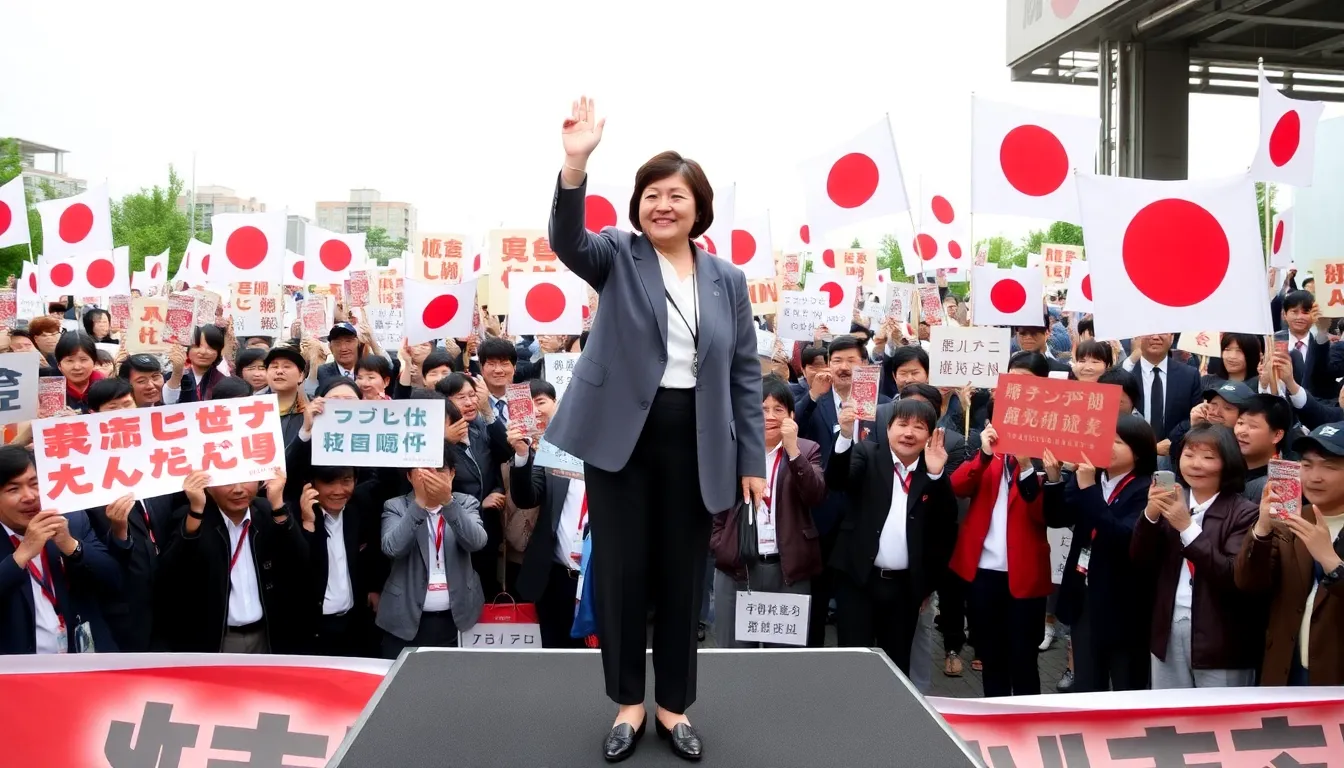
Another crucial actor is the business community, including large corporations and small to medium enterprises (SMEs). These entities are looking for a conducive environment for investment and growth. Takaichi’s ability to implement effective economic reforms and support innovation will be vital in gaining their support. However, there may be conflicts between corporate interests and labor rights, particularly regarding wage growth and working conditions.
Furthermore, the general populace, especially younger voters, has a vested interest in Takaichi’s policies. They are concerned about job security, the cost of living, and opportunities for advancement. Takaichi must navigate these expectations while addressing the broader economic challenges, such as an aging population and declining birth rates, which pose long-term risks to economic sustainability.
- Economic Growth: Takaichi needs to implement policies that stimulate growth without exacerbating public debt.
- Corporate and Labor Relations: Balancing the interests of businesses with the rights and needs of workers will be crucial.
- Public Sentiment: Addressing the concerns of younger voters regarding job security and living conditions is essential for maintaining support.
- International Relations: Takaichi’s approach to trade and foreign investment will impact Japan’s economic standing globally.
- Fiscal Responsibility: Ensuring that economic initiatives do not lead to unsustainable debt levels will be a key challenge.
How Takaichi’s policies may affect the Japanese economy
The recent landslide victory of Takaichi in Japan has sparked significant interest in how her policies will impact various groups, industries, and regions across the country. As she takes the helm, both businesses and everyday citizens are poised to feel the effects of her economic strategies.
In the short term, Takaichi’s focus on revitalizing the economy could benefit sectors such as technology and manufacturing, which have been struggling with global supply chain issues. A potential increase in government spending may lead to job creation in these industries, providing immediate relief to workers and boosting consumer confidence.
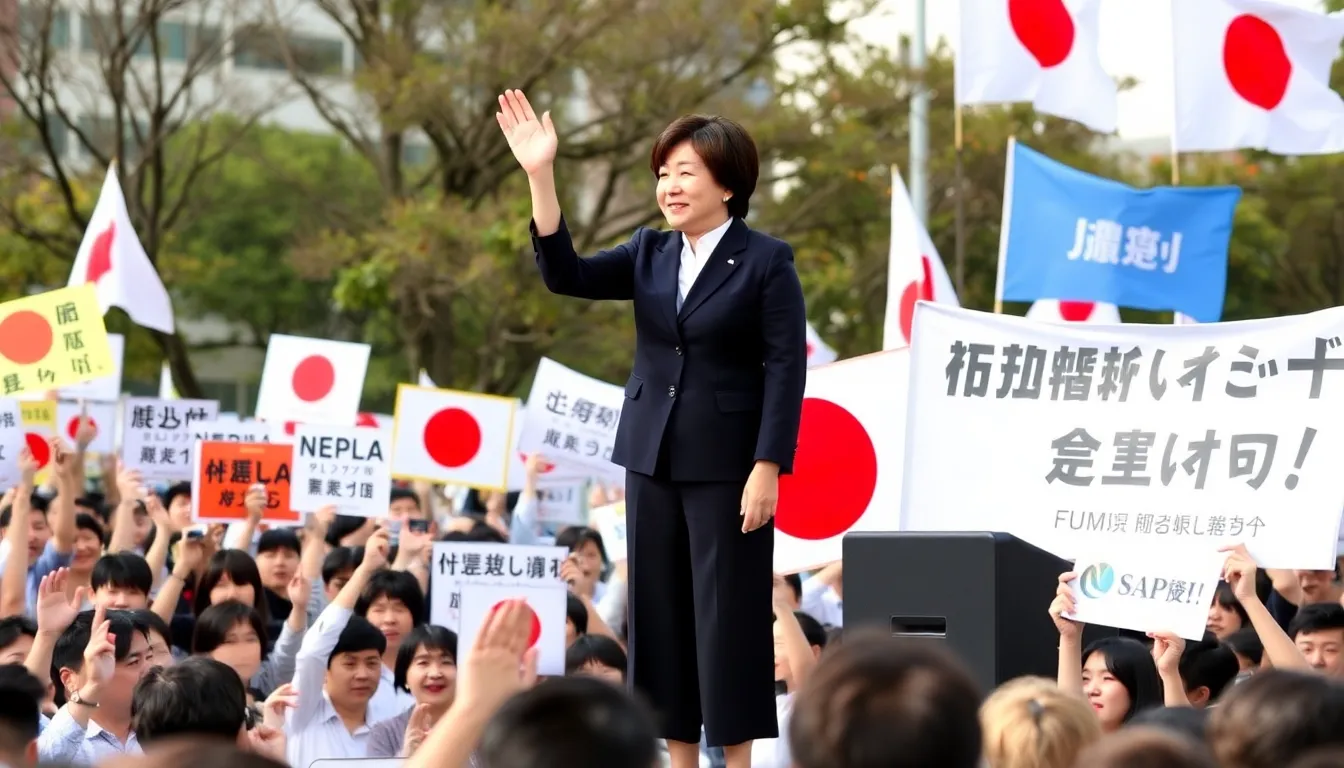
However, the agricultural sector and small businesses may face challenges as Takaichi’s policies could prioritize larger corporations. This shift could lead to a widening gap between urban and rural economies, with farmers and small retailers feeling the strain of reduced support. The potential for increased regulation in certain sectors may also create hurdles for smaller players.
- Short-term impacts: Job creation in tech and manufacturing, increased consumer spending.
- Mid-term impacts: Possible widening of urban-rural economic divide, challenges for small businesses.
- Opportunities: Investment in innovation and infrastructure, potential trade agreements.
- Risks: Inflationary pressures, potential backlash from underrepresented sectors.
In the mid-term, Takaichi’s policies may encourage foreign investment, particularly if she focuses on deregulation and fostering a pro-business environment. This could lead to improved infrastructure and technological advancements, further enhancing Japan’s competitive edge in the global market.
Nonetheless, the success of her initiatives will depend on balancing the needs of various stakeholders. If not managed carefully, there is a risk of exacerbating existing inequalities and alienating key demographics, which could ultimately hinder economic recovery efforts.
A: Takaichi’s economic policies focus on stimulating growth through fiscal measures and deregulation. She aims to create a more business-friendly environment to attract investment. A: The public response has been mixed, with some expressing optimism about her leadership while others remain skeptical about her ability to address economic issues. A: Takaichi faces significant challenges including a stagnating economy, an aging population, and the need for structural reforms to boost productivity. A: Takaichi’s victory may lead to a shift in Japan’s foreign policy, particularly in trade relations and security alliances, as she emphasizes national interests.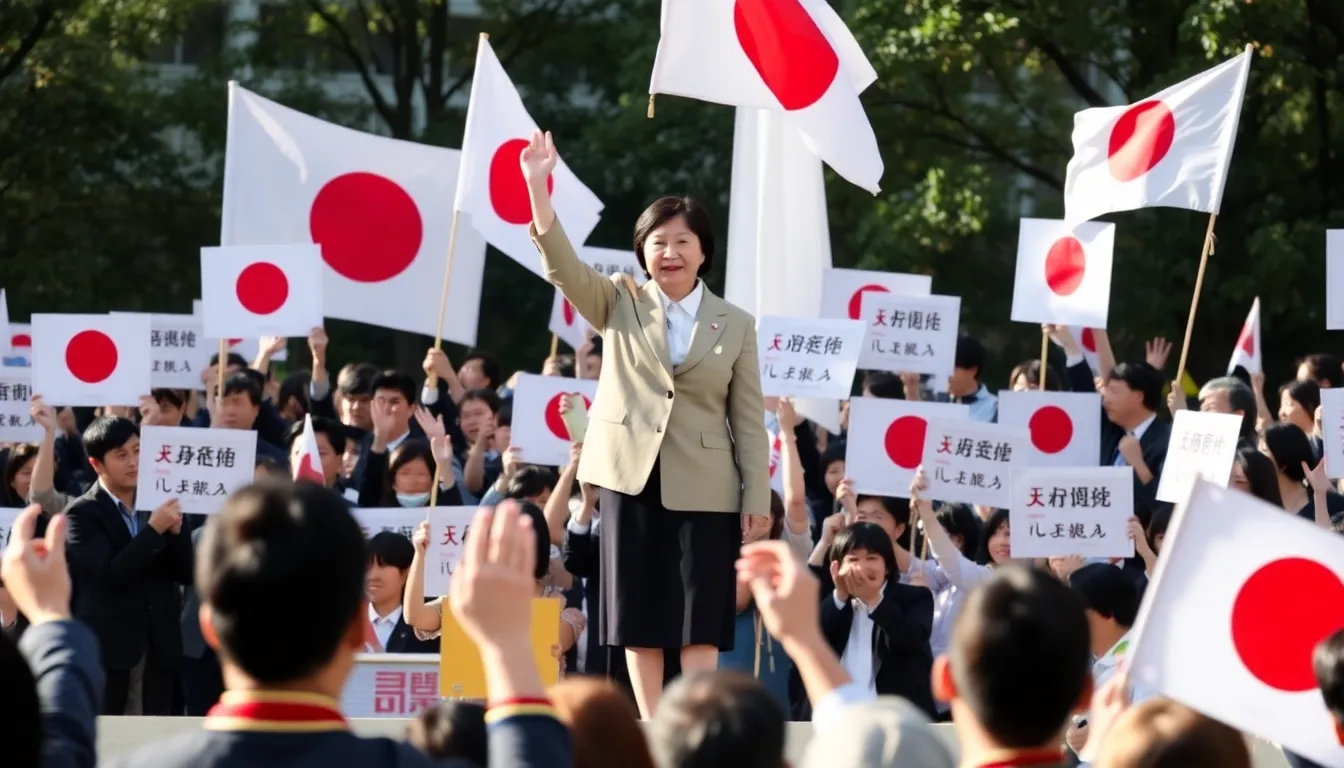
Frequently asked questions about Takaichi’s victory
Looking ahead: Takaichi’s potential impact on Japan’s economy
Takaichi’s decisive victory marks a pivotal moment for Japan as she steps into a leadership role with the potential to reshape economic policies. Her approach to revitalizing the economy will be closely scrutinized, particularly in light of ongoing challenges such as inflation, labor shortages, and the need for innovation. Stakeholders across various sectors will be keen to observe how her policies align with the expectations of both domestic and international markets.
As Takaichi navigates her new position, her ability to foster collaboration within the government and engage with the private sector will be crucial. The upcoming months will reveal whether her strategies can stimulate growth and restore confidence in Japan’s economic landscape.
- Monitor Takaichi’s proposed economic reforms and their potential impact on Japan’s GDP growth.
- Watch for her approach to addressing labor market challenges, including attracting foreign talent.
- Evaluate how her policies may influence Japan’s relationship with global trade partners.
- Consider the implications of her fiscal strategies on public debt and social welfare programs.
- Keep an eye on public sentiment regarding her leadership and its effect on consumer confidence.