
The Grammy win not only highlights the artistic merit of KPop Demon Hunters but also underscores the increasing acceptance of K-pop within mainstream music circles. For more on this, check out FKA Twigs’ inspiring journey to Grammy success.
This accolade comes at a time when K-pop continues to expand its reach, with various groups and solo artists achieving significant milestones on global charts. The win for “Golden” is expected to inspire a new wave of K-pop artists to pursue Grammy nominations and further elevate the genre’s status, similar to the rise of other artists in the industry.
The impact of this Grammy win extends beyond just the music industry; it represents a cultural shift as K-pop increasingly becomes part of the global entertainment landscape. As KPop Demon Hunters sets a precedent, many are eager to see how this will influence the future of K-pop and its artists’ endeavors on international platforms.
The rise of K-pop and its global influence
In the past two decades, K-pop has transformed from a regional phenomenon into a global cultural force, captivating millions of fans worldwide. This genre, characterized by its catchy melodies, high-energy performances, and visually stunning music videos, has transcended language barriers and cultural differences. The globalization of K-pop can be attributed to several factors, including the rise of social media, the strategic marketing efforts of entertainment companies, and the increasing interest in Asian culture.

One of the pivotal moments in K-pop’s ascent was the debut of groups like H.O.T. in the late 1990s, which laid the groundwork for future idol groups. However, it was the emergence of bands like BTS and BLACKPINK in the 2010s that truly catapulted K-pop into the international spotlight. These groups not only topped charts in South Korea but also made significant inroads into Western markets, breaking records on platforms like Billboard and Spotify.
The impact of digital platforms
The role of digital platforms cannot be overstated in K-pop’s global expansion. YouTube, in particular, has served as a vital tool for artists to reach international audiences. The viral success of music videos, combined with dedicated fan engagement on social media, has allowed K-pop artists to cultivate a loyal global fanbase. This digital presence has also facilitated the rise of fandom culture, where fans actively participate in promoting their favorite artists and shaping their careers.
Economically, the K-pop industry has become a significant contributor to South Korea’s economy, with estimates suggesting that it generates billions in revenue annually. One reason for this growth is the unique marketing strategies adopted by entertainment companies, which you can learn more about in the article discussing the impressive health of polar bears on Norwegian islands despite climate challenges.
The recent Grammy win for the song “Golden” marks a historic milestone not just for the artist but for the entire K-pop industry. It highlights the genre’s growing acceptance within the global music community and signifies a shift in how international awards recognize and celebrate diverse musical contributions. This achievement is a testament to the hard work and dedication of K-pop artists and their teams, paving the way for future generations to follow in their footsteps.
The implications of this Grammy win for K-pop artists
The recent Grammy win for the song “Golden” marks a significant milestone in the K-pop industry, highlighting the increasing global recognition of this genre. As the first K-pop song to receive such an esteemed accolade, it opens doors for both established and emerging K-pop artists. Key stakeholders in this scenario include artists, music labels, and the Grammy organization itself, each with distinct interests and potential conflicts.
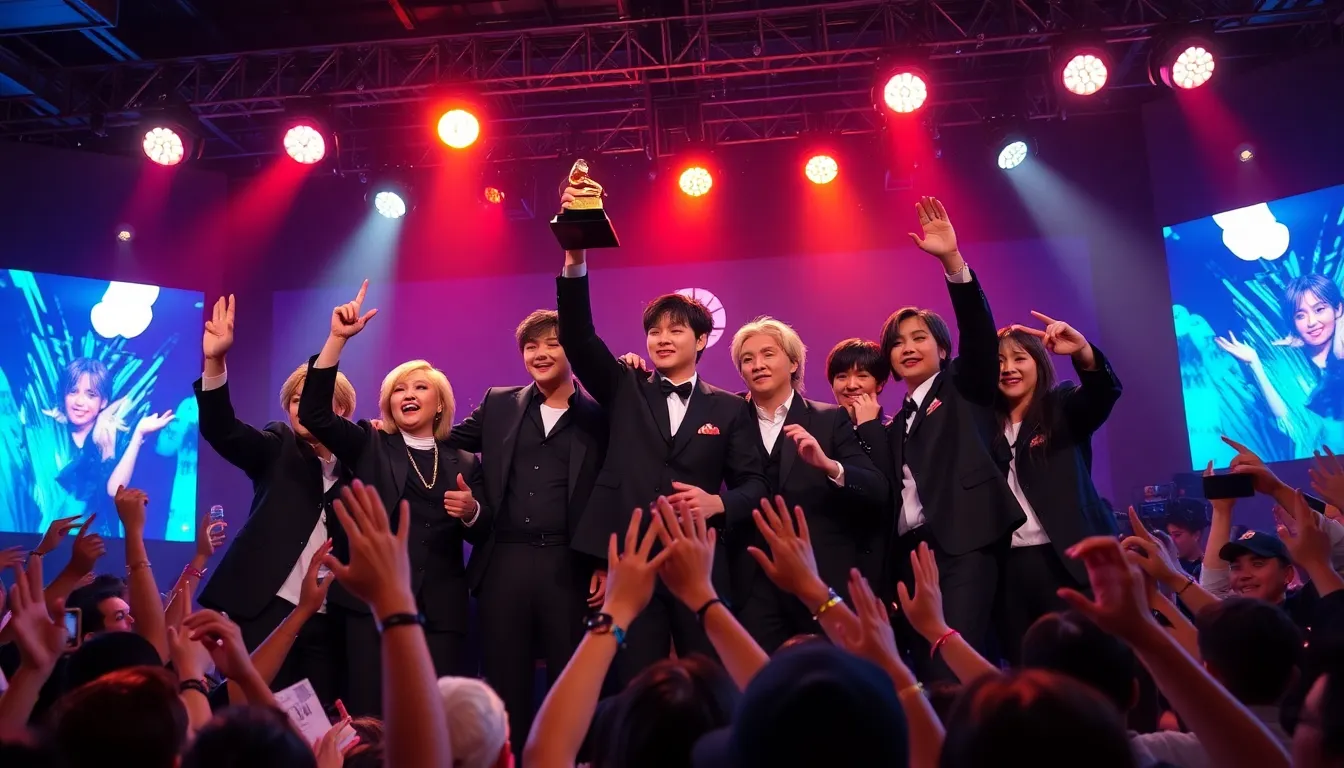
For K-pop artists, the Grammy win symbolizes validation of their hard work and creativity, potentially leading to increased opportunities in international markets. Major record labels, such as SM Entertainment and YG Entertainment, have a vested interest in leveraging this win to boost their artists’ profiles and expand their reach. However, this also raises questions about the commercialization of art and whether the emphasis on awards might overshadow artistic expression.
The Grammy organization, on the other hand, faces the challenge of maintaining its credibility while adapting to the evolving music landscape. The inclusion of K-pop in prestigious award categories may attract a broader audience, but it also risks alienating traditional voters who may not fully appreciate the genre. This conflict of interests can lead to debates about the legitimacy of awards and the criteria used for selection.
- Globalization of K-pop: The Grammy win may encourage more K-pop artists to pursue international collaborations.
- Commercialization vs. Artistic Integrity: The pressure to win awards could lead to a shift in how music is produced.
- Industry Standards: This win may prompt a reevaluation of the criteria for nominations and awards in the music industry.
- Audience Expansion: The recognition could attract new fans to K-pop, enhancing its global footprint.
In addition to these dynamics, there are economic implications to consider. The success of “Golden” could lead to increased sales and streaming numbers, benefiting not only the artists but also their management companies. However, the competitive nature of the industry means that while some artists may thrive, others may struggle to gain similar recognition, leading to disparities within the K-pop ecosystem.
How this win affects the K-pop industry and fans
The historic win of ‘Golden’ as the first K-pop song to receive a Grammy has significant implications for various groups, industries, and regions. Primarily, this achievement elevates the entire K-pop genre, showcasing its global appeal and artistic merit. Fans, artists, and industry stakeholders alike are poised to experience both immediate and long-term effects stemming from this milestone.
In the short term, K-pop groups and their management companies may see an increase in international interest and engagement. This can lead to enhanced marketing opportunities, merchandise sales, and concert attendance. Fans are likely to feel a renewed sense of pride and connection to their favorite artists, which could result in increased social media activity and fan-driven initiatives.

In the mid-term, the Grammy win could prompt record labels and entertainment companies to invest more heavily in K-pop, leading to a surge in new talent and productions. As the industry gains recognition, it may also attract collaborations with Western artists, further blending musical styles and expanding audiences. However, this could also lead to a saturation of the market, where the unique aspects of K-pop might be diluted in pursuit of mainstream success.
- Opportunities: Increased global collaborations and partnerships.
- Risks: Potential oversaturation of the market with K-pop content.
- Impact on policy: Possible shifts in industry regulations to support international artists.
Regions with a strong K-pop fanbase, such as Southeast Asia and North America, may see economic benefits from tourism and events related to K-pop. Local businesses, including cafes, fashion stores, and entertainment venues, could thrive as fans seek experiences tied to their favorite artists. However, the pressure to continuously produce Grammy-worthy content may also lead to increased scrutiny and mental health challenges for artists, highlighting the need for a balanced approach in the industry’s evolution.
A: This Grammy win signifies a major recognition of K-pop on a global stage, potentially opening doors for more K-pop artists in international markets. A: KPop Demon Hunters achieved this milestone through a combination of innovative music, strong fan engagement, and strategic marketing that resonated with audiences worldwide. A: This win may encourage more K-pop artists to aim for international awards, influencing the production and promotion of future releases. A: Yes, there have been other K-pop songs nominated in the past, but Golden is the first to win, highlighting its unique achievement. A: The Grammy Awards are viewed as a prestigious accolade in South Korea, and this win is likely to elevate the status of K-pop within the local music industry.
Frequently asked questions about the Grammy win
Looking ahead for K-pop and its future in the music industry
The historic win of ‘Golden’ at the Grammy Awards marks a significant milestone for K-pop, highlighting its growing influence and acceptance in the global music landscape. This achievement not only validates the hard work and creativity of K-pop artists but also sets a precedent for future nominations and wins, potentially opening doors for more diverse musical styles within the genre.
As K-pop continues to gain traction internationally, it is essential to consider the implications of this recognition on both the industry and its artists. The success of ‘Golden’ could inspire other K-pop groups to pursue Grammy nominations, leading to increased competition and innovation in their music production and marketing strategies.
- Expect an increase in K-pop artists collaborating with Western musicians, further blending genres and expanding their audience.
- Watch for shifts in award show dynamics, as K-pop’s presence may influence categories and voting processes in major music awards.
- Monitor the potential rise of new K-pop groups aiming for Grammy recognition, which could drive fresh talent and creativity within the industry.
- Consider how this win may impact the global perception of K-pop, possibly leading to more mainstream acceptance and integration into popular culture.
- Stay alert for changes in marketing strategies from K-pop companies, as they may adapt to leverage this achievement for greater international reach.