
This influx of creativity highlights the growing trend of integrating architectural styles into interactive media, as seen in many contemporary discussions.
Participants are encouraged to share their progress on social media platforms, fostering a sense of camaraderie and competition among creators, much like community-driven movements.
The Quake Brutalist Game Jam is significant as it reflects a broader cultural shift within the gaming industry, where developers are increasingly exploring unconventional themes and aesthetics. The event culminates in a showcase scheduled for November 1, 2023, where the most innovative entries will be recognized, further solidifying the jam’s impact on the future of game design.
Understanding the roots of Brutalist design in gaming
Brutalist design, characterized by its stark, rugged aesthetics and utilitarian approach, emerged in the mid-20th century as a reaction against the ornate styles of previous architectural movements. Initially rooted in post-World War II reconstruction, Brutalism sought to embody a sense of honesty and functionality, often using raw concrete and bold geometries. This architectural style found its way into various cultural domains, including visual arts and, more recently, video games, where it has been embraced as a form of digital expression.

As the gaming industry has evolved, developers have increasingly sought to push boundaries, experimenting with styles that challenge traditional notions of beauty and design, similar to the shifts seen in other creative sectors.
The socio-political context
The resurgence of interest in Brutalist design within gaming is also tied to socio-political factors. In an era marked by rapid urbanization and the digital transformation of society, many individuals feel disconnected from their physical environments. Brutalism, with its raw and unrefined qualities, resonates with a generation that often grapples with feelings of alienation and disillusionment. By incorporating these elements into gaming, developers create immersive experiences that reflect the complexities of contemporary life.
Key milestones in the evolution of this trend include landmark titles such as “Quake,” which not only pioneered first-person shooter mechanics but also showcased a stark visual style that would later be embraced by the Brutalist aesthetic. As players and creators alike engage with these themes, the Quake Brutalist Game Jam serves as a platform for experimentation, inviting participants to reinterpret and reimagine the interplay between architecture and gameplay.
Through this cultural lens, the Quake Brutalist Game Jam emerges not just as a creative outlet but as a commentary on the intersections of art, architecture, and society. By embracing the ‘underground Met Gala of concrete murderzone design,’ participants celebrate a movement that challenges conventional beauty and invites dialogue about the spaces we inhabit, both real and virtual.
Key stakeholders and their roles in the Game Jam
The Quake Brutalist Game Jam brings together a diverse array of stakeholders, each with unique interests and motivations. The primary actors include game developers, artists, urban planners, and local governments, all of whom play a crucial role in shaping the event’s outcomes and its broader implications for society.

Game developers and artists are at the forefront, utilizing the Game Jam as a platform to showcase their creativity and innovation. Their interest lies in pushing the boundaries of design and gameplay within the context of brutalist architecture and concrete aesthetics. This artistic expression often serves as a critique of urban environments, reflecting deeper societal issues.
Local governments are also significant stakeholders, as they may seek to leverage the Game Jam to promote tourism and economic development. However, this can lead to conflicts between the desire for commercial gain and the preservation of artistic integrity. Local authorities might impose regulations that could stifle creativity, raising questions about the balance between economic interests and artistic freedom.
- Conflict between artistic expression and regulatory constraints: Local governments may impose restrictions that limit the scope of creative projects.
- Economic incentives versus community impact: The influx of visitors can boost local economies, but it may also disrupt existing communities.
- Collaboration opportunities: The Game Jam fosters partnerships between artists and urban planners, potentially leading to innovative urban solutions.
- Public perception: The event can challenge or reinforce stereotypes about brutalist architecture and its place in modern society.
Additionally, sponsors and tech companies may have vested interests in the event, seeking to promote their products or services. Their involvement can provide essential funding and resources, but it may also introduce commercial pressures that could influence the artistic direction of the projects. This dynamic creates a complex web of relationships, where the motivations of each stakeholder must be carefully navigated to ensure the event’s success.
How the Game Jam influences game design and culture
The Quake Brutalist Game Jam is poised to impact various groups, including indie game developers, urban designers, and cultural commentators. By fostering a unique blend of aesthetics and gameplay mechanics, it encourages a new wave of creativity that challenges traditional design paradigms. This event not only attracts participants from the gaming industry but also draws interest from artists and architects who see potential in the intersection of gaming and urban design.
In the short term, participants will experience an intense collaborative environment that promotes innovation and experimentation. This can lead to a surge in new game concepts and prototypes that reflect the gritty, raw aesthetic of brutalist architecture. For businesses in the gaming sector, this could translate to increased visibility and engagement, as unique titles capture the attention of gamers looking for fresh experiences.

Mid-term impacts could manifest in the form of shifting consumer preferences towards games that incorporate unconventional design elements. As players become more familiar with the themes explored during the Game Jam, there may be a growing demand for titles that embrace the ‘murderzone’ aesthetic, opening doors for indie developers to carve out niche markets. Additionally, this trend may influence larger game studios to explore similar themes, thereby reshaping mainstream gaming culture.
- Risks: Potential backlash from traditional gamers who may find the themes unsettling.
- Opportunities: New revenue streams for developers exploring avant-garde design.
- Policy Impact: Increased dialogue around the representation of urban environments in media.
Regions with a strong gaming culture, such as North America and Europe, are likely to see heightened interest and participation in the Game Jam. This could stimulate local economies through increased event attendance and related activities, while also fostering community engagement among creators and fans alike. As the event gains traction, it may inspire similar initiatives worldwide, promoting a global dialogue on the role of aesthetics in game design.
A: The Quake Brutalist Game Jam is an event where developers create games inspired by Brutalist architecture and design principles, focusing on creativity and innovation. A: Anyone with an interest in game development, whether beginners or experienced developers, can participate in the Game Jam. A: The main themes revolve around Brutalism, concrete aesthetics, and the unique challenges of creating games in this style. A: The Game Jam encourages new ideas and approaches to game design, influencing trends and inspiring developers to explore unconventional styles. A: Yes, participants often compete for various prizes, including recognition, funding opportunities, and resources to further their projects.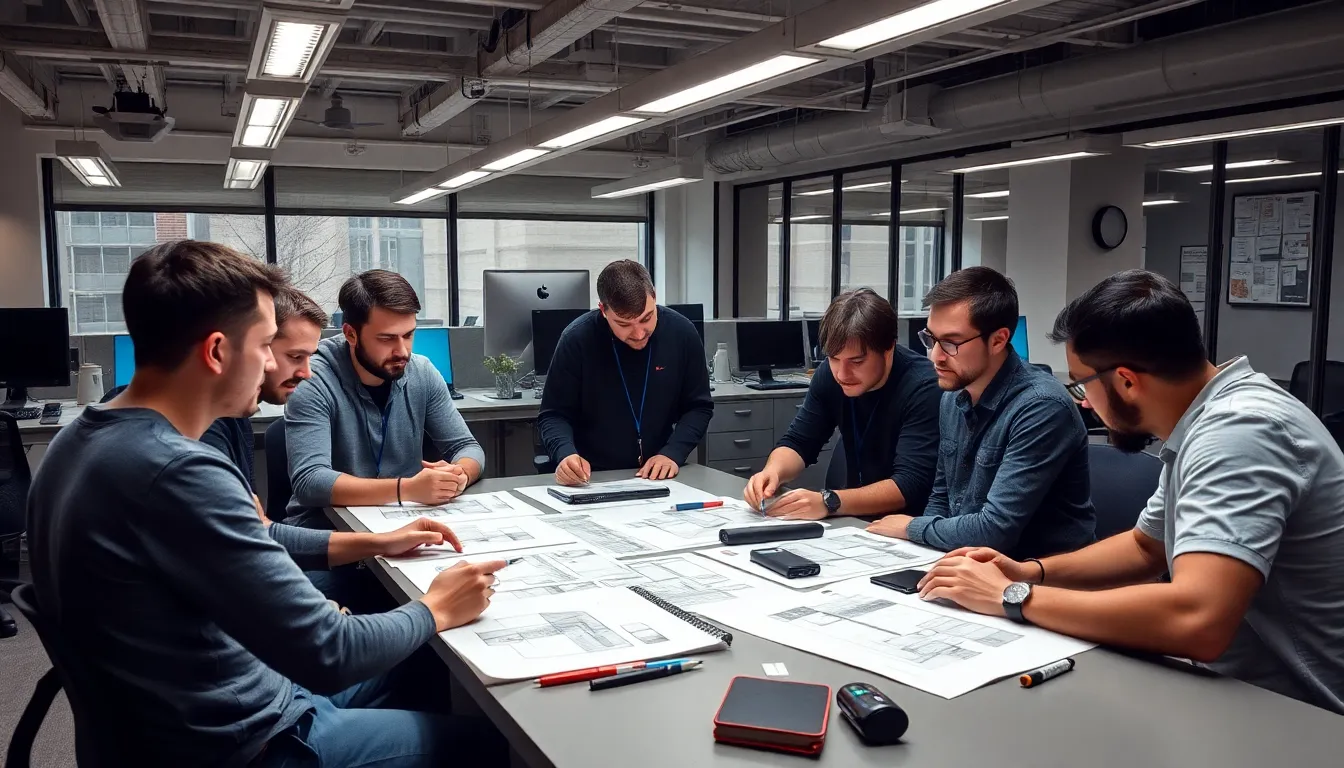
Frequently asked questions about the Quake Brutalist Game Jam
Insights and future outlook for the Quake Brutalist Game Jam
The Quake Brutalist Game Jam represents a unique convergence of art, gaming, and architectural commentary, highlighting the potential of video games to serve as a medium for social and cultural critique. As participants embrace the aesthetics of brutalism and the thematic undercurrents of dystopia, the event invites a deeper exploration of how design influences emotional and psychological responses in both virtual and real-world environments.
Looking ahead, the implications of this creative endeavor extend beyond mere entertainment. The intersection of game design and architectural philosophy may inspire new trends in both fields, encouraging a dialogue that challenges conventional aesthetics and explores the narratives embedded in urban landscapes.
- The event could pave the way for more collaborations between architects and game developers, fostering innovative approaches to spatial storytelling.
- As players engage with these brutalist designs, there may be a growing interest in how such aesthetics reflect societal issues, prompting discussions around urban decay and renewal.
- The success of the jam may inspire similar events that focus on other architectural movements, broadening the scope of game design as a platform for cultural expression.
- Future iterations of the jam could integrate emerging technologies, such as virtual reality, to enhance the immersive experience of brutalist environments.