
The court found Yoon guilty of abuse of power and violating the Constitution. His actions, which included plans to deploy military forces to suppress civilian demonstrations, have raised serious questions about the balance of power and civil liberties in South Korea. The case has attracted considerable public attention, reflecting deep divisions in the country regarding governance and the rule of law. For more insights on similar legal matters, you may read about the ongoing prosecution of Yoon.
Yoon’s sentencing is likely to have far-reaching implications for South Korean politics. It raises concerns about the future of political stability and governance in a country that has experienced significant political upheaval in recent years. Additionally, the ruling may influence upcoming elections and the strategies of political parties as they navigate the fallout from this landmark decision. Historical context is vital, particularly regarding past governance challenges.
Supporters of Yoon have expressed outrage over the verdict, claiming it is politically motivated and undermines democracy. Conversely, critics argue that the ruling is a necessary step toward accountability and transparency in government. As South Korea grapples with these issues, the impact of Yoon’s sentencing will be closely monitored both domestically and internationally.
Understanding the background of the martial law bid
The recent decision to jail South Korea’s former president Yoon for five years is deeply rooted in the country’s tumultuous political history, particularly regarding the use of martial law. South Korea has a complex legacy of authoritarian rule, with military coups and emergency powers shaping its governance throughout the late 20th century. The memories of past regimes, particularly during the 1960s to 1980s, where martial law was often employed to suppress dissent, remain vivid in the collective consciousness of the nation. For a more comprehensive understanding, visit this article.
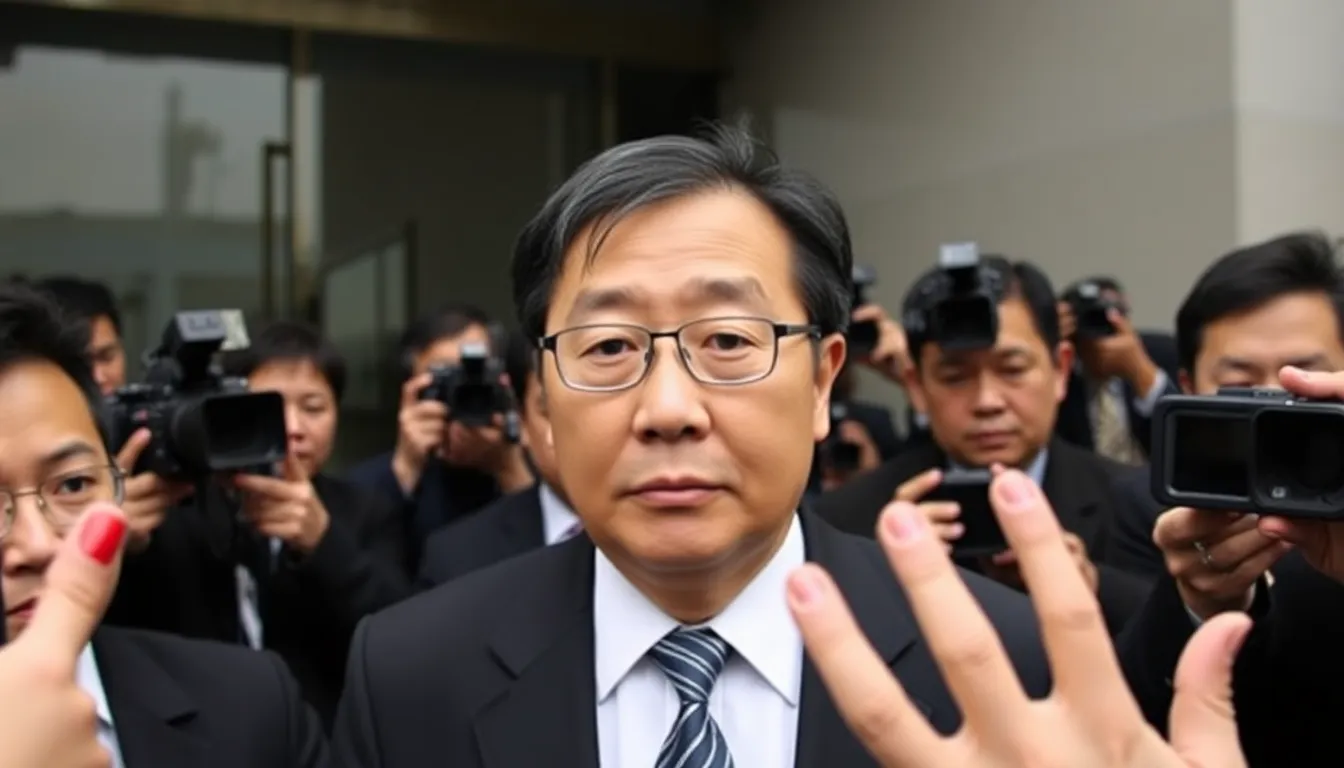
Yoon’s controversial bid for martial law was perceived as a desperate attempt to cling to power amidst widespread protests and political unrest. The public’s reaction to such a move echoed the historical resistance against authoritarianism, highlighting the lessons learned from past abuses of power. The political landscape has evolved significantly since the democratization movements of the late 1980s, which saw citizens actively opposing military rule and advocating for democratic governance.
Key milestones in South Korea’s democratic journey include the June Democratic Uprising of 1987, which ultimately led to the end of military dictatorship and the establishment of a more democratic political system. This historical context is crucial in understanding the backlash against Yoon’s actions, as many citizens view any attempt to reinstate martial law as a regression to a darker period in the nation’s history. The public’s commitment to democracy and civil rights serves as a powerful counterforce to any authoritarian impulses.
Political Repercussions and Public Sentiment
The political repercussions of Yoon’s actions have been significant, with widespread condemnation from opposition parties and civil society groups. Public sentiment has largely been against the former president, reflecting a strong desire to uphold democratic values and prevent the recurrence of past authoritarian practices. The legal proceedings that led to his sentencing are seen not just as a punishment for Yoon, but as a reaffirmation of South Korea’s commitment to democracy and the rule of law.
Key stakeholders and issues surrounding the case
The case of South Korea’s ex-president Yoon has attracted significant attention, drawing in various stakeholders with differing interests. Key actors include Yoon himself, the South Korean government, legal institutions, and the public. Each of these players has a unique stake in the outcome of this legal battle, which centers on the controversial bid to impose martial law during a period of civil unrest.
Yoon’s interests are primarily focused on his personal freedom and political legacy. As a former president, he strives to maintain his reputation and influence within South Korean politics, which is at risk due to the allegations against him. The government, on the other hand, aims to uphold the rule of law and demonstrate accountability, particularly in the wake of previous administrations facing corruption scandals.
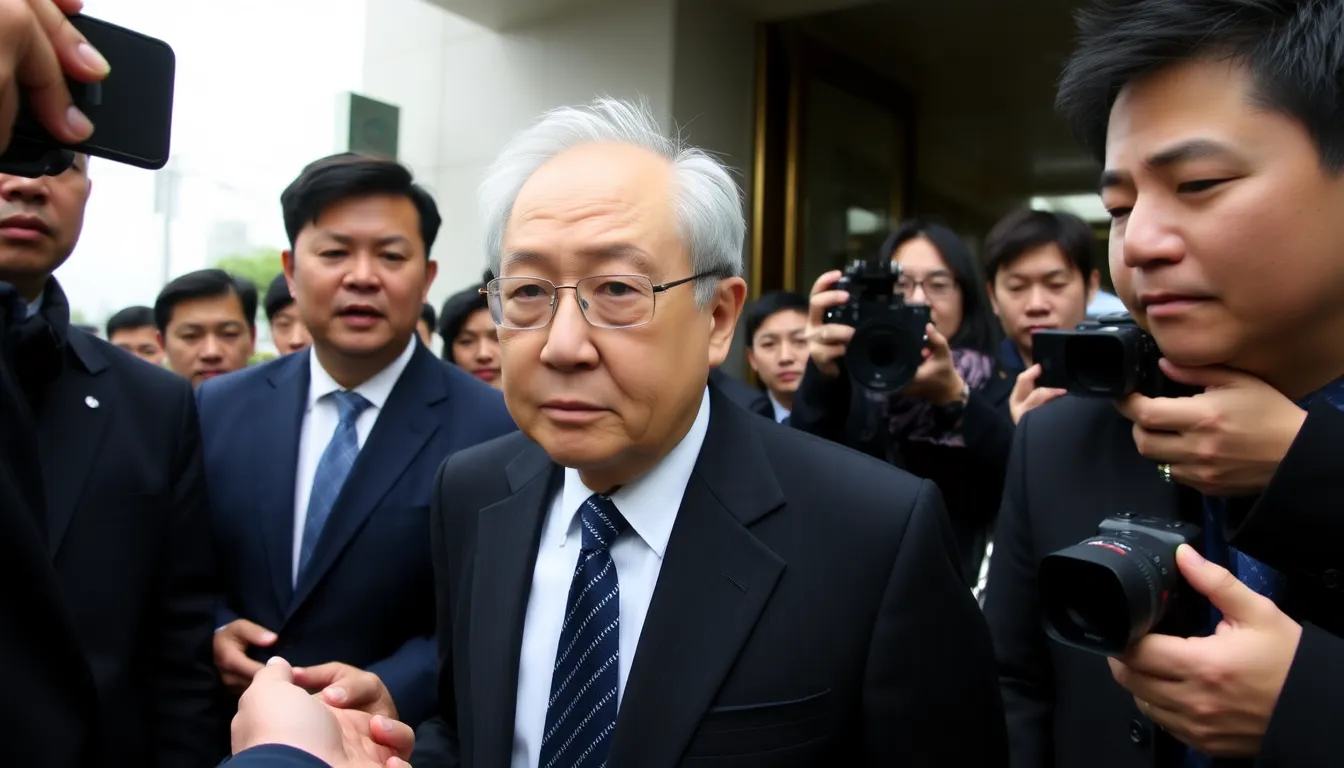
Legal institutions play a crucial role in this scenario, as they are responsible for adjudicating the case and ensuring a fair trial. Their interest lies in maintaining public trust in the judicial process, which could be challenged by perceptions of bias or political interference. Meanwhile, the public is deeply invested in the outcome, as it reflects broader societal concerns regarding governance, democracy, and civil rights in South Korea.
- Political ramifications: The case could influence upcoming elections and the political landscape in South Korea.
- Legal precedents: The ruling may set important legal precedents regarding the limits of executive power.
- Public sentiment: The reaction of the public could affect social stability and trust in institutions.
- International implications: The case may impact South Korea’s international relations, particularly with allies concerned about democratic governance.
- Media coverage: The media’s portrayal of the case could shape public perception and political discourse.
Potential impacts on South Korean politics and society
The sentencing of former President Yoon for his attempted martial law bid is poised to affect multiple sectors within South Korea. Political groups, civil society organizations, and the general populace will experience significant repercussions. The ruling may also influence public trust in political institutions and the overall democratic framework of the nation.
In the short term, the political landscape may become polarized, with supporters and opponents of Yoon mobilizing to voice their opinions. This could lead to increased protests and political activism, particularly among youth and civil rights groups. Additionally, businesses may face uncertainty as political instability often translates to economic unpredictability.
In the mid-term, this situation may prompt a reevaluation of policies regarding civil liberties and governmental powers. There could be a push for reforms aimed at safeguarding democracy, which might benefit civil society organizations advocating for transparency and accountability. However, there is also a risk of backlash from conservative factions that may feel marginalized by the ruling.
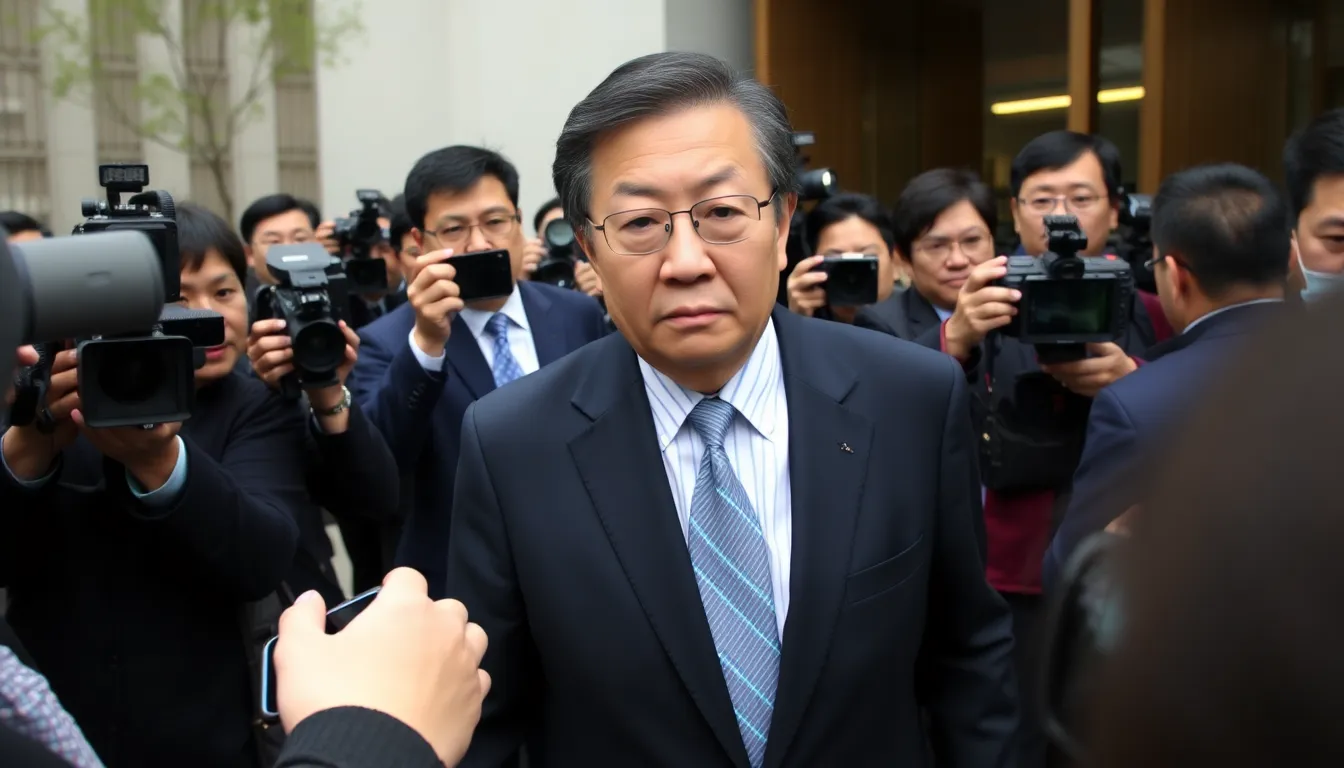
- Political Groups: Increased activism and polarization.
- Business Sector: Economic uncertainty affecting investment.
- Civil Society: Opportunities for advocacy and reform.
- Public Trust: Potential decline in trust toward political institutions.
Overall, while the ruling presents risks of instability and division, it also opens avenues for dialogue on democratic principles and governance reform, which could lead to a more robust civil society in the long run.
A: Yoon was sentenced for attempting to impose martial law during protests against his administration, which was seen as an abuse of power. A: Yoon’s sentencing could lead to increased political instability and influence public trust in government institutions. A: Public reactions have been mixed, with some supporting the ruling as a necessary accountability measure, while others view it as politically motivated. A: It is expected that Yoon will appeal the sentence, claiming it undermines his presidency and political legacy. A: This case sets a precedent for accountability among leaders in South Korea, potentially deterring future abuses of power.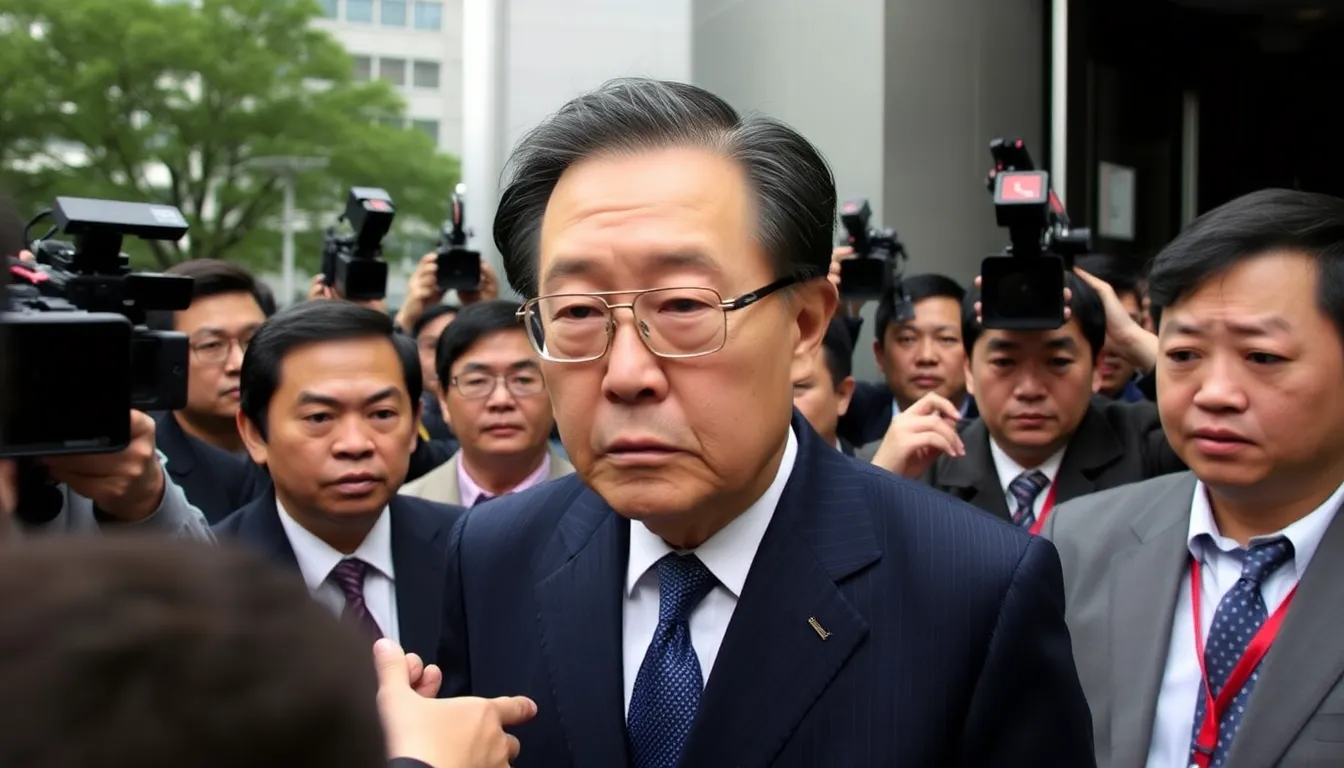
Frequently asked questions about Yoon’s case
Key takeaways and future outlook on political stability
The sentencing of former President Yoon underscores a significant turning point in South Korea’s political landscape, particularly concerning the balance of power and the rule of law. As public sentiment increasingly favors accountability among leaders, this case may set a precedent for future governance and political conduct.
Moving forward, the implications of this ruling could resonate through various sectors, influencing not only political dynamics but also public trust in institutions. Observers will need to monitor how this situation evolves, particularly in relation to upcoming elections and the potential for shifts in party alignments.
- Increased public scrutiny of political leaders may lead to a demand for greater transparency and accountability.
- The ruling could embolden opposition parties, potentially reshaping the political landscape in South Korea.
- Future governance may prioritize the rule of law, impacting legislative agendas and executive actions.
- Voter sentiment may shift, influencing electoral outcomes as citizens respond to issues of integrity and leadership.
- The international community will likely watch closely, as this case could affect South Korea’s diplomatic relations and stability in the region.