
This initiative has seen various high-profile figures, including former presidents, face serious legal repercussions for their actions while in office.
Prosecutors have cited specific incidents involving financial mismanagement and illicit activities that allegedly occurred during Yoon’s tenure. These claims have sparked widespread public interest and debate, raising questions about accountability and governance in the nation’s leadership. As the legal process unfolds, it is expected to draw significant media attention and public scrutiny.
The decision to pursue the death penalty is unprecedented for a former president and underscores the seriousness with which the authorities are treating the allegations. Legal experts suggest that this case could set a significant precedent for future political accountability in South Korea. As the situation develops, many are closely watching how it will affect public trust in the government and the justice system.
Understanding the background of Yoon’s presidency and charges
The political landscape of South Korea has been marked by a series of high-profile scandals and controversies, particularly involving former presidents. Yoon Suk-yeol, who took office in May 2022, succeeded Moon Jae-in amid a polarized political environment. His presidency has been characterized by a focus on economic recovery and national security, especially in relation to North Korea. However, it has also been overshadowed by allegations of corruption and abuse of power, leading to the current push for the death penalty from prosecutors.
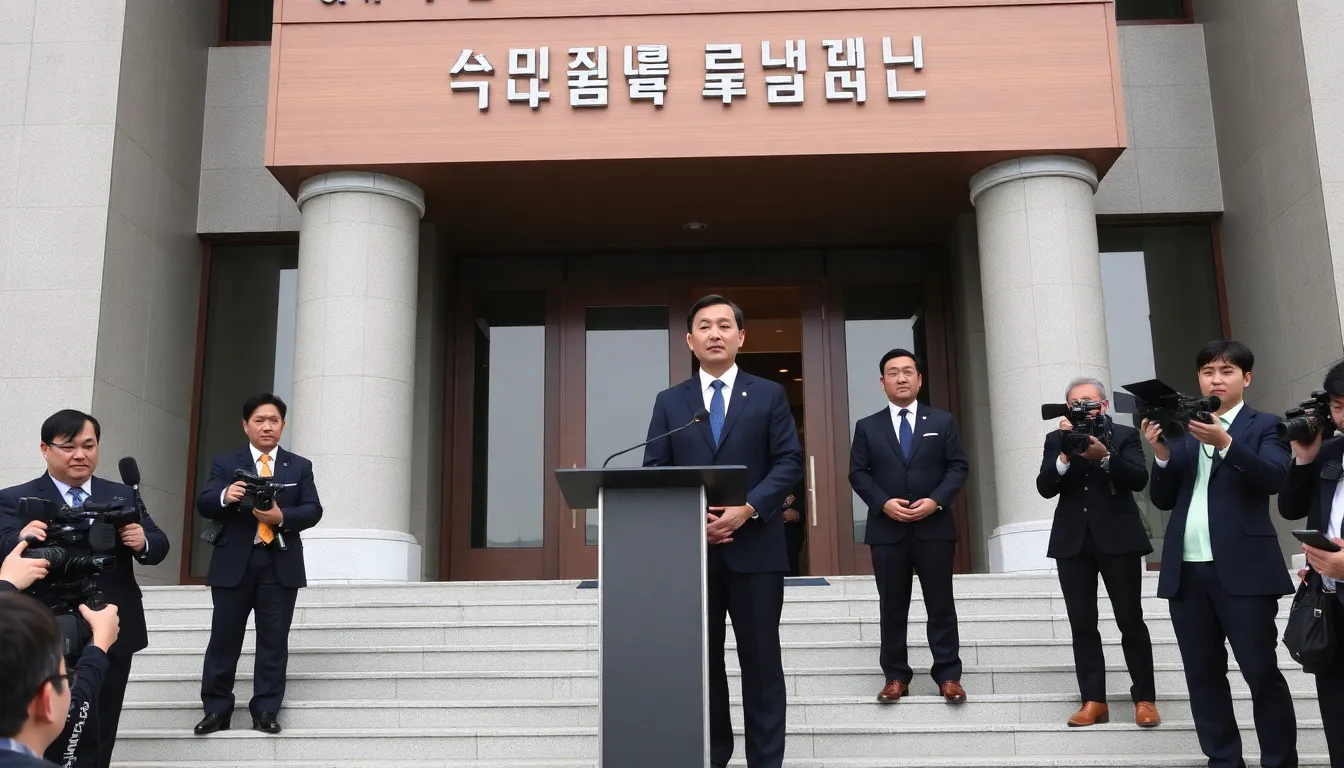
The country has seen a cycle of impeachments and legal battles, most notably with former presidents Park Geun-hye and Lee Myung-bak, both of whom were convicted on corruption charges.
The historical context of political corruption in South Korea
South Korea’s history of political corruption dates back several decades, with numerous leaders facing scrutiny and legal challenges. The impeachment of Park Geun-hye in 2016, for instance, was a pivotal moment that galvanized public sentiment against corruption in government. This event not only led to her removal from office but also sparked widespread protests calling for transparency and accountability in politics. Such precedents have set a tone for current administrations, including Yoon’s, where allegations can lead to severe consequences.
Investors and citizens alike watch closely as the outcomes of these cases unfold, influencing both domestic and foreign perceptions of South Korea’s political stability.
In summary, the pursuit of the death penalty for Yoon reflects not only the gravity of the charges against him but also the historical context of political accountability in South Korea. As the nation grapples with its legacy of corruption, the outcome of this case could have lasting implications on its political and economic landscape.
Key stakeholders and the implications of the death penalty pursuit
The case against former South Korean president Yoon has drawn significant attention from various stakeholders, each with distinct interests and potential implications. The primary actors in this situation include the South Korean government, the judiciary, civil society organizations, and the general public. Understanding their motivations and concerns is crucial for grasping the broader context of the legal proceedings.
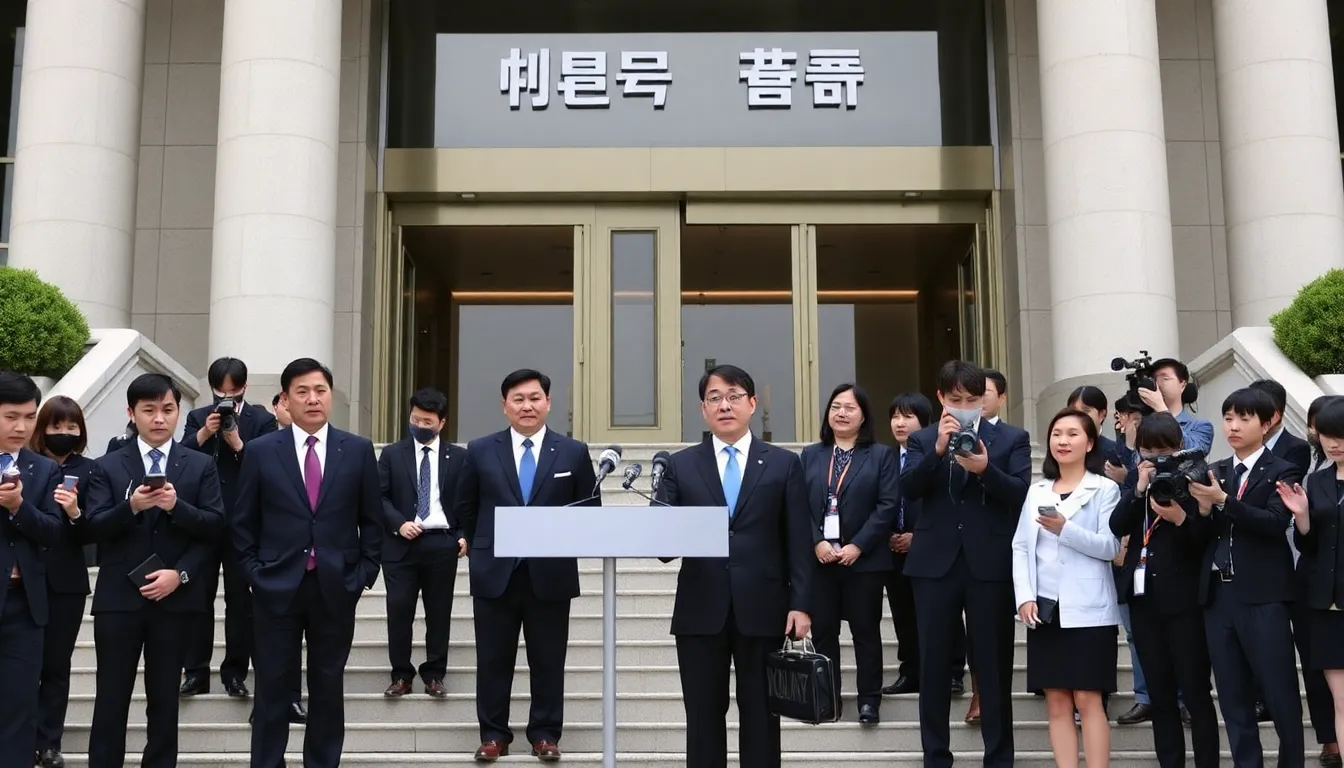
The South Korean government, particularly the current administration, has a vested interest in maintaining the rule of law and public confidence in its institutions. By pursuing the death penalty, the government signals a tough stance against corruption and abuse of power, which resonates with many citizens who demand accountability from their leaders. However, this approach also raises concerns regarding human rights and the potential for politicization of the judiciary.
Judicial authorities are tasked with ensuring a fair trial while navigating the complexities of public opinion and political pressure. The decision to seek the death penalty could set a significant precedent in South Korea, where capital punishment remains a contentious issue. Legal experts warn that the implications of such a decision may extend beyond this case, potentially influencing future prosecutions of high-profile figures.
- Human Rights Concerns: The pursuit of the death penalty may attract criticism from domestic and international human rights organizations, which advocate for the abolition of capital punishment.
- Public Sentiment: The general public’s response to the death penalty can vary, with some supporting it as a deterrent against corruption, while others view it as an outdated form of punishment.
- Political Ramifications: The case could impact the current administration’s popularity and its approach to governance, especially if perceived as politically motivated.
- Legal Precedents: The outcome may influence future cases involving former officials, shaping the legal landscape surrounding accountability in public office.
- International Relations: South Korea’s stance on the death penalty may affect its relations with countries that oppose capital punishment, potentially influencing diplomatic ties.
In summary, the pursuit of the death penalty against ex-president Yoon encapsulates a complex interplay of legal, political, and social factors. Each stakeholder’s position reflects broader societal values and the ongoing debate over justice and human rights in South Korea.
The potential impact on South Korean society and politics
The prosecution’s decision to seek the death penalty for former President Yoon has significant implications for various groups within South Korean society. Political factions, civil rights organizations, and the general public are poised to react strongly, shaping the discourse around justice and governance in the country.
In the short term, the legal proceedings are likely to dominate headlines, influencing public opinion and potentially polarizing citizens. Supporters of Yoon may rally against what they perceive as a politically motivated prosecution, while opponents may see this as a necessary step towards accountability. This division could strain social cohesion, affecting community interactions and trust in institutions.
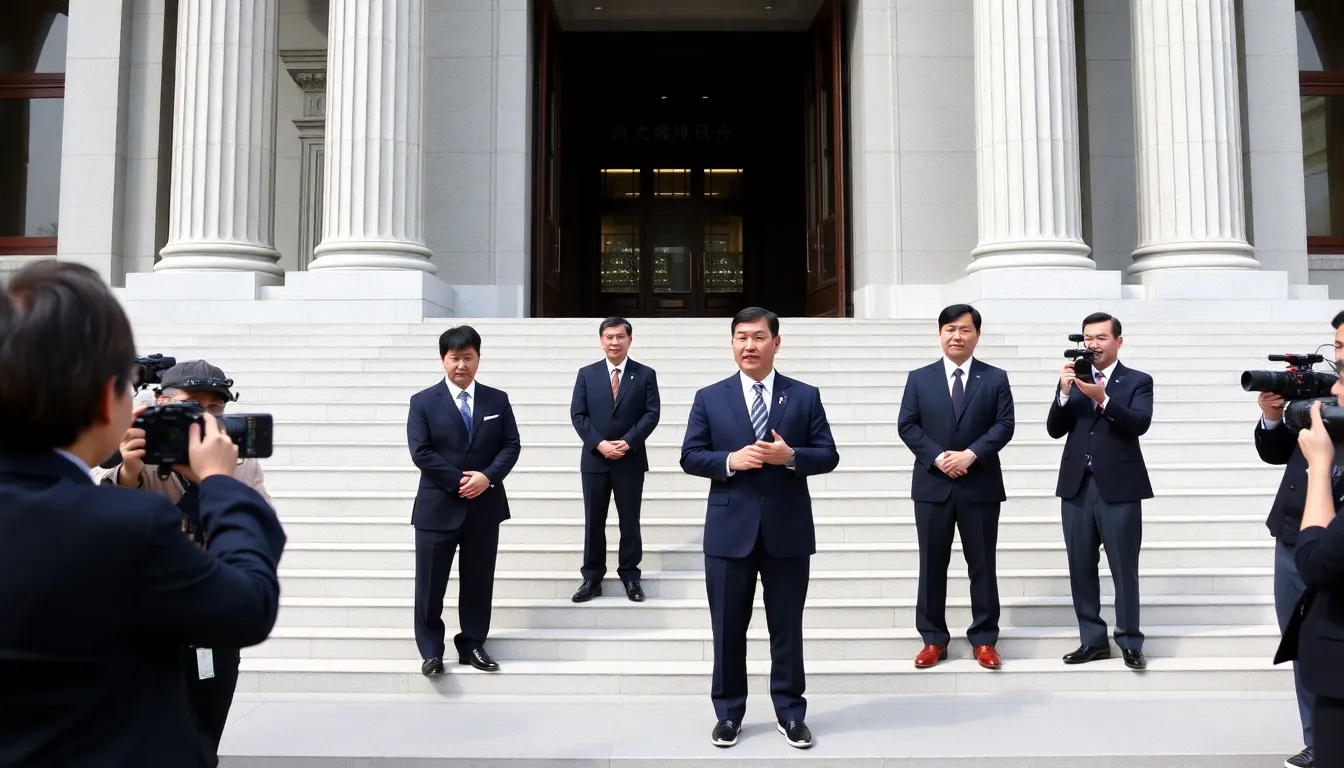
Industries related to media, legal services, and public relations may experience heightened activity as the case unfolds. Media outlets will likely see an increase in viewership and readership, driven by public interest in the trial. Additionally, legal firms may find opportunities in consulting and representation as the implications of the case ripple through the political landscape.
- Short-term impacts: Increased media coverage, public demonstrations, and heightened political tensions.
- Mid-term impacts: Potential shifts in policy regarding capital punishment and political accountability.
- Risks: Social unrest, political polarization, and instability in governance.
- Opportunities: Engagement in legal reform discussions and a push for greater transparency in government actions.
As the case progresses, the ramifications are likely to extend beyond the courtroom. Policymakers may feel pressured to revisit laws surrounding capital punishment and political accountability, potentially leading to significant legislative changes. These developments could reshape the political landscape and influence future elections, as candidates may align their platforms in response to public sentiment surrounding the case.
A: Yoon is facing multiple charges related to corruption and abuse of power during his presidency. A: If sentenced to death, it would mark a historic and controversial decision in South Korea, a country that has largely moved away from capital punishment. A: Public reaction has been mixed, with some supporting the prosecution’s stance while others view it as politically motivated. A: The legal process will involve trials and hearings, where evidence will be presented, and Yoon will have the opportunity to defend himself. A: This case could significantly impact the political landscape, influencing public trust in government and future elections.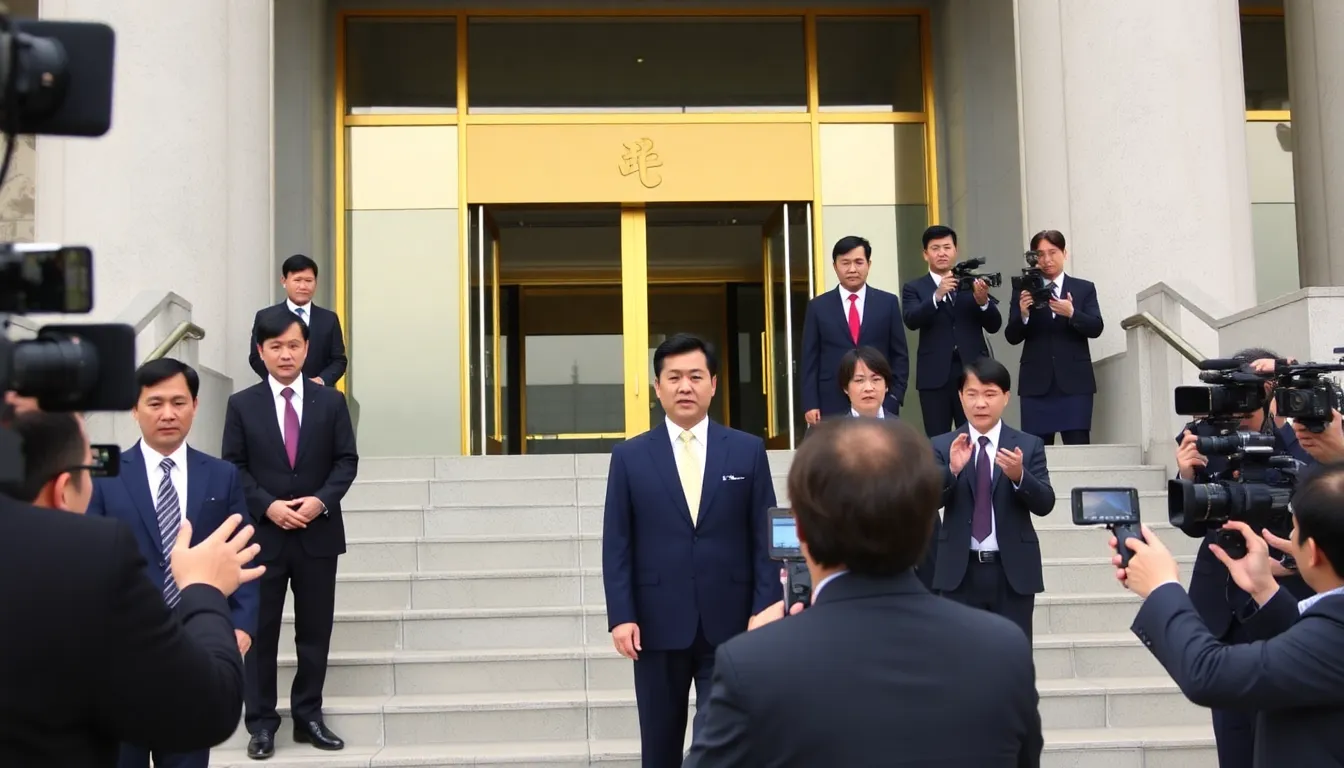
Frequently asked questions about the case
Looking ahead: implications and key takeaways
The prosecution’s pursuit of the death penalty for former President Yoon marks a significant moment in South Korea’s political landscape, reflecting deep divisions within the country. This unprecedented legal action raises questions about accountability and the rule of law in a nation grappling with its past leadership controversies. The outcome of this case could set a precedent for how future administrations are held accountable for their actions and decisions.
As the situation unfolds, it is crucial to monitor public sentiment and the potential impact on political stability. The response from both supporters and opponents of Yoon will likely shape the discourse surrounding governance and justice in South Korea for years to come.
- The case may influence public trust in the judicial system and its ability to impartially address political corruption.
- Potential international reactions could affect South Korea’s diplomatic relations, particularly with nations that have differing views on capital punishment.
- This trial could galvanize political movements either in support of or against the death penalty, impacting future elections and policy debates.
- The legal proceedings may reveal new information about Yoon’s administration, potentially reshaping historical narratives surrounding his presidency.