
The trumpet, made of bronze, is believed to date back to around 300 BC, a period known for its tribal conflicts and military formations. The boar standard, a symbolic representation often associated with warrior tribes, further emphasizes the martial significance of this era. Experts are now analyzing these artifacts to gain insights into the societal structures and beliefs of Iron Age communities.
This discovery not only enriches the historical narrative of the Iron Age in Britain but also raises questions about the technological capabilities of the time. The craftsmanship displayed in both the trumpet and the standard suggests a high level of skill and artistry, indicating that these items were likely used in ceremonial contexts as well as in battle.
Furthermore, the find has sparked renewed interest in the region’s archaeological landscape, prompting calls for further excavations and research. Local historians and cultural organizations are advocating for the preservation of the site, hoping to uncover more artifacts that could shed light on the lives of those who lived during this tumultuous period and enhance our understanding of historical narratives.
Understanding the significance of Iron Age artifacts
The discovery of a rare Iron Age war trumpet and boar standard offers a fascinating glimpse into a period marked by significant social and political upheaval in ancient societies. The Iron Age, which began around 1200 BCE in Europe, was characterized by advancements in metalworking, the rise of complex societies, and the establishment of trade networks. These artifacts not only serve as relics of military prowess but also as symbols of cultural identity and community cohesion.
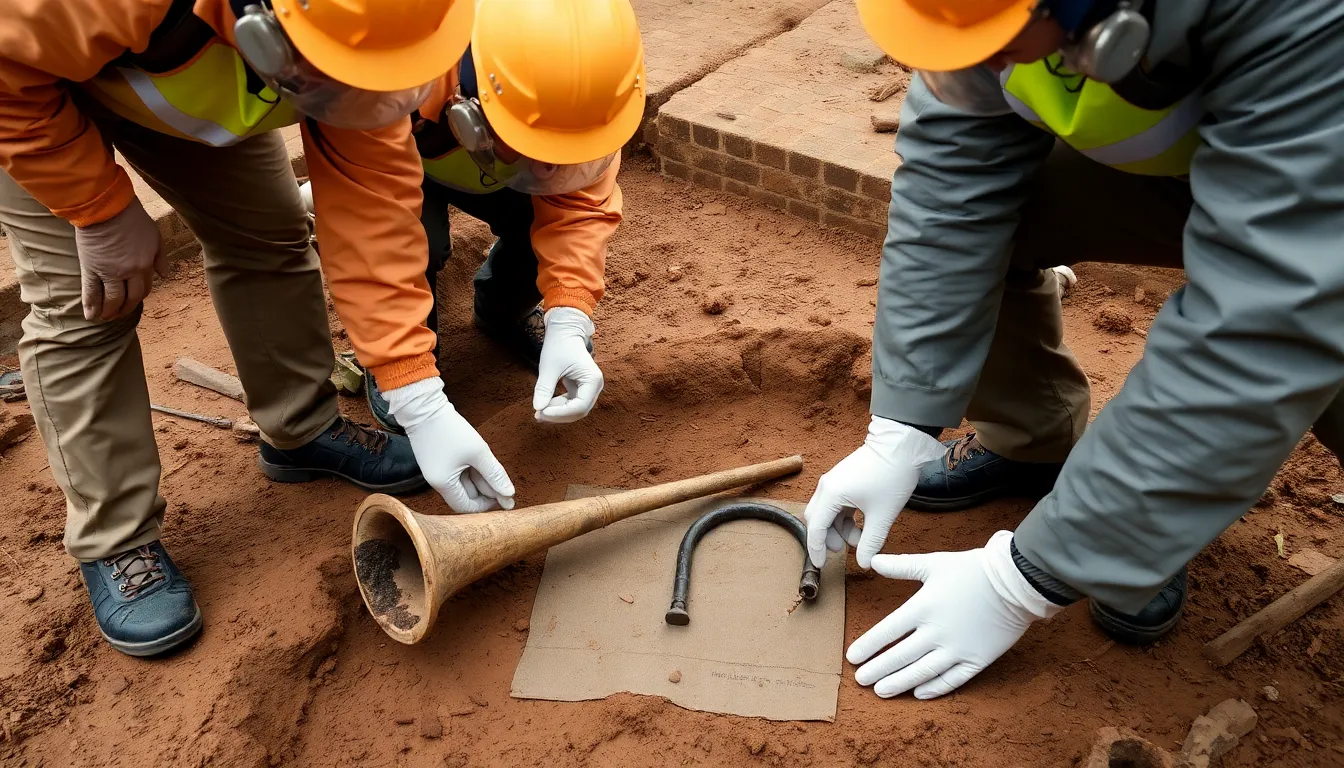
Historically, the Iron Age saw the emergence of powerful tribal confederations and kingdoms, particularly in regions such as Britain, Gaul, and the Germanic territories. The use of war trumpets in battle was a strategic innovation, allowing leaders to communicate orders across the chaos of combat. The boar standard, often associated with warrior tribes, represented strength and ferocity, embodying the values that were revered in these societies. Such artifacts provide insight into the rituals and beliefs that shaped the lives of these ancient peoples.
The Role of Warfare in Iron Age Societies
Warfare during the Iron Age was not merely a matter of territorial expansion; it was deeply intertwined with the social fabric of the time. Tribal identities were often forged through conflict, and victories were celebrated through the creation of symbols like the boar standard. These artifacts were not only practical but also served as a means of unifying warriors under a common banner, fostering a sense of belonging and purpose. The findings of the war trumpet and standard highlight the importance of military achievements in solidifying power and influence among competing groups.
Economically, the Iron Age was a period of significant transformation, with increased agricultural production and the rise of trade networks. The production of metal goods, including weapons and ceremonial items, became a vital industry, influencing social hierarchies and wealth distribution. The artifacts discovered are a testament to the craftsmanship and resources available to these societies, reflecting both their technological advancements and their socio-economic structures.
As archaeological methods advance, discoveries like the war trumpet and boar standard not only enrich our understanding of the Iron Age but also challenge previous narratives about these ancient cultures. Each find adds a layer of complexity to our knowledge of the past, revealing the interconnectedness of warfare, economy, and social identity in shaping the historical landscape of Europe during this pivotal era.
Analyzing the implications of the trumpet and standard on historical military practices
The discovery of the rare Iron Age war trumpet and boar standard has significant implications for understanding the military practices of the time. Key stakeholders in this find include archaeologists, historians, local governments, and cultural heritage organizations. Each of these groups has a vested interest in the artifacts, as they can provide insights into the social and military structures of Iron Age societies.
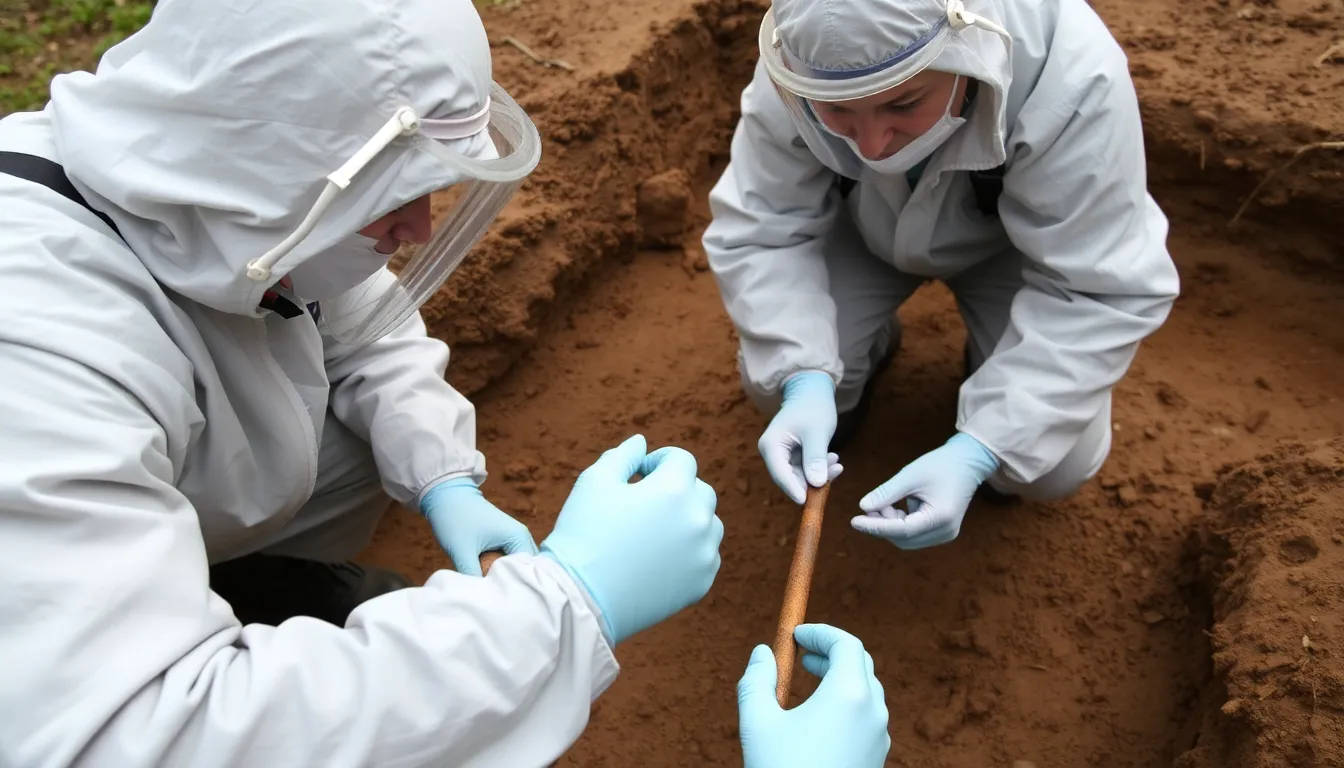
Archaeologists and historians are primarily interested in the artifacts for their potential to reshape narratives about warfare and ritual practices in Iron Age cultures. The war trumpet may suggest the use of sound in military strategy, while the boar standard could indicate the importance of symbolism in battle. These findings could lead to a reassessment of existing theories regarding military organization and social hierarchy during this period.
Local governments and cultural heritage organizations also play a critical role in the aftermath of such discoveries. They are tasked with the preservation and promotion of historical artifacts, which can boost tourism and educational opportunities in the region. However, this raises questions about the management of archaeological sites and the ethical implications of excavation and display.
- Conflict of Interests: The interests of archaeologists in preserving artifacts may conflict with local economic interests that favor excavation for tourism.
- Legal Issues: The ownership and rights to the artifacts may lead to disputes between finders, local governments, and national heritage bodies.
- Economic Trade-offs: Investment in archaeological research versus potential benefits from tourism can create tension among stakeholders.
- Cultural Significance: The artifacts may hold different meanings for various communities, leading to differing opinions on their display and interpretation.
- Public Engagement: Engaging the public in discussions about the artifacts can help bridge gaps between academic research and community interests.
As these stakeholders navigate the complexities surrounding the trumpet and standard, their interactions will shape the future of Iron Age studies and the preservation of cultural heritage. The ongoing dialogue among these groups will be crucial in addressing the various conflicts and trade-offs that arise from such significant archaeological finds.
Impact of the discovery on archaeology and historical understanding
The recent discovery of a rare Iron Age war trumpet and boar standard has significant implications for various groups, including archaeologists, historians, and local communities. This find not only enriches our understanding of Iron Age warfare and culture but also highlights the importance of preserving historical artifacts. As researchers delve deeper into the context of these items, they may uncover new insights that reshape current historical narratives.
In the short term, this discovery is likely to attract attention from academic institutions and museums, leading to increased funding for archaeological research and preservation efforts. Local businesses in the region may also see a boost due to an influx of tourists and scholars interested in the site. This could result in a temporary economic uplift for hospitality and retail sectors in nearby towns.
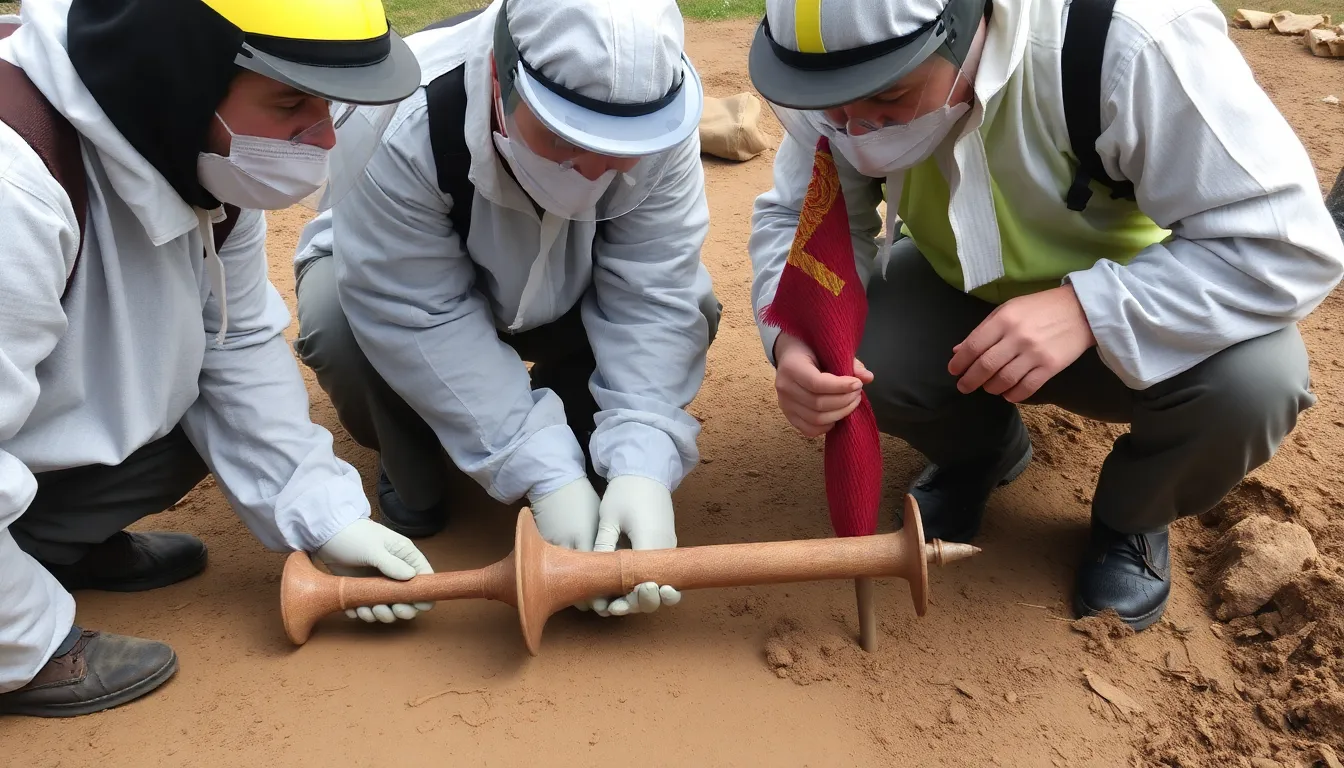
In the mid-term, the implications extend to educational institutions as new curricula may be developed around the findings. Schools and universities could incorporate these artifacts into their programs, fostering a greater appreciation for Iron Age history among students. Additionally, policymakers may be prompted to enhance regulations surrounding archaeological sites to ensure better protection of such valuable discoveries.
- Tourism Growth: Increased interest in archaeological sites may lead to a rise in local tourism.
- Funding Opportunities: Potential for increased grants and funding for archaeological research.
- Cultural Preservation: Heightened awareness and efforts to protect historical sites and artifacts.
- Educational Advancements: New educational programs and resources based on the findings.
However, there are risks associated with this discovery as well. The potential for looting or illegal excavation may increase if the site attracts too much attention. Additionally, local governments must balance the economic benefits of tourism with the need to protect the integrity of the archaeological site. Engaging the local community in preservation efforts could mitigate some of these risks while fostering a sense of ownership and pride in their historical heritage.
A: The Iron Age war trumpet is significant as it provides insights into the military communication methods of ancient cultures. Its design and craftsmanship reflect the technological advancements of the time. A: The artifacts were discovered in a burial site in Europe, which is known for its rich archaeological history. This location has yielded various other significant finds in the past. A: This discovery helps historians and archaeologists understand the social and military structures of Iron Age societies, including their rituals and the importance of symbolism in warfare. A: The artifacts were found in remarkably good condition, allowing for detailed analysis and preservation efforts. This condition enhances their value for study and display. A: Plans are underway to display the trumpet and standard in a local museum, providing the public with an opportunity to learn about Iron Age history.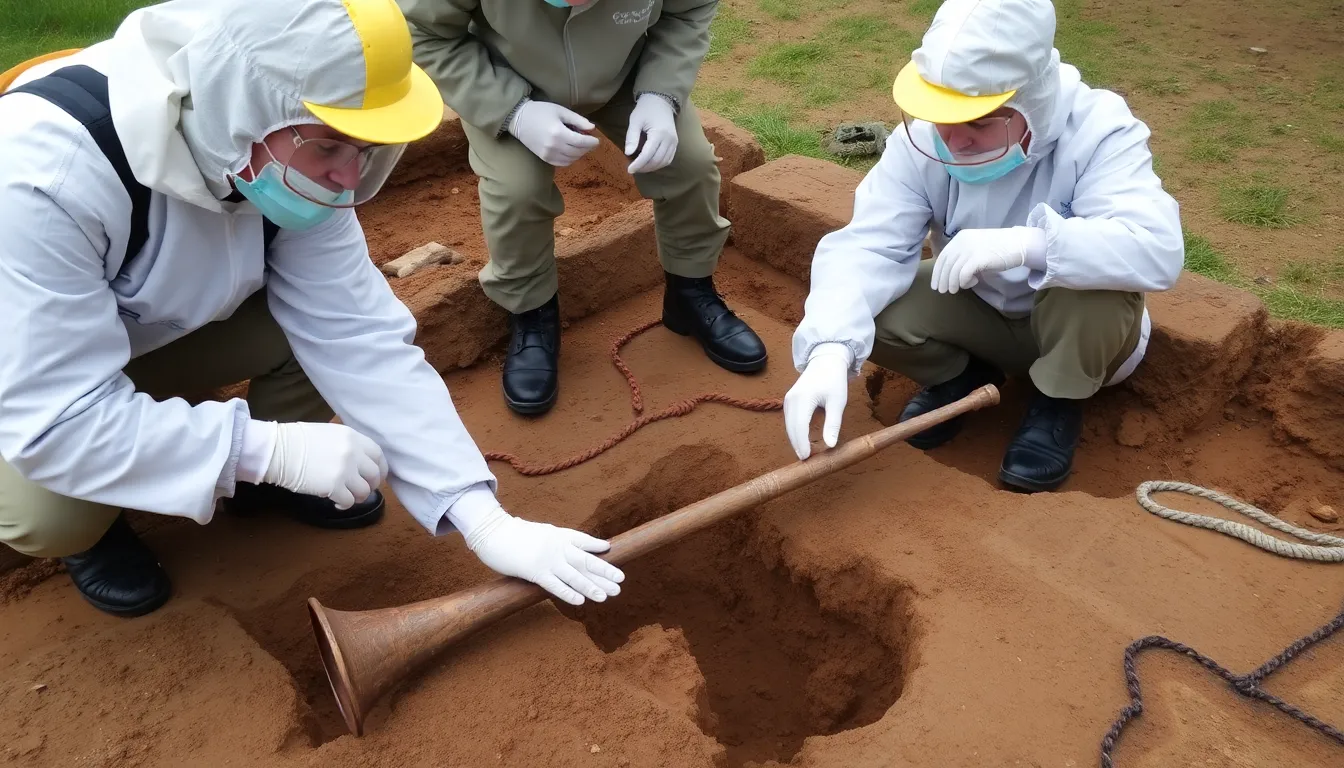
Frequently Asked Questions about the discovery
Key insights and future implications of the find
The discovery of the rare Iron Age war trumpet and boar standard not only enriches our understanding of the cultural and military practices of the time but also opens new avenues for archaeological research. These artifacts provide tangible evidence of the social dynamics and ceremonial aspects of warfare in ancient societies, suggesting a complex interplay between military prowess and cultural identity.
As researchers continue to analyze these findings, they may uncover further insights into the technological advancements of the period and the significance of symbols in rallying troops. This could lead to a reevaluation of existing narratives surrounding Iron Age societies and their interactions with neighboring cultures.
- The artifacts highlight the importance of ritual and symbolism in Iron Age warfare, suggesting that military engagements were as much about culture as they were about conquest.
- Future studies may reveal connections between the artifacts and trade networks, offering insights into the economic aspects of Iron Age societies.
- The find could prompt a surge in archaeological interest in similar sites, potentially leading to more discoveries that further illuminate this period.
- As the research progresses, the implications for understanding social hierarchies and community organization in Iron Age cultures may become clearer.