
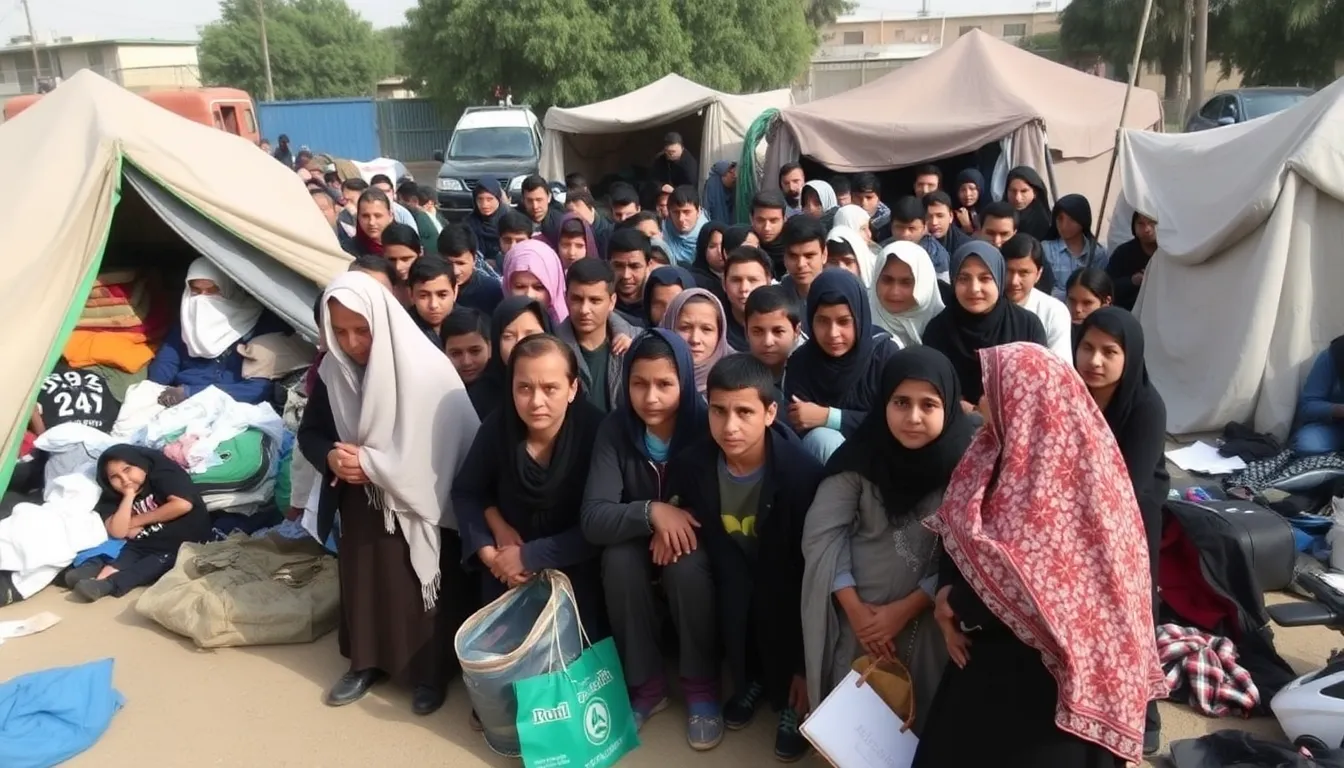
Since the escalation of violence in early October 2023, an estimated 1.5 million people have been displaced, with many seeking safety in neighboring countries. Egypt has been hosting a significant number of these individuals, but the lack of formal entry has resulted in overcrowded conditions and limited access to basic necessities. Aid organizations have raised alarms about the deteriorating living conditions for these displaced individuals.
The Egyptian government, while expressing solidarity with the Palestinian cause, has emphasized its concerns regarding security and the potential influx of refugees. Diplomatic discussions are ongoing, with various international actors urging for the reopening of the border to facilitate humanitarian aid and support. The urgency of the situation is underscored by reports of increasing health issues and food shortages among the displaced population.
As the international community watches closely, the future remains uncertain for those waiting at the border. The reopening of the Rafah crossing is not only critical for humanitarian reasons but also holds significant political implications for the broader regional stability. The plight of displaced Palestinians in Egypt serves as a stark reminder of the ongoing conflict and its far-reaching effects on innocent lives.
Understanding the historical context of the Gaza border situation
The Gaza Strip, a small territory bordered by Israel and Egypt, has been a focal point of conflict and humanitarian crises for decades. Following the 1948 Arab-Israeli War, many Palestinians were displaced, with a significant number seeking refuge in Gaza. The situation worsened after the 1967 Six-Day War, when Israel occupied Gaza, leading to a complex interplay of military governance, settlement expansion, and resistance movements.
In 2005, Israel unilaterally withdrew its military and settlers from Gaza, but it maintained control over its borders, airspace, and maritime access. This withdrawal did not lead to peace; instead, it marked the beginning of a blockade imposed by Israel and Egypt, aimed at restricting the movement of goods and people in response to security concerns, particularly following the rise of Hamas, an Islamist political and militant group, which took control of Gaza in 2007.
The blockade has had dire economic implications for the residents of Gaza, leading to high unemployment rates, limited access to essential services, and a deteriorating infrastructure. The humanitarian situation has been exacerbated by recurring conflicts between Hamas and Israel, most notably the wars in 2008-09, 2012, and 2014, which resulted in significant loss of life and destruction of property.
The Role of Egypt
Egypt’s role in the Gaza border situation is also critical. The Rafah crossing, Gaza’s only entry point to Egypt, has been intermittently opened and closed, often under strict regulations. While Egypt has occasionally allowed humanitarian aid to flow into Gaza, it has also enforced the blockade in alignment with Israeli security concerns, fearing that an open border could empower Hamas. This has left many displaced Palestinians in Egypt in a state of limbo, uncertain about their future and the possibility of returning home as the conflict continues. The ongoing crisis surrounding displaced Palestinians in Egypt has drawn the attention of various stakeholders, each with distinct interests and perspectives.
Analyzing the stakeholders involved in the Gaza border crisis
The ongoing crisis surrounding displaced Palestinians in Egypt has drawn the attention of various stakeholders, each with distinct interests and perspectives. At the forefront are the displaced Palestinians themselves, who are seeking refuge and safety as they await the reopening of the Gaza border. Their immediate concern centers on access to basic necessities, humanitarian aid, and the possibility of returning to their homes.
Governments in the region, particularly Egypt and Israel, play critical roles in the situation. Egypt, which shares a border with Gaza, has been tasked with managing the flow of displaced individuals while balancing its own national security interests. The Egyptian government is also under pressure from international organizations and human rights groups to provide adequate support for the displaced population. Meanwhile, Israel’s policies regarding border security and movement significantly impact the humanitarian situation for those seeking refuge.
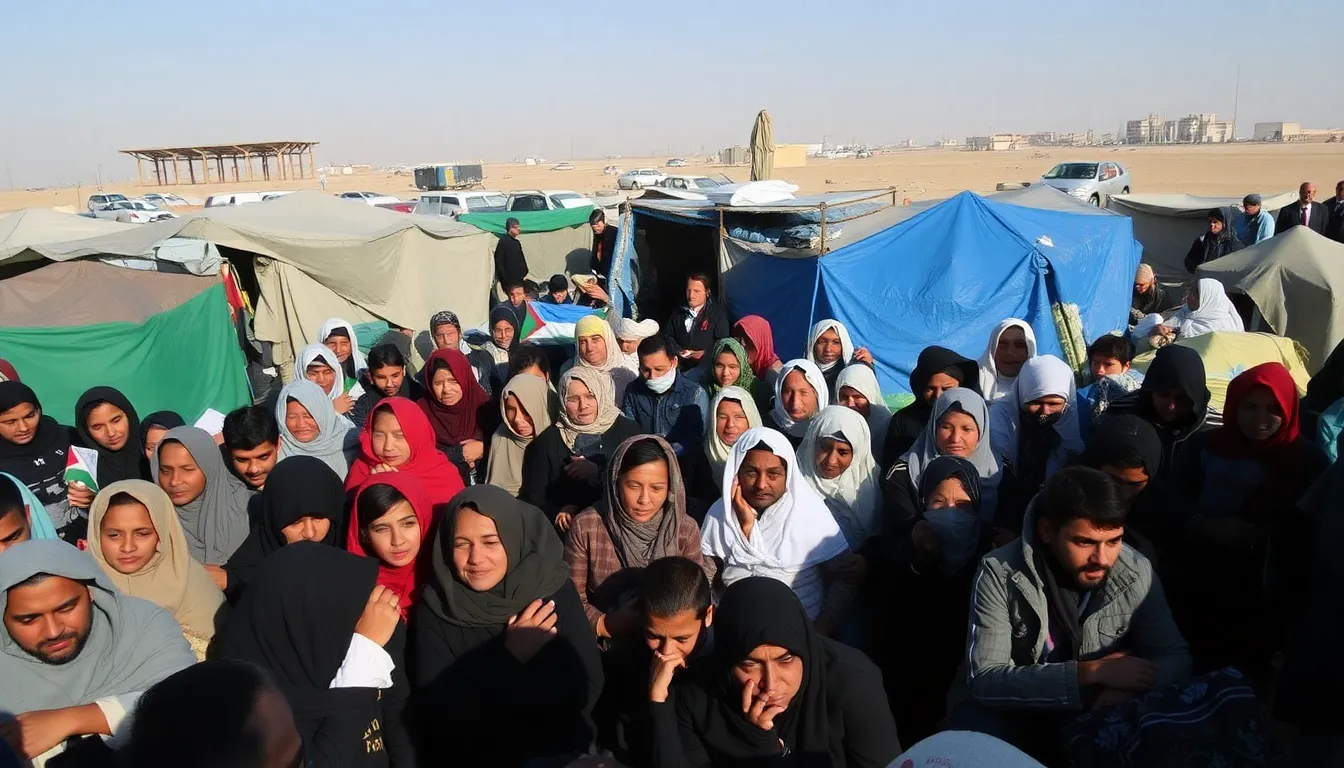
International organizations such as the United Nations Relief and Works Agency (UNRWA) and various non-governmental organizations (NGOs) are also key players in this crisis. Their interests lie in providing humanitarian assistance, advocating for the rights of displaced individuals, and ensuring that basic services are available. These organizations face challenges in securing funding and navigating the complex political landscape, which can hinder their efforts to deliver aid effectively.
- Humanitarian Aid Access: The ability of NGOs to deliver aid is often restricted by border policies and security concerns.
- Political Dynamics: The relationships between Egypt, Israel, and Palestinian authorities influence the conditions at the border.
- Legal Rights: Displaced individuals face legal challenges regarding their status and rights in Egypt and beyond.
- Public Opinion: The sentiments of the Egyptian public towards the displaced Palestinians can affect government policies.
- International Pressure: Global calls for humanitarian access and support can impact local and regional responses.
In summary, the situation at the Gaza border involves a complex interplay of interests and challenges among various stakeholders. Understanding these dynamics is crucial for comprehending the broader implications of the crisis and the prospects for resolution.
The impact of the border closure on displaced Palestinians in Egypt
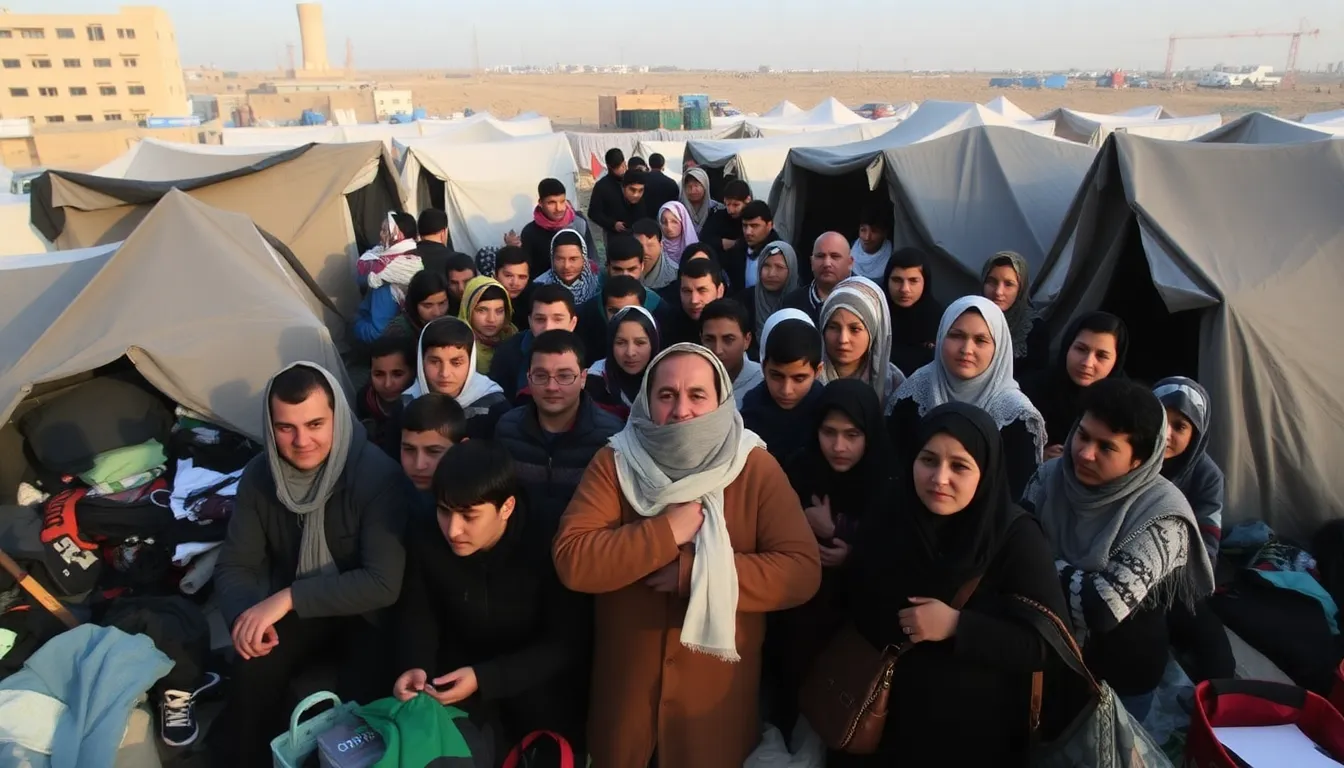
The ongoing border closure has significantly affected various groups and industries both in Egypt and the broader region. Displaced Palestinians, primarily women and children, face immediate challenges in accessing basic necessities such as food, healthcare, and shelter. Local Egyptian communities also feel the strain as they try to accommodate the influx of refugees, leading to increased pressure on public services and resources.
In the short term, the closure has led to heightened tensions in border areas, with humanitarian organizations struggling to provide adequate support. Businesses that rely on cross-border trade, particularly those in the food and construction sectors, are experiencing disruptions. The local economy may suffer as demand for goods and services fluctuates, impacting employment rates and livelihoods.
Mid-term impacts could include shifts in policy as the Egyptian government grapples with the humanitarian crisis. Increased international pressure may lead to changes in border regulations or aid distribution strategies. Additionally, the situation presents opportunities for NGOs and humanitarian organizations to expand their operations and partnerships, focusing on long-term solutions for displaced populations.
- Humanitarian Aid: Increased demand for food, healthcare, and shelter services.
- Local Economy: Disruptions in trade affecting businesses and employment.
- Policy Changes: Potential adjustments in border regulations and aid distribution.
- NGO Opportunities: Expansion of humanitarian efforts and partnerships.
Overall, while the closure poses significant risks to daily life and economic stability, it also opens avenues for collaborative efforts to address the needs of displaced Palestinians, potentially leading to innovative solutions in crisis management and humanitarian aid delivery.
A: The Gaza border remains closed, leaving many displaced Palestinians in Egypt in a state of uncertainty. They are waiting for any news regarding its reopening. A: Many Palestinians have been displaced due to ongoing conflicts in Gaza, leading them to seek refuge in neighboring countries like Egypt. A: Displaced Palestinians face numerous challenges, including limited access to basic services, legal status issues, and emotional distress from separation from their homeland. A: The international community can provide humanitarian aid, advocate for their rights, and facilitate negotiations for safe passage back to Gaza. A: Various diplomatic efforts are underway to negotiate the reopening of the Gaza border, but progress has been slow due to political complexities.
Frequently Asked Questions about the Gaza border situation
Key insights and future outlook on the Gaza border reopening
The situation for displaced Palestinians in Egypt remains precarious as they await the reopening of the Gaza border. The implications of this delay extend beyond immediate humanitarian needs, impacting regional stability and international diplomatic efforts. As the humanitarian crisis deepens, the urgency for action from both local authorities and international organizations becomes increasingly critical.
Monitoring the evolving political landscape will be essential, as any developments in negotiations or border policy could significantly alter the conditions for those displaced. The response from various stakeholders, including Egypt, Israel, and international agencies, will play a pivotal role in shaping the future for these individuals.
- Humanitarian Aid Access: Increased pressure on international bodies to facilitate aid delivery as conditions worsen for displaced individuals.
- Political Dynamics: Watch for shifts in local and international political stances that may influence border policies and humanitarian responses.
- Public Sentiment: The reaction of the local Egyptian population and civil society organizations could impact the government’s approach to the border situation.
- Potential for Escalation: Heightened tensions in the region could arise if the situation remains unresolved, affecting broader geopolitical relations.
- Long-term Displacement Solutions: The need for sustainable solutions for displaced Palestinians will become more pressing as time progresses.