
Critics argue that the decision reflects a lack of confidence in the current leadership’s ability to respond to security threats effectively, particularly as Ukraine continues to face military aggression from Russia. This situation draws parallels to how public figures must navigate challenges in their respective fields.
Furthermore, the reshuffle has sparked criticism from various political factions and analysts who question the timing and rationale behind these changes. Some believe that the dismissals are a distraction from deeper systemic issues within the intelligence community, including allegations of corruption and inefficiency.
As Ukraine prepares for a challenging winter and potential escalations in the conflict, the implications of these leadership changes could be far-reaching. The effectiveness of Ukraine’s intelligence agencies is crucial not only for national security but also for maintaining public trust during a time of crisis, much like the ongoing discussions around corporate governance in the tech sector.
Understanding the historical context of Ukraine’s intelligence agencies
Ukraine’s intelligence agencies have a complex history that reflects the broader political and social dynamics of the country. Established in the early 1990s following the dissolution of the Soviet Union, these agencies were tasked with navigating a new national identity and the challenges of state-building. The Security Service of Ukraine (SBU) emerged as a key player, inheriting a legacy of Soviet-era practices while attempting to reform and adapt to democratic norms.
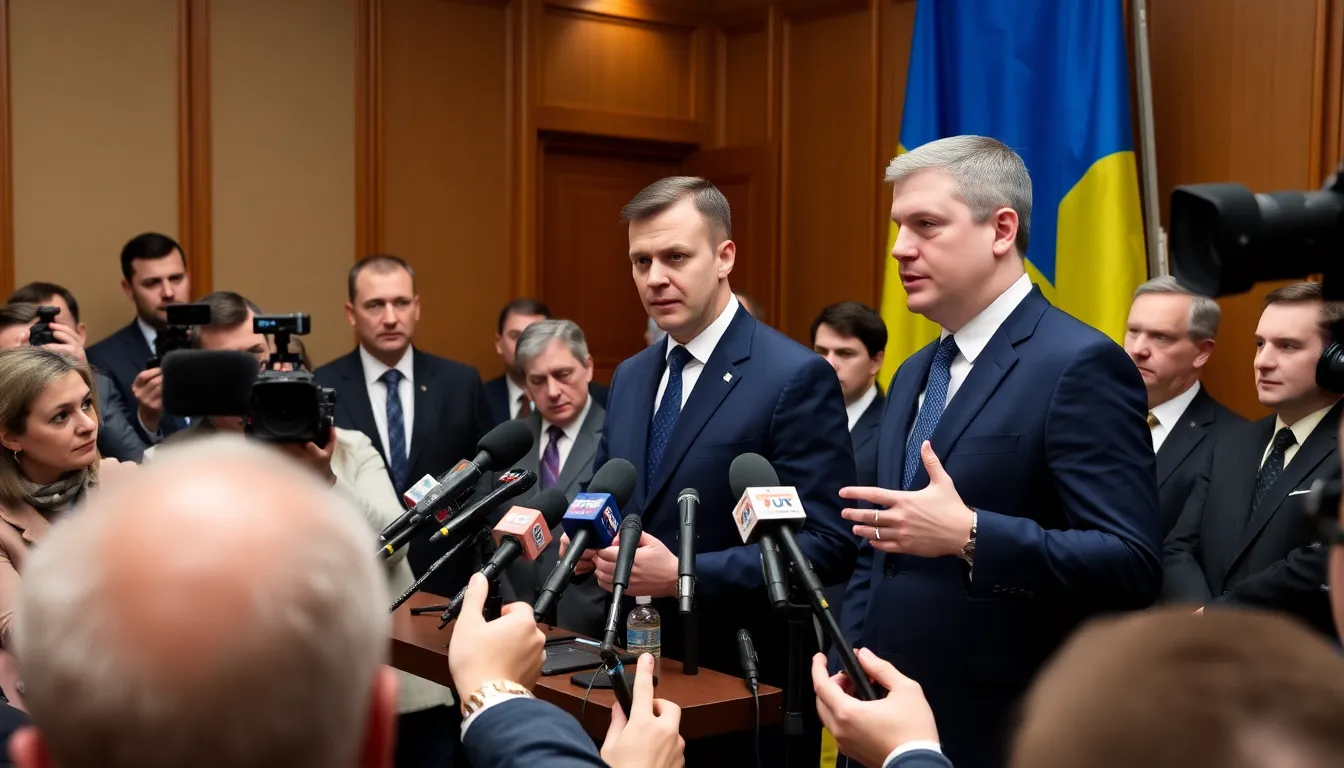
Over the years, Ukraine’s intelligence services have faced significant scrutiny and criticism, particularly regarding their effectiveness and loyalty. The 2014 Euromaidan protests, which led to the ousting of President Viktor Yanukovych, highlighted the agencies’ failures in addressing corruption and security threats. This period marked a pivotal shift, as public demand for accountability and reform grew, leading to a series of government initiatives aimed at restructuring the intelligence community.
The ongoing conflict with Russia has further complicated the role of Ukraine’s intelligence agencies. The annexation of Crimea and the war in Eastern Ukraine necessitated a reevaluation of national security priorities. In response, the government has made efforts to strengthen intelligence capabilities, but these changes have often been met with resistance from entrenched interests within the agencies. This tension has contributed to a climate of instability and distrust, particularly among the populace.
Key Milestones in Intelligence Reform
However, these efforts have not been without controversy, as recent reshuffles have drawn criticism for perceived political motivations and a lack of clear direction. This raises concerns similar to those discussed in analyses about economic policy decisions that impact public trust.
Key stakeholders express concerns over the reshuffle’s implications
The recent reshuffle at Ukraine’s intelligence agencies has sparked significant debate among various stakeholders, including government officials, military leaders, and international allies. Each group has distinct interests that shape their perspectives on the changes, leading to a complex web of reactions and concerns.
Ukrainian President Volodymyr Zelenskyy, who is at the center of this reshuffle, aims to strengthen national security in the face of ongoing conflict with Russia. However, critics argue that such changes may destabilize the intelligence community, potentially undermining the effectiveness of operations against external threats.
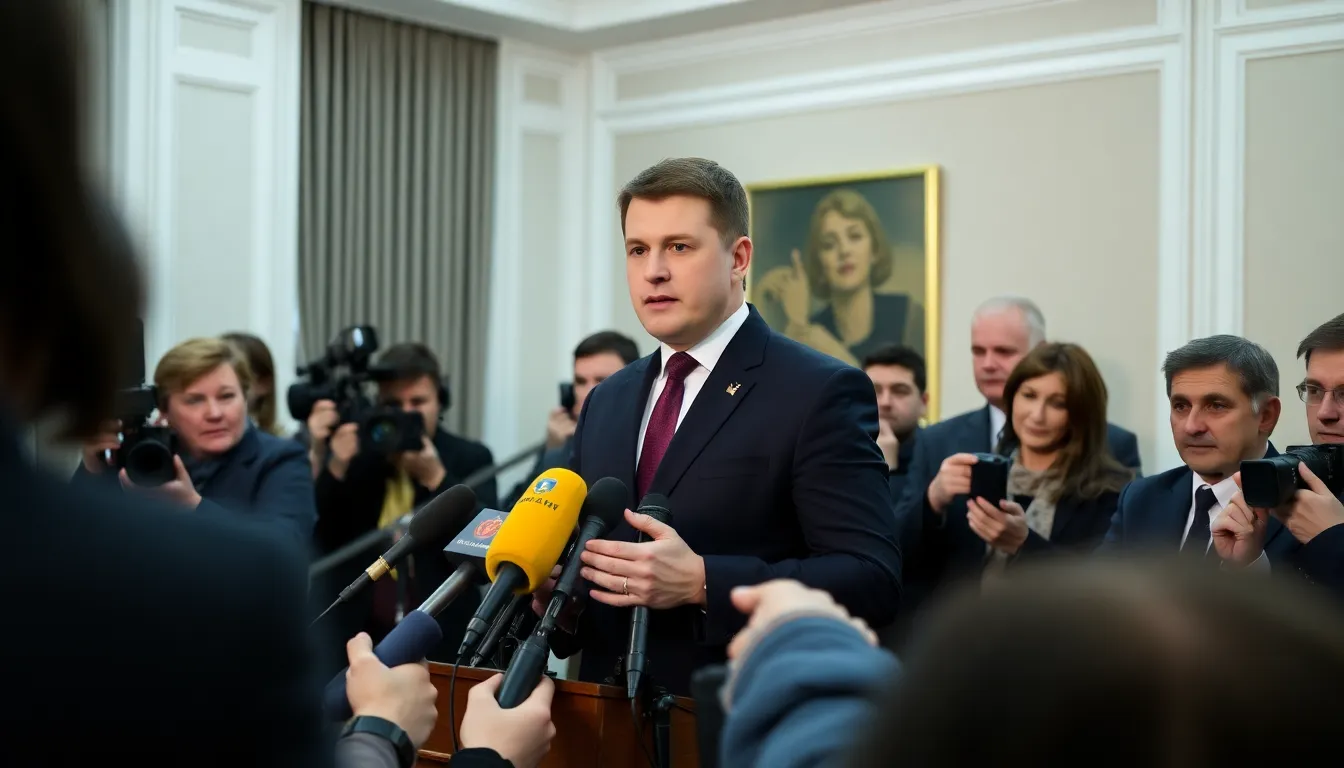
International allies, particularly NATO member states, are closely monitoring the situation. They are concerned that any disruption within Ukraine’s intelligence apparatus could affect coordinated efforts in intelligence sharing and military support. The potential for decreased operational efficiency raises alarms about Ukraine’s ability to respond to Russian aggression.
- Internal Conflict: The reshuffle may create divisions within the intelligence community, impacting morale and collaboration.
- Legal Implications: Changes in leadership could lead to questions about the legality of ongoing operations and the adherence to international law.
- Economic Considerations: A perceived instability in intelligence could deter foreign investment and aid, which are crucial for Ukraine’s recovery and defense.
- Public Sentiment: The reshuffle has generated mixed reactions among the Ukrainian populace, with some viewing it as necessary reform and others fearing it as a political maneuver.
In addition to domestic concerns, the reshuffle also raises questions about the future of Ukraine’s intelligence strategy. As the nation continues to navigate a complex geopolitical landscape, the ability of these agencies to operate effectively is paramount. Stakeholders are urging for a balanced approach that prioritizes both security and stability to ensure that Ukraine remains resilient in its ongoing struggle.
Potential effects on national security and public trust
The recent reshuffle at Ukraine’s intelligence agencies is poised to impact various groups, including government officials, military personnel, and the general populace. As leadership changes take place, the immediate effects may ripple through national security operations, affecting strategies and responses to ongoing threats.
In the short term, the uncertainty surrounding new appointments could lead to a decrease in operational efficiency within intelligence agencies. This may result in a temporary lapse in critical intelligence gathering and analysis, potentially exposing vulnerabilities in national defense. Citizens may feel a sense of unease as the effectiveness of their security apparatus comes into question.
Moreover, businesses operating in sectors related to defense and security may experience fluctuations in contracts and funding as the new leadership reassesses priorities. This could lead to both risks and opportunities, as some firms may find themselves at a disadvantage while others could benefit from new initiatives or partnerships.
- Short-term risks: Decreased operational efficiency in intelligence gathering.
- Mid-term risks: Potential erosion of public trust in government institutions.
- Opportunities: New contracts and partnerships for businesses aligned with the new strategic direction.
Regions directly affected by heightened security measures may also experience changes in daily life. Increased military presence or surveillance could alter the way communities engage in public activities, impacting local economies and social interactions. This shift may foster both anxiety and resilience among citizens as they adapt to new realities.
Ultimately, the reshuffle presents a complex landscape where risks and opportunities coexist. Stakeholders across various sectors must navigate this transition carefully, balancing the need for security with the imperative to maintain public trust and stability.
A: The reshuffle was initiated by the government in response to ongoing challenges in national security and the need for more effective leadership during the conflict with Russia. A: The reshuffle includes the appointment of new leaders in various intelligence roles, though specific names have not been disclosed publicly. A: Critics argue that the changes may undermine the effectiveness of intelligence operations and could lead to a loss of institutional knowledge. A: The reshuffle could strain relationships if allies perceive instability or lack of competence within Ukraine’s intelligence framework. A: Long-term consequences may include shifts in intelligence strategies and potential impacts on national security effectiveness.
Frequently Asked Questions about the intelligence reshuffle
Looking ahead: implications and future directions for Ukraine’s intelligence
The recent reshuffle at Ukraine’s intelligence agencies has raised significant concerns regarding the stability and effectiveness of the country’s security apparatus. As the geopolitical landscape continues to evolve, particularly with ongoing tensions in the region, the ability of these agencies to adapt and respond to emerging threats will be crucial. The criticism surrounding the leadership changes suggests a potential rift within the government and highlights the need for cohesive strategies in intelligence operations.
Moving forward, it will be essential to monitor how these shifts impact operational efficiency and public trust. The integration of new leadership could either foster innovative approaches to intelligence gathering or exacerbate existing issues if not managed effectively. Stakeholders should remain vigilant as the situation develops, particularly in light of external pressures and the need for a united front in defense of national interests.
- Watch for changes in intelligence priorities: The new leadership may shift focus areas, potentially impacting counterintelligence and cybersecurity efforts.
- Monitor public perception: The effectiveness of the reshuffle will be measured not only by operational success but also by the public’s confidence in intelligence agencies.
- Assess international relations: Changes in leadership could affect Ukraine’s partnerships with foreign intelligence services, influencing collaborative efforts against shared threats.
- Evaluate internal cohesion: The ability of the new leadership to unify agency personnel will be critical in maintaining morale and operational effectiveness.