
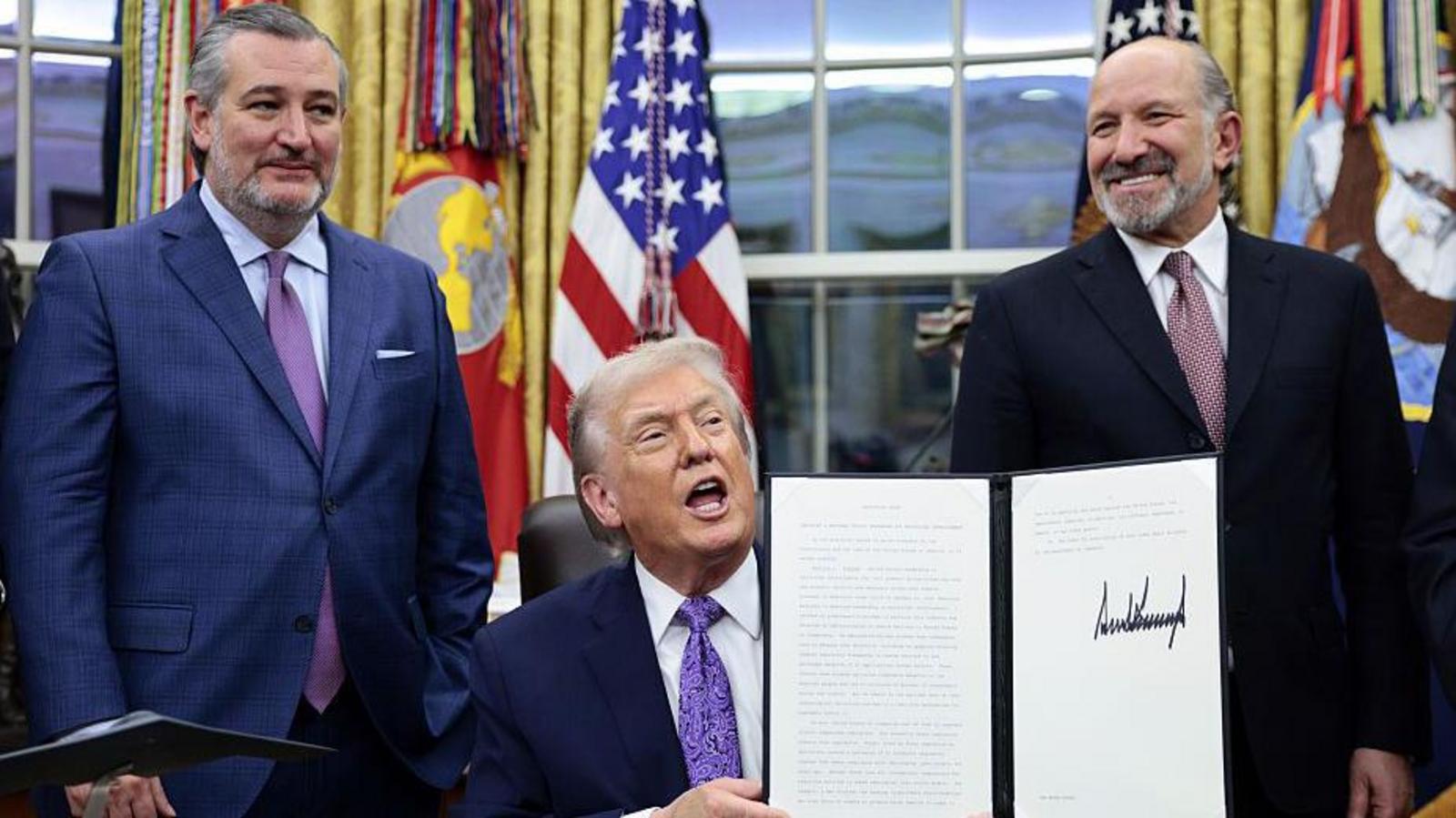

The Need for a Unified Approach to AI Regulation
The patchwork of state-by-state legislation creates confusion for businesses and consumers alike. By signing this executive order, Trump’s administration emphasizes the significance of a comprehensive federal framework that addresses the complexities of AI governance, thus ensuring that innovation is not stifled by conflicting regulations. For further insight on the implications of Trump’s policies, you can read about Venezuela’s Oil and its role in Trump’s Campaign Against Maduro.
Examining Comparisons with Global AI Regulations
Many countries are grappling with regulatory challenges similar to those in the United States. In Europe, for instance, the European Union is actively working toward a unified AI regulatory framework. Contrasting these efforts with the U.S. approach highlights the challenges of maintaining competitiveness while ensuring ethical standards are met. Trump’s order can be seen as an attempt to position the United States as a global leader in AI innovation by standardizing regulations across states, which may attract attention similar to that seen in the entertainment sector.
Noteworthy Cases Reflecting the Impact of AI Regulations
Some states have already implemented their own AI regulations, leading to varied compliance landscapes. For instance, California’s strict data privacy law influences various AI applications, while states like Texas adopt more lenient approaches. The inconsistency leads to operational hurdles for tech companies that operate nationwide. Trump’s order seeks to nullify these discrepancies to create a balanced economic environment.
Strategic Implementation and Future Considerations
The successful execution of this order may hinge on the collaboration between federal and state authorities to facilitate smooth transitions in how AI regulations are administered. Additionally, technology developers and stakeholders will need to stay informed and adaptive to ensure they align with federally mandated practices without compromising their innovative capabilities. Ensuring these transitions are well-managed is crucial, as evidenced by community fundraising efforts that require adaptability and responsiveness.

Highlighting Important Considerations
While unifying regulations appears beneficial, potential overreach could stifle local innovation. As the federal government embarks on this path, balancing power dynamics between state initiatives and federal guidelines will be crucial. Strong frameworks must protect consumers and support advancements without imposing excessive restrictions on innovators.
Frequently Asked Questions about Trump’s AI Order
A: The order prevents states from enforcing their own AI regulations, aiming for a unified federal standard to streamline compliance for businesses.
A: State-level rules can create inconsistencies and confusion, which may hinder innovation and competitiveness, prompting the need for federal regulation.
A: Tech companies will benefit from clearer guidelines and reduced regulatory burdens, facilitating easier compliance across multiple states.
Future Insights on AI Regulation in the U.S.
The landscape of AI regulations is continuously evolving, and further developments are expected as the federal government implements this order. Stakeholders will need to pursue adaptability and vigilance to navigate the changing regulatory environment effectively. The integration of innovative technologies into the economy will depend on how well these new regulations can meet the needs of both consumers and businesses.