
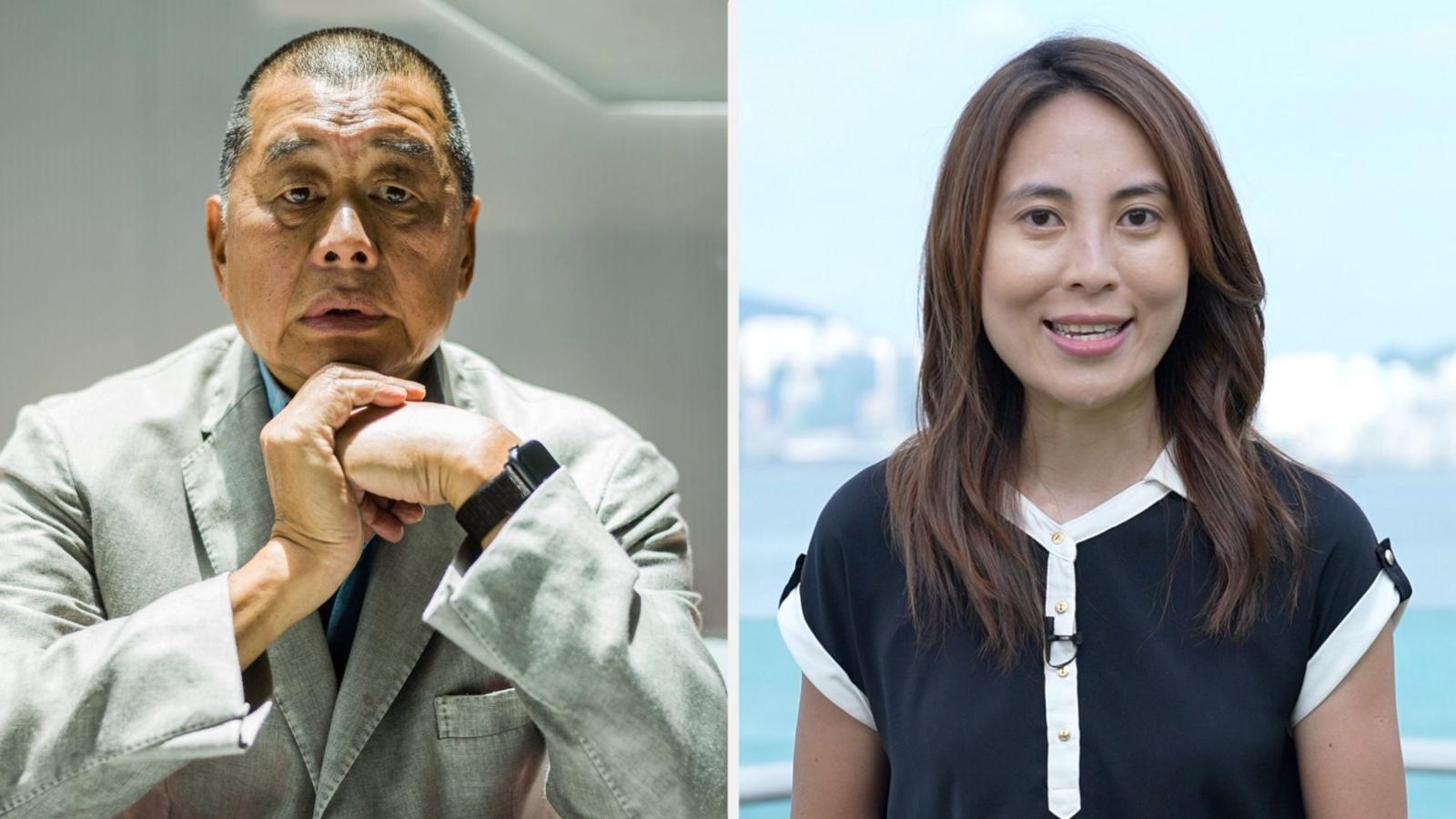
The recent verdict and its implications
In a landmark decision, Hong Kong’s courts have issued a verdict against media mogul Jimmy Lai, marking a pivotal moment in the city’s ongoing struggle for democracy and free speech. This development raises pressing questions about the future of civil liberties and the rule of law in Hong Kong, as seen in similar cases around the world.
The necessity of understanding the background
To fully grasp the significance of the verdict against Lai, one must first understand the backdrop of Hong Kong’s political landscape. Over the past few years, the territory has witnessed increasing crackdowns on dissent and media freedom, especially following the introduction of the controversial National Security Law in 2020, which has led to a tense environment for many citizens.
The rise of political tensions
Political tensions in Hong Kong have escalated sharply since the pro-democracy protests in 2019. The erosion of autonomy promised under the “one country, two systems” framework has fueled public discontent and has drawn global attention to the city’s deteriorating human rights situation, much like the issues faced in other nations.
Comparative analysis of similar cases
When assessing the implications of the Jimmy Lai verdict, comparing it with similar cases across the globe can provide insightful context. Leaders and activists from multiple countries have faced legal repercussions for their dissenting views.
Noteworthy international cases
In countries like Belarus and Russia, we have seen significant parallels where governments have sought to stifle dissent through judicial means. High-profile cases in these nations demonstrate a pattern of increased authoritarianism, leading to international sanctions and outcry.
Key instances of media suppression
The verdict against Lai underscores a broader trend of media suppression in Hong Kong. Lai’s newspaper, Apple Daily, was one of the few platforms voicing critical opinions of the government before its shutdown.
Effects of media control
Control of media has serious implications for democracy and civil society. With leading figures like Lai silenced, there is a palpable fear regarding the future of investigative journalism and public discourse in Hong Kong.
Strategies for advocacy and resistance
In the wake of Lai’s verdict, pro-democracy supporters are exploring various strategies to resist oppression and advocate for their rights. Community organization and international solidarity have become key components of this movement.
Building networks and alliances
By forming alliances with global human rights organizations, activists aim to draw attention to Hong Kong’s plight and put pressure on global leaders to take a stand against Beijing’s encroachment on freedoms.

Considerations and challenges
As support for the pro-democracy movement continues, there are crucial considerations that activists and citizens must navigate. The legal landscape remains fraught with risks for those who step forward.
Navigating legal realities
Understanding the potential legal ramifications of protests and other forms of dissent is essential for activists. Many face charges under the National Security Law simply for expressing their opinions, making cautious planning vital for any future actions.
A: Jimmy Lai faced multiple charges including fraud, national security offenses, and foreign collusion. A: The verdict is seen as a significant blow to media freedom, contributing to an atmosphere of fear among journalists and editors. A: International reactions can influence Hong Kong’s political climate by putting pressure on Beijing to reconsider its actions and uphold human rights.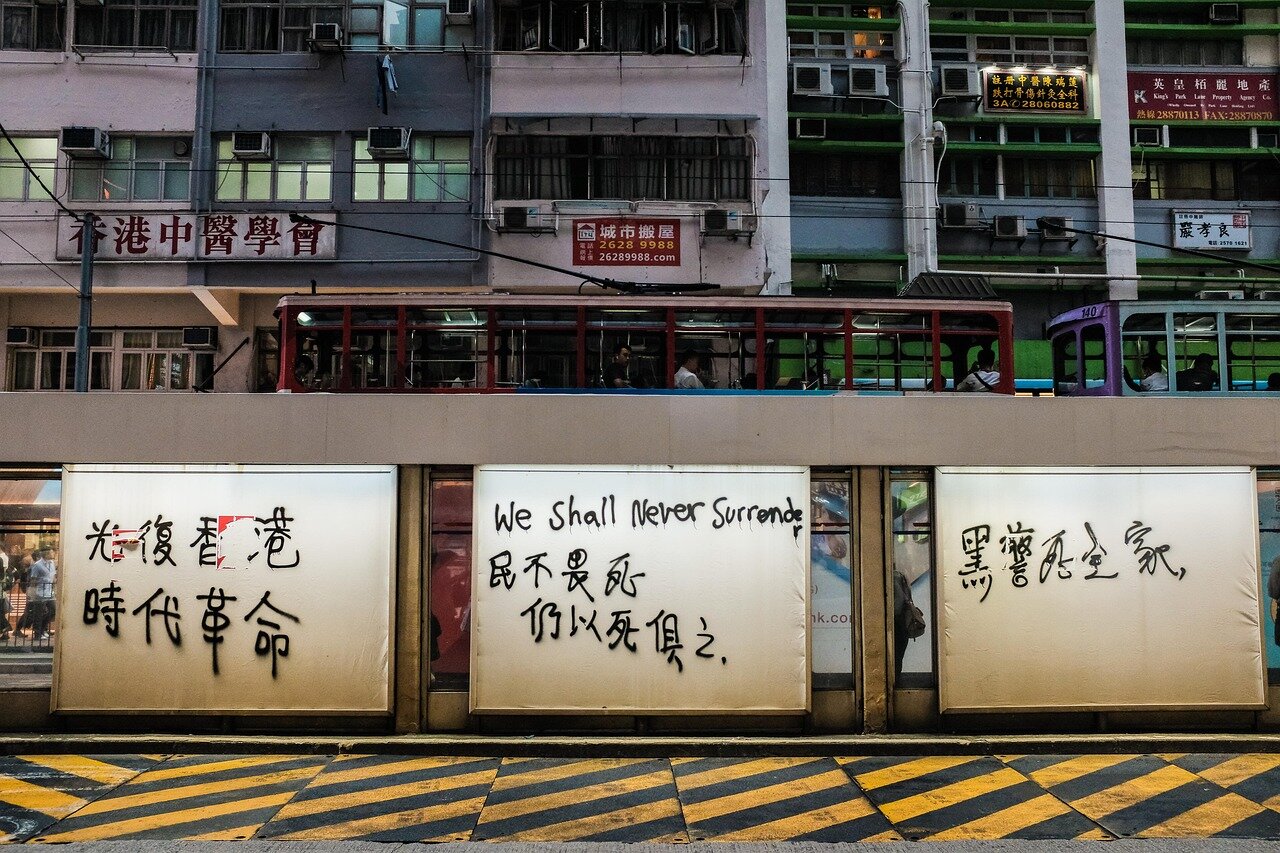
Frequently Asked Questions about the Jimmy Lai verdict
The future of Hong Kong’s pro-democracy movement
The implications of Jimmy Lai’s verdict extend far beyond a single legal case, shaping the future of activism and civil liberties in the region. As the local and international community continues to respond, the fight for democracy in Hong Kong remains at a crucial crossroads.