
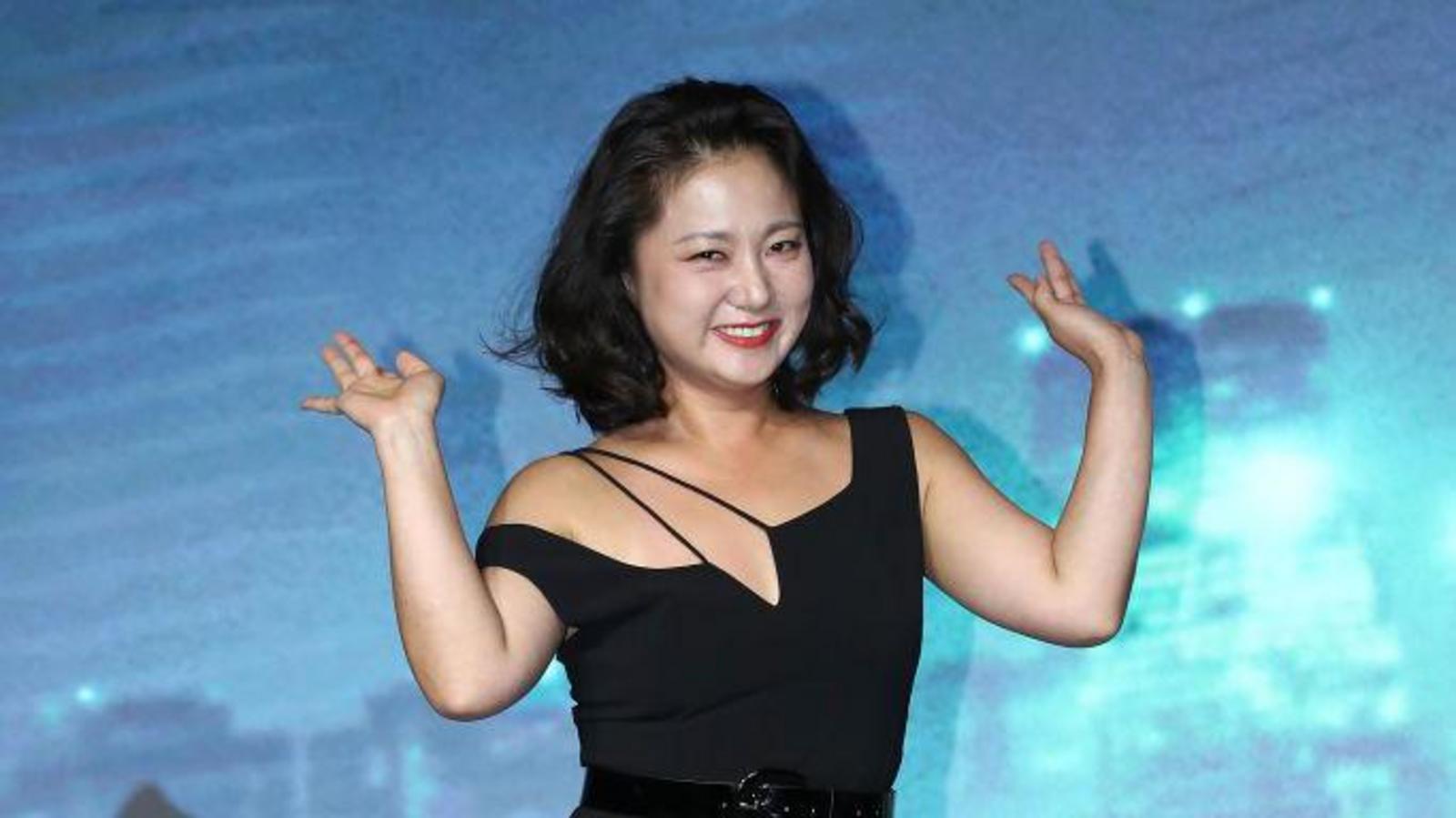
Understanding the Context and Importance of Cancel Culture
Cancel culture has emerged as a double-edged sword within society, particularly in South Korea, where cultural expectations are often rigid and public opinion can shift rapidly. This section explores the historical and social context that has facilitated the rise of cancel culture, including factors that contribute to its necessity, as discussed in our article on celebrity scandals.
Historical Overview
The roots of cancel culture can be traced back to the rapid globalization and digitalization of society. Social media platforms have empowered individuals to voice their opinions and mobilize collective action against perceived injustices, thus leading to a new form of societal regulation.
Social Dynamics
In South Korea, societal pressure plays an enormous role in dictating acceptable behavior. High-profile scandals involving inappropriate conduct have galvanized the public, leading to expressions of outrage that can result in significant repercussions for those involved.
Examining Notable Cases That Sparked Controversy
Recent events involving various celebrities have underscored the polarized views on cancel culture. Individuals who once enjoyed massive followings have faced severe backlash that has led to career-ending consequences, a phenomenon that highlights the need for accountability discussed further in another piece about leadership and accountability.
Case Studies of Celebrity Backlash
- Case One: A popular singer faced allegations of harassment, resulting in the loss of numerous endorsements and a public apology.
- Case Two: A well-known actor’s controversial comments regarding political issues incited public outrage, leading to their social media platforms being flooded with calls for boycott.
- Case Three: A influential K-drama star was accused of past misconduct, leading to a swift cancellation of their ongoing projects.
Strategies for Navigating the Challenges of Cancel Culture
For celebrities and public figures, understanding how to engage constructively with the culture of accountability is relevant. Engaging in transparent communication and demonstrating genuine intentions can help mitigate backlash.

Adopting Proactive Approaches
- Emphasizing accountability through public statements and remorse.
- Fostering dialogue with fans and critics alike to rebuild trust.
- Encouraging awareness and education around sensitive issues.
Considerations and Cautions Regarding Cancel Culture
While cancel culture aims to hold individuals accountable, it is crucial to recognize its limitations and potential for misuse. The rapid nature of social media can amplify situations beyond their context, leading to unjust repercussions; this theme resonates with the impact of criticism explored in recent commentary on Silicon Valley.
Consequences of Misapplication
There are risks associated with the absence of due process, including the potential false accusations that can lead to serious consequences for innocent parties. Furthermore, public opinion can be swayed by misinformation, leading to a cascade of unfair outcomes.
Frequently Asked Questions About Cancel Culture in South Korea
Common Questions Surrounding Cancel Culture
A: Cancel culture refers to the practice of withdrawing support from public figures after they have been involved in scandals or wrongdoing, often through social media.
A: Korean culture emphasizes social harmony and respect for authority, making public backlash particularly potent against celebrities who violate these norms.
A: Yes, cancel culture can promote accountability and bring attention to social issues that need addressing, encouraging positive changes.
A: Public figures can recover by taking responsibility for their actions, engaging in meaningful dialogue with the public, and demonstrating a commitment to change.
A: Social media serves as a platform for rapid mobilization of public opinion, facilitating widespread awareness and collective action against inappropriate behavior.
Insights into the Future of Cancel Culture in South Korea
As society evolves, the future of cancel culture in South Korea remains uncertain. Ongoing discussions about human rights, accountability, and resilience are likely to shape its trajectory. The entertainment industry may need to balance accountability with compassion, fostering an environment that promotes awareness and healing rather than outright condemnation.