
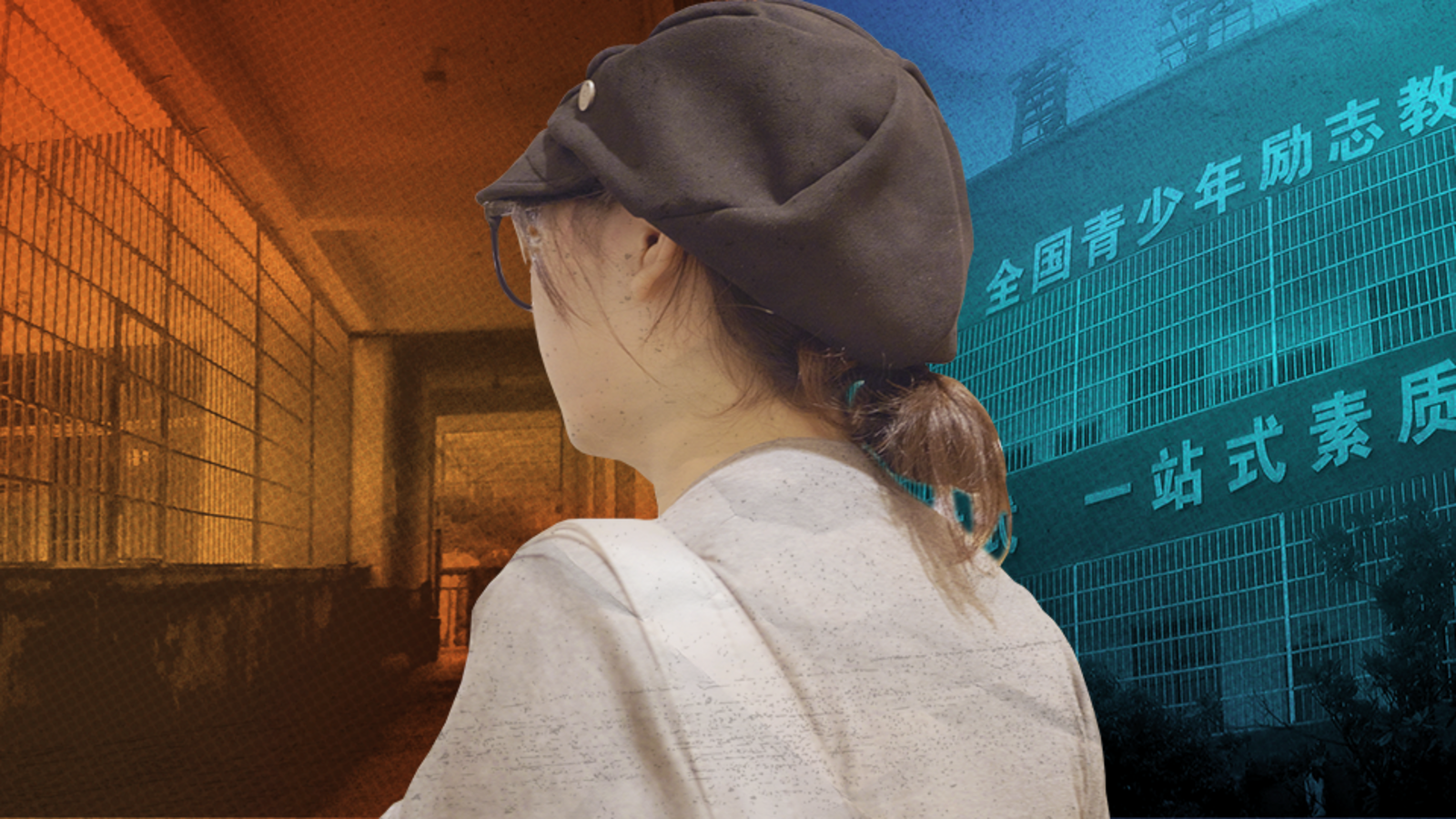
The background and necessity of these schools
To understand the motivations behind these schools, it is essential to look at the cultural context. There is a growing societal pressure in China for teenagers to excel academically and conform to societal norms. Parents, feeling overwhelmed by their children’s rebellious behavior, often resort to these schools in hopes of correction. This desperation stems from fears of their children failing to meet societal expectations, leading parents to believe that such institutions will provide the guidance their children lack. For a broader perspective, you can read about similar issues in a [DealBook Task Force Grapples With Media Trust and Biases](https://primeinsightsnews.com/dealbook-media-trust-biases/) article.

A comparative look at similar institutions globally
While China is not alone in operating schools for troubled youth, the practices employed can vary significantly. In countries like the United States, similar schools have been scrutinized for their treatment methods, leading to legal actions and reforms. However, the situation in China is characterized by a lack of oversight and a culture of silence surrounding abuse, making it difficult for parents and teens to seek help. Understanding these global perspectives can shed light on the complexities involved.
Key cases highlight the abusive nature of these institutions
Reports have surfaced detailing horrific experiences of former students who have faced physical and psychological abuse. Many describe being subjected to harsh physical punishments, isolation, and emotional manipulation. These cases shed light on the ongoing need for reform in how such institutions are monitored and regulated.

Strategies for parents considering such programs
Given the troubling realities of these schools, parents are urged to consider alternative methods of addressing their children’s issues. Family therapy, alternative educational paths, and community support groups have been recommended as more constructive and less damaging approaches. Parents should be cautious and conduct thorough research before making any decisions regarding their child’s education and well-being. For insights on conducting effective research, referring to articles such as exploring AI in recruitment can be beneficial.
Important considerations for potential students and families
For those considering entering these institutions, it’s crucial to remain vigilant and informed about the potential risks. Understanding the history and reputation of a school is vital, as well as seeking testimonials from former students and their families. The fear of societal stigma should not force families into making choices that could endanger their children’s health and safety.

A: Parents should research the school’s reputation, look for testimonials from former students, and ensure that the school is properly regulated and monitored for safety. A: Yes, family therapy, mentorship programs, and community support groups can serve as healthier alternatives to punitive rehabilitation schools. A: Signs can include drastic changes in behavior, academic struggles, withdrawal from social interactions, and expressions of hopelessness. A: They can seek support from advocacy groups, document their experiences, and consider legal options to report the abuse they have suffered.
Frequently asked questions about China’s schools for rebellious teens
Trends and future directions in the treatment of troubled youth in China
As awareness of the abusive practices in these institutions grows, it has become increasingly clear that reform is needed. Parents, educators, and policymakers must come together to advocate for safer, more humane approaches to helping troubled youth. The push for transparency and accountability reflects a desire for significant changes in how society supports its most vulnerable members.