

The growing reliance on artificial intelligence (AI) in the recruitment process has stirred discussions around its implications on hiring practices. While proponents argue that AI enhances efficiency and eliminates human biases, others warn that it might lead to a ‘race to the bottom’ scenario, compromising the quality and fairness of employment opportunities. For more on the implications of AI in various sectors, check out this article.
Understanding the Context and Necessity of AI in Recruitment
The application of AI in recruitment has been driven by the need for efficiency and cost-effectiveness in hiring. As organizations grapple with increased competition and the necessity for rapid hiring, AI tools offer a solution that promises faster candidate screenings, reduced administrative burdens, and enhanced data analysis. These factors have made AI an attractive option for many businesses seeking to streamline their hiring processes.
Evaluating Criteria for AI Recruitment Tools
Organizations evaluating recruitment AI tools have a variety of criteria to consider. These criteria ultimately affect their choice of technology and can influence recruitment outcomes significantly.

Functionality and Customization
Effective AI recruitment tools must demonstrate robust functionality while providing customization options to meet diverse organizational needs. Adaptability in algorithms can ensure better alignment with company values and requirements.
Bias Mitigation and Fairness
Given the historical biases present in recruitment practices, tools that incorporate bias mitigation strategies are imperative. Candidates should be evaluated based on their abilities rather than demographic or socio-economic factors, as emphasized in this related piece.
Integration with Existing Systems
The ability of AI tools to integrate seamlessly with existing HR systems is also a deciding factor. Such integrations can help maintain a cohesive flow of information and improve overall efficiency.
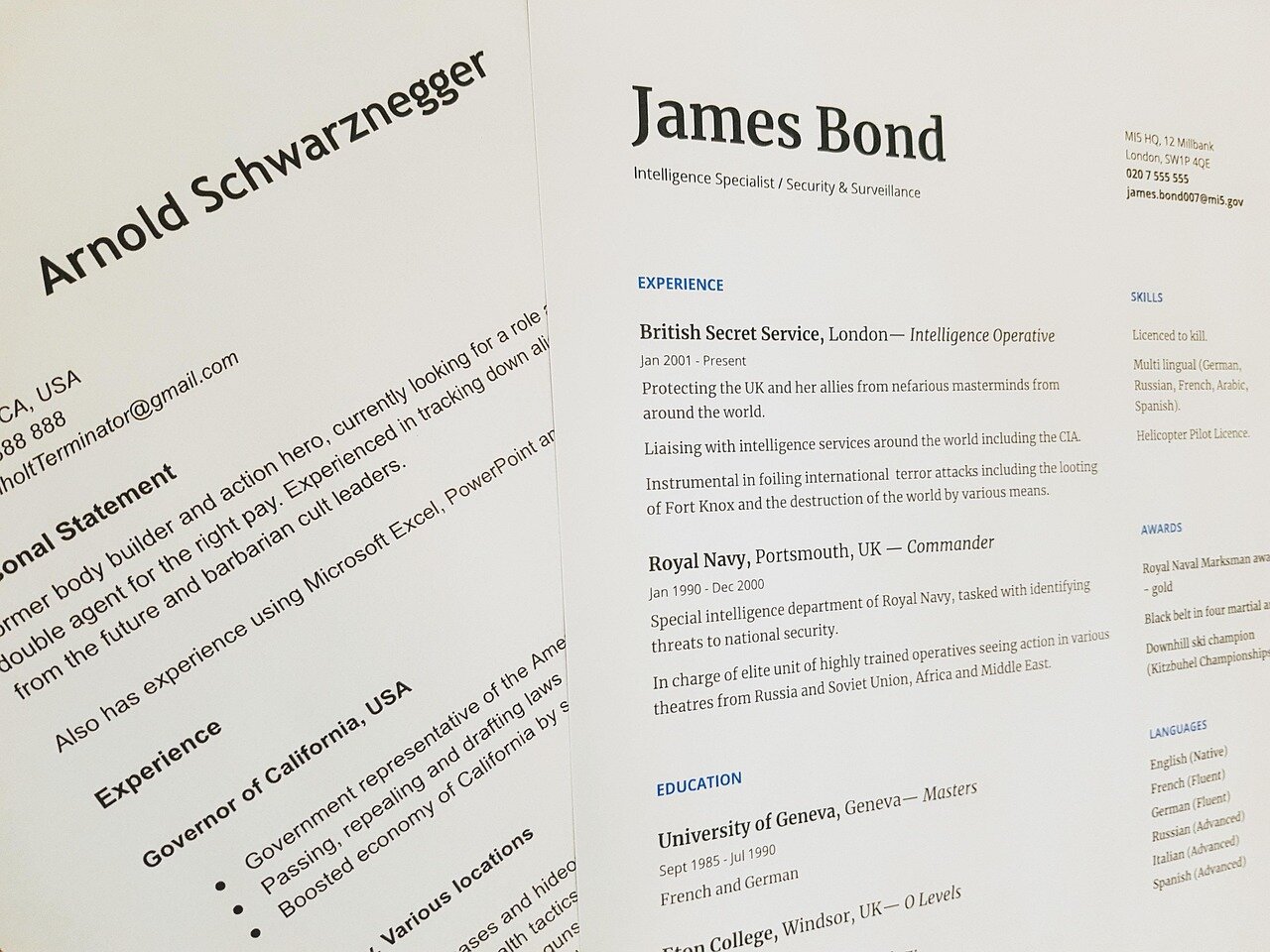
Notable Examples and Services Using AI in Recruitment
Several companies have integrated AI technologies into their recruitment processes with varying degrees of success. Notable examples include well-known platforms such as:
- HireVue: This platform uses AI to analyze video interviews, evaluating candidates based on verbal and non-verbal cues.
- LinkedIn Talent Insights: It leverages data analytics to help HR professionals make informed decisions about hiring trends and candidate sourcing.
- ZipRecruiter: Utilizes AI algorithms to match job seekers with suitable postings, aiming to streamline the application process.
Strategic Approaches to Implement AI in Hiring Processes
To effectively harness AI in recruitment, organizations should consider strategic approaches that enhance the recruitment framework
Continuous Learning and Adaptation
AI systems must continually learn from new data to improve their predictive capabilities. Organizations should allow for regular updates to the AI algorithms to ensure they remain relevant and effective.

Transparent Processes
Transparency in the AI recruitment process is crucial. Candidates should be informed about how their data will be used and how AI aids in decision-making.
Emphasizing Human Oversight
No matter the effectiveness of AI, human oversight remains essential. Recruiters should be involved in the final decision-making process to ensure a personal touch and ethical considerations are maintained.
Critical Considerations When Deploying AI in Hiring
While AI can enhance recruitment, organizations must remain vigilant about potential pitfalls that can lead to a detrimental ‘race to the bottom.’ To explore more about the effects of technology in decision-making processes, read this article.

Risk of Dehumanization
Relying too heavily on algorithms may dehumanize the hiring process, diminishing the importance of interpersonal skills and cultural fit that a candidate may bring.
Quality Over Quantity
A focus on efficiency could lead organizations to prioritize speed over the qualitative aspects of recruitment, potentially overlooking the best candidates.
Regulatory Compliance
Organizations must also ensure that their AI tools comply with local and international regulations surrounding data privacy and equal employment opportunities.
Frequently Asked Questions about AI in Recruitment
A: The primary benefits include increased efficiency in candidate screening, reduced biases, and enhanced data analytics for better hiring decisions.
A: Yes, if not carefully managed, AI can perpetuate existing biases present in historical hiring data.
A: Organizations should regularly audit their AI tools for biases, ensure transparency, and maintain human oversight in recruitment decisions.
Insights into the Future of AI in Recruitment
The trajectory of AI in recruitment is fascinating yet complex. As technology continues to evolve, so too will the strategies that organizations employ in hiring. The evolving landscape demands thoughtful consideration of both the benefits and pitfalls of AI technology, ensuring a balanced approach to recruitment that prioritizes fairness and quality.