
The findings, published in the journal The Lancet Infectious Diseases in October 2023, raised concerns among public health officials, especially as gonorrhoea rates have been steadily increasing globally. This study is particularly relevant given the urgent need for effective vaccines and treatments to combat rising antibiotic resistance in gonorrhoea strains, as highlighted in previous research on men’s health issues.
Healthcare experts emphasize the importance of this research, as it underscores the necessity for further investigation into alternative vaccines and preventive measures for gonorrhoea. With the World Health Organization reporting over 87 million new cases of gonorrhoea worldwide in 2021, the implications of this study could influence future vaccine development strategies.
The lack of protection offered by the MenB vaccine against gonorrhoea may also impact vaccination programs and public health policies. As health authorities continue to prioritize the fight against sexually transmitted infections, the findings from this study could lead to shifts in funding and research focus toward more effective solutions, similar to the approaches discussed in a recent article about public health strategies.

Understanding the MenB vaccine and its intended purpose
The MenB vaccine, introduced in the early 2010s, was developed to combat meningococcal disease caused by the Neisseria meningitidis serogroup B bacteria. This vaccine emerged as a response to rising cases of meningitis, particularly among adolescents and young adults, who were identified as the most vulnerable demographic. The introduction of the MenB vaccine marked a significant milestone in public health, aiming to reduce morbidity and mortality associated with this serious infection.
Despite its primary focus on meningococcal disease, recent studies have sparked controversy by suggesting that the MenB vaccine offers no protection against gonorrhoea, another infection caused by a related strain of Neisseria. This revelation has prompted a re-evaluation of the vaccine’s broader implications and effectiveness, especially in light of increasing gonorrhoea rates globally. The link between the vaccine and gonorrhoea protection was initially a point of hope among public health officials, leading to speculation about potential dual benefits.
The rise of gonorrhoea and public health implications
Gonorrhoea, a sexually transmitted infection, has seen a resurgence in recent years, with the World Health Organization declaring it a significant public health concern. The rise in cases has been attributed to various factors, including changes in sexual behavior, reduced condom use, and the emergence of antibiotic-resistant strains of the bacteria. As public health officials grapple with these challenges, the lack of protection offered by the MenB vaccine against gonorrhoea represents a setback in efforts to control this infection.
Historically, vaccines have played a crucial role in controlling infectious diseases, but the evolving landscape of bacterial infections necessitates continuous research and adaptation. The findings regarding the MenB vaccine highlight the complexities of vaccine development and the importance of ongoing surveillance and studies to ensure that public health strategies remain effective in combating various infectious diseases.

Key stakeholders and implications of the study’s findings
The recent study highlighting that the MenB vaccine offers no protection against gonorrhoea has significant implications for various stakeholders. These include public health organizations, vaccine manufacturers, healthcare providers, and the general public. Each of these groups has distinct interests and concerns regarding the findings.
Public health organizations, such as the World Health Organization (WHO) and the Centers for Disease Control and Prevention (CDC), are primarily focused on controlling sexually transmitted infections (STIs) and improving overall public health. The revelation that the MenB vaccine does not protect against gonorrhoea may prompt these organizations to re-evaluate their vaccination strategies and public health campaigns, potentially mirroring the innovative methods explored in studies about community engagement in health.
Vaccine manufacturers, on the other hand, may face economic implications as the study could affect the demand for the MenB vaccine. If the vaccine is perceived as ineffective in preventing a common STI, sales may decline, impacting the financial viability of companies involved in its production. This could lead to reduced investment in research and development for future vaccines targeting gonorrhoea and other STIs.
- Public health campaigns: The findings may necessitate a shift in messaging around the MenB vaccine, emphasizing its limitations.
- Healthcare provider practices: Providers may need to adjust their recommendations and educate patients about the specific protections offered by the MenB vaccine.
- Economic impacts: Declining vaccine uptake could lead to financial challenges for manufacturers and impact future research funding.
Furthermore, there may be conflicts between stakeholders regarding the allocation of resources for STI prevention and treatment. Public health budgets are often limited, and the need to focus on effective interventions may lead to tensions between promoting existing vaccines and investing in new STI prevention methods. Balancing these interests will be crucial as the public health community responds to the study’s findings.
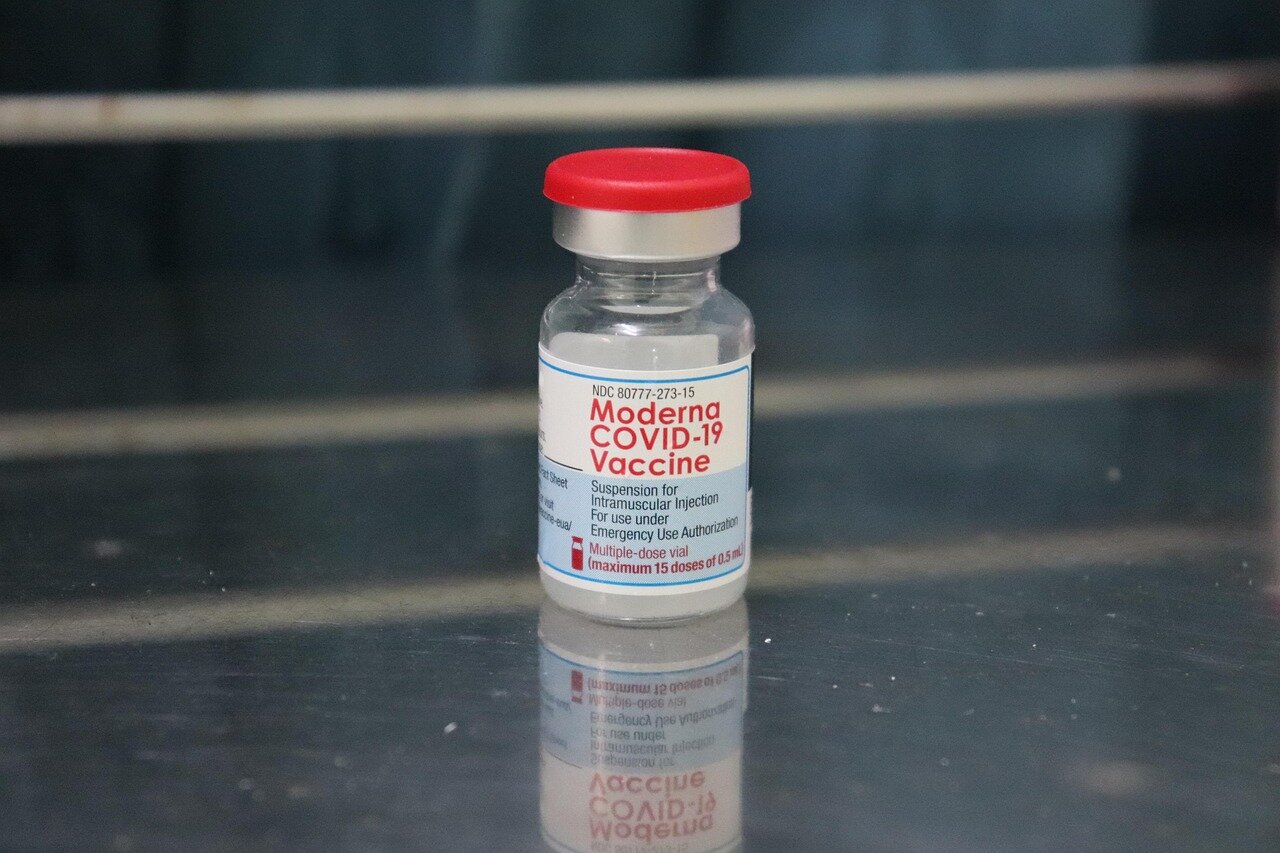
Potential effects on public health and vaccination strategies
The recent study indicating that the MenB vaccine offers no protection against gonorrhoea poses significant implications for various groups, particularly young men, health professionals, and public health policymakers. Young men, who are often the primary recipients of the MenB vaccine, may face increased risk of gonorrhoea, leading to potential health complications and a greater burden on healthcare systems.
In the short term, healthcare providers may need to reassess their vaccination strategies and public health messaging surrounding the MenB vaccine. This could lead to confusion among patients who believe they are protected from sexually transmitted infections (STIs) after receiving the vaccine. Additionally, healthcare costs may rise as more individuals seek treatment for gonorrhoea, impacting hospital resources and staff workloads.
Mid-term effects may include shifts in public health policies as authorities seek to address the rising rates of gonorrhoea and other STIs. There may be a push for increased funding towards research and development of more effective vaccines or alternative preventive measures. Educational campaigns may also be initiated to promote safer sexual practices and raise awareness about the limitations of existing vaccines.
- Increased healthcare costs due to rising STI treatment demands.
- Potential confusion and misinformation among the public regarding vaccine effectiveness.
- Opportunities for new vaccine development and STI prevention strategies.
- Heightened focus on sexual health education and awareness campaigns.
While the study presents challenges, it also opens avenues for innovation within the healthcare industry. Pharmaceutical companies may see this as an opportunity to invest in research for more comprehensive vaccines that target multiple STIs. Furthermore, public health organizations could strengthen their outreach efforts, thus fostering a more informed and health-conscious society.

A: The MenB vaccine is primarily designed to protect against meningococcal disease caused by Neisseria meningitidis serogroup B. It does not target sexually transmitted infections like gonorrhoea. A: This study may lead to a reevaluation of the MenB vaccine’s role in public health programs, particularly regarding its promotion as a protective measure against gonorrhoea. A: Currently, there is no vaccine specifically approved for the prevention of gonorrhoea. Research is ongoing to develop effective vaccines against this sexually transmitted infection. A: The findings highlight the need for more effective prevention strategies for gonorrhoea in men, emphasizing the importance of safe sexual practices and regular screenings. A: Yes, men should still consider getting the MenB vaccine as it protects against serious meningococcal disease, but they should also be informed about its limitations regarding gonorrhoea.
Frequently asked questions about the MenB vaccine and gonorrhoea
Key takeaways and future directions regarding the MenB vaccine
The recent study highlighting that the MenB vaccine provides no protection against gonorrhoea raises significant questions about the effectiveness of current vaccination strategies. As public health officials continue to combat sexually transmitted infections, understanding the limitations of available vaccines becomes increasingly crucial. This research underscores the need for ongoing surveillance and the development of targeted interventions to address the rising incidence of gonorrhoea.
Moving forward, stakeholders in public health must focus on comprehensive education regarding STI prevention and the importance of alternative protective measures. Collaboration between researchers, healthcare providers, and policymakers will be essential in addressing the gaps identified by this study.
- Continued research is needed to explore alternative vaccines or treatments for gonorrhoea.
- Public health campaigns should emphasize the importance of safe sexual practices alongside vaccination.
- Healthcare providers must stay informed about the latest findings to guide patient discussions on STI prevention.
- Monitoring trends in gonorrhoea rates will be vital for evaluating the effectiveness of current interventions.
- Investing in education and resources for at-risk populations can help mitigate the spread of gonorrhoea.