
The move raises concerns among industry analysts and consumers alike, as it marks a potential end to the era of physical media in gaming. Many players cherish the tactile experience of owning physical copies, which often come with collectible packaging and artwork. Moreover, the transition to a fully digital model could limit access for those with unreliable internet connections or who prefer to own physical copies for preservation purposes. For a deeper look into consumer reactions, check out our article on Sony facing backlash over region locking.
Additionally, the implications of this decision extend beyond consumer choice. The shift could impact game preservation efforts, as physical copies are often seen as a safeguard against the loss of digital content due to platform shutdowns or licensing issues. As PlayStation joins other major companies in prioritizing digital formats, questions arise about the long-term sustainability of game access and ownership in an increasingly digital landscape.
Industry experts are closely monitoring how this transition will affect game developers and publishers. With fewer physical sales, revenue models may need to adapt, potentially leading to changes in pricing strategies and game development cycles. As the gaming community grapples with these changes, the focus will likely remain on how to balance innovation with the preservation of gaming culture and history.
The shift towards digital gaming and its implications
In recent years, the gaming industry has witnessed a significant transformation, with digital distribution becoming the dominant method of delivering games to consumers. This shift can be traced back to the early 2000s when broadband internet became more accessible, allowing players to download games directly to their consoles and PCs. The rise of platforms like Steam and the PlayStation Network paved the way for digital sales, offering convenience and often lower prices compared to physical copies. Such platforms have revolutionized game delivery, which makes the ongoing transition even more significant.
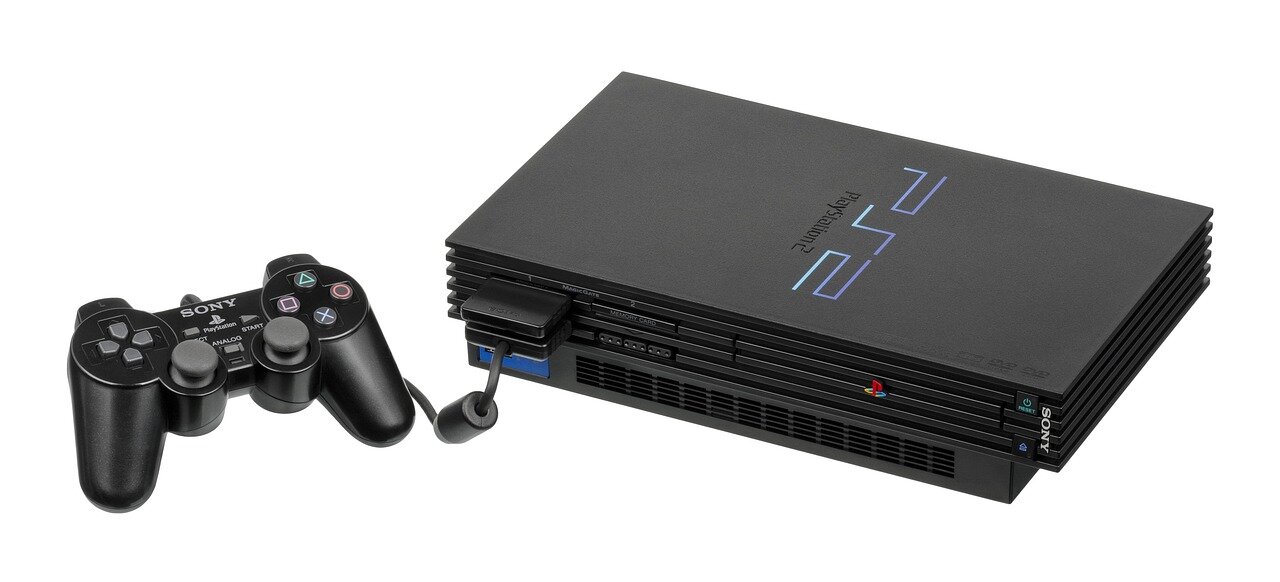
As technology advanced, so did consumer preferences. Players began to favor the ease of accessing a vast library of games without the need for physical storage. This trend was accelerated by the COVID-19 pandemic, which saw a surge in gaming as people sought entertainment while staying at home. Consequently, major gaming companies, including PlayStation, have increasingly invested in digital infrastructure, leading to the decision to halt the production of physical games.
The economic factors at play
The economic implications of this shift are profound. Digital games eliminate the costs associated with manufacturing, packaging, and shipping physical copies. For companies, this translates to higher profit margins and reduced overhead. However, this transition raises concerns about the long-term sustainability of the gaming ecosystem. With fewer physical products in circulation, issues such as digital rights management, game preservation, and access to titles could become more pronounced, potentially limiting consumer choices and ownership.
Historically, the gaming industry has seen similar shifts that have sparked debate among consumers and developers alike. The move from cartridge-based systems to CDs in the 1990s, and later to DVDs and Blu-rays, reshaped how games were distributed. Each transition brought its own set of challenges and opportunities, but the current pivot towards a fully digital landscape poses unique risks, including the potential for monopolistic practices by major players in the industry.
As PlayStation announces its plans to cease physical game production, it is crucial to reflect on these historical milestones and understand the broader implications for the gaming community. The future of gaming may hinge on how well the industry navigates this transition, balancing innovation with consumer rights and accessibility.
Key stakeholders and issues surrounding this decision
The decision by PlayStation to cease the production of physical games has significant implications for various stakeholders, including consumers, game developers, and retailers. Each of these groups has distinct interests that may be affected by this shift towards digital distribution.

Consumers, particularly those who prefer owning physical copies of games, may feel alienated by this move. The tactile experience of having a physical game, along with the ability to resell or trade titles, is a key aspect of gaming culture for many. Additionally, concerns about digital rights management and the longevity of digital libraries may arise, as players face the risk of losing access to their purchases if a platform shuts down. This aligns with broader discussions about consumer rights in the digital age, as highlighted in our piece about Tom Gauld’s concerns on various issues.
Game developers and publishers also have a vested interest in this transition. While digital distribution can reduce costs associated with manufacturing and logistics, it may also impact sales figures. Developers must adapt their marketing strategies to engage a more digitally-oriented audience, which could lead to increased competition and pressure to innovate. Furthermore, the reliance on digital platforms raises concerns about the control these platforms exert over pricing and distribution.
Retailers, particularly those specializing in physical media, are likely to face significant challenges. The decline of physical game sales could lead to reduced foot traffic and revenue, forcing many stores to reconsider their business models. This shift could also impact employment within the retail sector, as fewer sales may lead to layoffs or store closures.
- Consumer concerns: Loss of ownership, digital rights issues, and access to games.
- Developer adaptation: Need for new marketing strategies and potential revenue impacts.
- Retailer challenges: Declining sales and potential job losses in physical game retail.
- Environmental impact: Reduction in manufacturing waste associated with physical games.
- Market competition: Increased competition among digital platforms for consumer attention.
Potential effects on consumers and the gaming market
The decision by PlayStation to cease the production of physical games will have significant ramifications across various groups, including consumers, retailers, and the broader gaming industry. Gamers who prefer owning physical copies of games may find themselves at a disadvantage, as digital formats become the norm. This shift could alienate a segment of the gaming population that values tangible products and collector’s items.

Retailers specializing in physical game sales are likely to face immediate challenges. With the decline of physical inventory, many brick-and-mortar stores may experience reduced foot traffic and sales, potentially leading to store closures or staff layoffs. This could also affect local economies that rely on these businesses for jobs and revenue.
In the mid-term, the gaming industry may see a shift in how games are marketed and sold. Developers might focus more on digital sales strategies, which could lead to a rise in subscription services and cloud gaming. While this presents opportunities for innovation, it also raises concerns about accessibility and the digital divide, particularly for consumers without reliable internet access.
- Risks: Loss of physical ownership, increased reliance on digital platforms, and potential market monopolization.
- Opportunities: Growth of digital distribution channels, potential for new revenue models, and increased accessibility for some consumers.
Furthermore, the policy implications of this shift could be significant. Regulatory bodies may need to address issues related to digital rights management and consumer protections in the digital marketplace. As the landscape evolves, it will be crucial for policymakers to ensure that consumer rights are maintained in a predominantly digital gaming environment.
A: PlayStation is shifting its focus to digital distribution, which has become increasingly popular among gamers. This move aims to streamline operations and adapt to changing consumer preferences. A: Collectors may find it more challenging to obtain physical copies of new releases, potentially increasing the value of existing physical games. This could lead to a rise in demand for vintage and rare titles. A: Developers may need to adjust their strategies to focus more on digital sales and distribution. This could also impact how they market and release their games. A: Yes, reducing physical production can decrease waste and carbon footprint associated with manufacturing and shipping physical games, aligning with sustainability goals. A: Consumers can purchase games through digital platforms such as the PlayStation Store, which offers a wide range of titles for download.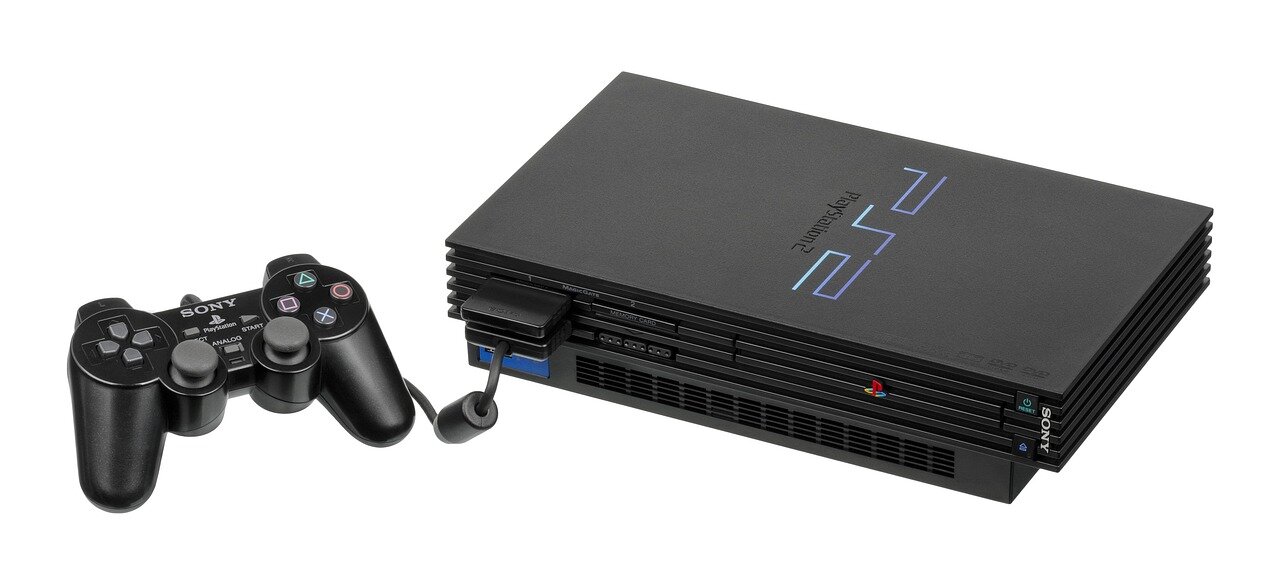
Frequently asked questions about PlayStation’s decision
Future outlook and key takeaways from the announcement
The decision by PlayStation to cease the production of physical games marks a significant shift in the gaming industry, reflecting broader trends towards digital consumption. This move raises important questions about accessibility, preservation of gaming history, and the future of game ownership. As digital platforms become the norm, stakeholders must consider the implications for both consumers and developers in a rapidly evolving landscape.
One key area of concern is the potential impact on collectors and gamers who value physical copies for their tangible nature and as a part of their gaming heritage. Additionally, the transition to a fully digital ecosystem could lead to increased vulnerability to issues such as server outages or digital rights management challenges, which may affect access to purchased games in the long run.
- Monitor shifts in consumer behavior: Watch how gamers adapt to the absence of physical media and whether this influences purchasing patterns.
- Consider the implications for game preservation: The move raises concerns about the long-term availability of classic titles and their accessibility for future generations.
- Evaluate digital rights management practices: Increased reliance on digital platforms may lead to stricter DRM policies, affecting user ownership and access.
- Assess the impact on indie developers: The transition could alter the landscape for smaller studios that rely on physical sales to reach niche markets.
- Watch for potential backlash: Gamers who prefer physical copies may voice their concerns, influencing future decisions by major gaming companies.