
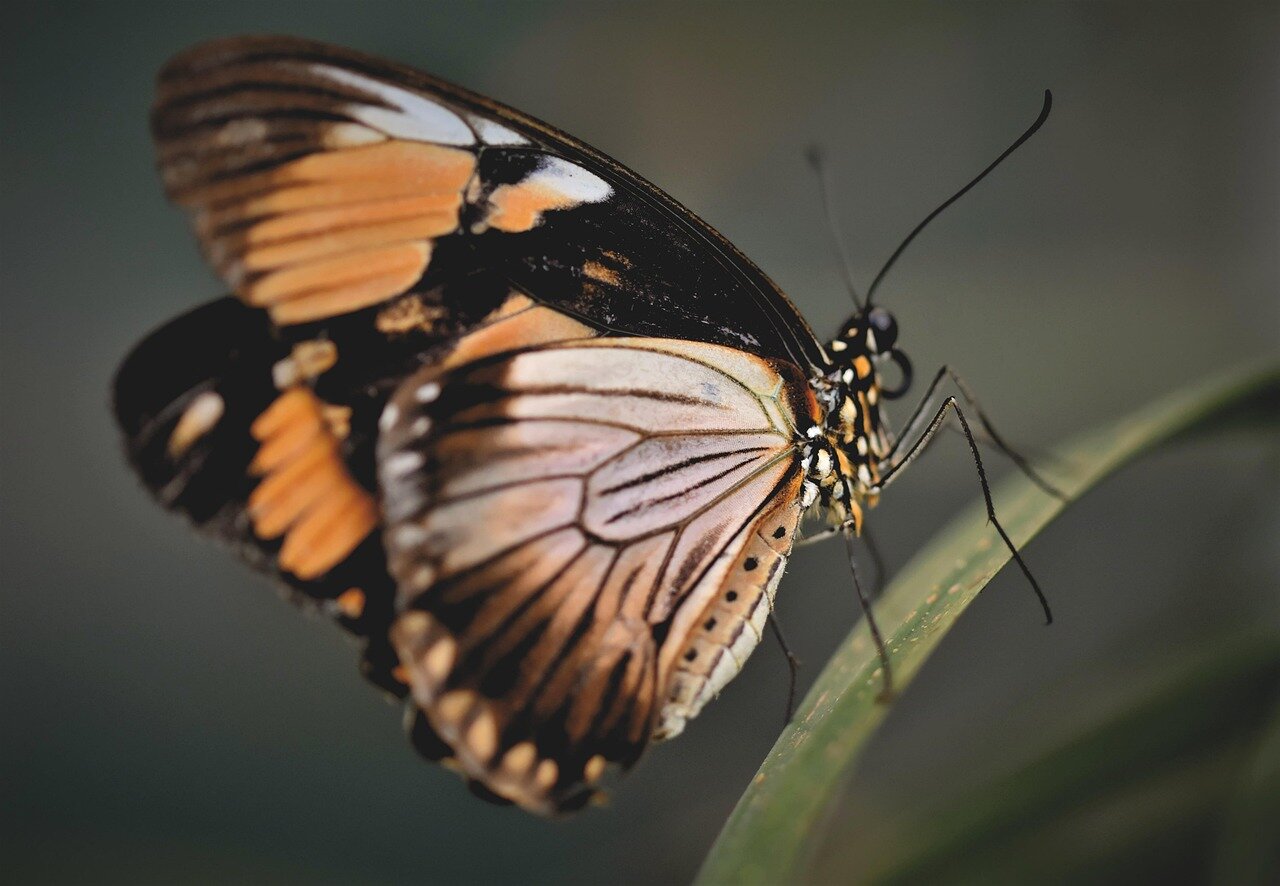
In 2021, the first batch of larvae was successfully released in a designated area of the Cotswolds, a region known for its rich biodiversity. This reintroduction strategy involved meticulous planning and collaboration between ecologists, local landowners, and conservation organizations. The aim is not only to repopulate the species but also to enhance the overall ecosystem health.
As of now, monitoring efforts are underway to assess the survival rates and behavior of the reintroduced butterflies. Early reports indicate promising signs of adaptation to the local environment, which is critical for the long-term success of the initiative. The project has garnered attention from both the scientific community and the public, highlighting the importance of insect conservation.
This mission is particularly significant given the alarming statistics regarding insect decline globally, with estimates suggesting that nearly 40% of insect species are in decline. The successful reintroduction of the large blue butterfly could serve as a model for similar projects worldwide, emphasizing the need for urgent action in biodiversity restoration.

Understanding the background of lost insect species
The plight of lost insect species has become a focal point in the broader conversation about biodiversity and environmental conservation. Historically, insects have played a crucial role in ecosystems, serving as pollinators, decomposers, and a food source for various animals. However, human activities, such as habitat destruction, pollution, and climate change, have led to significant declines in insect populations worldwide. This situation has prompted scientists and conservationists to explore innovative methods for reintroducing species that have vanished from their natural habitats.
The case of the reintroduction mission for a lost insect species can be traced back to the mid-20th century when industrialization and urban expansion began to accelerate. During this period, many native species faced unprecedented threats, leading to the extinction of several insects. Notably, the extinction of the Xerces blue butterfly in the 1940s marked a significant loss, symbolizing the fragility of insect populations and the urgent need for conservation efforts.
Key Milestones in Insect Conservation
Over the decades, various initiatives have emerged aimed at reversing the trend of insect loss. In the 1980s, the establishment of protected areas and wildlife reserves became more prevalent, providing safe havens for dwindling insect populations. The 1992 Earth Summit in Rio de Janeiro further highlighted the importance of biodiversity, leading to international agreements focused on conservation strategies. More recently, advancements in genetic research and habitat restoration techniques have opened new avenues for reintroducing lost species, reminiscent of a James Bond mission where science meets adventure.
As awareness of the critical role insects play in ecosystems grows, the mission to reintroduce lost species has garnered support from various sectors, including government agencies, NGOs, and the public. This collaborative effort reflects a broader recognition of the interconnectedness of all species and the urgent need to protect the delicate balance of our ecosystems. Through these initiatives, there is hope not only for the revival of lost insect species but also for the preservation of biodiversity for future generations.
Key stakeholders and challenges in the reintroduction process
The reintroduction of a lost insect species involves a variety of stakeholders, each with their own interests and perspectives. Key actors in this endeavor include conservation organizations, government agencies, local communities, and researchers. Each group plays a crucial role in shaping the strategies and outcomes of the reintroduction efforts.
Conservation organizations, such as the World Wildlife Fund and local environmental groups, are primarily focused on biodiversity preservation and ecosystem restoration. Their interest lies in ensuring that the reintroduced species can thrive and contribute positively to the ecosystem. These organizations often provide funding, expertise, and advocacy to support the reintroduction process.
Government agencies, including wildlife and environmental departments, are tasked with regulatory oversight and policy implementation. They are interested in balancing ecological goals with public interests, such as agriculture and land use. Conflicts may arise between conservation efforts and economic activities, leading to trade-offs that need careful negotiation.
- Local communities: Their involvement is essential, as they often have firsthand knowledge of the ecosystem and may rely on it for their livelihoods.
- Legal considerations: The reintroduction process must adhere to environmental laws and regulations, which can create hurdles if not properly navigated.
- Economic implications: The potential impact on local economies, particularly in sectors like agriculture and tourism, must be assessed to ensure community support.
Researchers play a pivotal role in providing data and insights on the ecological needs of the species being reintroduced. Their findings can influence the methods and timing of reintroduction efforts, but they may also face challenges in securing funding and support from stakeholders who may prioritize immediate economic benefits over long-term ecological goals.
The impact of reintroducing lost insects on ecosystems
The reintroduction of lost insects can significantly affect various groups, including environmentalists, farmers, and local communities. These insects often play crucial roles in pollination, pest control, and maintaining biodiversity. As such, their absence has ripple effects across multiple sectors, particularly agriculture and conservation.
In the short term, farmers may experience fluctuations in crop yields as ecosystems adjust to the return of these insects. For instance, pollinators like bees can enhance fruit and vegetable production, leading to increased harvests. However, the sudden influx of these species could also disrupt existing pest management strategies, requiring farmers to adapt quickly.
Mid-term impacts may include shifts in local economies, especially in regions where agriculture is a primary industry. Increased crop yields could lead to lower prices for consumers, benefiting households but potentially squeezing profit margins for farmers. Additionally, local businesses that rely on agricultural outputs may see changes in demand, impacting employment and revenue.
- Opportunities: Enhanced biodiversity can attract ecotourism, providing new revenue streams for communities.
- Risks: The reintroduction may inadvertently favor certain species over others, leading to ecological imbalances.
- Policy Implications: Governments may need to adjust agricultural and environmental policies to accommodate these changes.
Ultimately, the mission to reintroduce lost insects presents a complex interplay of risks and opportunities, requiring careful monitoring and adaptive management strategies to ensure a balanced ecosystem and sustainable economic growth.
A: The reintroduction efforts focus on several species that have been declared extinct in specific regions, aiming to restore ecological balance. A: Lost insects play crucial roles in pollination and maintaining food webs, and their reintroduction can help restore biodiversity. A: Conservationists encounter various challenges, including habitat loss, climate change, and the need for public support. A: The public can help by supporting conservation organizations, participating in local initiatives, and spreading awareness about the importance of biodiversity. A: Technology aids in tracking species, analyzing habitats, and developing strategies for successful reintroduction.
Frequently asked questions about insect reintroduction
Key takeaways and future outlook on insect conservation
The reintroduction of a lost insect species highlights the intricate balance of ecosystems and the vital role that every species plays within it. As conservation efforts evolve, understanding the complexities of species interdependence will be crucial in ensuring the success of such initiatives. The mission not only sheds light on the importance of biodiversity but also serves as a reminder of humanity’s responsibility to restore and protect natural habitats.
Looking ahead, the lessons learned from this endeavor can inform future conservation strategies. Emphasizing collaboration among scientists, local communities, and policymakers will be essential to create a sustainable framework for biodiversity preservation.
- Monitoring the ecological impact of reintroduced species will provide valuable data for future conservation efforts.
- Engaging local communities in conservation projects can enhance the success of species reintroduction initiatives.
- Continued research into the interactions between species will deepen our understanding of ecosystem dynamics.
- Advocating for policy changes that support biodiversity can lead to more robust conservation frameworks.
- Raising public awareness about the importance of insects can foster greater support for conservation efforts.