
According to data from the San Francisco Association of Realtors, the average home price in the city reached approximately $1.8 million in September 2023, marking a significant increase compared to the previous year. This surge has been attributed to a combination of low inventory and high demand, as buyers compete for a limited number of homes in a city known for its high cost of living. For more on economic impacts, see our article on Russian cities face challenges due to worsening fuel shortages.
Real estate agents have noted that bidding wars have become commonplace, with some homes receiving multiple offers within days of being listed. The competitive landscape has prompted buyers to make aggressive bids, often exceeding the asking price by substantial margins. This phenomenon is not just limited to luxury properties; even modest homes are experiencing similar price escalations. For insights on community impacts, check out our article on Discovering the Benefits of Productivity Snacking.
The impact of this market shift extends beyond buyers and sellers; it also raises concerns about affordability and the potential displacement of long-time residents. As prices continue to soar, the city faces challenges in maintaining a diverse community and ensuring access to housing for all income levels. As the AI boom continues, experts predict that these trends will persist, with real estate in San Francisco remaining a hot commodity.
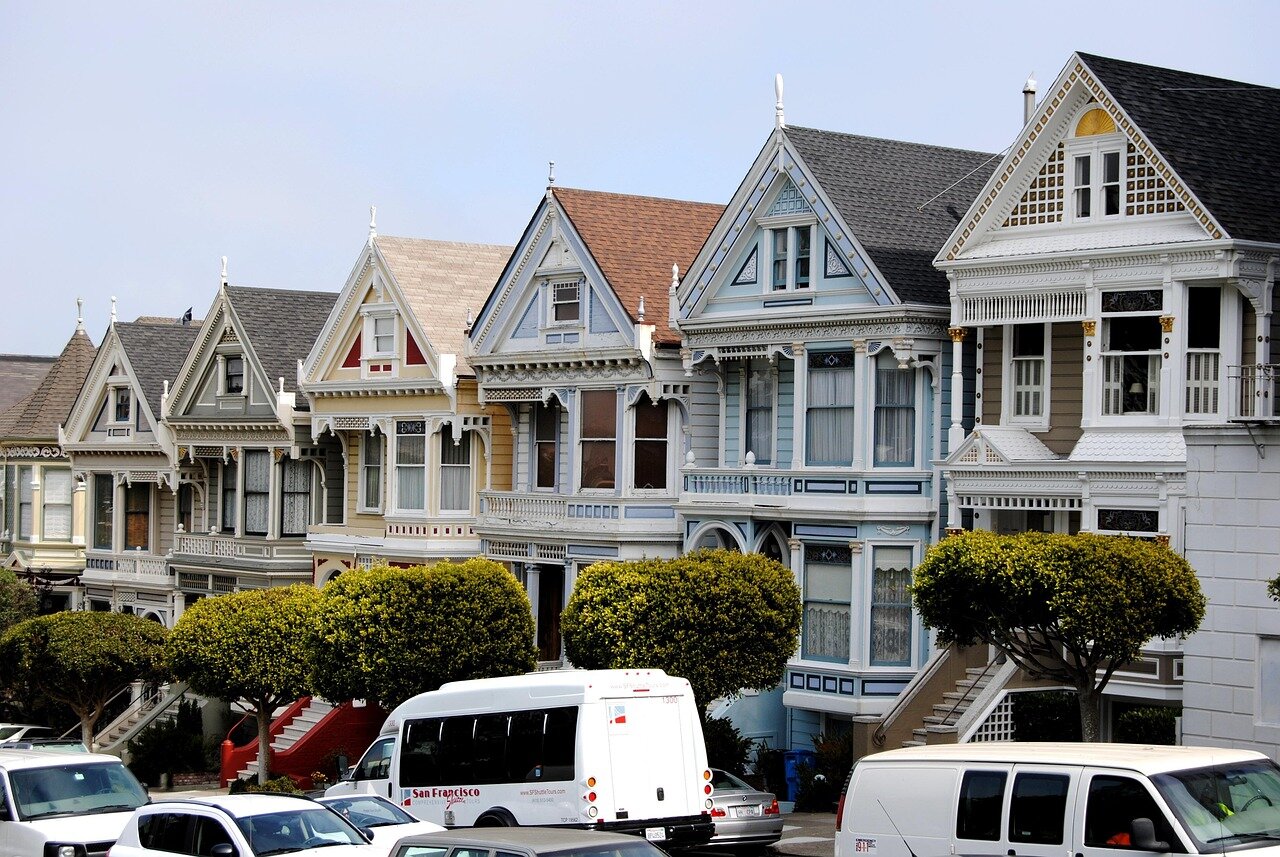
Understanding the factors behind the AI boom in real estate
The recent surge in San Francisco’s real estate market can be attributed to several interrelated factors, primarily driven by the rapid advancements in artificial intelligence (AI) technology. Historically, the Bay Area has been a hub for tech innovation, but the current AI boom has intensified competition among tech companies and startups, leading to an influx of high-paying jobs and an increase in demand for housing.
In the past few years, major tech firms have heavily invested in AI research and development, resulting in significant breakthroughs that have transformed industries. This has attracted not only established companies but also a wave of startups aiming to capitalize on the AI trend. As a result, the region has seen a substantial increase in the number of tech workers, many of whom are willing to pay a premium for housing in desirable neighborhoods.
The impact of remote work and flexible employment
The COVID-19 pandemic accelerated the adoption of remote work, allowing tech employees to live further from their offices while still earning high salaries. This shift has led to an increased demand for homes in suburban areas, where larger properties are available at relatively lower prices. However, the allure of living in the heart of the tech industry remains strong, driving up prices in San Francisco itself as buyers compete for limited inventory.
Moreover, the political landscape in California has also influenced the housing market. Policies aimed at promoting tech innovation and economic growth have often prioritized the needs of tech companies over affordable housing initiatives. This has resulted in a housing shortage that further exacerbates price increases, making it increasingly common for homes to sell for well above their asking prices.

As the AI boom continues, experts predict that these trends will persist, with real estate in San Francisco remaining a hot commodity. The combination of high salaries, a competitive job market, and limited housing supply creates a perfect storm for escalating prices, leaving many potential buyers feeling priced out of the market.
Key stakeholders in the San Francisco housing market and their roles
The San Francisco housing market is influenced by a variety of stakeholders, each with distinct interests and motivations. Understanding these actors is crucial to comprehending the dynamics at play, particularly in the context of the recent surge in home prices driven by the AI boom.
One of the primary stakeholders is the tech industry, particularly companies involved in artificial intelligence and related fields. These organizations are attracting a skilled workforce, which in turn increases demand for housing. Their interest lies in providing competitive salaries and benefits to attract talent, often resulting in employees willing to pay a premium for housing in close proximity to their workplaces.
Another significant player is the local government, which aims to balance economic growth with housing affordability. The city officials are concerned about the rising cost of living, which can lead to displacement of long-term residents. Their challenge is to implement policies that encourage development while ensuring that the housing market remains accessible to a diverse population.

Homebuyers, particularly those in the tech sector, are also key stakeholders. Many are willing to pay above the asking price, driven by a competitive job market and the desire for prime real estate. This behavior can create a ripple effect, pushing prices higher and exacerbating the affordability crisis.
- Tech Companies: Drive demand through high salaries and job opportunities.
- Local Government: Struggles to manage growth and maintain housing affordability.
- Homebuyers: Often pay above asking prices, impacting market dynamics.
- Real Estate Agents: Benefit from increased transactions and higher sales prices.
- Community Organizations: Advocate for affordable housing and tenant protections.
Conflicts arise between these stakeholders, particularly between the interests of tech companies and those of local residents. The influx of high-income earners can lead to gentrification, pushing lower-income families out of their neighborhoods. Additionally, the local government faces the challenge of regulating development to ensure that it meets the needs of all residents, not just those who can afford the escalating prices.
Economic issues also play a significant role. The rapid increase in home prices can create a bubble, raising concerns about long-term sustainability. If the tech industry were to experience a downturn, the housing market could face a significant correction, impacting not just homeowners but also the broader economy of San Francisco.
How the AI boom is affecting buyers and the housing market
The recent surge in artificial intelligence has significantly impacted various groups and industries, particularly in tech-centric regions like San Francisco. The housing market is experiencing unprecedented changes, with homes selling for over $1 million above their asking prices. This phenomenon is largely driven by an influx of high-paying tech jobs and an increase in demand for housing among AI professionals.

Buyers, especially those in the tech sector, are feeling the pressure as competition intensifies. Many individuals and families are being priced out of the market, leading to a growing divide between those who can afford to buy and those who cannot. This disparity is not only affecting potential homeowners but also renters, as rising property values push rental prices higher.
In the short term, the AI boom is creating opportunities for real estate investors and developers who are looking to capitalize on the demand for housing. However, this rapid growth also poses risks, such as potential market volatility and a housing bubble. As more people flock to the area for job opportunities, local infrastructure may struggle to keep pace, leading to increased traffic congestion and strain on public services.
- Increased competition among buyers, particularly in tech sectors.
- Rising property values affecting affordability for average families.
- Opportunities for real estate investors and developers.
- Potential risks of market volatility and housing bubbles.
- Strain on local infrastructure and public services.
In the mid-term, the AI boom may prompt policymakers to address housing shortages and affordability issues. This could lead to new regulations or incentives aimed at increasing housing supply, which may help stabilize the market. However, without proactive measures, the current trends could exacerbate social inequalities and create long-term challenges for the community.
A: Home prices are rising due to increased demand driven by the AI industry’s growth, attracting high-income buyers to the area. A: Selling for $1 million above asking price indicates a highly competitive market where buyers are willing to pay significantly more to secure a property. A: The AI boom is creating jobs and attracting tech professionals, which in turn raises demand for housing and drives up prices. A: Yes, the rapid price increases may lead to affordability issues and could create a housing bubble if the market corrects suddenly. A: Potential homebuyers should be prepared for bidding wars and consider their budget carefully, as prices can escalate quickly.
Frequently asked questions about the housing market surge
Future outlook for San Francisco’s real estate market
The recent surge in home prices in San Francisco, with properties selling for over $1 million above asking prices, highlights the profound impact of the ongoing AI boom on the local economy and housing market. As tech companies expand and attract a highly skilled workforce, demand for housing is likely to remain strong, pushing prices even higher in the near future.
Investors and potential homebuyers should be aware of the shifting dynamics in the market. The influx of tech talent not only increases competition for homes but also drives up rental prices, making it essential for stakeholders to adapt their strategies accordingly. Understanding these trends will be crucial for navigating the evolving landscape of San Francisco’s real estate market.
- Monitor the ongoing AI developments and their influence on job growth in the region, as this will directly impact housing demand.
- Consider the potential for continued price escalation, particularly in neighborhoods favored by tech professionals.
- Be aware of the increasing competition among buyers, which may necessitate more aggressive bidding strategies.
- Evaluate the implications of rising rental prices on the overall affordability of living in San Francisco.
- Stay informed about local policies and regulations that may affect real estate development and investment opportunities.