
Notable incidents have occurred during matches featuring top-seeded pairs, where disagreements with umpires have led to heated exchanges on the court. These confrontations reflect the high stakes and passion that come with the tournament, as athletes strive for victory while grappling with the challenges of teamwork and communication. For a deeper look at the emotional impact of high-pressure situations in sports, check out our article on Tom Gauld’s cartoon discussing the challenges of focus in stressful environments.
The mixed doubles format, which combines male and female players, has added a unique dynamic to the competition. As athletes navigate their partnerships, the stress of the situation has sometimes led to visible frustration, showcasing the emotional toll of the sport. With the tournament entering its later stages, the pressure is only expected to increase.
As the world watches, the implications of these tensions extend beyond the court. They raise questions about sportsmanship and the mental resilience required at elite levels of competition. With the mixed doubles finals approaching, all eyes will be on how players manage both their emotions and their performance in the pursuit of success.
Understanding the competitive atmosphere of Wimbledon
Wimbledon, the oldest tennis tournament in the world, has long been a symbol of prestige and excellence in the sport. Established in 1877, it has grown from a modest gathering to a major international event, attracting the best players from around the globe. The tournament’s rich history is intertwined with the evolution of tennis as a competitive sport, reflecting broader societal changes and the increasing commercialization of athletics.

In recent years, the mixed doubles event at Wimbledon has gained attention not only for its athletic prowess but also for the heightened emotions that often accompany it. Players from diverse backgrounds come together, creating a unique dynamic that can lead to both thrilling displays of sportsmanship and, at times, moments of tension. To understand the broader societal implications of sporting events, see our piece on Europe’s Climate Crisis.
Historically, mixed doubles has been seen as a less prestigious category compared to men’s and women’s singles. However, this perception has shifted as more fans and players embrace its inclusivity and the unique strategies it demands. Key milestones, such as the inclusion of mixed doubles in Grand Slam events, have helped elevate its status, but the path has not been without controversy, particularly regarding gender dynamics and competitive fairness.
The Role of Media and Public Perception
The media plays a crucial role in shaping public perception of the mixed doubles event. Coverage often focuses on dramatic moments, which can amplify tensions between players and influence fan reactions. As social media platforms become increasingly prominent, the instantaneous sharing of opinions can escalate conflicts, making it essential for athletes to navigate both their performance on the court and their public image off it. This dual pressure can lead to heightened tempers, particularly in high-stakes matches.
Key players and their reactions to the heated moments
The Wimbledon mixed doubles event has become a focal point for various stakeholders, each with their own interests and concerns. Key players include the athletes, tournament organizers, sponsors, and the governing bodies of tennis. Their reactions to the recent flare-ups during matches reveal underlying tensions and differing priorities.
Athletes, particularly those in the mixed doubles, have expressed frustration over the intensity of competition and the pressure to perform. This has led to heated exchanges on the court, drawing attention from fans and media alike. Many players argue that the spirit of the game is being overshadowed by aggressive tactics and a focus on winning at all costs.

On the other hand, tournament organizers are faced with the challenge of maintaining a balance between entertainment and sportsmanship. They are concerned that such incidents could tarnish the prestigious reputation of Wimbledon, potentially impacting ticket sales and viewership. The need to uphold the tournament’s integrity is paramount, prompting discussions about implementing stricter conduct guidelines.
- Conflict of interests: Players seeking to win versus the need for fair play.
- Economic implications: Potential loss of sponsorship and ticket sales due to negative publicity.
- Legal considerations: Possible penalties for unsportsmanlike behavior and the enforcement of rules.
- Media influence: How media portrayal of incidents affects public perception and player reputations.
- Fan reactions: The impact of heated moments on fan engagement and loyalty to the sport.
As these stakeholders navigate their respective interests, the Wimbledon mixed doubles event stands at a crossroads. The resolution of these conflicts will not only shape the future of the tournament but also influence the broader landscape of competitive tennis. Similarly, the ongoing debates around sports governance and fairness echo sentiments expressed in current events, such as the recent discussions around Trump’s crypto earnings, demonstrating the intertwining of sports and socio-economic factors.
How these incidents affect players and audience perceptions
The recent events at Wimbledon’s mixed doubles have created ripples across various groups, particularly the players, organizers, and the audience. Players involved in the tournament face immediate emotional and psychological impacts, as heightened tensions can lead to stress and affect performance. The audience, too, experiences a shift in their perception of the sport, which could influence their engagement and loyalty to future events.
Industries surrounding tennis, including sports marketing, broadcasting, and merchandise, are also affected. As tempers flare and controversies arise, sponsors may reassess their partnerships with players or events, leading to potential financial repercussions. In the short term, this could result in decreased visibility for some players, while also opening doors for others who may capitalize on the drama.
In the mid-term, the incidents could prompt changes in policies regarding player conduct and audience behavior at major tournaments. This could lead to stricter regulations and enforcement, impacting how players interact on and off the court. Additionally, the Wimbledon organizers may need to consider implementing new measures to enhance the overall spectator experience, which could involve increased security or revised audience engagement strategies.

- Short-term impacts: Increased media scrutiny and player stress.
- Mid-term impacts: Potential policy changes regarding player conduct.
- Opportunities: New sponsorship deals for players who handle pressure well.
- Risks: Loss of audience trust and engagement if incidents escalate.
Overall, while the immediate effects are disruptive, they also present a unique opportunity for stakeholders to reassess their strategies and strengthen the integrity of the sport. The focus now shifts to how players, organizers, and audiences will adapt to these developments in the coming months.
A: The competitive nature of the mixed doubles matches led to heightened emotions among players, resulting in several confrontations. A: Emotional outbursts can distract players and affect their focus, potentially influencing their performance in subsequent matches. A: While tennis is known for its sportsmanship, heated moments can occur, especially in high-stakes matches like those at Wimbledon. A: Officials monitor matches closely and can issue warnings or penalties to players who display unsportsmanlike behavior. A: Fan reactions vary; some find the drama entertaining, while others believe it detracts from the spirit of the game.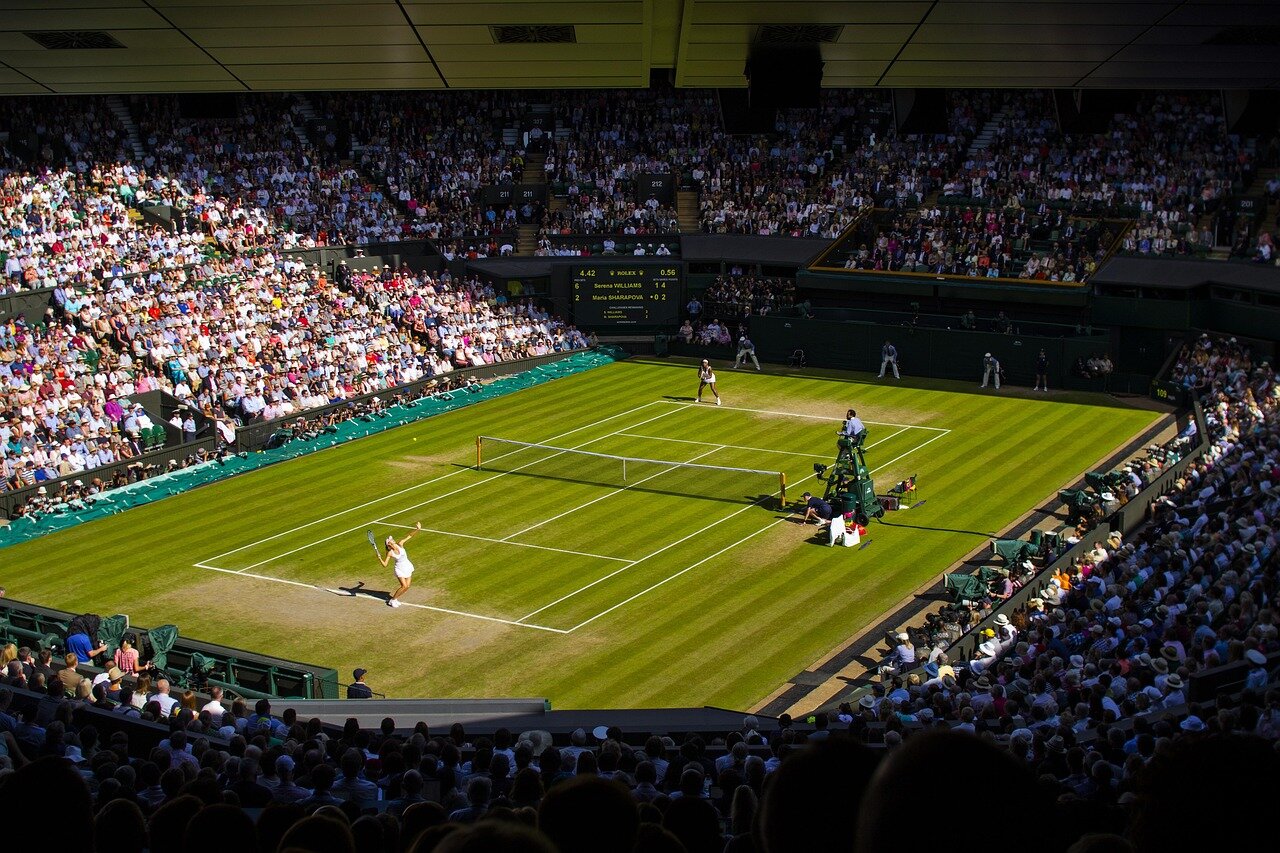
Frequently asked questions about the Wimbledon mixed doubles
Key takeaways and future implications for the tournament
The recent mixed doubles matches at Wimbledon have highlighted not only the competitive spirit of the players but also the emotional stakes involved in high-pressure situations. As tempers flared, it became evident that the mental aspect of the game is as crucial as technical skill. This dynamic raises questions about how players manage their emotions and the potential impact on their performance moving forward.
As the tournament progresses, the ability to maintain composure under pressure will be a key factor for success. Observing how players adapt their strategies in response to emotional challenges could provide valuable insights into their overall performance and resilience in future matches.
- Watch for how players address mental resilience in their training regimens, particularly in high-stakes matches.
- Expect discussions around sportsmanship and emotional regulation to become more prominent as the tournament unfolds.
- Monitor the reactions of players to on-court conflicts, as these may influence their partnerships and strategies in subsequent rounds.
- Consider the implications of emotional management on audience engagement and the overall atmosphere of the tournament.