
In response to this pressing issue, recent developments indicate that general practitioners (GPs) will soon have access to two new tests designed to aid in the diagnosis of endometriosis. These tests, which are expected to be available by early 2024, aim to provide a more efficient and reliable means of identifying the condition, potentially reducing the time women spend seeking answers. This advancement comes at a crucial juncture, as awareness of endometriosis has been steadily increasing.
The introduction of these tests comes at a critical time, as awareness of endometriosis has grown significantly in recent years. Advocacy groups and medical professionals are increasingly emphasizing the importance of early detection and treatment, which can help mitigate the long-term effects of the disease. By equipping GPs with these diagnostic tools, healthcare systems may improve patient outcomes and address the current diagnostic challenges.
Moreover, the availability of these tests could lead to a shift in how endometriosis is perceived and treated within the healthcare community. As more women receive timely diagnoses, there may be a broader push for research and funding to further understand the condition and develop comprehensive treatment options. This could ultimately transform the landscape for those affected by endometriosis.

Understanding endometriosis and its challenges
Endometriosis is a chronic condition affecting millions of women worldwide, characterized by the growth of tissue similar to the uterine lining outside the uterus. Despite its prevalence, awareness and understanding of endometriosis have historically lagged behind other health issues, leading to significant delays in diagnosis and treatment. This lack of awareness has roots in societal stigmas surrounding women’s health, often relegating gynecological issues to the background of medical research and public discourse.
The political landscape has also played a role in the challenges faced by those with endometriosis. For many years, women’s health issues received limited attention in healthcare policy, which has contributed to inadequate funding for research and development of diagnostic tools. Advocacy groups have emerged, pushing for greater recognition and funding, but progress has been slow. The historical neglect of women’s health issues has created a ripple effect, impacting not only research but also the quality of care that patients receive.
Economically, the burden of endometriosis extends beyond individual health. The condition can lead to significant healthcare costs, lost productivity, and reduced quality of life for those affected. Estimates suggest that endometriosis costs the global economy billions annually, highlighting the need for effective diagnostic methods and treatment options. The introduction of new tests by GPs represents a potential turning point, promising to streamline the diagnostic process and improve outcomes for patients.
Key milestones in endometriosis awareness
Over the past few decades, several key milestones have marked the journey toward better understanding and treatment of endometriosis. The establishment of awareness campaigns, such as Endometriosis Awareness Month, has played a crucial role in educating the public and healthcare professionals alike. Moreover, recent advancements in medical research have led to the development of non-invasive tests, which are now being integrated into general practice, offering hope for earlier diagnosis and improved management of the condition.
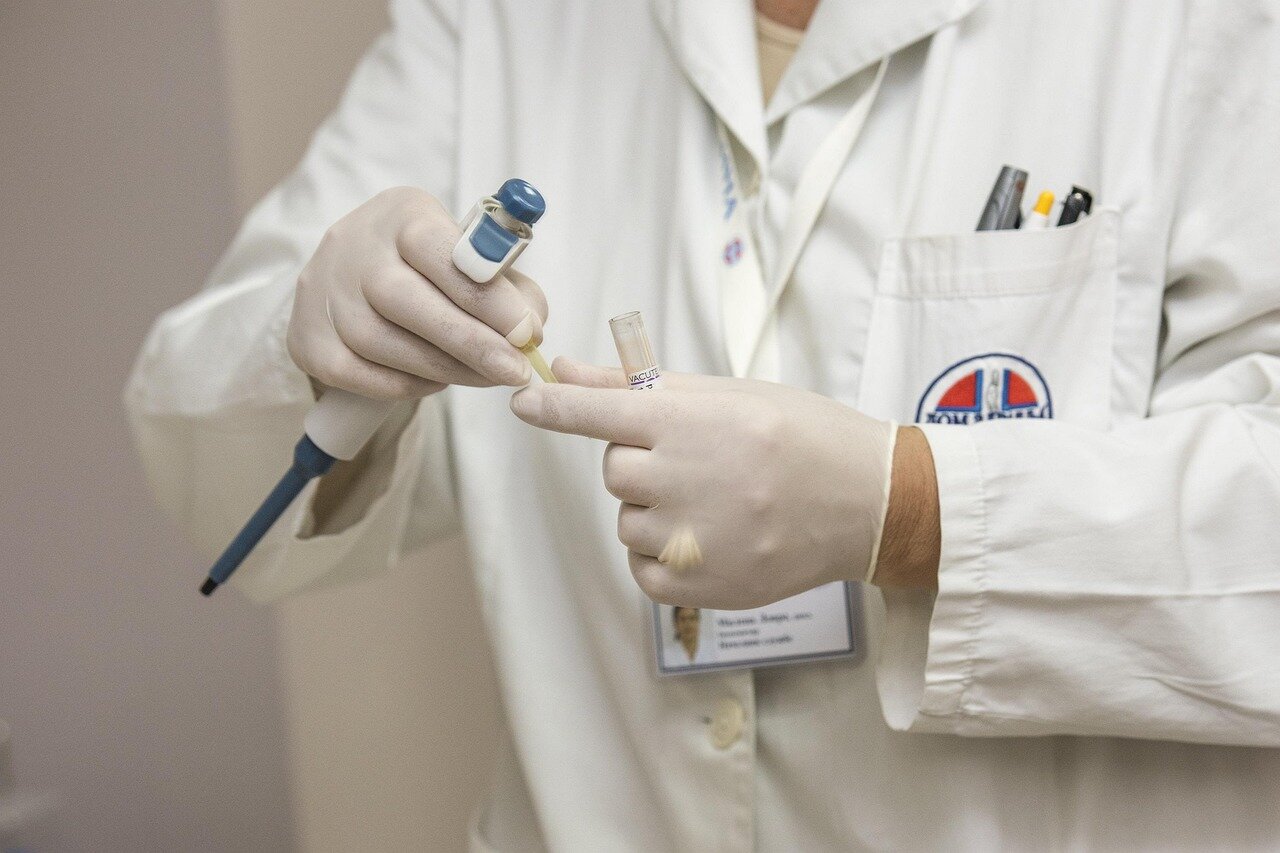
Key stakeholders in the endometriosis testing landscape
The introduction of two new tests for endometriosis presents a complex landscape involving various stakeholders, each with unique interests and concerns. Key actors include healthcare professionals, patients, medical researchers, pharmaceutical companies, and government health organizations.
Healthcare professionals, particularly general practitioners (GPs), are at the forefront of implementing these tests. Their main interest lies in improving diagnostic accuracy and patient outcomes. However, they may face challenges related to training, resource allocation, and the integration of new testing protocols into existing healthcare frameworks.
Patients represent a critical stakeholder group, as they are the ones directly affected by endometriosis. Their primary interest is in gaining timely and accurate diagnoses to manage their health effectively. However, disparities in access to these new tests may arise, particularly for individuals in under-resourced areas or those without adequate health insurance coverage.
Medical researchers and advocacy organizations play a vital role in advancing knowledge about endometriosis and supporting patient education. They are invested in validating the efficacy and reliability of the new tests, as well as ensuring that the information reaches the public. Conflicts may arise if research findings are misinterpreted or if there are delays in disseminating results to healthcare providers.

- Economic considerations: The cost of implementing new tests could be a barrier for some healthcare systems.
- Legal issues: Liability concerns may emerge if tests yield false negatives or positives, impacting patient care.
- Trade-offs: Balancing the need for rapid testing with the necessity for thorough, accurate diagnoses poses a significant challenge.
- Equity in access: Ensuring all patients have equal access to these tests will be essential to avoid widening health disparities.
Potential impact on patients and healthcare systems
The introduction of two new tests for endometriosis by general practitioners (GPs) is set to significantly affect various groups, particularly women of reproductive age who experience symptoms associated with this condition. With an estimated 1 in 10 women affected by endometriosis, the potential for early diagnosis and treatment could transform the lives of many, alleviating chronic pain and improving quality of life. This pivotal change echoes the ongoing discussions around women’s health issues and their importance in modern healthcare.
Healthcare systems will also feel the impact of these tests. By enabling GPs to diagnose endometriosis more effectively, there is a possibility of reducing the long-term healthcare costs associated with misdiagnosis and delayed treatment. This could lead to a more efficient allocation of resources within the healthcare system, ultimately benefiting both patients and providers.
In the short term, the rollout of these tests may increase the demand for GP consultations as patients seek evaluations for their symptoms. This surge could strain existing healthcare resources, necessitating adjustments in scheduling and patient management. However, it also presents an opportunity for GPs to enhance their practices by offering specialized services, thus attracting more patients.

- Increased awareness: The availability of these tests may lead to greater public awareness of endometriosis, encouraging more women to seek help.
- Policy changes: The healthcare sector may see shifts in policy to support better diagnostic practices and funding for endometriosis research.
- Business opportunities: Companies involved in medical diagnostics and women’s health may experience growth as demand for endometriosis-related products and services rises.
While the potential for better outcomes is significant, there are also risks associated with the implementation of these tests. If not adequately communicated, there may be misunderstandings about the tests’ accuracy or implications, leading to anxiety or mismanagement of care. Ensuring proper education and support for both patients and healthcare providers will be crucial in navigating these challenges.
A: The two tests are a blood test and a non-invasive imaging test designed to help identify endometriosis more accurately. A: These tests aim to reduce the time it takes for women to receive a diagnosis, which can often take years with current methods. A: General practitioners (GPs) will be trained to administer these tests, making it more accessible for patients. A: Common symptoms include pelvic pain, heavy menstrual bleeding, and pain during intercourse, but symptoms can vary widely. A: Yes, the tests are expected to be available to all patients experiencing symptoms of endometriosis.
Frequently asked questions about the new tests
Looking ahead at the future of endometriosis diagnosis
The introduction of two new tests for general practitioners (GPs) to diagnose endometriosis marks a significant advancement in women’s health. These tests promise to enhance early detection and provide a clearer picture of the condition, which has historically been challenging to diagnose. As awareness of endometriosis grows, the integration of these tests into routine practice could lead to improved patient outcomes and more informed treatment options.
Healthcare professionals and patients alike should remain vigilant about the implications of these tests. With better diagnostic tools at their disposal, GPs can facilitate timely interventions and reduce the long-standing diagnostic delay that many women experience. As the medical community adapts to these advancements, the focus will shift toward ensuring that patients receive comprehensive care and support throughout their treatment journey.
- Increased awareness among GPs may lead to a higher rate of early diagnosis and intervention for endometriosis.
- Patients should be encouraged to discuss these new testing options with their healthcare providers to better understand their potential benefits.
- Ongoing research and development in endometriosis diagnostics could pave the way for more innovative solutions in the future.
- Healthcare systems may need to adjust their protocols to incorporate these tests, ensuring accessibility for all patients.
- As more women are diagnosed earlier, there may be a shift in the treatment landscape, emphasizing personalized care plans.