
The actions depicted in the video have raised serious concerns regarding the rules of engagement employed by Israeli forces in the occupied territories. Critics argue that such tactics not only endanger civilian lives but also exacerbate tensions in an already volatile region. For more context on the ongoing conflict, you can read about the broader context of escalating violence in the West Bank. The Israeli military has stated that they are reviewing the incident to determine if any protocols were violated.
This event is part of a broader context of escalating violence in the West Bank, where clashes between Israeli forces and Palestinian residents have intensified in recent months. The United Nations has called for an immediate de-escalation and urged both parties to engage in dialogue to address the ongoing conflict. As the situation unfolds, the implications of this incident may further complicate international efforts to mediate peace.

The Israeli government has defended its military operations as necessary for national security, citing ongoing threats from militant groups. However, the use of force in civilian areas continues to be a contentious issue, prompting calls for accountability and reform within the Israeli Defense Forces. As reactions to the video continue to emerge, it remains to be seen how this incident will impact public opinion and policy in the region. For insights into the historical background, you might find it interesting to explore the historical context of the Israeli-Palestinian conflict.
Understanding the ongoing conflict in the West Bank
The Israeli-Palestinian conflict is a long-standing and deeply rooted issue that has evolved over decades, characterized by territorial disputes, political tensions, and social unrest. The West Bank, a territory occupied by Israel since the 1967 Six-Day War, has been a focal point of this conflict. The area is home to a significant Palestinian population and is dotted with Israeli settlements, which are considered illegal under international law, although Israel disputes this characterization.
The historical context of the West Bank’s occupation can be traced back to the aftermath of World War II and the establishment of the State of Israel in 1948. The subsequent Arab-Israeli wars led to the displacement of many Palestinians, creating a refugee crisis that still affects millions today. The Oslo Accords in the 1990s marked a significant attempt to resolve the conflict, establishing the Palestinian Authority and granting limited self-governance to parts of the West Bank. However, the failure to achieve a lasting peace agreement has left many issues unresolved, including the status of Jerusalem and the right of return for Palestinian refugees.
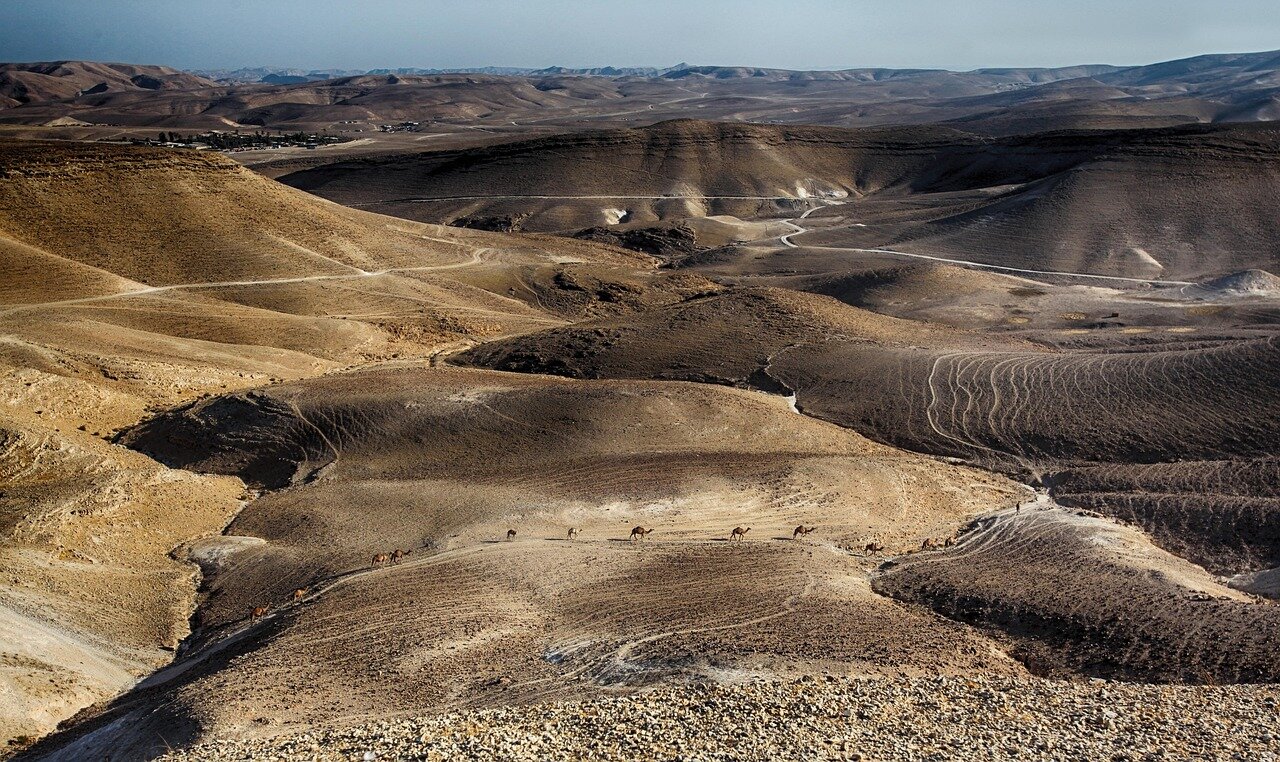
In recent years, tensions have escalated due to increased violence, settlement expansion, and military operations in the West Bank. Incidents such as the recent video of an Israeli officer throwing a stun grenade into a car during a raid highlight the confrontational nature of military operations in the region. These actions are often justified by Israeli authorities as necessary for security, but they are met with condemnation from Palestinian communities and human rights organizations, which argue they contribute to a cycle of violence and oppression.
Key Milestones in the Conflict
Several key events have shaped the current landscape of the Israeli-Palestinian conflict. The Second Intifada, which erupted in 2000, marked a significant escalation in violence and led to widespread Palestinian uprisings against Israeli occupation. The construction of the separation barrier, initiated in the early 2000s, further complicated the situation by physically dividing communities and restricting movement. More recently, the U.S. recognition of Jerusalem as Israel’s capital in 2017 and the subsequent normalization agreements between Israel and several Arab states have shifted the dynamics, leaving the Palestinian plight often sidelined in international discourse.
Key stakeholders and the implications of military actions
The recent incident involving an Israeli officer throwing a stun grenade into a car during a raid in the West Bank has drawn significant attention and concern from various stakeholders. These actors include the Israeli government, the Palestinian Authority, international human rights organizations, and local Palestinian communities, each with distinct interests and perspectives on the situation. Understanding these different perspectives is crucial, as detailed in an article on the complexities of military operations in sensitive regions.

The Israeli government, particularly its military leadership, is primarily focused on maintaining security and control in the West Bank. This incident reflects ongoing tensions and the complexities of military operations in areas deemed sensitive for national security. The government’s interest lies in justifying its actions as necessary for countering perceived threats, yet this can lead to heightened scrutiny and criticism from both domestic and international observers.
On the other hand, the Palestinian Authority and local communities are deeply affected by such military actions. They often view these operations as violations of human rights and sovereignty. The use of stun grenades and other military tactics can exacerbate existing grievances and fuel further conflict. The Palestinian interests center around seeking accountability for military actions and advocating for the protection of civilians during such operations.
International human rights organizations are also key stakeholders, advocating for adherence to international law and the protection of human rights in conflict zones. They typically highlight issues of excessive use of force and the impact on civilian populations. Their involvement often aims to bring attention to the need for accountability and reform in military practices, which can influence public opinion and policy decisions globally.

- Security vs. Human Rights: Balancing national security interests with the protection of human rights remains a contentious issue.
- Public Perception: Military actions can shape public perception both locally and internationally, impacting diplomatic relations.
- Legal Implications: Potential legal ramifications for the Israeli military under international law may arise from incidents involving civilian harm.
- Escalation of Violence: Such actions can lead to increased tensions and violence in the region, complicating peace efforts.
- International Response: The response from other governments and organizations can influence future military policies and strategies.
The effects on local communities and international relations
The recent incident involving an Israeli officer throwing a stun grenade into a car during a West Bank raid has significant implications for various groups, particularly local Palestinian communities, Israeli citizens, and international observers. The immediate impact is felt most acutely by Palestinian residents who may face increased violence and instability as tensions escalate in the region.
In the short term, daily life for Palestinians in the affected areas may become increasingly precarious. Fear of further military actions can lead to disruptions in normal activities such as schooling, work, and access to essential services. This heightened state of alert may also result in a decline in local businesses as customers become hesitant to venture out.

From a mid-term perspective, the incident may influence policy discussions both within Israel and among international stakeholders. Increased scrutiny from human rights organizations and foreign governments could lead to calls for accountability and changes in military engagement rules. For Israeli citizens, particularly those concerned about security and peace, this could spark debates about the effectiveness of current policies in maintaining order and fostering dialogue.
- Local Communities: Heightened fear and disruption of daily life.
- Business Impact: Decline in consumer confidence and local economic activity.
- Policy Changes: Potential for increased international scrutiny and calls for reform.
- International Relations: Strained diplomatic ties and renewed discussions on peace processes.
Despite the risks, there may be opportunities for dialogue and advocacy. This incident could galvanize local and international activists to push for peace initiatives, potentially leading to renewed efforts toward negotiation and reconciliation. Additionally, businesses focusing on conflict resolution and humanitarian aid may find increased support and funding as awareness of the situation grows.
A: The raid was part of ongoing military operations aimed at combating perceived threats in the region. However, the methods used have drawn significant criticism. A: A stun grenade is a non-lethal explosive device designed to temporarily disorient individuals. It is often used in military and law enforcement operations. A: The Palestinian community has expressed outrage, viewing the incident as an example of excessive force and a violation of civilian rights. A: The Israeli government has stated that it is reviewing the incident and emphasizes the need for military actions to ensure security. A: This incident may strain Israel’s relations with other countries, particularly those advocating for human rights and civilian protection.
Frequently asked questions about the incident
Key takeaways and future implications of the incident
The recent incident involving an Israeli officer throwing a stun grenade into a car during a West Bank raid has raised significant concerns regarding the escalation of tensions in the region. This event highlights the ongoing complexities of the Israeli-Palestinian conflict and the potential for increased violence in the area. As both sides grapple with the consequences of such actions, the international community’s response will be crucial in shaping future dynamics.
In the wake of this incident, observers should remain vigilant about the implications for security protocols, public sentiment, and diplomatic relations. The situation underscores the need for dialogue and restraint to prevent further escalation and to address the underlying issues at play.
- Increased scrutiny on Israeli military tactics and their implications for civilian safety.
- Potential for heightened tensions and protests in the West Bank and beyond.
- Impact on international relations, particularly with countries advocating for Palestinian rights.
- Possibility of renewed calls for accountability and oversight of military actions.
- Importance of monitoring responses from both Israeli and Palestinian leadership in the aftermath of the incident.