
The chosen astronauts are part of Nasa’s broader Artemis program, which seeks to establish a sustainable human presence on the Moon and eventually prepare for future missions to Mars. This announcement highlights Nasa’s commitment to advancing lunar exploration and fostering international partnerships in space exploration. For more on the significance of such missions, you can read about Hunting the tardigrade as a step in sequencing DNA of all life on Earth.
Among the selected crew members is a veteran astronaut who has previously spent time aboard the International Space Station. This experience is expected to be invaluable as they prepare for the challenges of lunar exploration. The mission will utilize the Orion spacecraft, designed to carry astronauts beyond low Earth orbit.
The Artemis III mission is not only significant for its scientific goals but also symbolizes a renewed interest in space exploration. With increasing global competition in space, Nasa’s efforts aim to inspire a new generation of scientists and engineers while reinforcing the United States’ leadership in space endeavors. This drive for innovation can be likened to the objectives outlined in Creating a Lasting Time Capsule for the Future.
Understanding the significance of the Artemis program
The Artemis program represents a pivotal moment in space exploration, aiming to return humans to the Moon for the first time since the Apollo missions of the late 1960s and early 1970s. This ambitious initiative is not only a technological endeavor but also a symbol of renewed interest in lunar exploration, with the goal of establishing a sustainable human presence on the Moon and paving the way for future Mars missions.
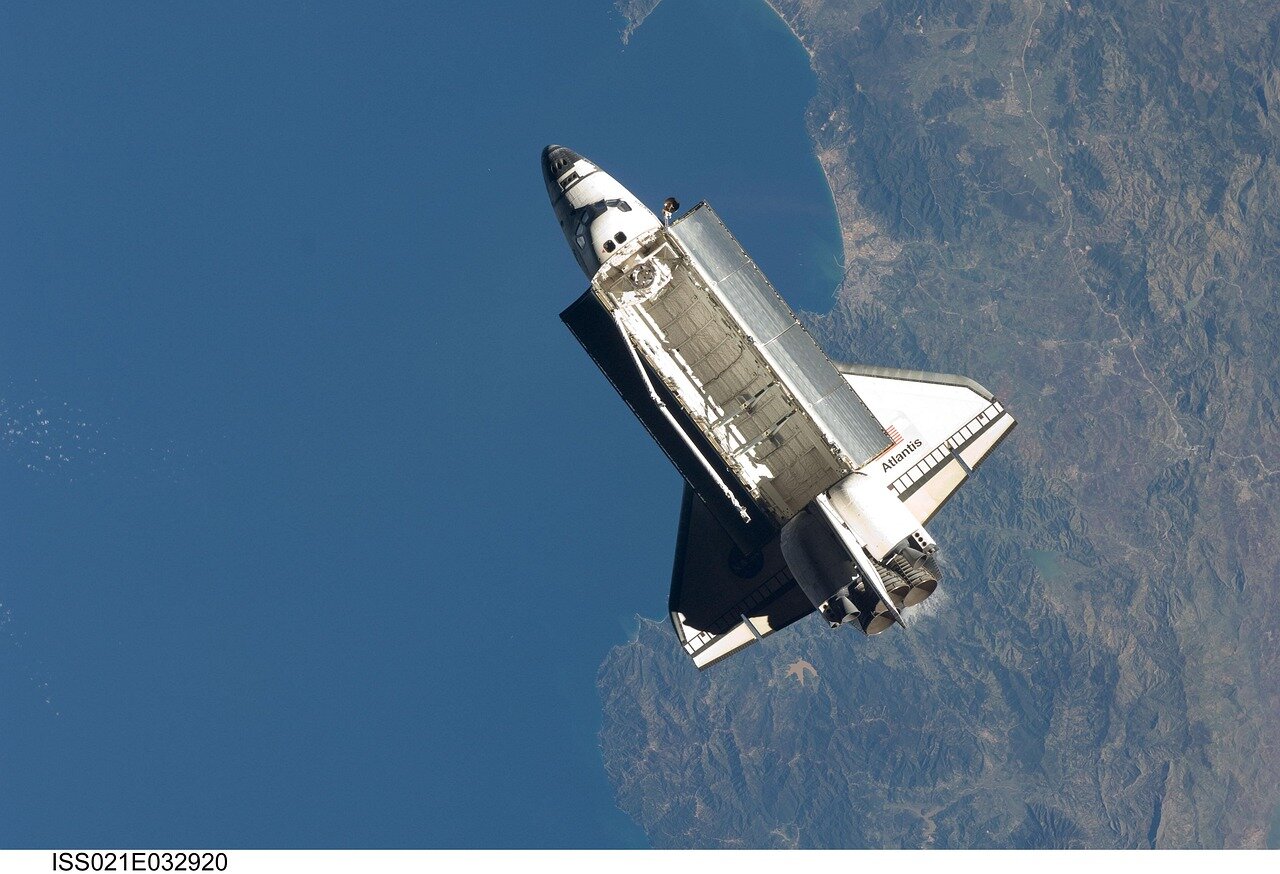
The historical context of the Artemis program can be traced back to the Apollo program, which successfully landed astronauts on the Moon, marking a significant achievement in human history. Following the Apollo missions, interest in lunar exploration waned during the 1980s and 1990s, leading to a period where space exploration was primarily focused on low Earth orbit and the International Space Station (ISS). The Artemis program aims to reignite that spirit of exploration and innovation, reflecting a broader societal interest in space and its potential benefits.
Political and Economic Factors
The Artemis program is also influenced by political and economic factors. In recent years, there has been a growing recognition of the strategic importance of space, both for national security and for economic opportunities. Countries like China and Russia have ramped up their space programs, prompting the United States to reaffirm its leadership in space exploration. The investment in Artemis not only fosters technological advancements but also stimulates economic growth through job creation in the aerospace sector and related industries.
Moreover, the Artemis III mission, which will feature the first woman and the next man on the lunar surface, underscores a commitment to diversity and inclusion in space exploration. This focus reflects broader societal movements advocating for equal representation and opportunities across various fields, including STEM (science, technology, engineering, and mathematics). The selection of a diverse astronaut crew symbolizes a shift in the narrative around space exploration, aiming to inspire future generations. Such empowerment is echoed in initiatives across industries, much like the changes heralded by CoinPoker’s recent updates.
As the world watches the developments of the Artemis program, it is essential to recognize its potential to unite humanity in the quest for knowledge and exploration beyond our planet. The upcoming Artemis III mission is not just a continuation of a legacy; it is a bold step towards a future where human presence extends beyond Earth, fostering international collaboration and inspiring a new era of discovery.
Key stakeholders involved in the Artemis III mission
The Artemis III mission marks a significant milestone in NASA’s efforts to return humans to the Moon. Key stakeholders include NASA, the U.S. government, international space agencies, private aerospace companies, and the scientific community. Each of these actors has distinct interests that influence the mission’s objectives and implementation.

NASA, as the primary agency leading the mission, aims to demonstrate its capabilities in lunar exploration while fostering international cooperation. The U.S. government, through funding and policy support, is interested in showcasing American leadership in space exploration and advancing technological innovation. Additionally, the mission is part of a broader strategy to prepare for future Mars missions.
International space agencies, such as the European Space Agency (ESA) and others, are key partners, contributing technology and expertise. Their involvement underscores the importance of global collaboration in space exploration, which can enhance diplomatic relations and shared scientific goals. However, differing priorities among these agencies can lead to conflicts regarding resource allocation and mission timelines.
- Economic interests: The Artemis III mission has implications for the commercial space sector, as private companies are contracted for various aspects of the mission, creating economic opportunities but also competition.
- Legal considerations: The mission raises questions around space law, particularly regarding the use of lunar resources and the governance of extraterrestrial territories.
- Public interest: The mission also engages the public, as educational outreach and community involvement are crucial for garnering support and interest in space exploration.
Trade-offs are evident in balancing scientific objectives with budgetary constraints and timelines. As stakeholders navigate these complexities, the success of Artemis III will depend on effective collaboration and communication among all parties involved.
Potential impacts of the Artemis III mission on space exploration
The Artemis III mission, which aims to return humans to the Moon, will have far-reaching effects on various groups and industries. Key stakeholders include aerospace companies, scientific research institutions, and educational organizations. Additionally, communities in regions involved in space exploration, such as Florida and Texas, will experience significant impacts.
In the short term, the mission is expected to boost local economies through increased job opportunities in the aerospace sector. Companies involved in the mission’s supply chain will likely see a surge in demand for their products and services. Furthermore, educational institutions may enhance their science and technology programs to inspire the next generation of engineers and scientists.
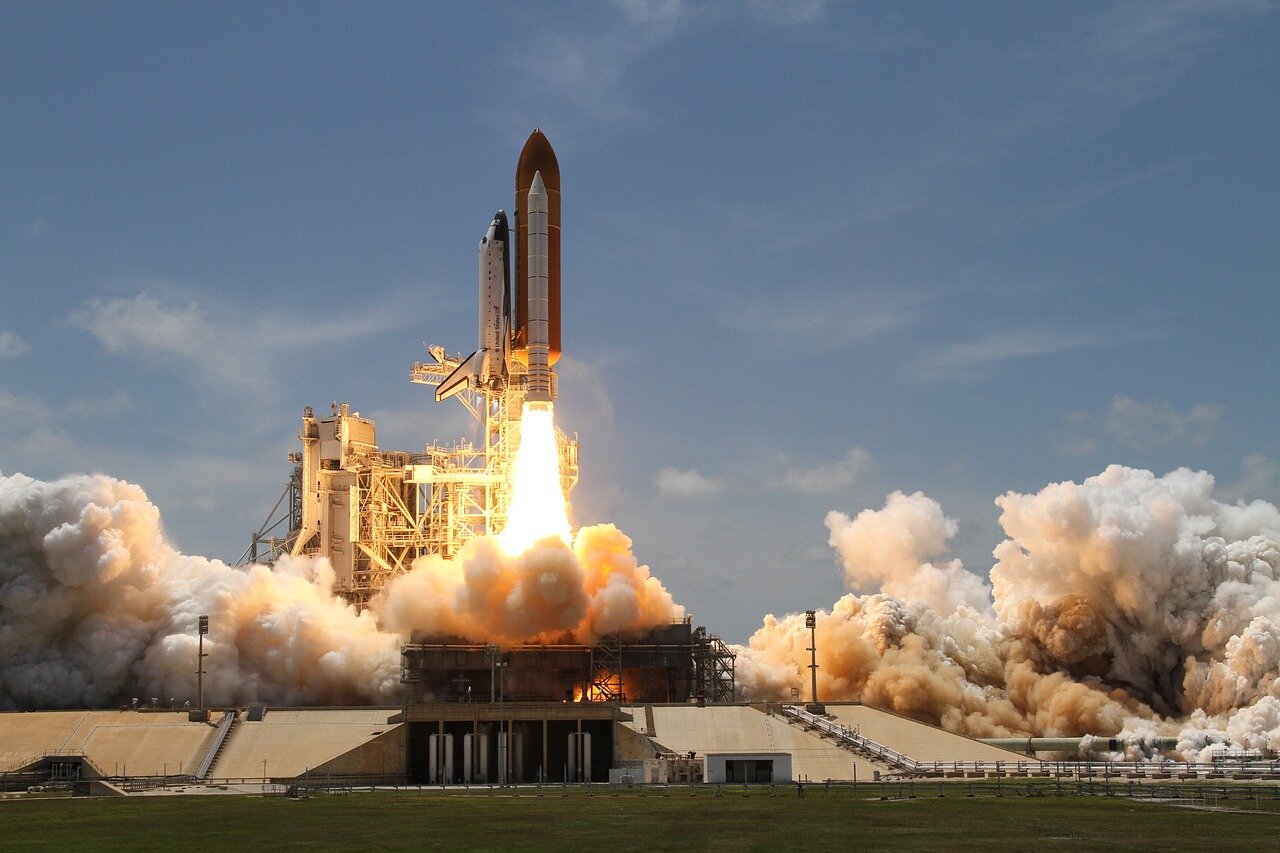
Mid-term impacts could include advancements in technology and materials science, spurred by the challenges of lunar exploration. Innovations developed for the Artemis III mission may find applications in other industries, such as healthcare and telecommunications. However, there are risks associated with increased funding and public interest in space exploration, including potential budget cuts to other critical areas like education and social services.
- Economic growth: Increased jobs and business opportunities in aerospace.
- Technological innovation: Advancements that could benefit other industries.
- Public engagement: Heightened interest in STEM fields among students.
- Policy shifts: Potential reallocation of funding and resources.
Additionally, the Artemis III mission could foster international collaboration in space exploration, as countries may seek partnerships for future missions. This collaboration has the potential to enhance global diplomatic relations and promote shared goals in scientific research. However, it may also lead to competition among nations, particularly in the context of lunar resource utilization.
A: The selected crew includes experienced astronauts from diverse backgrounds, each bringing unique skills to the mission. A: The Artemis III mission is currently planned for a launch in the mid-2020s, although exact dates may vary. A: The primary goal of Artemis III is to land the first woman and the next man on the lunar surface, particularly near the lunar South Pole. A: Artemis III is a crucial part of Nasa’s long-term strategy to establish a sustainable human presence on the Moon and prepare for future Mars missions. A: The mission will test new technologies for landing on the Moon, including advanced lunar landers and habitats.
Frequently asked questions about Artemis III mission
Looking ahead at the future of lunar missions
The announcement of the astronaut crew for NASA’s Artemis III mission marks a significant milestone in humanity’s return to the Moon. This mission not only aims to land the first woman and the next man on the lunar surface but also serves as a pivotal step towards sustainable exploration and eventual human missions to Mars. The selected crew brings a diverse set of experiences and backgrounds, highlighting NASA’s commitment to inclusivity and innovation in space exploration.
As we look to the future, the implications of this mission extend beyond lunar landings. The Artemis program is set to foster international partnerships, advance scientific research, and inspire the next generation of explorers. Observers should keep an eye on how this mission will influence technological advancements and international collaboration in space exploration.
- The Artemis III mission will enhance international collaboration as NASA partners with other space agencies and private companies.
- The diverse astronaut crew underscores a commitment to inclusivity, potentially inspiring future generations from various backgrounds to pursue careers in STEM.
- Technological innovations developed for Artemis III may have applications beyond space exploration, benefiting industries on Earth.
- Successful lunar missions could pave the way for future manned missions to Mars, shifting the focus of human exploration further into the solar system.
- Continuous public engagement and education initiatives will be crucial in maintaining interest and support for NASA’s lunar and Martian endeavors.