
Critics argue that Trump’s involvement in the crypto market raises ethical questions, particularly regarding the timing of his investments. Some point to the volatility of cryptocurrency during his term, suggesting that his financial success may have come at the expense of ordinary investors who faced significant losses. This situation mirrors broader concerns about financial ethics in politics.
The controversy gained traction after a report published in early October 2023 detailed Trump’s financial disclosures, revealing substantial income from digital assets. This has led to increased calls for transparency and accountability among public officials, as many citizens feel that such earnings should not be permissible while serving in office.
Supporters of Trump dismiss the claims as politically motivated attacks, asserting that he is a savvy businessman who capitalized on emerging markets. However, the broader implications of this situation highlight ongoing concerns about the intersection of politics and personal finance in the United States.

Background on Trump’s involvement in cryptocurrency
Donald Trump’s relationship with cryptocurrency has been a topic of considerable debate and speculation since his presidency. Initially, Trump expressed skepticism about digital currencies, famously stating in 2019 that he was “not a fan” of Bitcoin and other cryptocurrencies, citing concerns over their volatility and potential for illicit activities. However, as the cryptocurrency market gained momentum and popularity, the former president’s stance seemed to shift, leading to questions about his motivations and potential financial interests.
The rise of cryptocurrencies in the past decade has been marked by significant milestones, including the launch of Bitcoin in 2009, which introduced the concept of decentralized digital currency. This was followed by the emergence of thousands of alternative cryptocurrencies, collectively known as altcoins, and the establishment of various blockchain technologies. As the market matured, regulatory frameworks began to evolve, further legitimizing the sector and attracting mainstream investors, including high-profile individuals and celebrities.
The Intersection of Politics and Finance
Trump’s presidency coincided with a period of heightened interest in cryptocurrencies, particularly as the COVID-19 pandemic prompted unprecedented monetary stimulus measures. This environment created a fertile ground for speculation and investment in digital assets. Critics argue that Trump’s later endorsement of cryptocurrency initiatives and projects may have been influenced by his desire to capitalize on this burgeoning market, raising ethical concerns about the intersection of politics and personal profit, similar to the discussions around economic interests in governance.
Moreover, the emergence of decentralized finance (DeFi) platforms and non-fungible tokens (NFTs) has further blurred the lines between traditional finance and the digital economy. Trump’s potential earnings from these ventures, reportedly amounting to $1 billion, have sparked outrage among many Americans who view this as a blatant example of self-dealing and exploitation of his presidential position for personal gain. This sentiment reflects a broader discontent with perceived corruption and grifting in politics, particularly among those who feel disenfranchised by the political establishment, much like the discontent surrounding labor issues in the UK.

As the cryptocurrency landscape continues to evolve, the implications of Trump’s involvement raise important questions about the ethics of political leaders engaging in financial ventures and the potential for conflicts of interest. The ongoing discourse surrounding this issue underscores the need for transparency and accountability in both politics and finance, as citizens demand to understand how their leaders are navigating these complex and rapidly changing industries.
Key stakeholders and issues at play in this situation
The controversy surrounding former President Donald Trump’s reported earnings of $1 billion from cryptocurrency ventures during his presidency has sparked significant debate among various stakeholders. Key actors in this scenario include Trump himself, cryptocurrency investors, regulatory bodies, and the general American public, each with distinct interests and perspectives on the implications of these earnings.
Donald Trump stands at the center of this issue, with his financial dealings raising questions about potential conflicts of interest and ethical governance. His supporters may view his financial success as a testament to his business acumen, while detractors label it as a “grift,” suggesting that he exploited his position for personal gain. This dichotomy reflects broader societal divisions regarding trust in political leaders and their motives.
Investors in the cryptocurrency market are another critical stakeholder group. They may have mixed feelings about Trump’s involvement, as his actions could influence market dynamics and regulatory scrutiny. The potential for increased regulation in the cryptocurrency space could either stabilize the market or stifle innovation, creating a tension between the desire for growth and the need for oversight.

- Regulatory Bodies: Government agencies like the Securities and Exchange Commission (SEC) are tasked with overseeing financial markets, including cryptocurrencies. They face the challenge of balancing innovation with consumer protection.
- Public Opinion: The American public is divided, with some viewing Trump’s earnings as a legitimate business venture and others seeing them as unethical, raising questions about transparency and accountability in government.
- Legal Implications: The potential for legal action regarding Trump’s financial activities could arise, particularly if there are allegations of misconduct or violations of campaign finance laws.
These stakeholders are navigating a complex landscape where economic interests, ethical considerations, and legal frameworks intersect. The ongoing discourse surrounding Trump’s cryptocurrency earnings serves as a microcosm of larger debates about the role of money in politics and the responsibilities of public officials in maintaining integrity. As this situation unfolds, the implications for both the cryptocurrency market and the political landscape remain to be seen.
Potential impact on public trust and the political landscape
The revelation that former President Trump reportedly earned $1 billion from cryptocurrency ventures during his presidency has sparked outrage among various groups, including voters, political analysts, and advocacy organizations. This situation raises significant concerns regarding the integrity of public officials and the influence of money in politics.
In the short term, this controversy may lead to increased skepticism among the electorate towards politicians, particularly those involved in the cryptocurrency industry. Citizens may question the motives behind regulatory decisions made during Trump’s administration, potentially leading to calls for stricter regulations on financial disclosures for public officials. This could also prompt a wave of protests and grassroots movements aimed at promoting transparency in political financing.
In the mid-term, the fallout from this situation could reshape the political landscape. Political parties may find themselves under pressure to adopt more stringent ethical guidelines regarding outside business interests. This could create a divide among party members, with some advocating for reform while others resist changes to preserve their financial interests. Additionally, the cryptocurrency industry may face increased scrutiny from regulators, affecting its growth and innovation potential.

- Voter Disillusionment: Increased distrust in politicians could lead to lower voter turnout and engagement.
- Regulatory Changes: Potential for new legislation aimed at increasing transparency in political financing.
- Industry Scrutiny: Heightened regulatory oversight of cryptocurrency practices, impacting market dynamics.
- Opportunities for Reform: Advocacy groups may gain traction in pushing for reforms that promote ethical governance.
While the risks of public disillusionment and regulatory backlash are evident, there are also opportunities for positive change. Advocacy for greater accountability and transparency in politics could lead to a more informed electorate and a healthier political environment. Moreover, the cryptocurrency industry could pivot towards more ethical practices, potentially restoring some public confidence in its legitimacy.
A: Trump’s earnings are linked to various crypto investments and endorsements during his presidency. Critics argue that this raises ethical concerns regarding his financial interests while in office. A: Many critics label Trump’s actions as a grift, suggesting he exploited his position for personal gain. This has sparked debates about transparency and accountability in political leadership. A: Public reaction has been largely negative, with many expressing outrage on social media and in public forums. This sentiment reflects broader concerns about corruption in politics. A: The controversy may impact Trump’s political future, potentially affecting his support among voters who prioritize ethical governance. It could also influence upcoming elections.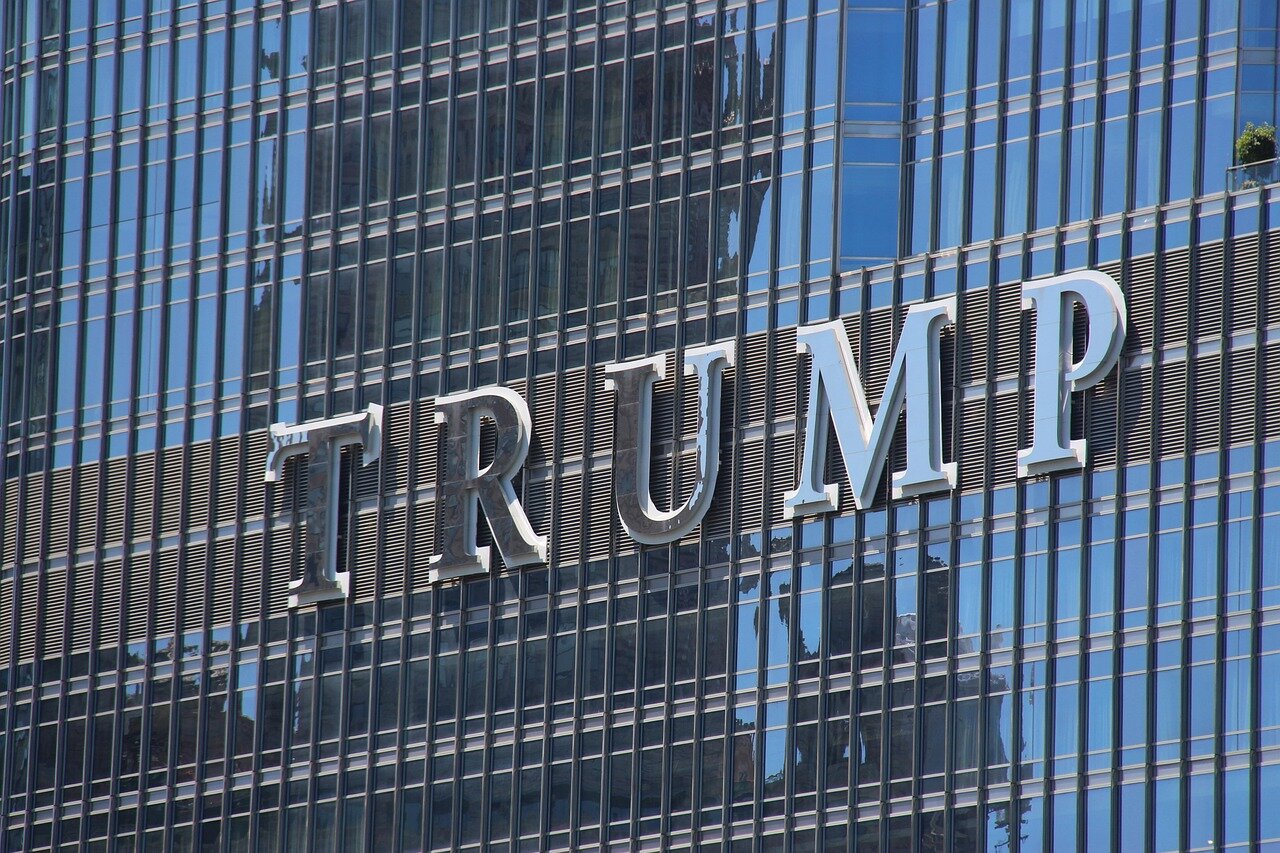
Frequently asked questions about Trump’s crypto earnings
Key takeaways and future implications of this controversy
The recent revelations surrounding former President Trump’s substantial earnings from cryptocurrency ventures during his presidency have sparked widespread outrage among Americans. This situation raises critical questions about the ethical implications of financial gain in public office and the broader trust in political leadership. As the discourse evolves, it is essential to consider the ramifications of this incident on future political campaigns and regulatory measures in the cryptocurrency space.
As public sentiment continues to shift, the potential for increased scrutiny on political figures involved in financial markets may lead to more stringent regulations. Observers should remain vigilant about how this controversy influences voter behavior and the potential impact on upcoming elections.
- Increased demand for transparency in political financing may emerge, prompting calls for stricter regulations on financial activities of public officials.
- The controversy could galvanize voter sentiment against perceived corruption, influencing electoral outcomes in the 2024 elections.
- Future candidates may need to address their financial dealings proactively to maintain public trust and avoid similar backlash.
- Regulatory bodies may reevaluate their stance on cryptocurrency, leading to potential changes in legislation affecting the industry.
- This incident may serve as a case study for political analysts examining the intersection of finance and governance in the digital age.