
The controversy intensified after a series of incidents in 2022, where allegations of sacrilege led to violent protests and communal tensions. The state government, led by Chief Minister Bhagwant Mann, has emphasized the need for a legal framework to address these issues, similar to discussions surrounding productivity measures. However, the opposition parties, including the Indian National Congress and the Shiromani Akali Dal, have voiced their apprehensions regarding the law’s potential to stifle dissent and target specific communities.
On October 10, 2023, a coalition of civil rights organizations organized a protest in Chandigarh, urging the government to reconsider the law. They argue that while protecting religious sentiments is important, the proposed measures could infringe upon individual rights and freedoms. The ongoing discussions have sparked a broader dialogue about the balance between religious respect and free speech in a diverse society like India, reminiscent of previous legal debates.
As the Punjab Assembly prepares for a vote on the legislation, the situation remains fluid, with various stakeholders mobilizing to influence the outcome. The implications of this law could extend beyond Punjab, potentially setting a precedent for similar measures in other Indian states. The coming weeks will be crucial in determining how the government navigates this contentious issue and addresses the concerns of its citizens.
Understanding the historical background of sacrilege in Punjab
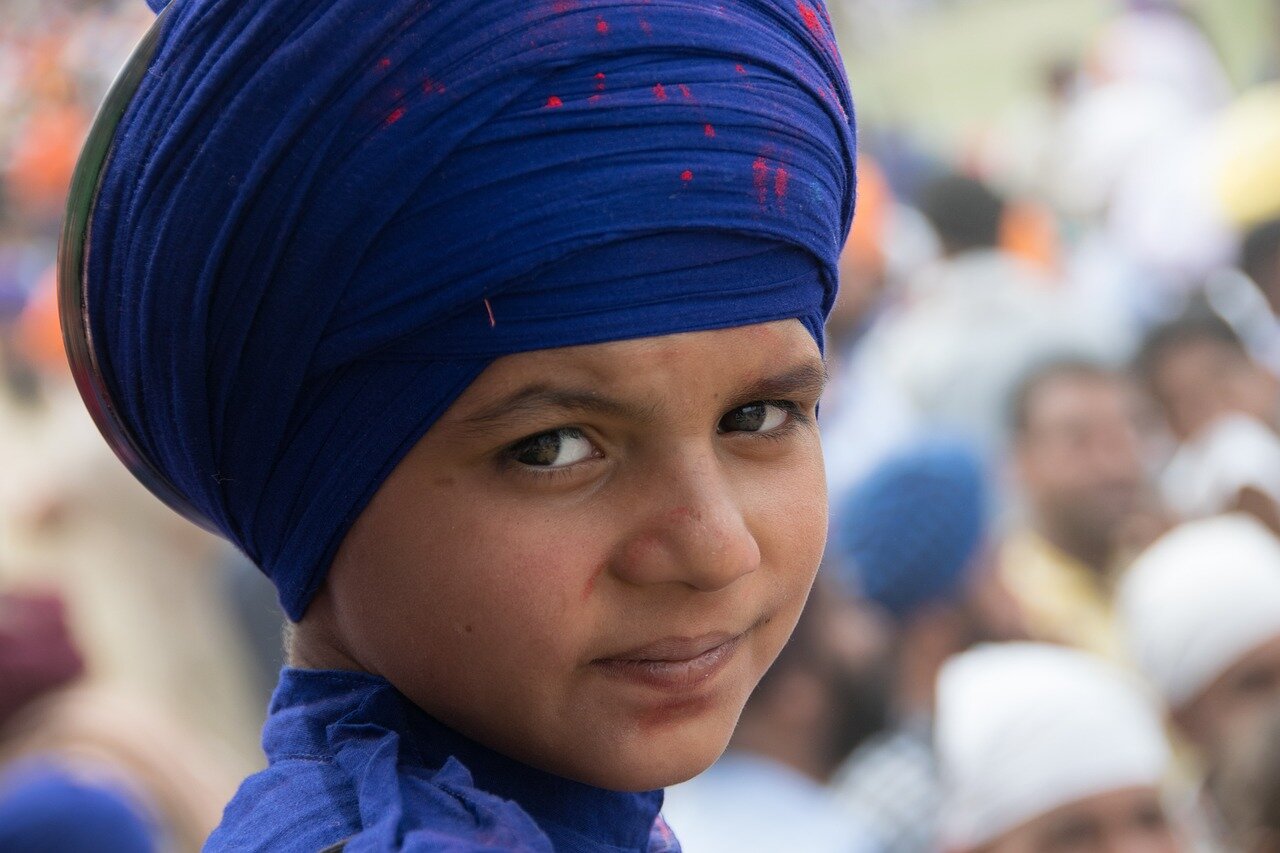
The issue of sacrilege in Punjab has deep historical roots, intertwined with the region’s religious, cultural, and political fabric. The state, predominantly Sikh, has witnessed numerous incidents over the decades that have ignited communal tensions and violence. These incidents often revolve around perceived insults to religious symbols, texts, or figures, leading to widespread outrage among the community.
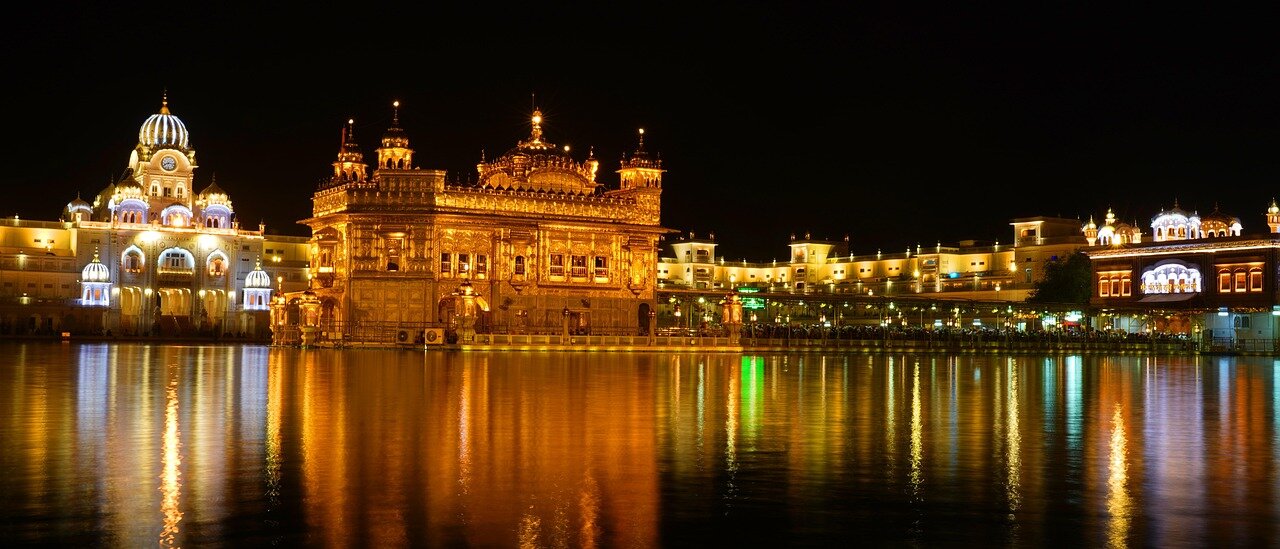
One of the most significant triggers of sacrilege-related unrest occurred in 1984, during Operation Blue Star, when the Indian Army stormed the Golden Temple in Amritsar to remove Sikh militants. This event not only left a lasting scar on the Sikh psyche but also heightened sensitivities regarding the sanctity of religious sites and symbols. The aftermath saw a surge in anti-Sikh sentiments and violence, setting a precedent for future incidents of sacrilege, much like the events discussed in the context of cultural controversies.
In the years following, various cases of alleged sacrilege have led to riots and mob violence, prompting the Punjab government to take a more proactive stance. The introduction of an anti-sacrilege law is seen by many as a necessary step to protect religious sentiments and maintain communal harmony. However, critics argue that such laws can be misused for political gains, stifling dissent and curtailing freedom of expression.
Political Implications of the Anti-Sacrilege Law
The political landscape in Punjab has also played a crucial role in the emergence of the anti-sacrilege law. With elections approaching, political parties are keen to capitalize on religious sentiments to consolidate their voter base. The law’s introduction has sparked debates about its implications for civil liberties and the potential for misuse against political opponents or minority voices. This complex interplay of religion and politics continues to shape the discourse around sacrilege in the region.
Key stakeholders and issues surrounding the law
The proposed anti-sacrilege law in Punjab has drawn attention from various stakeholders, each with distinct interests and concerns. The primary actors include the Punjab state government, religious organizations, civil rights groups, and the general public. Each of these groups plays a crucial role in shaping the discourse around the law and its implications.
The Punjab state government, led by the ruling party, aims to address growing tensions related to religious sentiments and public safety. By proposing this law, the government seeks to reassure the electorate that it is taking a firm stand against acts perceived as sacrilegious, which could lead to communal unrest. However, this approach has raised questions about the potential for misuse of the law and its impact on freedom of expression.
Religious organizations are also key stakeholders, as they often represent the sentiments of their followers. These groups may support the law as a means to protect their beliefs and practices from perceived threats. However, there are concerns about how broadly the law could be interpreted, potentially leading to the criminalization of dissenting opinions or artistic expressions that challenge religious norms.
- Conflict of interests: The law may serve to protect religious sentiments but could also infringe on individual rights.
- Trade-offs: Balancing public safety with freedom of expression remains a critical challenge.
- Legal implications: The potential for vague definitions in the law might lead to arbitrary enforcement and legal disputes.
- Economic concerns: The law’s impact on tourism and cultural expressions could affect local economies.
Civil rights groups are voicing strong opposition to the law, arguing that it could lead to increased censorship and stifle artistic freedom. They emphasize the importance of protecting individual rights and freedoms in a democratic society, warning that the law could set a dangerous precedent for further restrictions on free speech. The general public, meanwhile, remains divided, with some supporting the law for its intent to maintain order, while others fear it could exacerbate societal divisions.

The impact of the law on communities and social dynamics
The introduction of the anti-sacrilege law in Punjab has significant implications for various communities and social dynamics across the region. Primarily, it affects religious groups, local businesses, and law enforcement agencies, creating a ripple effect that influences daily life and governance.
In the short term, the law has heightened tensions among different religious factions, particularly between Sikh communities and other faith groups. Incidents of sacrilege have historically led to violent protests and unrest, and the law may exacerbate these sentiments, leading to increased polarization. Additionally, businesses that cater to religious tourism may see fluctuations in patronage as public sentiment shifts.
From a policy perspective, the law could lead to increased scrutiny and enforcement actions by law enforcement agencies. This may result in a heavier police presence at religious sites and events, impacting the freedom of movement and expression for citizens. In the mid-term, this could foster a climate of fear or compliance among the populace, altering how communities interact with one another.
However, there are potential opportunities arising from the implementation of this law. For instance, businesses that focus on security and surveillance might see a rise in demand for their services as communities seek to protect their religious sites. Furthermore, the law could encourage dialogue among different religious groups aimed at fostering understanding and coexistence, potentially leading to community-building initiatives.
- Heightened tensions among religious communities
- Impact on local businesses, especially in religious tourism
- Increased law enforcement presence and scrutiny
- Potential rise in demand for security services
- Opportunities for community dialogue and initiatives
A: The anti-sacrilege law aims to prevent acts that disrespect religious symbols and texts in Punjab. It has been introduced to address rising tensions and incidents of sacrilege. A: The law has sparked controversy due to concerns over its potential misuse and the implications for freedom of expression. Critics argue it may lead to increased tensions among communities. A: Supporters include religious leaders and certain political groups who believe the law is necessary to protect religious sentiments and maintain peace in the region. A: Potential consequences include heightened community tensions, legal battles, and challenges to civil liberties, as the law’s enforcement may be interpreted differently by various groups. A: Reactions have been mixed, with some communities supporting the law for its protective intentions, while others fear it could be weaponized against dissent.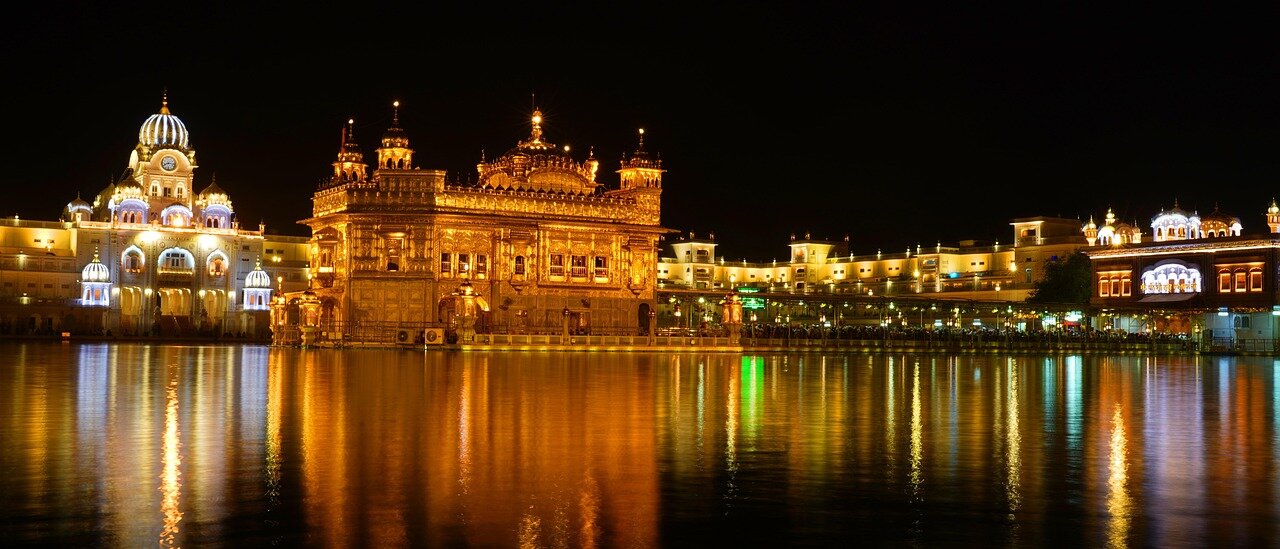
Frequently asked questions about the anti-sacrilege law
Key takeaways and future outlook on the law
The introduction of the anti-sacrilege law in Punjab has ignited a complex debate surrounding religious sentiments, freedom of expression, and the role of the state in regulating personal beliefs. As the law unfolds, it is likely to influence not only the political landscape in Punjab but also the broader discourse on religious tolerance and communal harmony in India.
Monitoring the reactions from various communities, as well as the legal challenges that may arise, will be essential in understanding the long-term implications of this legislation. The balance between protecting religious sentiments and ensuring civil liberties will remain a critical focal point for policymakers and citizens alike.
- Potential for Legal Challenges: Expect to see various groups contesting the law in courts, which could lead to significant legal precedents regarding religious freedom.
- Impact on Political Dynamics: The law may alter political alliances and voter behavior in Punjab, influencing upcoming elections.
- Public Sentiment Monitoring: Observing public reactions will be crucial, as widespread dissent or support could shape future legislative efforts.
- Dialogue on Religious Tolerance: This situation may catalyze discussions about the balance between faith and freedom, prompting broader societal reflection.
- International Attention: The law’s implications could attract scrutiny from human rights organizations, affecting India’s global image regarding religious freedoms.