
Initial assessments indicate that the fish deaths could be linked to pollution, possibly from runoff or illegal dumping. Samples of water and fish are being collected for analysis to determine the exact source and nature of the contaminants. The park, a popular recreational area, has been temporarily closed to the public as a precautionary measure.
Local environmental groups are calling for urgent action to address the situation and prevent further ecological damage. They emphasize the need for stricter regulations on waste disposal and greater accountability for industries operating near the park. Community meetings are being organized to discuss the issue and mobilize public support for environmental protection efforts.
This incident underscores the critical importance of maintaining clean waterways and the potential consequences of pollution on both aquatic life and human health. As investigations continue, the community remains on alert, hoping for swift resolutions to ensure the safety of their local environment.
Understanding the environmental conditions leading to the incident
The recent incident involving the mass death of fish in a local park has drawn attention to long-standing environmental issues affecting urban waterways. Over the past few decades, rapid industrialization and urban development have significantly impacted the health of aquatic ecosystems. This has been exacerbated by insufficient regulatory measures and the lack of public awareness regarding pollution sources.
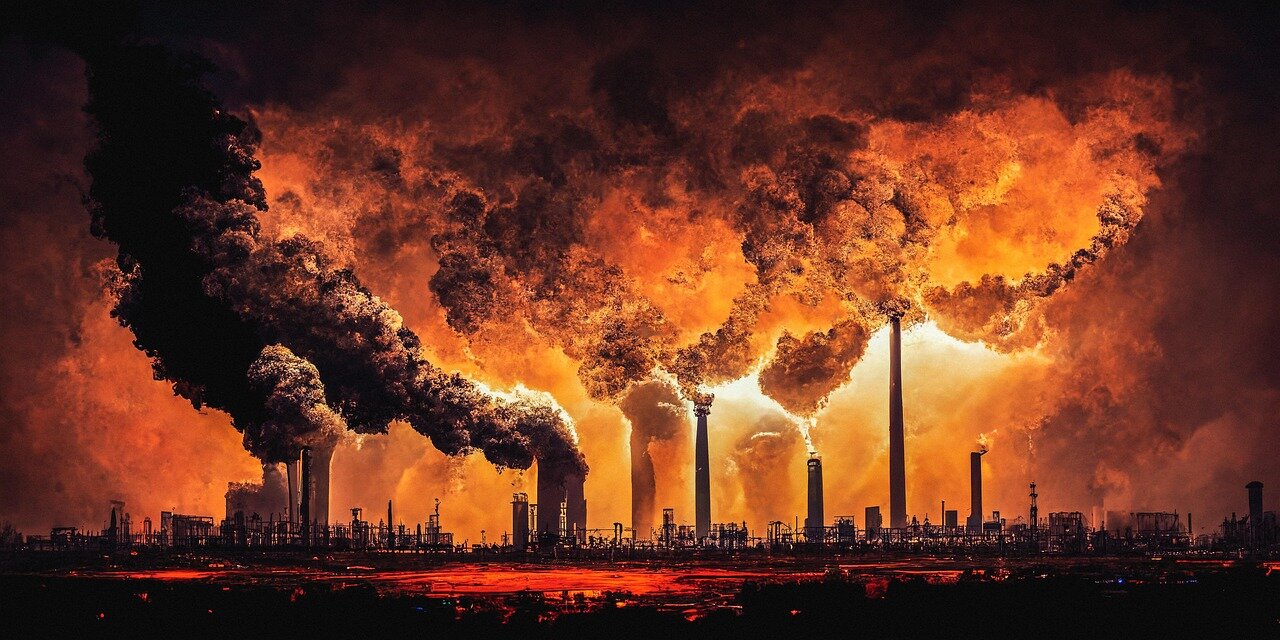
Historically, the area surrounding the park was once a thriving habitat for various fish species, supported by clean water and abundant natural resources. However, as urban populations grew, so did the discharge of pollutants from factories, sewage systems, and agricultural runoff. These changes have led to a gradual decline in water quality, creating conditions that are increasingly hostile to aquatic life.
Key Milestones in Environmental Regulation
In the 1970s, the introduction of the Clean Water Act marked a significant milestone in the United States’ efforts to combat water pollution. This legislation aimed to restore and maintain the integrity of the nation’s waters, yet enforcement has often been inconsistent. In recent years, budget cuts and political pressures have hindered the effectiveness of regulatory bodies, allowing polluters to operate with relative impunity. Community engagement in environmental monitoring has been sporadic at best.
Moreover, community engagement in environmental monitoring has been sporadic at best. Local advocacy groups have worked tirelessly to raise awareness about pollution, but their efforts have often been overshadowed by larger economic interests. The recent fish kill serves as a stark reminder of the consequences of neglecting our waterways and highlights the urgent need for comprehensive environmental policies that prioritize sustainability and public health.
Investigating the stakeholders and potential causes of pollution
The recent incident of thousands of fish being killed in a local park has raised significant concerns among various stakeholders, including environmental organizations, local government authorities, and the community. Each of these actors has distinct interests and perspectives regarding the pollution event and its aftermath.
Environmental organizations are primarily focused on the ecological impact of the pollution. Their interest lies in advocating for the protection of wildlife and ensuring that such incidents do not recur. They may push for stricter regulations on waste disposal and increased monitoring of water quality in public parks.

Local government authorities face the challenge of addressing public concern while investigating the source of the pollution. They are tasked with ensuring public safety and environmental protection, which may involve allocating resources for cleanup efforts and conducting thorough investigations. Conflicts may arise between government agencies and industrial entities if the latter is found to be responsible for the pollution.
Community members, particularly those who utilize the park for recreation, have a vested interest in the health of the local ecosystem. Their concerns may revolve around the safety of the water and the potential economic impact on local businesses that rely on park visitors. Trade-offs may emerge as the community weighs the benefits of immediate cleanup efforts against the costs involved.
- Potential legal ramifications for companies found responsible for the pollution.
- Economic implications for local businesses due to decreased park usage.
- Environmental restoration efforts and their long-term sustainability.
- Community engagement and transparency in the investigation process.
- The need for stronger regulatory frameworks to prevent future incidents.
The effects on local wildlife and community response
The recent incident of thousands of fish being killed due to park pollution has raised significant concerns among various groups, including local environmental organizations, fishermen, and community residents. The immediate impact is felt by those who rely on the park’s ecosystem for their livelihoods, particularly local fishermen who depend on healthy fish populations for their income.
In the short term, the pollution has disrupted the local fishing industry, leading to a decline in fish catch and, consequently, revenue losses for fishermen. This situation not only affects their daily lives but also poses a risk to local restaurants and markets that rely on fresh fish supplies. Additionally, the community’s recreational activities, such as fishing and nature walks, are likely to be curtailed as concerns about water safety arise.

Mid-term impacts may include stricter regulations and policies governing pollution control in the area. Local authorities might be compelled to implement more rigorous monitoring of water quality, which could lead to increased operational costs for businesses near the park. Furthermore, there is a risk of long-lasting damage to the local ecosystem, which could take years to recover, affecting tourism and outdoor activities in the region.
- Economic impact: Loss of income for local fishermen and businesses.
- Environmental concerns: Potential long-term damage to the ecosystem.
- Policy changes: Stricter regulations on pollution and water quality monitoring.
- Community engagement: Increased involvement of local residents in environmental advocacy.
On the flip side, this incident could present opportunities for community engagement and environmental restoration efforts. Local organizations may rally to advocate for cleaner practices and restoration projects, potentially leading to a stronger community bond and increased awareness about environmental issues. This heightened awareness could foster a culture of sustainability, encouraging businesses to adopt greener practices and attract eco-conscious tourists in the future.
A: The exact cause of the fish deaths is still under investigation, but initial reports suggest pollution may be a significant factor. A: Thousands of fish have been reported dead, with estimates still being calculated by local authorities. A: Local environmental agencies are conducting tests and monitoring the water quality to identify pollutants and prevent further incidents. A: While the park remains open, authorities recommend caution and advise against fishing or swimming until the investigation is complete. A: Community members can report any suspicious activities or pollution they observe and participate in local clean-up efforts.
Frequently asked questions about the fish deaths
Key takeaways and future implications for environmental safety
The recent incident involving the mass death of fish in the local park highlights critical vulnerabilities in our environmental management systems. Such events not only disrupt local ecosystems but also raise concerns about the health and safety of surrounding communities. Understanding the root causes of this pollution can guide future preventive measures and policies aimed at protecting aquatic life and public health.
Monitoring water quality and implementing stricter regulations on waste disposal are essential steps moving forward. Stakeholders, including local governments and environmental organizations, must collaborate to ensure transparency and accountability in addressing these environmental crises.
- Increased monitoring: Regular assessments of water quality in local parks can help identify pollutants early and prevent similar incidents.
- Community engagement: Involving local residents in environmental stewardship initiatives can foster a sense of responsibility and awareness about pollution sources.
- Policy reform: Advocating for stronger regulations on industrial waste disposal can mitigate risks to local ecosystems.
- Research and education: Investing in research on the impacts of pollution on aquatic life can inform better management practices.
- Emergency response plans: Developing and implementing effective response strategies for pollution incidents can minimize ecological damage and protect public health.