
Recent initiatives, such as the 2021 time capsule project by the city of San Francisco, highlight a growing trend among communities to document their histories. This particular capsule, which is set to be opened in 2071, includes items reflecting the city’s diverse culture, technological innovations, and social issues. Such projects emphasize the importance of archiving contemporary life for future reflection, similar to the themes discussed in Exploring the Modern Tech Life.
Moreover, educational institutions are increasingly incorporating time capsule projects into their curricula. Schools across the United States have begun creating capsules that encapsulate the experiences of students during the COVID-19 pandemic, aiming to provide future scholars with insights into this unprecedented time. This educational approach not only fosters a sense of community but also encourages students to think critically about their legacy, reflecting a broader societal trend similarly explored in Understanding Gen Z’s Approach to Life Without a State Pension.
As the world becomes more interconnected, the act of creating time capsules can also serve as a unifying practice. Communities are encouraged to collaborate on what to include, fostering dialogue about shared values and aspirations. This collaborative effort can strengthen social bonds and promote a sense of belonging among participants.
The Historical Significance of Time Capsules
Time capsules have served as a fascinating bridge between the past and the future, encapsulating the hopes, dreams, and daily realities of the eras in which they were created. The practice dates back centuries, with one of the earliest recorded instances occurring in 1795 when a time capsule was buried in Boston, Massachusetts, containing coins, newspapers, and other artifacts from that period. This act was not merely a whimsical endeavor; it was a deliberate attempt to communicate with future generations, reflecting the social and political climate of the time, as also highlighted in the cultural exploration of characters in Elle review of Legally Blonde.
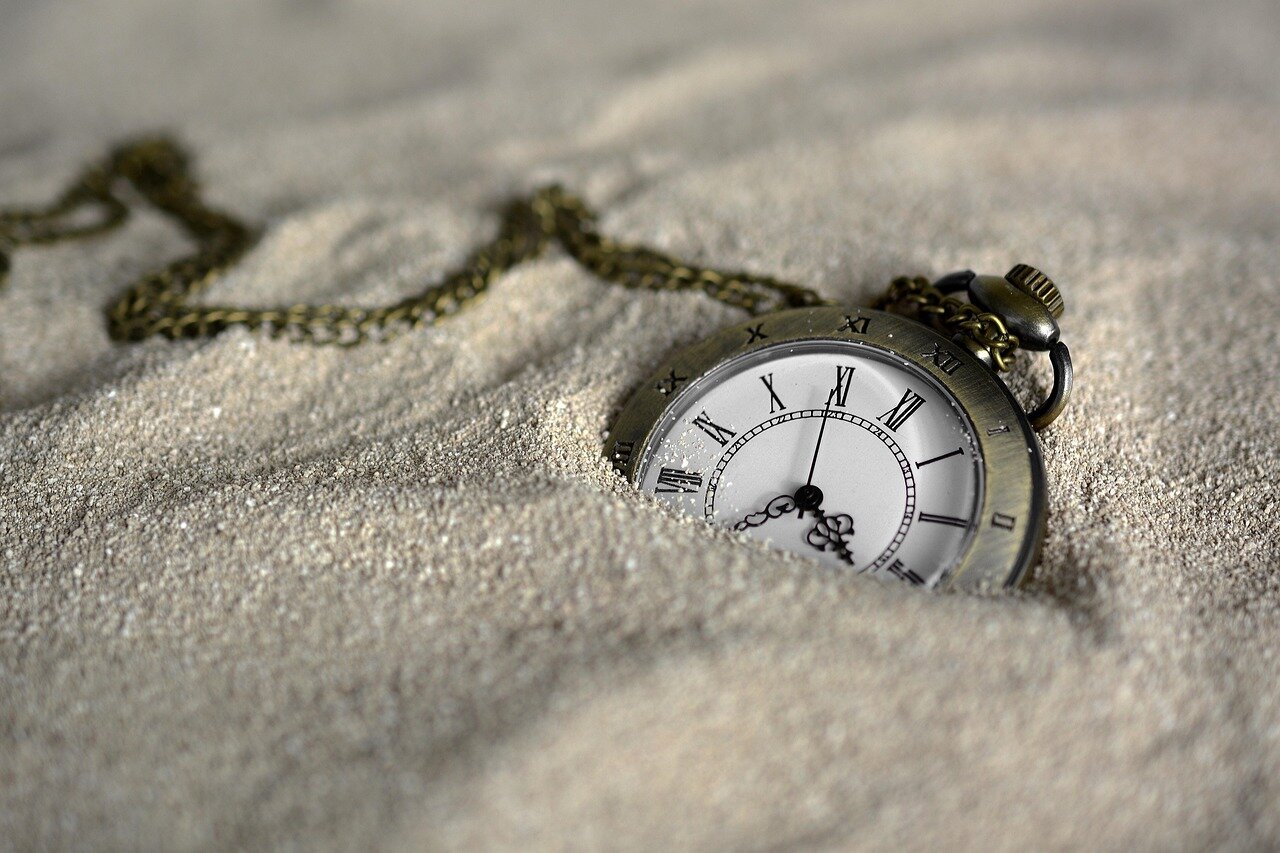
Throughout history, time capsules have often been associated with significant milestones, such as the dedication of public buildings or the commemoration of historical events. For example, in 1939, a time capsule was placed at the New York World’s Fair, intended to be opened in 6939. This event highlighted the optimism of the era, showcasing advances in technology and culture while also serving as a reminder of the transient nature of human achievements.
Political and Social Context
The creation of time capsules is often influenced by the political and social context in which they are established. During times of upheaval or change, such as the Civil Rights Movement or the Cold War, communities have turned to time capsules as a means of preserving their narratives and aspirations for future generations. These capsules can serve as a form of resistance against erasure, ensuring that the voices of marginalized groups are heard long after they have been silenced in their present.
Economically, the practice of creating time capsules can reflect societal values and priorities. In times of prosperity, communities may invest in elaborate capsules filled with luxury items, while during economic downturns, the contents may lean towards more practical or symbolic items. This shift not only mirrors the economic climate but also provides insight into how societies perceive their legacy and the lessons they wish to impart to future generations.
As we look to the future, the challenge of creating a time capsule that will endure for 250 years raises important questions about materials, preservation techniques, and the messages we choose to convey. Understanding the historical significance of time capsules can guide us in crafting meaningful artifacts that resonate with those who will uncover them in centuries to come.
Key Considerations for Long-lasting Time Capsules
Creating a time capsule that can endure for 250 years involves various stakeholders, each with distinct interests and concerns. These stakeholders include individuals or families who wish to preserve their legacy, community organizations that may sponsor or facilitate the capsule’s creation, and local governments that may provide support or regulations. Understanding their motivations is crucial for ensuring that the time capsule is both meaningful and sustainable.

Individuals and families often see time capsules as a way to communicate with future generations. Their primary interest lies in selecting items that represent their values, culture, and history. However, they may face challenges in choosing appropriate materials that can withstand the test of time, as well as the potential emotional burden of what to include or exclude.
Community organizations, such as historical societies or educational institutions, may also play a significant role in the process. Their interest typically revolves around promoting local history and engaging the public in preservation efforts. Conflicts can arise if there are differing opinions on what should be included or how the capsule should be maintained over the years.
Local governments may be involved in the legal aspects of time capsule creation, including land use permissions and environmental regulations. Their interests often focus on ensuring that the capsule does not disrupt the community or pose environmental risks. Trade-offs may occur between the desire for a prominent location and the need for preservation, as some sites may not be suitable for long-term storage.
- Material Selection: Choosing durable materials that can withstand environmental factors over centuries.
- Public Engagement: Ensuring community involvement and support in the time capsule project.
- Legal Compliance: Navigating local regulations regarding land use and preservation.
- Historical Representation: Balancing diverse perspectives in what items to include.
- Future Accessibility: Planning for how future generations will discover and interpret the capsule.
Who Benefits from Time Capsules and Why
Time capsules have the potential to impact a variety of groups, industries, and regions. Educational institutions, local governments, and community organizations are among the primary beneficiaries, as they often spearhead the creation and curation of these capsules. By engaging with their communities, these entities foster a sense of identity and continuity, which can strengthen local ties and enhance community pride.

In the short term, businesses involved in the production of time capsule materialssuch as durable containers, archival-quality supplies, and preservation technologymay see an uptick in demand. This could lead to job creation in sectors like manufacturing, logistics, and retail. Additionally, local economies may benefit from increased tourism as people visit sites where time capsules are buried or displayed.
In the mid-term, the impact on policy could be significant, as municipalities may adopt regulations or guidelines for time capsule projects to ensure their preservation and relevance. This could lead to the establishment of best practices for historical preservation and community engagement, affecting how future generations interact with their local history.
- Community Engagement: Time capsules can enhance local pride and identity.
- Economic Opportunities: Increased demand for materials and tourism can boost local economies.
- Policy Development: Guidelines for preservation can shape future community projects.
However, there are risks associated with time capsules, particularly regarding their preservation. Poorly constructed capsules may not withstand the test of time, leading to loss of valuable artifacts and information. Additionally, there is the potential for misinterpretation of the contents, which could affect historical narratives. Balancing these risks with the opportunities for cultural enrichment and community connection will be crucial for the success of time capsule initiatives.
A: It’s best to use non-corrosive materials like stainless steel or glass. Avoid plastic, as it can degrade over time. A: Choose a dry, dark place that is temperature controlled to prevent damage from humidity and temperature fluctuations. A: Include items that represent your current culture, such as letters, photographs, and small artifacts. Make sure they are durable and meaningful. A: Proper sealing and using archival-quality materials can help. Regular checks and maintenance are also recommended. A: Yes, but make sure to include a way to access them, such as a printed version or a device that can read the files.
Frequently Asked Questions About Time Capsules
Key Takeaways for Creating a Durable Time Capsule
Creating a time capsule that can withstand the test of time for 250 years involves careful consideration of materials, contents, and environmental factors. The choices made today will impact how future generations perceive our current culture, values, and technologies. By employing the right techniques and foresight, you can ensure that your time capsule remains intact and meaningful for centuries to come.
As you embark on this journey, keep in mind the importance of selecting appropriate materials that resist decay and degradation. Additionally, consider the historical context and potential future advancements that may influence how the contents are interpreted. This forward-looking approach will enhance the relevance of your time capsule for those who discover it long after it has been sealed.
- Choose durable materials: Opt for corrosion-resistant metals or high-quality plastics to protect the contents from environmental damage.
- Seal properly: Ensure airtight and watertight seals to prevent moisture and air from compromising the capsule’s integrity.
- Include a variety of items: Select a diverse range of artifacts that reflect current culture, technology, and daily life to provide a comprehensive snapshot for future generations.
- Document the contents: Create a detailed inventory and description of the items included, as this will aid future discoverers in understanding their significance.
- Consider future advancements: Anticipate how future technologies might affect the interpretation of the capsule’s contents and include explanations where necessary.