
According to the latest reports from the National Weather Service, temperatures have exceeded seasonal averages by up to 10 degrees Fahrenheit in some areas, prompting residents and farmers alike to rely heavily on irrigation and personal water consumption. Additionally, the U.S. Department of Agriculture has noted a significant uptick in crop irrigation needs, which has further strained local water supplies. The effects of a hot weather can be severe on both humans and crops.
Water management authorities are now facing critical challenges in balancing supply and demand. In states like California and Texas, officials have urged residents to conserve water as reservoirs and aquifers show signs of depletion. The situation is exacerbated by the ongoing effects of climate change, which have made dry spells more frequent and intense.
The urgency of the situation has led to discussions among policymakers about implementing stricter water usage regulations. Local governments are considering measures such as water rationing and incentives for conservation to mitigate the impact of this unprecedented demand. As the summer progresses, stakeholders from various sectors are closely monitoring water levels and adjusting strategies to ensure sustainable usage.
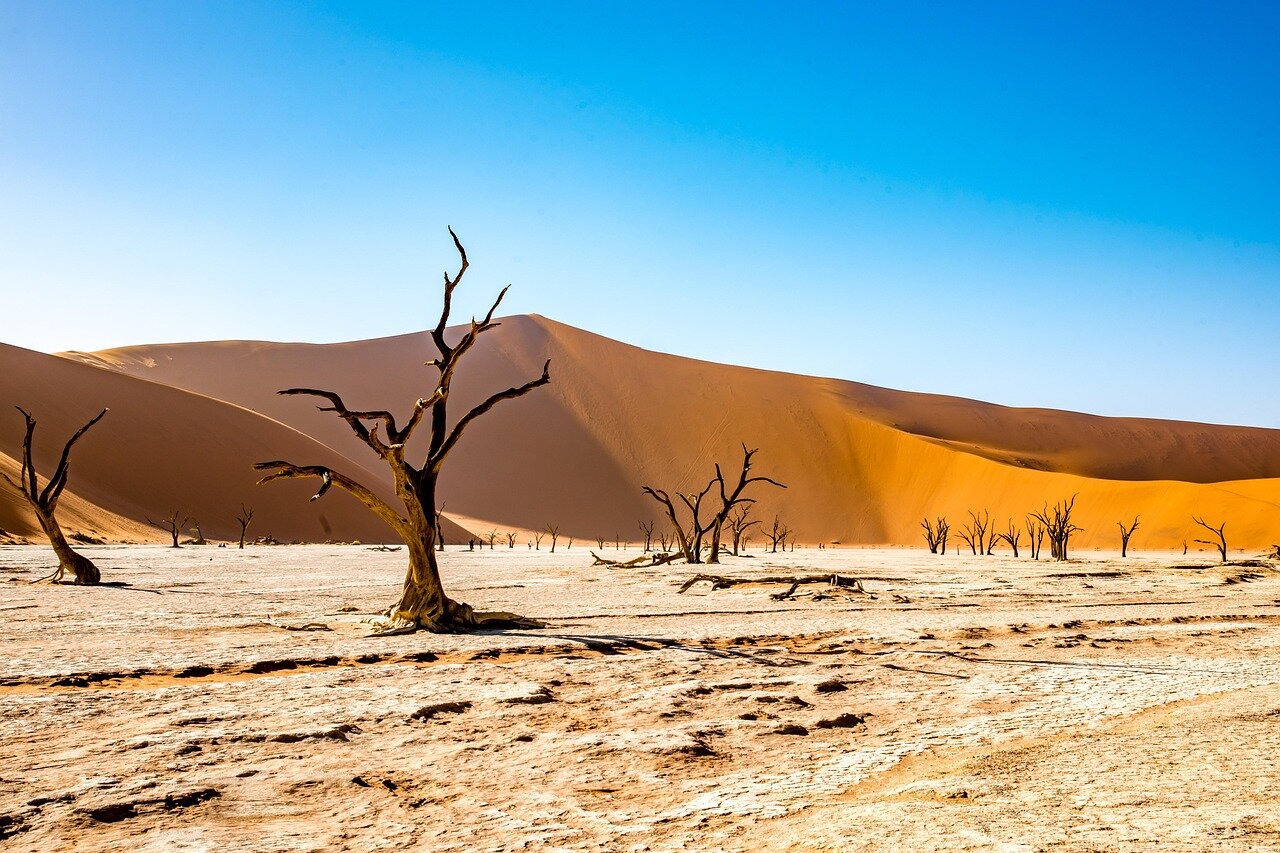
Understanding the factors behind increased water demand
The demand for water has surged to its highest levels since the devastating drought of 2022, a situation that can be traced back to a combination of climatic, economic, and social factors. The drought, which affected large swathes of the country, highlighted the fragility of water resources and the critical need for sustainable management. As communities began to recover, the subsequent increase in agricultural activities and urban development has placed additional pressure on already strained water supplies. Understanding the impact of hot weather is essential to address these challenges.
Historically, water scarcity has been a recurring issue, often exacerbated by climate change and population growth. The 2022 drought served as a wake-up call, prompting policymakers to reconsider water management practices. In the years leading up to the drought, a series of wet years had led to complacency regarding water conservation, resulting in over-extraction from reservoirs and aquifers. As the drought unfolded, it became evident that the existing water infrastructure was ill-equipped to handle prolonged dry spells.
Economic Implications of Water Demand
The economic ramifications of increased water demand are significant. Agriculture, which consumes approximately 70% of the world’s freshwater, has been particularly affected. Farmers are now facing higher costs due to the need for more efficient irrigation systems and water-saving technologies. Additionally, urban areas are grappling with the challenge of providing adequate water supplies to growing populations, leading to investments in new infrastructure and technologies. This rising demand is also influencing water pricing, with many regions considering tiered pricing structures to encourage conservation.
On a social level, the increased demand for water has sparked debates about equity and access. Communities that historically have had limited access to clean water are now facing competition from agricultural and industrial users. This has led to calls for more equitable water distribution policies and greater involvement of local communities in water management decisions. As the situation evolves, it is crucial for stakeholders to work collaboratively to ensure that water resources are managed sustainably and equitably for future generations. The implications of reflecting pool algae are also relevant as they affect water quality.
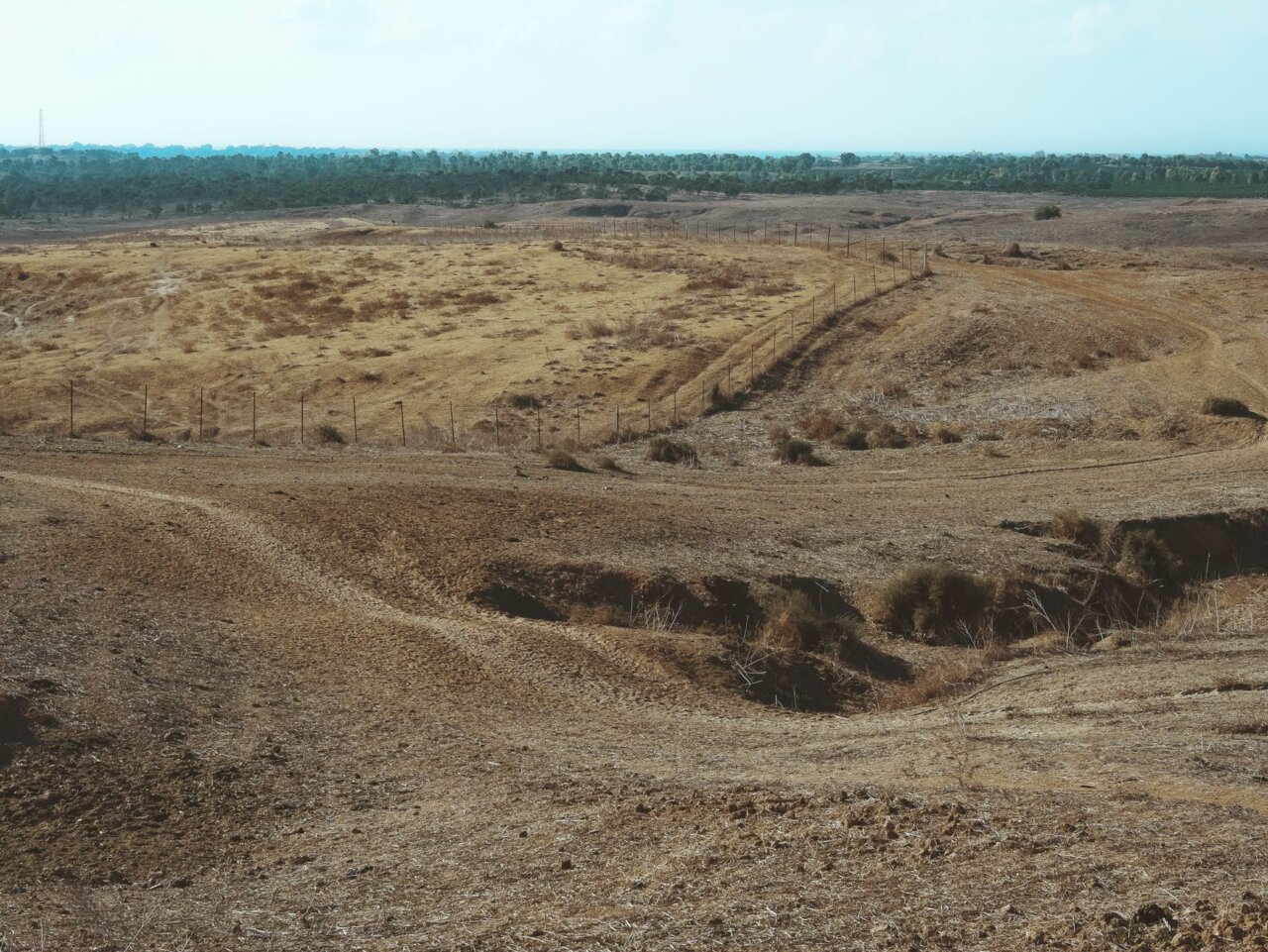
Key stakeholders and issues in the current water crisis
The ongoing demand for water use has surged, reaching levels not seen since the 2022 drought. This situation involves multiple stakeholders, each with distinct interests and concerns. Key actors include government agencies, agricultural sectors, environmental organizations, and local communities, all of whom are navigating the complexities of water management and allocation.
Government entities, such as local and state water resource departments, are primarily focused on ensuring sustainable water supply while balancing economic growth and environmental conservation. Their interests often conflict with those of agricultural producers, who require substantial water resources for irrigation. Farmers may advocate for greater access to water, especially during dry spells, which can lead to tensions with conservationists who prioritize ecosystem health.
Environmental organizations play a critical role in advocating for the protection of water resources and ecosystems. They often highlight the potential long-term impacts of over-extraction and pollution, pushing for stricter regulations. This stance can lead to conflicts with industries reliant on water, creating trade-offs between economic development and environmental sustainability.
- Water scarcity: Increased demand is leading to competition among users, exacerbating scarcity issues.
- Regulatory challenges: The need for updated water management policies to reflect current realities is pressing.
- Economic implications: Industries dependent on water face potential disruptions, impacting local economies.
- Community impact: Local populations may experience reduced access to clean water, raising social equity concerns.
- Climate change: Ongoing climatic shifts are influencing water availability, complicating future planning.
As the demand for water continues to rise, the interplay between these stakeholders will shape the future of water management. Understanding their interests and the conflicts that arise is essential for developing effective strategies to address the current crisis and ensure equitable access to this vital resource.

The effects of rising water demand on communities and ecosystems
The surge in water demand, driven by the ongoing effects of the 2022 drought, has significant implications for various groups and industries. Agricultural producers, particularly in regions heavily reliant on irrigation, are among the most affected. As water scarcity becomes more pronounced, farmers face challenges in maintaining crop yields, which can lead to increased food prices and potential shortages.
Urban areas are also experiencing the impact of heightened water demand. Municipalities are implementing stricter water usage regulations to cope with the increased strain on local water supplies. These policies may lead to temporary inconveniences for residents, such as restrictions on lawn watering or car washing, affecting daily routines and local businesses dependent on water usage.
Additionally, the tourism and recreation sectors are feeling the pinch. Regions that rely on lakes, rivers, and other water bodies for recreational activities may see a decline in visitors if water levels drop significantly. This can result in economic losses for local businesses, including hotels, restaurants, and outdoor activity providers.
- Short-term impacts: Increased water restrictions, higher food prices, and disruptions in local businesses.
- Mid-term impacts: Potential shifts in agricultural practices, changes in local economies, and evolving water management policies.
- Risks: Food insecurity, economic downturns in affected regions, and strain on community resources.
- Opportunities: Innovation in water conservation technologies, investment in sustainable practices, and potential growth in alternative crops less reliant on water.
As communities adapt to these challenges, collaboration between stakeholders, including government agencies, businesses, and residents, will be essential in mitigating risks and capitalizing on opportunities for sustainable water management.
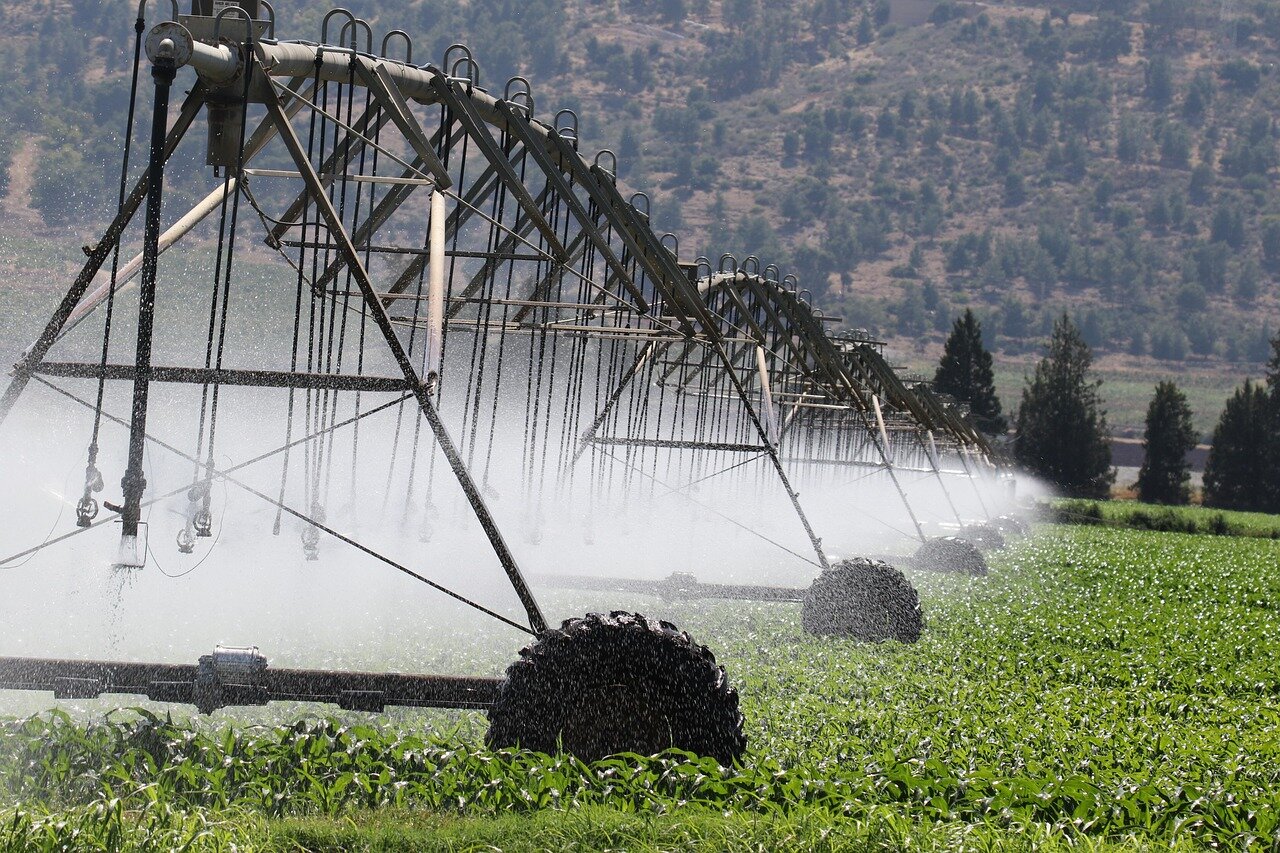
A: Several factors are driving the surge in water demand, including population growth, agricultural needs, and climate change impacts. These elements create a perfect storm for water scarcity. A: The 2022 drought has led to heightened awareness and concern over water resources, prompting many to increase their water usage as they attempt to recover from the impacts of the drought. A: Various strategies are being implemented, such as promoting water conservation, investing in infrastructure improvements, and encouraging sustainable agricultural practices to manage the situation. A: Key stakeholders include government agencies, environmental organizations, agricultural sectors, and local communities, all of whom play a role in managing water resources. A: Long-term impacts may include increased competition for water resources, potential conflicts, and negative effects on local ecosystems, which could lead to further water scarcity.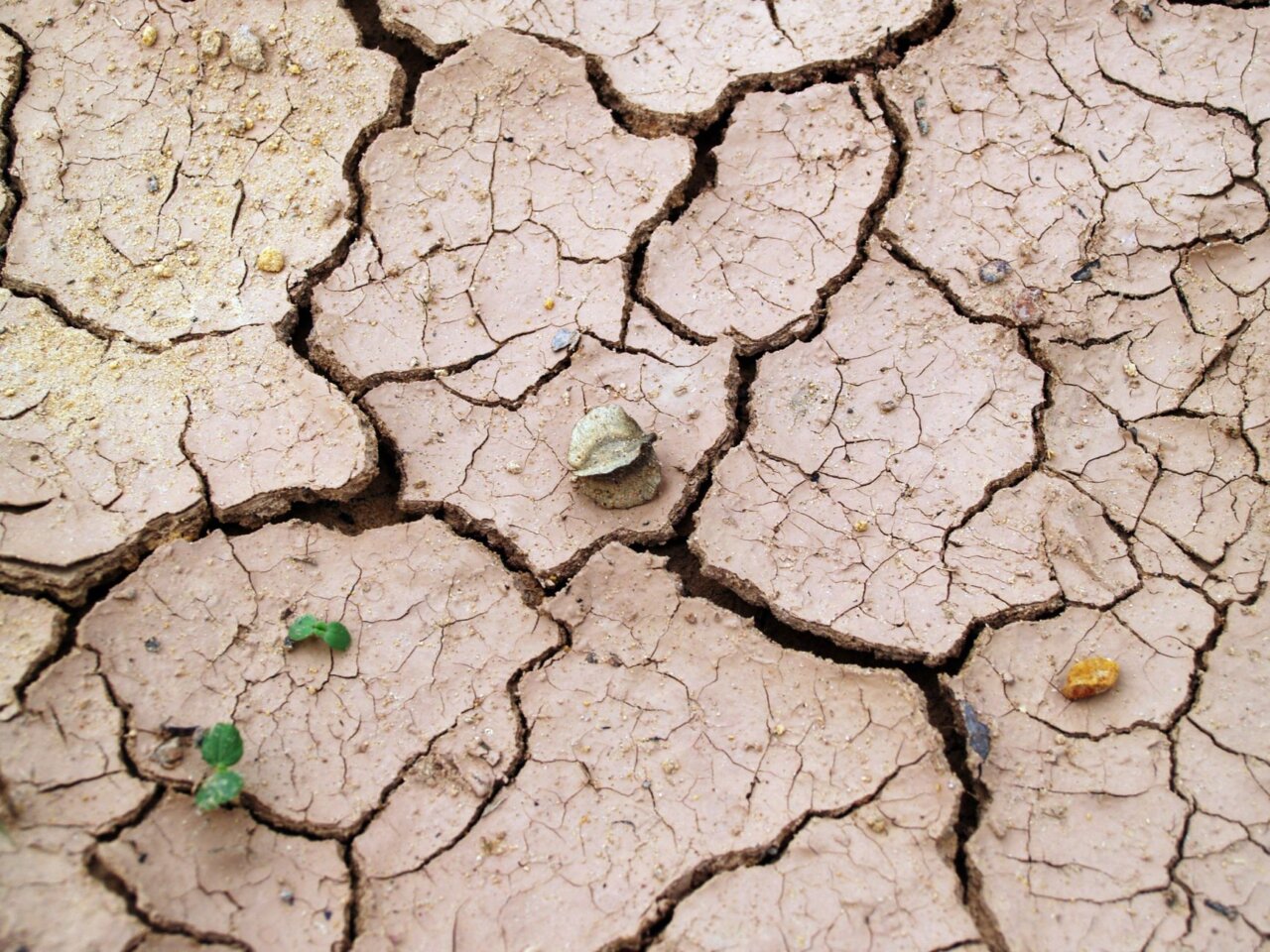
Frequently asked questions about water demand
Looking ahead: insights and future projections on water usage
The increasing demand for water, particularly since the drought of 2022, highlights a critical intersection of climate change, population growth, and resource management. As communities adapt to fluctuating water availability, it is essential to monitor trends in consumption patterns and the effectiveness of conservation measures. The ongoing challenges necessitate a proactive approach to ensure sustainable water use in the coming years.
Stakeholders across sectors must remain vigilant, as shifts in water demand can influence agricultural practices, urban planning, and policy decisions. Understanding these dynamics will be crucial for mitigating future water crises and promoting resilience in water-scarce regions.
- Monitor regional water policies: Keep an eye on local and national regulations aimed at water conservation and management.
- Invest in water-efficient technologies: Businesses and households should consider adopting technologies that reduce water consumption.
- Engage in community awareness programs: Promoting water conservation practices at the grassroots level can lead to significant reductions in usage.
- Evaluate agricultural practices: Farmers may need to adjust irrigation techniques and crop choices based on water availability.
- Prepare for climate variability: Anticipate shifts in weather patterns that could impact water supply and demand.