
However, with the anticipated end of disc releases, players may need to adapt to an entirely digital ecosystem, particularly as seen in GTA 6’s upcoming download-only launch.
The announcement aligns with Sony’s ongoing efforts to enhance its digital services, including PlayStation Plus and the PlayStation Store.
Industry analysts note that this decision may influence other console manufacturers to reconsider their own strategies regarding physical media. As gaming evolves, the impact of this transition could be felt across the entire ecosystem, affecting not only consumers but also retailers, developers, and the future of game preservation. The next few years will be crucial as stakeholders navigate this significant transformation in how games are delivered and consumed.

The evolution of gaming from physical to digital
The gaming industry has undergone a significant transformation over the past few decades, shifting from physical media to digital distribution. In the early days of gaming, titles were primarily sold in physical formats, such as cartridges and discs. This model not only dictated how games were produced and sold but also shaped the entire gaming culture. The tactile experience of purchasing a physical game, unboxing it, and inserting it into a console was a rite of passage for many gamers.
As technology advanced, the rise of the internet and digital downloads began to change the landscape. The introduction of online gaming platforms, such as Steam in 2003 and the PlayStation Network in 2006, allowed players to purchase and download games directly to their consoles or PCs. This shift was not just about convenience; it also offered developers new revenue models and reduced the costs associated with manufacturing and distributing physical copies.
Key milestones in digital gaming
Several key milestones marked the transition to digital gaming. The launch of the Xbox Live Arcade in 2004 introduced players to downloadable games, paving the way for indie developers to reach audiences without the need for physical distribution. In 2013, Sony’s PlayStation 4 embraced this trend, allowing players to purchase and download games directly from the PlayStation Store, further diminishing the reliance on physical media.
By the mid-2020s, the trend towards digital was undeniable. Major retailers began to reduce their shelf space for physical games, and many new titles were released exclusively in digital format. The COVID-19 pandemic accelerated this shift, as lockdowns and social distancing measures led to an increase in online gaming and digital purchases. This evolution has culminated in Sony’s announcement to cease the production of physical game discs by 2028, a move that signals a definitive end to an era of gaming.

As we look to the future, the implications of this shift are profound. The move to a fully digital gaming landscape raises questions about ownership, access, and the environmental impact of electronic waste. Gamers will need to adapt to a new reality where physical copies of games are relics of the past, and the industry will continue to evolve in ways that we are only beginning to understand.
Key stakeholders and their perspectives on the transition
The announcement that PlayStation will cease releasing games on discs by 2028 has sparked significant interest and concern among various stakeholders in the gaming industry, reflecting similar sentiments toward digital-only models in games like GTA 6.
Game developers are poised to benefit from the transition as it may streamline the distribution process and reduce the costs associated with physical production and shipping. However, they also face challenges, such as adapting to new revenue models and ensuring that their games remain accessible to a broad audience. The potential for increased piracy and the need for robust digital rights management solutions are additional concerns that developers must navigate.
Consumers, on the other hand, have mixed feelings about the move to digital-only releases. While many appreciate the convenience of downloading games directly to their consoles, others worry about the implications for ownership and resale rights. The absence of physical copies could limit their ability to share or sell games, raising questions about the long-term value of digital purchases.
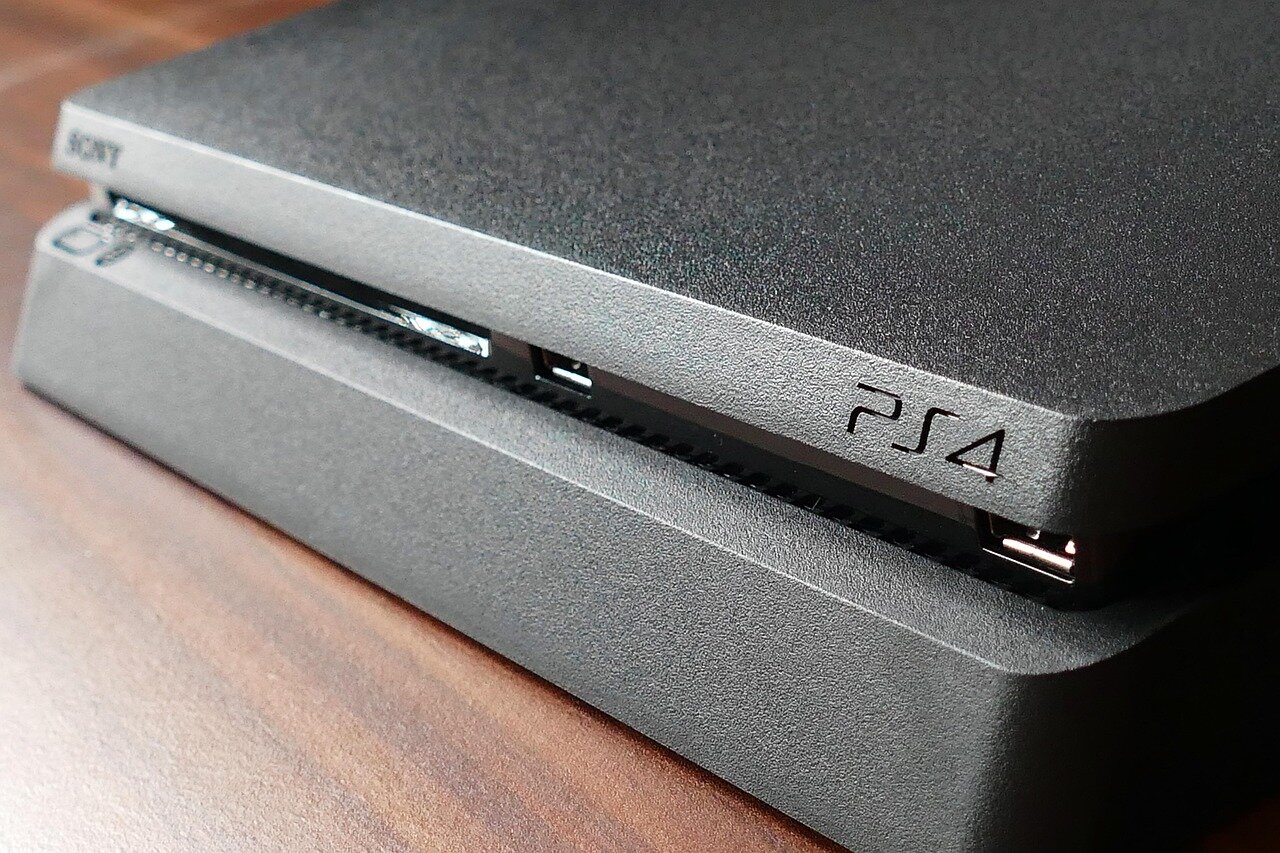
Retailers are likely to experience the most significant impact from this transition. As the demand for physical copies diminishes, brick-and-mortar stores may struggle to adapt to a market that increasingly favors digital sales. This shift could lead to job losses and the closure of stores, particularly those that rely heavily on game sales. Retailers may need to pivot towards offering digital services or experiences to remain relevant.
- Economic implications: The transition to digital may reduce production costs for developers but could also impact retail jobs and local economies.
- Legal considerations: Issues surrounding digital ownership and copyright need to be addressed to protect consumer rights.
- Market dynamics: The shift may lead to increased competition among digital platforms, influencing pricing and availability.
- Consumer behavior: Understanding how consumers adapt to digital-only models will be crucial for developers and retailers alike.
How this change will affect gamers and the market
The decision by PlayStation to stop releasing games on discs by 2028 will have significant implications for various groups, including gamers, retailers, and the gaming industry as a whole. Gamers who prefer physical copies may feel alienated, while those who have embraced digital platforms may see this as a natural progression. Retailers specializing in physical game sales will face challenges in adapting to this shift, potentially leading to store closures or rebranding efforts.
In the short term, the transition will likely create a sense of urgency among consumers to purchase physical copies before they become obsolete. This could lead to a temporary spike in sales for existing disc-based games, benefiting retailers and manufacturers. However, the long-term impact may see a decline in physical sales, forcing retailers to pivot towards online sales or digital services.

Mid-term effects could include changes in consumer behavior, as gamers increasingly adopt digital libraries. This shift could lead to an increase in digital-only sales, benefiting online platforms and subscription services. However, it may also raise concerns about digital rights management and ownership, as consumers grapple with the implications of not having physical copies of their games.
- Risks: Potential loss of access to games if digital platforms shut down.
- Risks: Increased digital piracy and concerns over data security.
- Opportunities: Growth in digital distribution channels and subscription services.
- Opportunities: Enhanced gaming experiences through updates and downloadable content.
Regions with strong gaming cultures may see a faster adaptation to this change, while areas with limited internet access could struggle. Overall, the cessation of disc releases will not only reshape gaming habits but also influence broader discussions about digital ownership and the future of entertainment consumption.
A: PlayStation is shifting towards digital distribution to streamline game access and align with current consumer preferences for digital content. A: Existing disc games will still be playable, but future releases will only be available in digital format. A: Collectors may find it challenging to acquire new titles in physical form, potentially increasing the value of existing disc games. A: The PlayStation Store will likely expand its offerings and improve user experience to accommodate the increase in digital game sales. A: Digital games offer convenience, instant access, and often lower prices compared to physical copies, appealing to a growing number of gamers.
Frequently asked questions about the end of disc games
Looking ahead: the future of gaming without discs
The decision by PlayStation to cease disc-based game releases by 2028 marks a significant shift in the gaming landscape. This move reflects broader trends towards digital consumption, driven by the increasing prevalence of high-speed internet and the growing acceptance of digital ownership among consumers. As physical media becomes less relevant, developers and publishers will need to adapt their strategies to cater to a fully digital audience.
In this evolving environment, stakeholders should remain vigilant about the implications for game accessibility, pricing structures, and consumer behavior. The transition to a disc-free future may also influence the design of gaming consoles and the types of services offered by platforms, including subscription models and cloud gaming options.
- Increased focus on digital distribution: Expect more emphasis on digital storefronts, impacting how games are marketed and sold.
- Potential for subscription services: With fewer physical sales, subscription models may become more prevalent as a means to access a broader library of games.
- Changes in consumer purchasing habits: Gamers may shift towards digital purchases, leading to a reevaluation of ownership and resale values.
- Impact on game development: Developers may prioritize digital-first strategies, allowing for more frequent updates and content delivery.
- Environmental considerations: The reduction of physical media could lead to a smaller carbon footprint associated with game production and distribution.