
The newly found site features a circular arrangement of wooden posts, which researchers believe could date back to around 4,500 years ago, predating the stone version of Stonehenge. You can learn more about the significance of such findings in Britain’s prehistory.
This finding is particularly important as it suggests that the area may have been a significant ceremonial center long before the construction of the stone monument. Understanding the evolution of such sites can help historians piece together the social and cultural practices of ancient communities in Britain.
Experts emphasize that this discovery not only adds a new layer to the history of Stonehenge but also raises questions about the technological capabilities and spiritual beliefs of the societies that constructed these monumental structures. As further analysis of the site continues, more information is expected to emerge, potentially reshaping our understanding of prehistoric Britain.
Understanding the significance of the Stonehenge discovery
The recent discovery of a simpler, older version of Stonehenge, located just three miles from the iconic site, has captivated archaeologists and historians alike. This finding not only sheds light on the prehistoric landscape of Britain, but also offers a deeper understanding of the cultural and social practices of the people who inhabited the region thousands of years ago, akin to the ongoing discussions about historical sites.

The new site, which dates back to an earlier period, suggests that the construction of monumental structures may have been a more widespread practice than previously thought. This challenges the notion that Stonehenge was a unique phenomenon in the British Isles. Instead, it indicates a continuity of ritualistic behavior and communal effort among ancient communities, highlighting the interconnectedness of prehistoric societies across the region.
The Evolution of Monumental Architecture
The evolution of monumental architecture in prehistoric Britain can be traced back to various milestones, including the construction of burial mounds and henges. The discovery of the simpler version of Stonehenge adds a significant chapter to this narrative, suggesting that the desire to create monumental spaces was an integral part of human expression long before the iconic stones were erected, similar to other significant archaeological discoveries.
Furthermore, this finding comes at a time when archaeological techniques have advanced significantly, allowing for more precise dating and analysis of ancient sites. The use of ground-penetrating radar and other non-invasive methods has revolutionized the way archaeologists uncover and interpret historical landscapes. As a result, this discovery is not merely an isolated event but part of a broader trend of re-evaluating our understanding of prehistoric Britain and its monumental heritage.
Exploring the implications for archaeology and heritage
The discovery of a simpler, older version of Stonehenge just three miles from the iconic site has sparked significant interest among various stakeholders, including archaeologists, historians, local communities, and government bodies. Each of these groups has distinct interests that shape their perspectives on the find and its implications for heritage management and archaeological research.
Archaeologists are primarily focused on the potential insights this new site may provide into prehistoric societies and their construction techniques. The discovery could challenge existing theories about the development of monumental architecture in Neolithic Britain, prompting a reevaluation of the cultural significance of Stonehenge itself. This could lead to increased funding for research and excavations, as well as a push for more comprehensive studies in the surrounding areas.
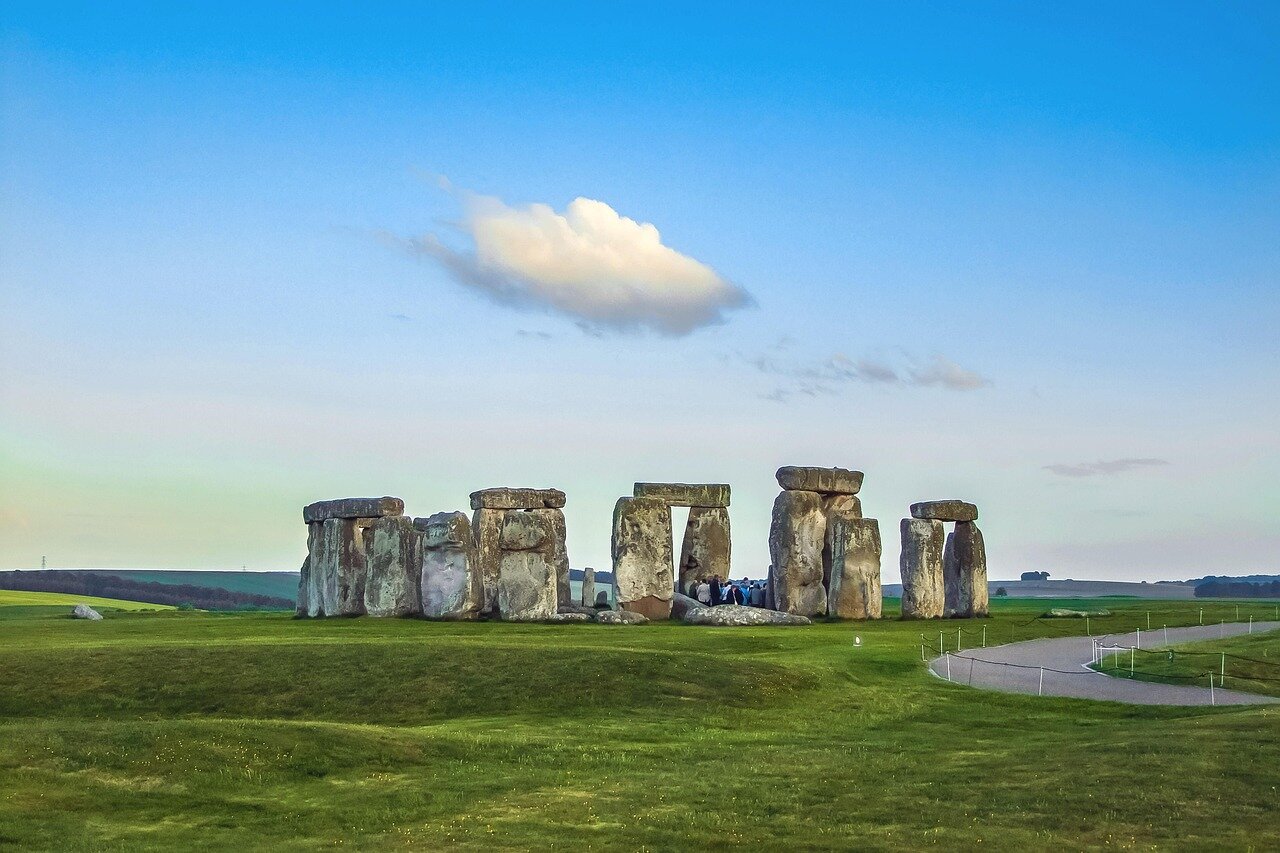
Local communities and heritage organizations have a vested interest in how this discovery is managed. There are concerns about the preservation of the site, especially in light of tourism pressures and potential development projects. Balancing the need for public access and education with the necessity of protecting archaeological integrity presents a complex challenge. Additionally, local economic interests may conflict with preservation efforts, as increased tourism could lead to both opportunities and threats to the site.
- Potential for increased tourism: The new site may attract visitors, benefiting local businesses but also risking damage to the area.
- Legal implications: Ownership and preservation laws may come into play, influencing how the site is protected.
- Academic debates: The find could ignite discussions among scholars regarding the evolution of ceremonial sites and their purposes.
- Community involvement: Engaging local residents in the preservation process may foster a sense of ownership and stewardship.
- Environmental considerations: The impact of increased foot traffic on the surrounding ecology must be assessed and managed.
Government bodies at both local and national levels will need to navigate these interests carefully. Policies regarding archaeological sites, heritage conservation, and tourism management will be critical in determining the future of this discovery. The interplay between protecting cultural resources and promoting economic development will be a key issue as stakeholders work together to address the implications of this significant find.
Potential effects on tourism and local communities
The discovery of a simpler, older version of Stonehenge just three miles from the famous site is expected to have significant implications for various groups, particularly local communities, tourism operators, and cultural heritage organizations. This new archaeological find could attract increased visitor numbers, impacting local economies and businesses that rely on tourism.
In the short term, local hotels, restaurants, and shops may experience a surge in customers as tourists flock to the area to explore the newly discovered site. This influx can boost sales and create temporary jobs, providing a much-needed economic lift. However, this rapid increase in visitors may also strain local infrastructure, leading to potential challenges in transportation and public services.
Mid-term effects could include the development of new tourism strategies and policies aimed at managing the increased foot traffic. Local governments may need to invest in improved facilities, signage, and educational resources to enhance visitor experiences while preserving the integrity of the archaeological site. There is also the potential for collaborative initiatives between local businesses and cultural institutions to create guided tours and events that highlight both Stonehenge and its newer counterpart.
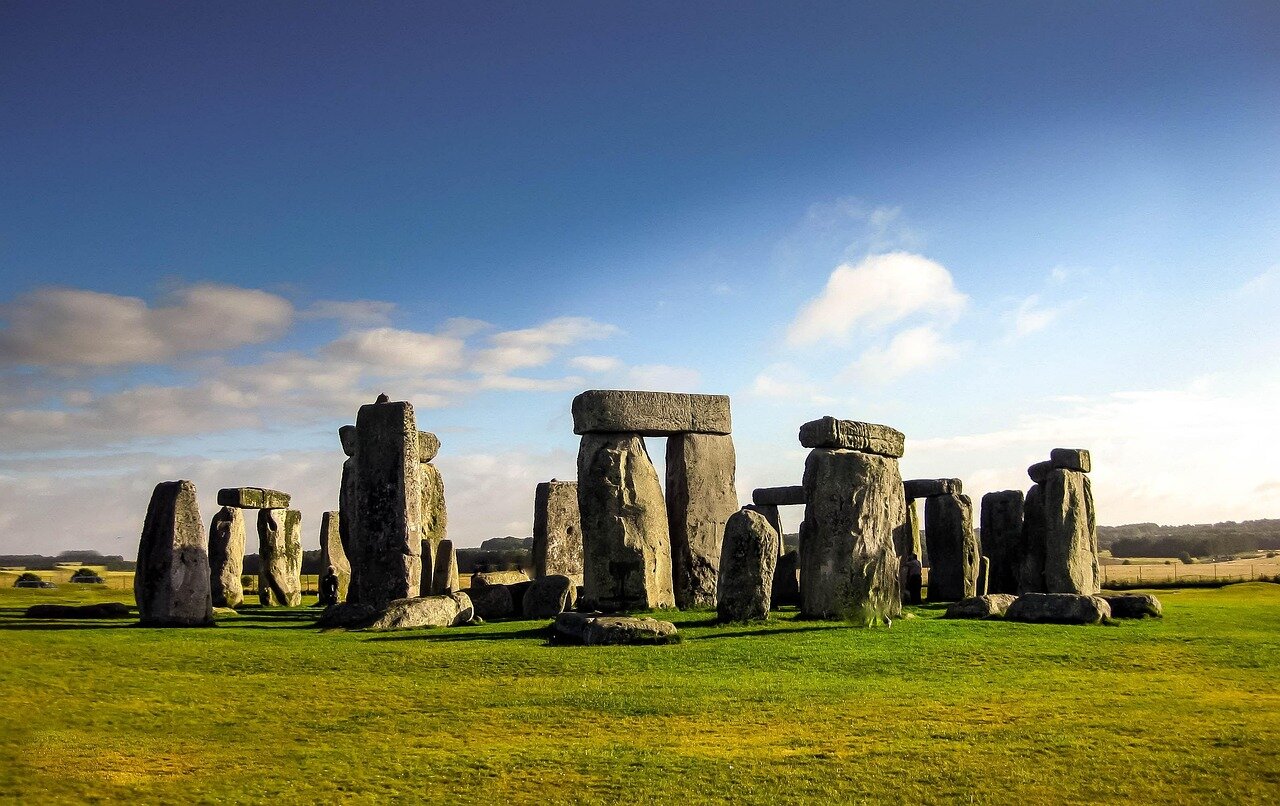
- Increased tourism: More visitors could lead to higher revenue for local businesses.
- Infrastructure strain: Local services may face challenges due to the sudden rise in tourist numbers.
- Policy development: New regulations may be required to manage visitor impact on both sites.
- Job creation: Temporary employment opportunities may arise in the hospitality and tourism sectors.
- Community engagement: Local residents may become more involved in cultural preservation efforts.
While the economic benefits are promising, there are risks associated with the potential commercialization of the site. If not managed carefully, the area could suffer from over-tourism, leading to environmental degradation and loss of cultural significance. Balancing the needs of visitors with the preservation of the site will be crucial to ensure long-term benefits for both the community and the heritage of the area.
A: Archaeologists discovered a simpler and older version of Stonehenge, which provides new insights into ancient construction techniques. A: This finding suggests that there may have been earlier iterations of monumental structures in the area, indicating a longer history of ceremonial practices. A: The discovery could attract more visitors to the area, enhancing local tourism and providing economic benefits to nearby communities. A: This finding may prompt further archaeological investigations in the region, potentially leading to more discoveries related to ancient cultures. A: The site was identified using advanced archaeological techniques, including ground-penetrating radar and careful excavation.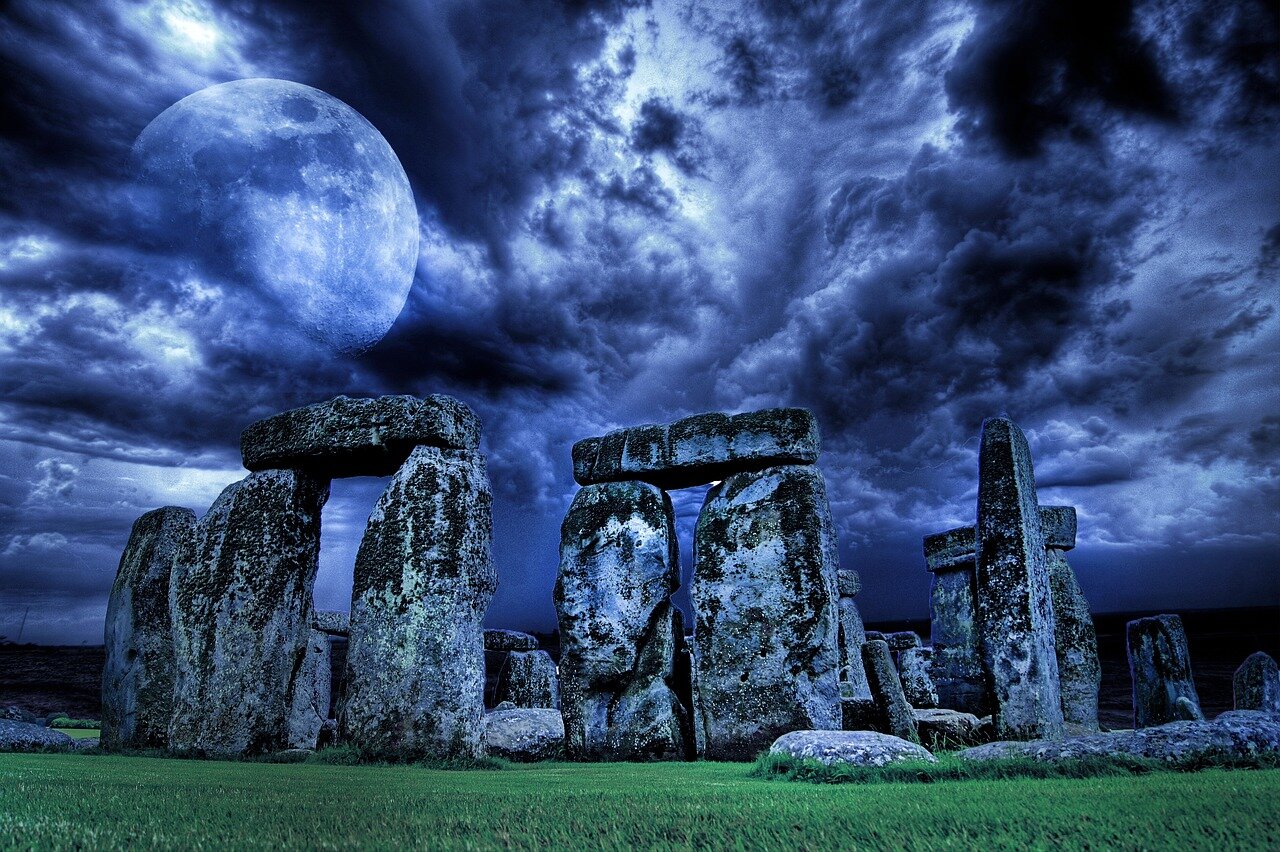
Frequently asked questions about the Stonehenge discovery
Key takeaways and future research directions
The discovery of a simpler, older version of Stonehenge just three miles from the iconic site offers a fresh perspective on prehistoric monument construction and societal organization. This finding not only sheds light on the evolution of stone circle designs but also raises questions about the cultural significance and technological capabilities of the communities that built these structures.
Future research will likely focus on the dating of the newly discovered site and its relationship to Stonehenge. Understanding the connections between these two sites could provide valuable insights into the social and ceremonial practices of ancient peoples in the region.
- Investigate the timeline: Further analysis may reveal how the construction of the new site relates chronologically to the famous Stonehenge, potentially altering our understanding of prehistoric timelines.
- Cultural implications: The simplicity of the newly found structure may indicate a different societal or ceremonial focus, prompting a reevaluation of the cultural narratives surrounding these ancient monuments.
- Technological advancements: Research could explore the tools and methods used in constructing both sites, highlighting advancements in prehistoric engineering and craftsmanship.
- Community engagement: The proximity of the two sites suggests potential shared practices or communal gatherings, which could lead to new insights into the social dynamics of ancient populations.
- Public interest and preservation: As awareness of this new site grows, efforts may increase to protect and study it, emphasizing the importance of preserving our archaeological heritage.