
The new regulations require travelers from non-EU countries to undergo more thorough checks, including biometric data collection such as fingerprints and facial recognition. This process is designed to bolster security and ensure that individuals entering the Schengen Area do not pose a threat. For more insights on technology in travel, check out Exploring the Modern Tech Life.
Travelers should be aware that these checks may result in longer wait times at border crossings. Authorities have warned that the increased scrutiny could lead to delays, especially at popular entry points during peak travel periods, such as airports and major land borders.
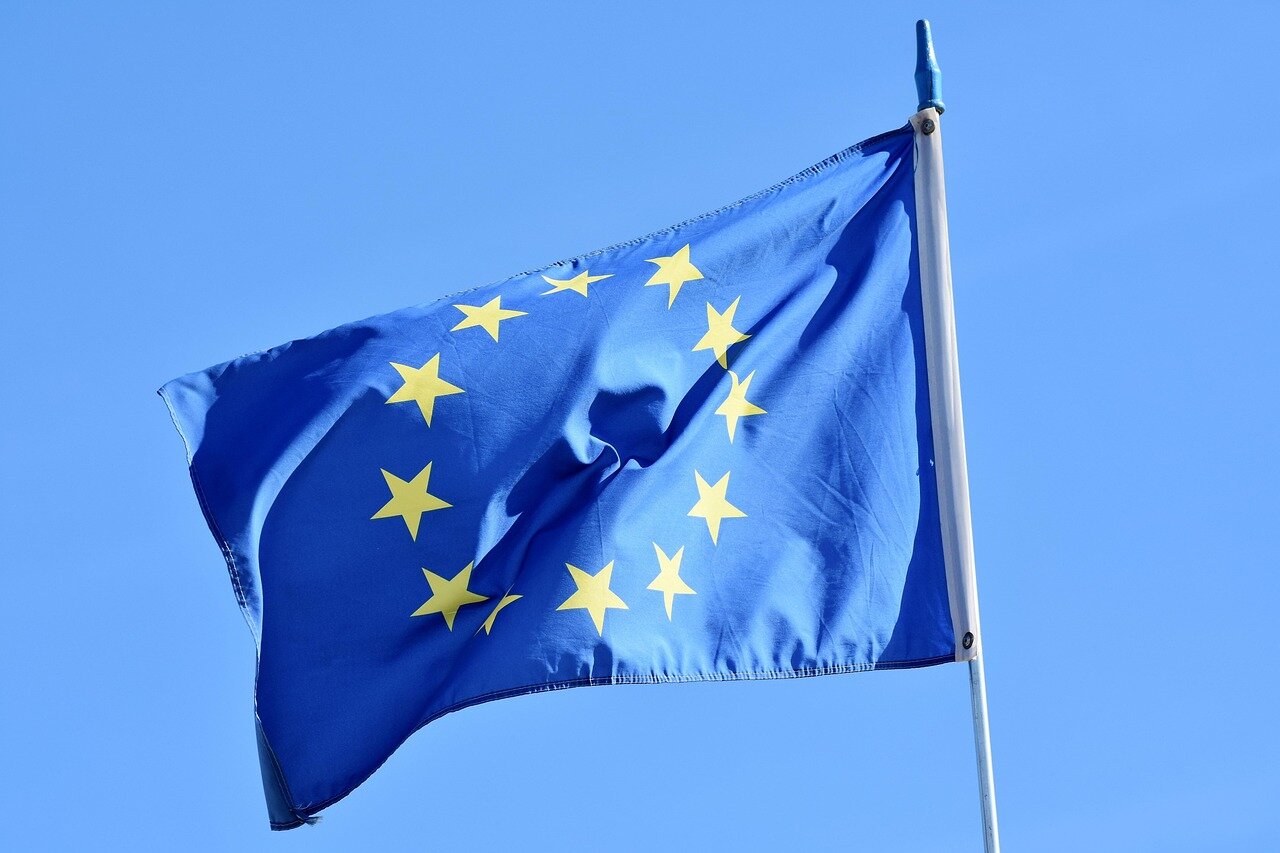
Additionally, the EU has implemented a digital entry-exit system to track the movement of non-EU nationals. This system not only aims to improve border management but also to facilitate smoother travel for those who comply with the new regulations.
As summer approaches, holidaymakers planning trips to EU countries are advised to prepare for these changes by allowing extra time for border processing and ensuring they have the necessary documentation readily available.
Background on the reasons for the new border regulations
The introduction of new EU border checks is primarily a response to escalating security concerns and the ongoing challenges posed by irregular migration. Over the past decade, Europe has witnessed a significant increase in the number of migrants crossing its borders, which has prompted member states to reassess their border control policies. The 2015 migrant crisis, when over a million refugees sought asylum in Europe, marked a turning point that led to heightened scrutiny of border management practices, reflecting themes discussed in Recent Developments in the Music Industry.
In addition to security concerns, the geopolitical landscape has also played a crucial role in shaping these regulations. The rise of populist and nationalist movements across Europe has led to calls for stricter immigration controls. Countries like Hungary and Poland have implemented stringent border policies, influencing the EU’s collective approach to border security. This shift reflects a broader trend of prioritizing national sovereignty over the traditionally open borders that the Schengen Area has been known for.
Economically, the EU has faced pressures to balance the need for free movement of people with the necessity of ensuring safety and stability within its borders. Tourism is a vital sector for many EU countries, and the new regulations aim to streamline border checks while maintaining security. The hope is that by modernizing the border control process, the EU can facilitate smoother travel experiences for tourists during peak seasons, such as summer holidays.
Key milestones in border regulation history
Several key milestones have marked the evolution of border regulations in the EU. The establishment of the Schengen Agreement in 1985 allowed for passport-free travel across many European countries, fostering economic growth and cultural exchange. However, subsequent crises, including the 9/11 attacks and the aforementioned migrant crisis, prompted a reevaluation of these policies. In 2016, the EU introduced the European Border and Coast Guard Agency, which aimed to enhance cooperation among member states and improve border security.

More recently, the EU has been working on the implementation of the Entry-Exit System (EES) and the European Travel Information and Authorization System (ETIAS), both designed to strengthen border checks while facilitating easier access for legitimate travelers. These systems reflect a commitment to balancing security needs with the desire to maintain the free movement of people within the EU, much like the narratives of adventure and exploration seen in stories of engagement, such as a couple getting engaged on the Empire State Building Couple Gets Engaged on Empire State Building.
Key stakeholders and issues surrounding the border checks
The introduction of new EU border checks has generated significant attention from various stakeholders, each with their own interests and concerns. Key actors include EU member states, border control agencies, travelers, tourism businesses, and human rights organizations. Understanding their perspectives is essential to grasp the broader implications of these changes.
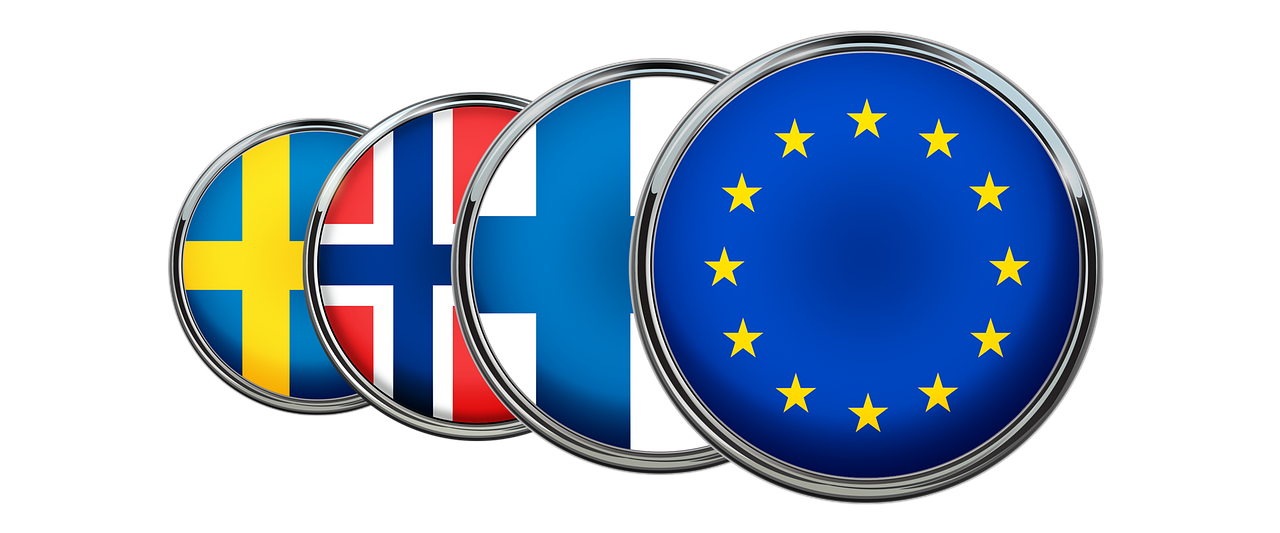
Member states are primarily focused on enhancing security and managing migration effectively. Countries that experience high levels of cross-border traffic, such as France, Spain, and Italy, may have different priorities compared to those with fewer border crossings. This disparity can lead to tensions regarding the implementation and enforcement of the new regulations.
Border control agencies, tasked with enforcing these checks, face the challenge of balancing security with efficiency. They must ensure that the new measures do not lead to excessive delays for travelers during peak summer months, which could impact tourism revenue. The economic interests of local businesses that depend on a steady flow of tourists are also at stake.
- Security vs. Efficiency: Striking a balance between rigorous checks and maintaining smooth travel experiences.
- Economic Impact: Potential revenue loss for tourism-dependent regions if border checks lead to longer wait times.
- Human Rights Concerns: Advocacy groups worry about the implications for the treatment of migrants and asylum seekers.
- Legal Compliance: Ensuring that new measures align with EU laws and regulations regarding freedom of movement.
- Public Sentiment: Varying opinions among citizens about the necessity and effectiveness of enhanced border checks.
Human rights organizations are particularly concerned about the potential for increased discrimination and profiling at borders. They argue that while security is important, it should not come at the cost of individual rights and freedoms. This perspective underscores the need for the EU to implement checks that are both effective and respectful of human dignity.
Who will be affected by the new border checks and how
The new EU border checks will have a broad impact on various groups, industries, and regions. Travelers, particularly those planning summer holidays, will face longer wait times at border crossings. This will especially affect families and individuals traveling for leisure, as they may need to adjust their itineraries and travel plans to accommodate potential delays.
Airlines and travel agencies will also feel the effects. With increased border control measures, there may be a rise in operational costs due to longer processing times and the need for additional staffing. This could lead to higher ticket prices and changes in service offerings as companies adapt to the new regulations.
Regions heavily reliant on tourism, such as coastal areas and major cities, might experience fluctuations in visitor numbers. While some tourists may be deterred by the prospect of lengthy border checks, others may find opportunities for extended stays or alternative travel routes, potentially benefiting local economies in unexpected ways.
- Short-term impacts: Increased wait times at borders, potential flight delays, and higher travel costs.
- Mid-term impacts: Adjustments in travel trends, shifts in tourism patterns, and possible changes in airline operations.
- Risks: Diminished tourist numbers, economic strain on local businesses, and potential backlash from travelers.
- Opportunities: Enhanced security measures may improve traveler confidence, and regions can innovate to attract visitors despite the new checks.
Policymakers will also be affected as they navigate the balance between ensuring security and facilitating travel. This may lead to new discussions around travel regulations and potential reforms in border management strategies to streamline processes in the future.
Frequently asked questions about EU border checks
A: The new requirements include additional documentation checks and potential biometric screenings to enhance security. Travelers should ensure they have all necessary documents ready to avoid delays.
A: Travelers may experience longer wait times at border crossings due to the increased scrutiny. It is advisable to arrive earlier than usual to accommodate these changes.
A: Yes, certain groups such as diplomats and emergency personnel may have exemptions from some of the new checks. However, most travelers will need to comply with the new regulations.
A: Ensure that you have all required travel documents, including passports and any necessary visas. Familiarize yourself with the specific border regulations for your destination.
A: While the current changes are set to be implemented for the foreseeable future, they may be adjusted based on feedback and effectiveness over time.
Key takeaways and future outlook on EU border checks
The introduction of new EU border checks marks a significant shift in travel protocols, particularly for those planning summer holidays. As these measures are implemented, travelers can expect a more streamlined process aimed at enhancing security while also managing the flow of visitors. Understanding these changes will be crucial for a smooth travel experience.
Travelers should prepare for potential delays at border crossings, as the new checks may require additional documentation and verification. It is advisable to stay informed about the specific requirements of your destination and consider alternative travel times to avoid peak periods.
- Plan Ahead: Ensure all travel documents are up to date and familiarize yourself with the specific requirements of your destination country.
- Expect Delays: Allocate extra time for border checks, especially during peak travel seasons, to avoid any last-minute stress.
- Stay Informed: Monitor updates from official EU sources regarding any changes to the border check protocols as your travel date approaches.
- Consider Off-Peak Travel: If possible, travel during less busy times to minimize wait times at borders.
- Be Prepared for Additional Security Measures: Understand that enhanced security checks may require more thorough inspections, so pack accordingly.