
On October 1, 2023, a bishop was ordained in a ceremony that many Church leaders deemed illegitimate, as it was conducted without the approval of the Vatican. This event has raised questions about the adherence to canonical law and the authority of the Pope, as some factions within the Church continue to challenge central governance. The ordinations have been met with mixed reactions, linking to broader concerns about unity and division in various communities, with some congregations expressing support for the new bishops while others voice strong opposition.
The Pope’s warning comes amid a backdrop of increasing polarization within the Church, where differing views on issues such as sexuality, clerical celibacy, and the role of women are becoming more pronounced. The Vatican’s response to these events will be crucial in determining whether the Church can maintain unity or if it will face a deeper divide. As the situation unfolds, many are closely monitoring how Church leadership will address these challenges and the implications for the faithful worldwide.
This growing rift highlights the broader struggle within the Catholic Church to balance tradition with contemporary societal values. As debates intensify, the potential for schism raises concerns not only for Church governance but also for the spiritual well-being of millions of Catholics who look to their leaders for guidance. The coming months will be pivotal as the Church navigates these complex issues and seeks to foster unity among its diverse members.
Understanding the background of the current crisis
The current turmoil within the Catholic Church can be traced back to a confluence of historical, political, and social factors that have shaped its governance and doctrinal authority over the centuries. The ordination of controversial bishops has reignited long-standing tensions within the Church, particularly concerning the interpretation of doctrine and the authority of the papacy. The Church has faced similar crises in the past, with schisms that have often resulted from divergent theological beliefs and political conflicts.
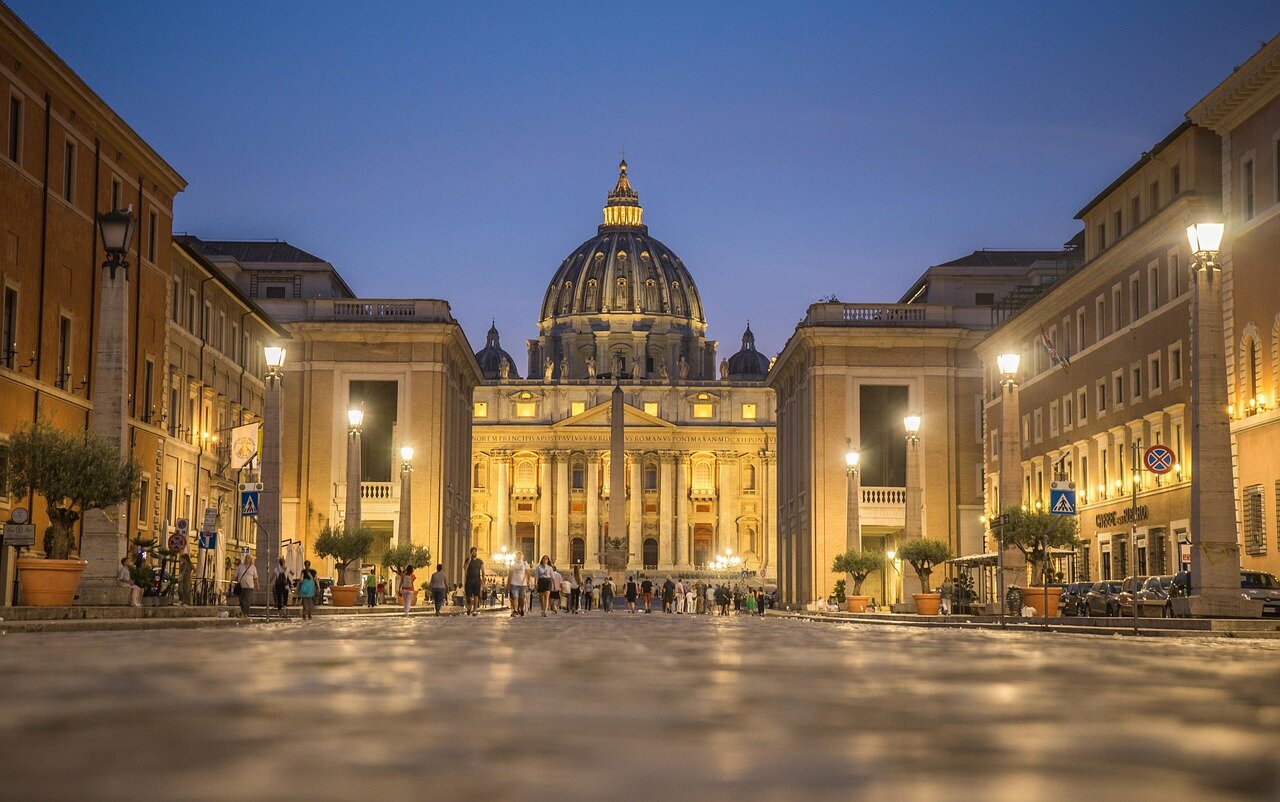
Historically, the Catholic Church has experienced several significant schisms, most notably the Great Schism of 1054, which divided Christianity into Eastern Orthodox and Roman Catholic branches. This division was rooted in theological disputes and political power struggles. More recently, the Reformation in the 16th century led to the emergence of Protestant denominations, challenging the Catholic Church’s authority and prompting the Counter-Reformation. These events laid the groundwork for ongoing debates about the centralization of power within the Church and the interpretation of its teachings.
In recent decades, the rise of progressive movements within the Church has clashed with traditionalist factions, particularly regarding issues such as sexual ethics, the role of women, and the acceptance of LGBTQ+ individuals. The ordination of bishops who align with more conservative views has been seen as a direct challenge to the current papacy, which has sought to promote a more inclusive and compassionate approach. This internal conflict has been exacerbated by the increasing polarization of global politics, where religious beliefs often intersect with national identities.
Key milestones in the Church’s history
Several key milestones have marked the evolution of the Catholic Church’s internal dynamics. The Second Vatican Council (1962-1965) was a pivotal moment that aimed to modernize the Church and foster dialogue with the contemporary world. However, the implementation of its reforms has been met with resistance from traditionalists who view them as a departure from core doctrines. Additionally, recent papacies have faced challenges in addressing the sexual abuse crisis, further complicating the Church’s authority and unity.
As the current pope warns of potential schism, the Church stands at a crossroads, where the decisions made in the coming years will have profound implications for its future. The interplay of historical grievances, doctrinal disputes, and the evolving social landscape will continue to shape the narrative of the Catholic Church as it navigates this complex crisis.
Key stakeholders and issues surrounding the ordinations
The recent ordination of controversial bishops has intensified discussions within the Catholic Church, particularly as Pope Francis warns of a potential schism. This situation involves multiple stakeholders, each with distinct interests and concerns. The primary actors include the Vatican, dissenting bishops, local dioceses, and lay Catholics, all of whom play significant roles in shaping the future of the Church and its governance, much like how various stakeholders in the music industry navigate their own challenges.
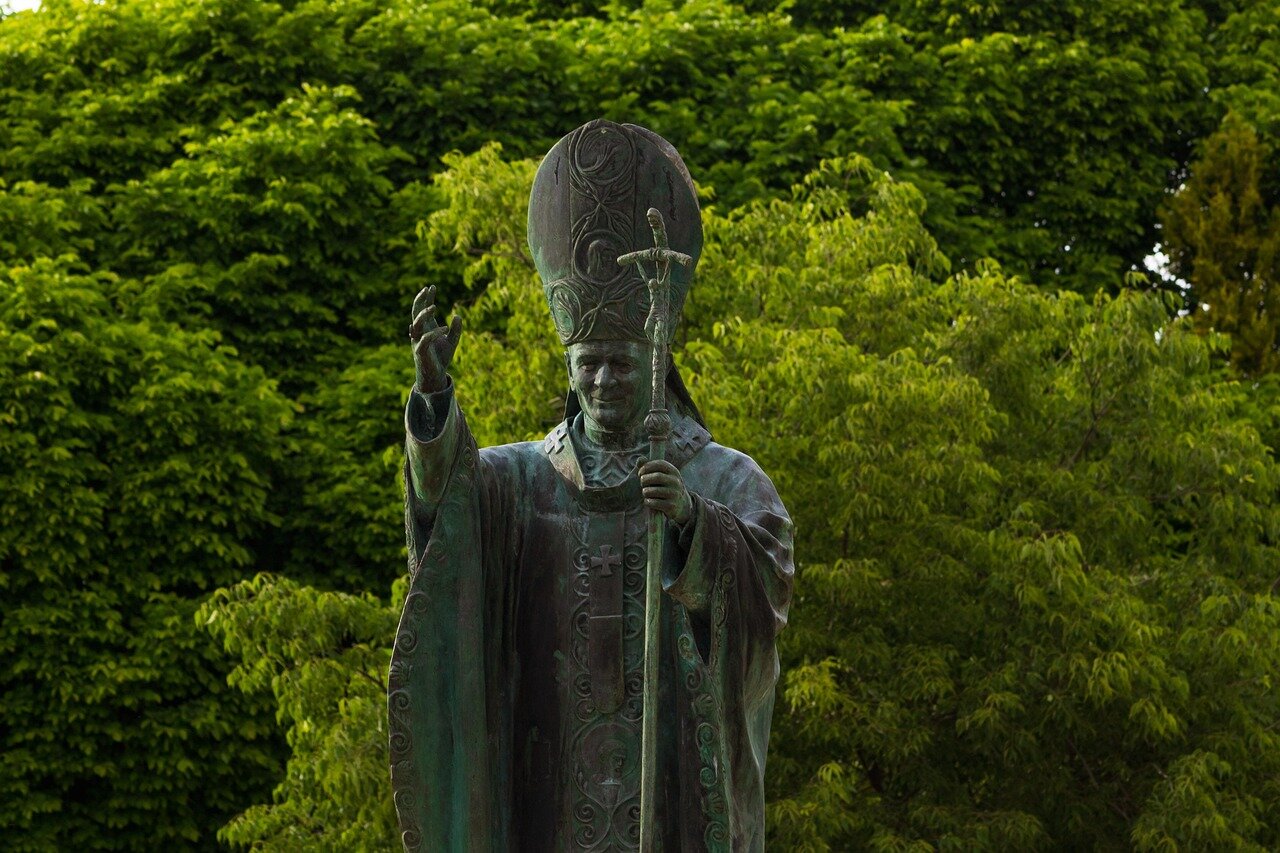
The Vatican, led by Pope Francis, aims to maintain unity within the Church while addressing growing divisions. The Pope’s emphasis on dialogue and inclusivity contrasts sharply with the positions of some bishops who feel marginalized by the central authority. These bishops often represent conservative factions within the Church, advocating for traditional teachings and practices.
Local dioceses are caught in the middle of this conflict. They must navigate the expectations of their congregants while adhering to the directives from the Vatican. This creates a challenging environment where the interests of the community may clash with broader Church policies. Additionally, lay Catholics are increasingly vocal about their perspectives, expressing concerns over the direction of the Church and the implications of these ordinations.
- Potential for Schism: The ordination of controversial bishops may lead to a formal split within the Church, impacting its global influence.
- Legal Implications: Disputes over authority and governance could result in legal challenges regarding the legitimacy of these ordinations.
- Economic Factors: A schism could affect Church funding and resources, as congregations may choose to align with different factions.
- Community Response: The reaction of local communities and their willingness to support or reject these bishops will shape future dynamics.
- Global Perspectives: The international response from various Catholic communities may influence the Vatican’s approach to resolving these tensions.
Potential effects on the Catholic community and beyond
The recent ordination of controversial bishops, coupled with the Pope’s warning of a potential schism within the Catholic Church, is poised to affect various groups and industries. The most immediate impact will likely be felt within the Catholic community itself, as differing factions may react strongly to these developments.
In the short term, parishes and dioceses may experience increased tensions among congregants who hold differing views on the legitimacy of the newly ordained bishops. This could lead to a decline in attendance and participation in church activities, as some members may choose to distance themselves from the church during this period of uncertainty. Additionally, local businesses that rely on church events and gatherings for revenue may see a downturn.
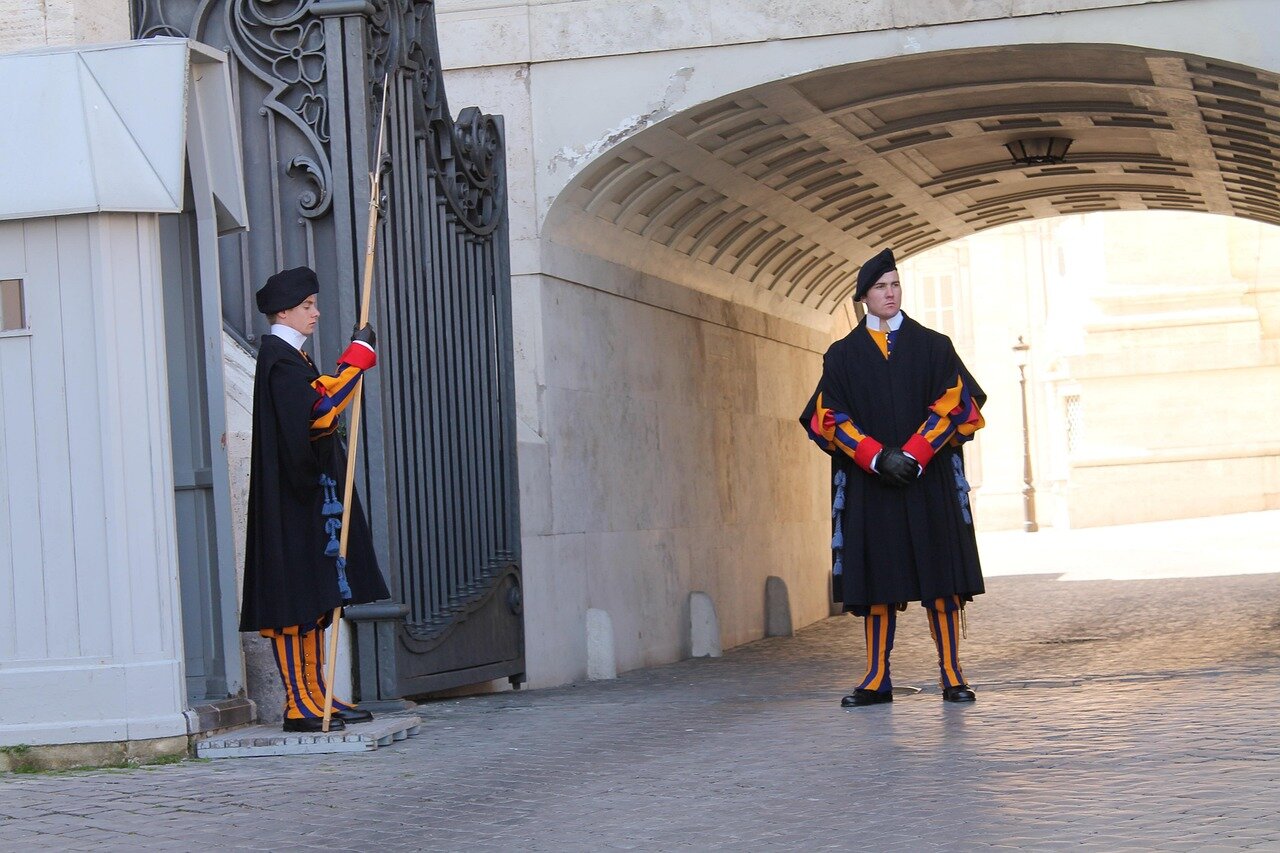
In the mid-term, the ongoing debate over the legitimacy of these bishops could influence broader discussions about church governance and doctrine. This may prompt church leaders to reassess policies related to ordination and the selection of bishops, potentially leading to a more centralized or reformed approach. Such changes could reshape the landscape of the Catholic Church and affect its relationship with other Christian denominations.
Despite the challenges, there are potential opportunities that may arise from this situation. For instance, advocacy groups may emerge, seeking to unify or reform the church, which could attract new members and invigorate community engagement. Furthermore, the schism may lead to the establishment of new congregations or movements, creating a space for alternative interpretations of Catholicism.
- Increased tensions within congregations.
- Potential decline in church attendance and local business revenue.
- Opportunities for new advocacy groups and movements.
- Reassessment of church governance and policies.
A: The main concerns include the legitimacy of the bishops ordained and the potential for division within the Church. Critics argue that these ordinations could undermine the authority of the Pope. A: The Pope has expressed deep concern about the impact of these ordinations, warning that they could lead to a schism within the Church. He emphasizes the need for unity among Catholics. A: A schism refers to a formal division or separation within the Church, often resulting from disagreements over doctrine or authority. It can lead to the establishment of rival factions. A: The bishops involved are known for their contentious views and actions that have sparked criticism from both within and outside the Church. Their ordination has been met with significant backlash. A: Long-term effects could include a fractured Church, decreased membership, and a shift in the Church’s influence in global matters. The situation may also prompt discussions on reform.
Frequently asked questions about the situation
Looking ahead: key points and future implications
The ordination of controversial bishops has sparked significant debate within the Catholic Church, particularly as Pope Francis warns of potential schism. This situation highlights the growing divide between traditionalists and progressives, raising questions about the future unity of the Church. As the dialogue continues, the implications for governance, community engagement, and doctrinal adherence will be closely monitored.
Moving forward, the Church may need to navigate these tensions carefully to maintain cohesion among its global followers. The responses from various factions within the Church will be critical in shaping its trajectory, as differing interpretations of doctrine and authority come to the forefront.
- Increased dialogue: Expect intensified discussions among Church leaders to address the concerns of both sides and seek common ground.
- Potential for schism: Watch for signs of deeper divisions that could lead to formal splits within the Church, particularly in regions with strong traditionalist sentiments.
- Impact on Church governance: The situation may prompt reevaluations of how bishops are appointed and the criteria for their ordination.
- Global reactions: Pay attention to how different national bishops’ conferences respond, as their positions may reflect broader cultural and societal views.
- Future leadership dynamics: The ongoing conflict could influence the selection of future papal candidates and their approaches to Church doctrine.