
Operated by a local entrepreneur, the floating store is designed to serve customers who may not have easy access to traditional brick-and-mortar shops. It features a range of products, including snacks, beverages, and personal care items, making it a convenient stop for boaters and pedestrians alike. This venture not only provides shopping options but also promotes the use of Toronto’s waterways as vibrant community spaces, which can be further explored in our article on innovative urban developments.
The floating store has garnered positive feedback since its launch, with many praising its innovative approach to urban retail. As part of a broader trend towards experiential shopping, it reflects a growing interest in integrating commerce with leisure activities. By positioning itself on the water, the store offers a novel experience that encourages exploration and engagement with Toronto’s scenic landscape.
As the city continues to evolve, this floating convenience store represents a significant shift in how urban areas can adapt to meet the needs of their populations. With plans to expand its offerings and hours of operation, the store aims to become a staple of the Toronto waterfront, highlighting the potential for creative solutions in urban retail.
Understanding the concept of floating retail
Floating retail, a term that has gained traction in recent years, refers to retail establishments that operate on water, typically on boats or barges. This innovative concept has emerged as a response to urban space constraints and the increasing demand for unique shopping experiences. By utilizing waterways, floating stores can bypass some of the challenges faced by traditional brick-and-mortar shops, such as high rental costs and limited urban space.
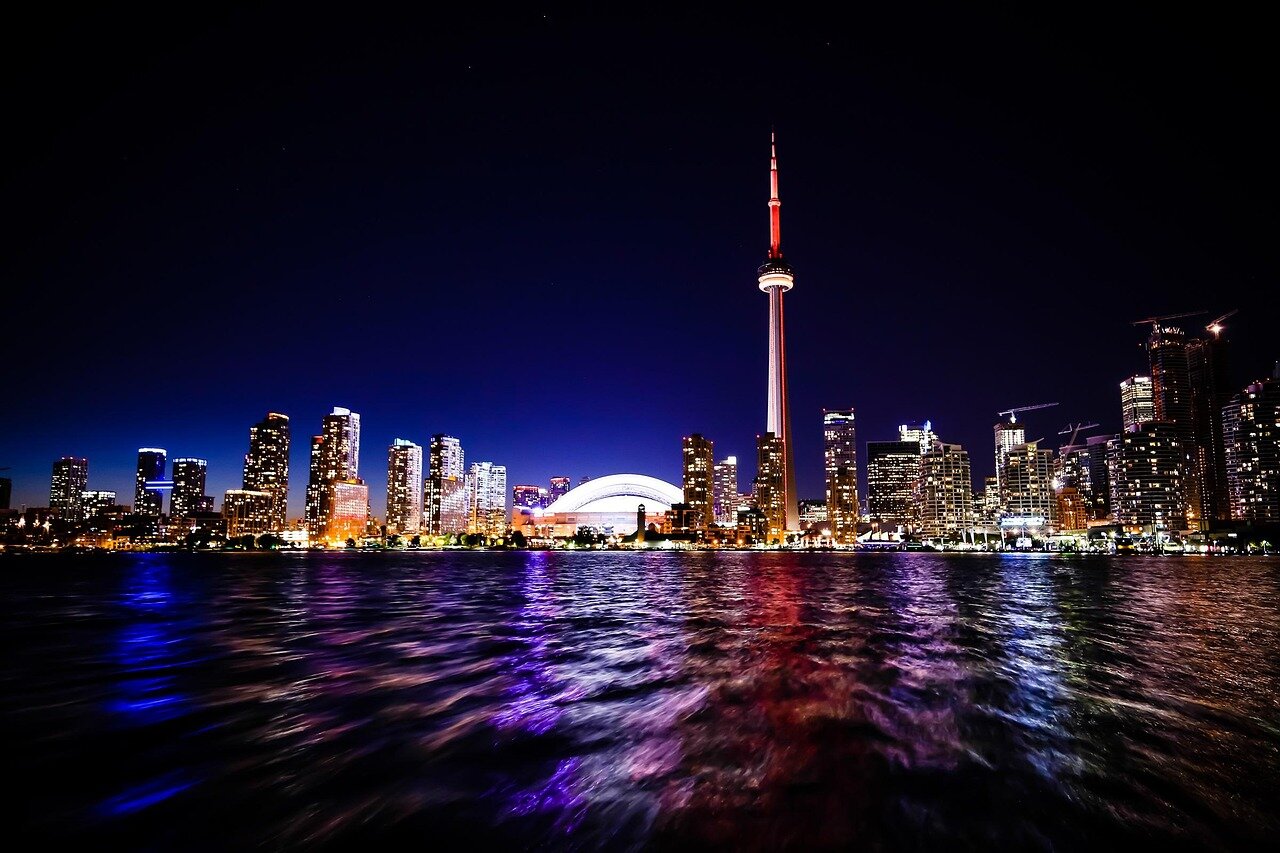
The idea of floating retail is not entirely new; it has been seen in various forms around the world. For instance, cities like Amsterdam and Venice have long embraced the concept of floating markets and shops, integrating them into their cultural and economic fabric. These locations have demonstrated how waterways can be transformed into vibrant commercial spaces, attracting both locals and tourists alike.
In Toronto, the recent emergence of a floating convenience store marks a significant milestone in the city’s retail landscape. This development is rooted in the city’s ongoing efforts to revitalize its waterfront and promote sustainable urban development, akin to the efforts seen in other cities discussed in our piece on urban innovation.
The economic impact of floating retail
The introduction of floating convenience stores could have a notable economic impact on Toronto’s local economy. By offering unique shopping experiences, these stores can attract both residents and tourists, potentially increasing foot traffic and sales for nearby businesses. Furthermore, floating retail can create new job opportunities in areas such as logistics, hospitality, and retail management, contributing to the overall economic growth of the region.
Exploring the implications for local businesses and consumers
The recent emergence of a floating convenience store in Toronto has sparked interest among various stakeholders, including local business owners, consumers, and city officials. Each of these groups has distinct interests and concerns regarding the impact of this innovative retail model on the community.
Local businesses may view the floating convenience store as both a competitor and an opportunity. On one hand, it could draw customers away from traditional brick-and-mortar shops, particularly those that offer similar products. On the other hand, it might attract more visitors to the waterfront area, potentially benefiting nearby establishments through increased foot traffic.
Consumers, particularly those living near the waterfront, could benefit from the convenience of having a store accessible by water. This accessibility may cater to a demographic that values unique shopping experiences. However, there are concerns about pricing and product selection, as floating stores may face higher operational costs that could be passed on to consumers.
City officials are tasked with navigating the legal and regulatory landscape surrounding such businesses. Key issues include zoning laws, safety regulations, and environmental concerns related to operating a retail outlet on water. These factors will influence how the floating store operates and its long-term viability.
- Competition: Impact on local businesses and market dynamics.
- Consumer Choice: Potential benefits and drawbacks for shoppers.
- Regulatory Challenges: Zoning and safety regulations that must be addressed.
- Environmental Considerations: Effects on marine ecosystems and waterfront access.
- Economic Impact: How the floating store may influence local economy and tourism.
How the floating store affects the local economy and community
The introduction of a floating convenience store in Toronto has the potential to impact various groups, including local residents, small businesses, and the tourism sector. By providing easy access to essential goods on the water, this innovative retail model could reshape shopping habits and influence local commerce while creating community engagement opportunities similar to those highlighted in successful local initiatives.
In the short term, residents living near the waterfront might experience increased convenience as they can purchase everyday items without having to travel far. This floating store could cater to both locals and tourists, enhancing their overall experience of the city. However, it may also pose a challenge to nearby brick-and-mortar stores that rely on foot traffic, potentially leading to a decline in their sales.

In the mid-term, the floating store could encourage more people to visit the waterfront, boosting local tourism and related industries such as hospitality and recreation. This influx of visitors might create new job opportunities and stimulate economic growth in the region. However, it also raises concerns about environmental impacts and the sustainability of such a venture, particularly regarding waste management and waterway congestion.
- Opportunities: Increased tourism and foot traffic, new job creation, and enhanced local commerce.
- Risks: Potential decline in sales for traditional stores, environmental concerns, and possible regulatory challenges.
Overall, the floating convenience store represents a unique intersection of innovation and community needs, with both positive and negative implications for the local economy and lifestyle in Toronto.
A: The floating convenience store offers a variety of everyday items, including snacks, beverages, and personal care products, catering to both locals and tourists. A: The store operates from a boat that docks at various points along the waterfront, allowing customers to shop directly from the water. A: Currently, the floating store is operating during the warmer months, but there are plans to extend its hours depending on demand and weather conditions. A: Yes, the floating convenience store accepts various forms of payment, including credit cards and mobile payment options for customer convenience. A: This innovative retail model not only provides unique shopping options but also aims to boost tourism and support local businesses by attracting more visitors to the waterfront.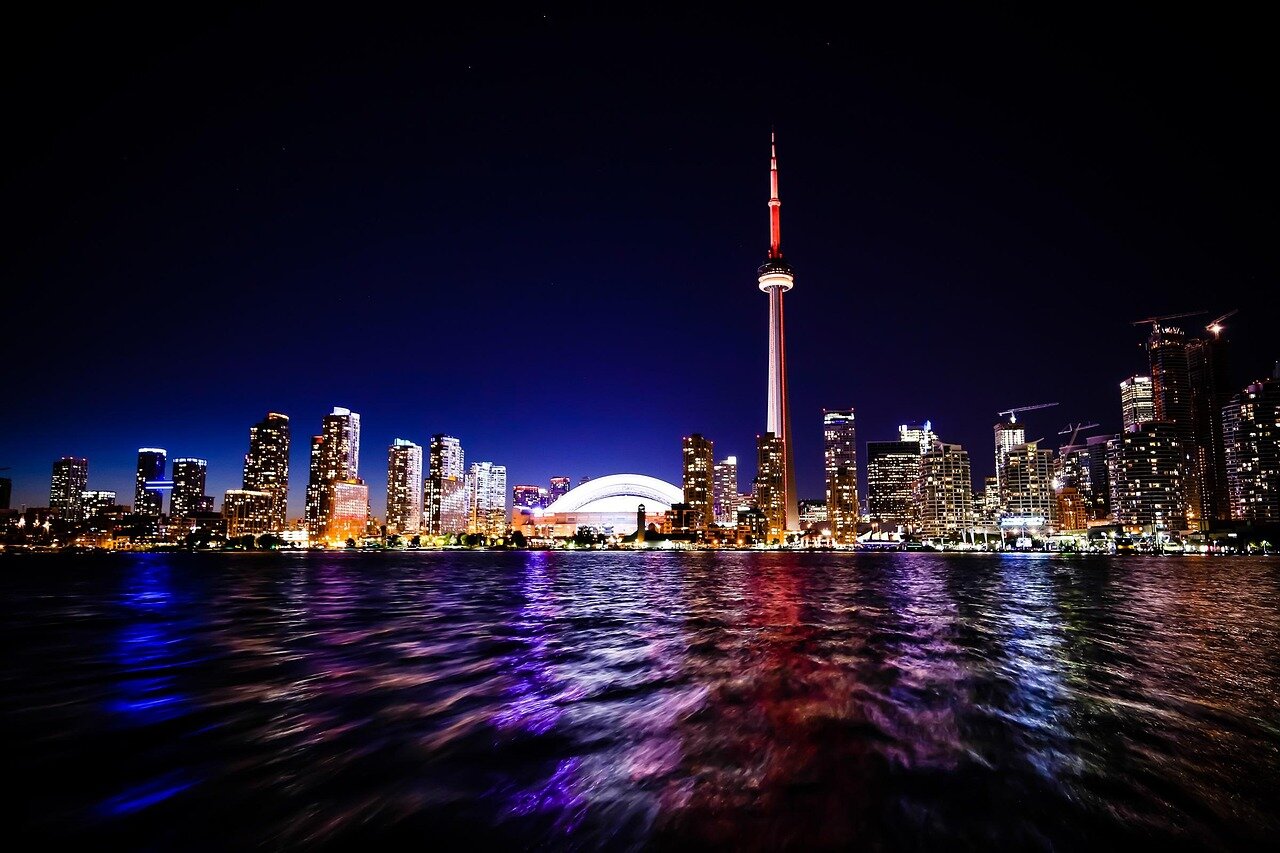
Frequently asked questions about the floating convenience store
Key takeaways and future outlook for floating retail in Toronto
The introduction of a floating convenience store in Toronto marks a significant shift in the retail landscape, merging convenience with an innovative approach to urban shopping. This development not only reflects changing consumer preferences but also highlights the potential for new business models in urban environments. As cities continue to evolve, the adaptability of retail spaces will be crucial in meeting the demands of urban dwellers.
Observing the success and challenges of this floating store will provide valuable insights for future ventures in similar formats. Stakeholders should consider the implications of this model on traditional retail, local economies, and urban planning as they navigate the future of commerce in metropolitan areas.
- Consumer Behavior: Watch for shifts in shopping habits as urban consumers seek more convenient and unique shopping experiences.
- Business Model Innovation: The floating store could inspire other retailers to explore non-traditional locations, potentially leading to a rise in mobile and pop-up retail formats.
- Urban Planning Impact: The success of floating retail may encourage city planners to rethink zoning laws and regulations to accommodate such innovative business models.
- Sustainability Considerations: As floating stores become more popular, there will be a need to address environmental impacts and sustainability practices in their operation.
- Community Engagement: The floating store model may foster stronger community ties as local businesses engage with consumers in novel ways.