
As urbanization continues to expand, many cities are experiencing increased ant activity, with species such as the Argentine ant and the carpenter ant becoming prevalent nuisances. These pests not only disrupt households but can also damage infrastructure and contaminate food supplies. The introduction of this trap is significant as it offers a targeted solution that minimizes the need for chemical pesticides, which can pose risks to human health and the environment. For more on sustainable pest control strategies, visit this article.
Field tests conducted in various metropolitan regions have shown promising results, with a reported 70% reduction in ant populations within a month of using the traps. The product has gained attention from both pest control professionals and homeowners looking for effective and eco-friendly solutions. As awareness of this new technology spreads, its impact on ant management strategies could reshape how infestations are handled in the future.
Furthermore, the ongoing research into the behavioral patterns of ants is expected to enhance the effectiveness of these traps. Experts believe that understanding the foraging habits of different species will lead to further improvements in trap design and functionality. This innovation not only represents a significant step forward in pest control but also highlights the importance of sustainable practices in managing urban wildlife, similar to what is explored in this discussion.
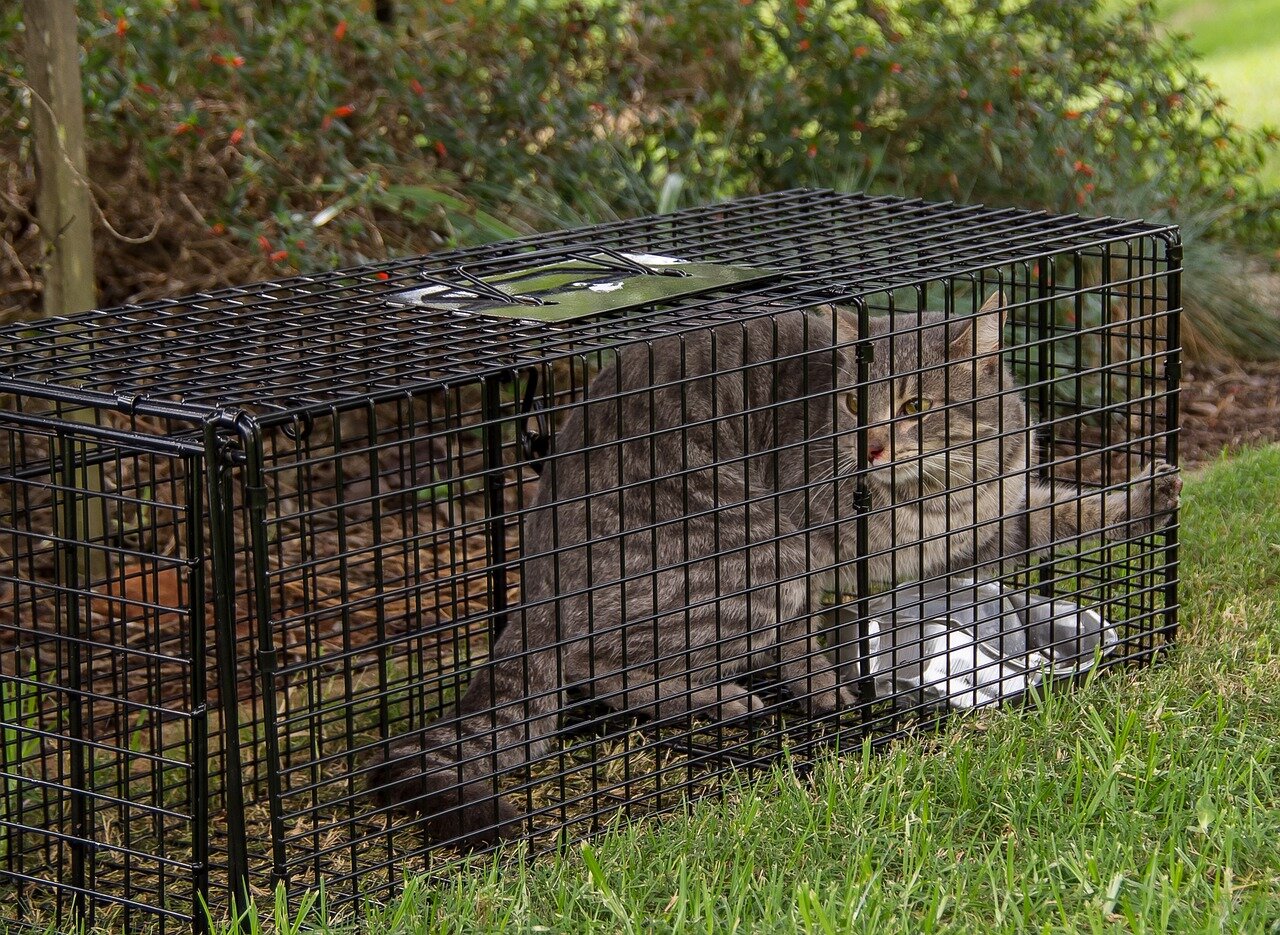
The Significance of Ants in Ecosystems
Ants play a crucial role in various ecosystems, acting as both predators and prey, as well as decomposers. Their activities contribute to soil aeration, seed dispersal, and nutrient cycling, making them integral to maintaining ecological balance. Historically, ants have been studied for their complex social structures and behaviors, which have fascinated scientists for decades. Understanding their role in ecosystems helps highlight the importance of preserving their populations and habitats.
The relationship between humans and ants has evolved over time, with various cultures recognizing the benefits these insects provide. In ancient agricultural societies, ants were often seen as beneficial organisms that helped control pest populations. However, as urbanization and industrialization increased, the delicate balance of ecosystems began to shift, leading to a decline in ant populations in some areas and an overabundance in others. This shift has prompted researchers to explore innovative solutions, such as traps designed to harness the natural behaviors of ants. For insights into how innovation affects other industries, check out this article.
The Development of Ant Traps
The concept of using traps to manage ant populations dates back several decades. Early designs focused on chemical attractants, which would lure ants to their demise. However, modern approaches have shifted towards more sustainable and environmentally friendly methods. Recent innovations aim to create traps that not only capture ants but also leverage their social behavior, encouraging them to take a bite of the bait that leads to a more effective population control strategy.
As awareness of environmental issues grows, there is a renewed interest in understanding the interactions between species and the implications of human actions on ecosystems. The development of these new traps represents a significant milestone in pest management, reflecting a broader trend towards integrating ecological knowledge into practical solutions. This evolution underscores the importance of respecting and studying the intricate relationships within our natural world.

Key Stakeholders in Ant Research
The study of ants and their interactions with various traps has garnered interest from a diverse group of stakeholders. These include researchers, environmental organizations, agricultural businesses, and government agencies. Each of these actors has distinct interests that shape their involvement in ant research and management.
Researchers are primarily focused on understanding ant behavior and ecology. Their interests lie in uncovering how different traps can be utilized to study ant populations and their roles in ecosystems. This research can lead to advancements in pest control and biodiversity conservation. However, conflicts may arise when findings are misinterpreted or misapplied by other stakeholders, particularly in commercial settings.
Environmental organizations advocate for sustainable practices and the protection of biodiversity. They may support ant research to promote ecological balance, but they also raise concerns about the potential negative impacts of traps on non-target species. This creates a trade-off between effective pest control and the preservation of native insect populations.
- Agricultural Businesses: These stakeholders are interested in using ant traps to manage pest populations that threaten crops. Their focus is on economic efficiency but may conflict with ecological considerations.
- Government Agencies: Regulatory bodies are involved in setting guidelines for the use of traps. Their interests include public health and environmental protection, leading to potential legal issues regarding the approval of certain traps.
- Community Groups: Local communities may have varying perspectives on ant traps, influenced by cultural beliefs and experiences with pests. Their input can shape public policy and research priorities.
As these stakeholders navigate their respective interests, key legal and economic issues emerge. The balance between effective pest management and environmental stewardship is a significant concern. Additionally, the economic implications of ant research can influence funding and resource allocation, impacting the direction of future studies.

Potential Effects on Pest Control and Ecology
The introduction of this new trap designed to lure ants could significantly affect various groups, including pest control companies, agricultural sectors, and environmental organizations. Pest control professionals may find themselves adapting their strategies to incorporate this innovative solution, while farmers could see a shift in how they manage ant populations that threaten crops.
In the short term, businesses in the pest control industry may experience an increase in demand for this trap as consumers seek effective ways to manage ant infestations. This could lead to a surge in sales for companies that produce or distribute the trap, creating new revenue streams. However, there may also be challenges as traditional pest control methods face competition from this new approach.
In the mid-term, the ecological impact of the trap could lead to changes in local ecosystems. As ant populations are controlled, other species may begin to thrive, potentially altering food chains and biodiversity. This could benefit some industries, such as organic farming, where reduced ant interference might enhance crop yields.
- Short-term impacts: Increased demand for innovative pest control solutions.
- Mid-term impacts: Changes in local ecosystems affecting biodiversity.
- Risks: Potential over-reliance on the trap leading to ecological imbalances.
- Opportunities: New markets for pest control products and services.
Moreover, policymakers may need to evaluate the environmental regulations surrounding the use of such traps. If deemed effective, there could be incentives for farmers and pest control companies to adopt this method, leading to a shift in pest management policies. However, caution is necessary to ensure that the benefits do not come at the cost of unintended ecological consequences.
A: The primary goal is to attract ants to study their behavior and interactions in a controlled environment. A: The trap uses specific scents and visual cues to lure ants, allowing researchers to observe their responses. A: Researchers can study ant foraging patterns, social behavior, and ecological impacts on their environment. A: The trap is designed to be eco-friendly and aims to minimize any negative impact on local ecosystems. A: The trap was developed by a team of entomologists and ecologists focused on improving pest management strategies.
Frequently Asked Questions About the Ant Trap
Future Implications of Ant Research and Trap Design
The innovative design of ant traps that entice these insects to take a bite opens up new avenues for pest management and ecological research. By understanding the behaviors and preferences of ants, researchers can create more effective traps that minimize environmental impact while maximizing efficacy. This advancement not only enhances pest control strategies but also contributes to a deeper understanding of ant ecology and their role in various ecosystems.
As the research progresses, it will be crucial to monitor how these traps influence ant populations and their surrounding environments. The implications of this research extend beyond pest control, potentially informing agricultural practices and biodiversity conservation efforts.
- Ant traps designed with specific attractants could lead to more environmentally friendly pest management solutions.
- Gaining insights into ant behavior may help in developing traps that target specific species, reducing non-target catches.
- Continued research could reveal the ecological roles of ants, aiding in biodiversity conservation strategies.
- Understanding the interactions between ants and their environment may inform agricultural practices, enhancing crop protection.
- Monitoring the long-term effects of these traps on ant populations will be essential to ensure ecological balance.