
Authorities reported that the plane was a private jet, and preliminary investigations suggest that the crash may have been due to adverse weather conditions. Eyewitnesses described a loud explosion followed by a shower of debris, which raised concerns about the safety of high-rise buildings in urban environments.
In response to the incident, the Beijing Municipal Government has initiated a thorough investigation, involving both aviation and building safety experts. The crash has sparked discussions about air traffic regulations and the safety protocols for flying near densely populated areas.
This event has not only raised safety concerns among residents but also highlighted the potential vulnerabilities of urban infrastructure in the face of aviation accidents. For more on how urban infrastructure interacts with air safety, read our article on urban safety protocols.
Understanding the significance of Beijing’s tallest building and its location
Beijing’s tallest building, the China Zun, stands as a symbol of modern architectural achievement and economic progress in the heart of China’s capital. Completed in 2018, this skyscraper not only dominates the skyline but also represents the rapid urbanization and development that Beijing has experienced over the past few decades. The building is located in the Central Business District, an area that has transformed from traditional neighborhoods into a bustling hub of commerce and finance.

The significance of the China Zun extends beyond its height; it reflects China’s ambitions on the global stage. As the country has emerged as a major economic power, its architectural projects have increasingly sought to showcase its strength and innovation. The construction of such iconic structures has been part of a broader strategy to attract foreign investment and tourism, positioning Beijing as a leading global city.
Historical context of urban development in Beijing
The urban landscape of Beijing has undergone significant changes since the late 20th century, particularly after China’s economic reforms in the 1980s. The shift towards a market economy led to an explosion of construction projects aimed at modernizing the city. This rapid development, however, has not been without challenges, including concerns over safety and environmental impact. Incidents involving construction debris and accidents in urban areas have raised questions about regulatory oversight and building standards.
In this context, the recent incident involving debris falling from the China Zun after a plane collision raises serious concerns about safety protocols and emergency response measures in high-rise buildings. This aligns with discussions on safety regulations surrounding large structures.
Examining the stakeholders involved and the implications of the incident
The recent incident involving debris falling after a plane struck Beijing’s tallest building has raised significant concerns among various stakeholders. Key actors include the local government, aviation authorities, the airline involved, and the building’s management. Each of these stakeholders has distinct interests and responsibilities that influence their response to the situation.
The local government is primarily concerned with public safety and maintaining order in the aftermath of the incident. Their interests include assessing the damage, ensuring the safety of residents and workers in the area, and managing the public’s perception of the event. Additionally, they must address any potential legal ramifications that may arise from the incident.

Aviation authorities will focus on investigating the circumstances surrounding the incident. This includes analyzing flight paths, pilot actions, and potential regulatory violations. Their interest lies in determining whether this incident indicates a broader systemic issue within air traffic management or safety protocols. Any findings could lead to changes in regulations that impact the aviation industry as a whole.
- Airline’s Liability: The airline involved may face legal challenges and financial repercussions depending on the investigation’s findings.
- Public Safety Concerns: The incident raises questions about the safety of urban airspace and the risks associated with flying in densely populated areas.
- Insurance Claims: Both the building management and the airline may need to navigate complex insurance claims processes in light of the damages incurred.
- Economic Impact: Potential disruptions to business operations in the area could have broader economic implications for local businesses.
In summary, the incident brings to light various conflicts and trade-offs among stakeholders. The balance between aviation operations and urban safety must be carefully evaluated to prevent future occurrences and maintain public trust in both air travel and urban infrastructure, much like the ongoing debates surrounding safety measures in different sectors.
Assessing the impact on local residents and emergency services
The recent incident involving debris falling from a plane that struck Beijing’s tallest building has raised significant concerns among local residents and emergency services. The immediate vicinity of the incident is facing heightened anxiety, with residents fearing for their safety and the structural integrity of nearby buildings. Emergency services are on high alert, tasked with ensuring public safety and managing any potential fallout from the event.
In the short term, local businesses, particularly those in the hospitality and retail sectors, may experience a decline in foot traffic as residents and tourists avoid the area. This could lead to a temporary drop in revenue for shops and restaurants, impacting their operational viability. Additionally, the incident may prompt increased scrutiny from regulatory bodies, leading to potential policy changes regarding air traffic safety and building regulations.
- Local residents experiencing anxiety and fear for safety.
- Businesses facing potential revenue loss due to decreased foot traffic.
- Emergency services stretched thin managing the incident response.
- Increased regulatory scrutiny on aviation and construction safety.
In the mid-term, the incident could catalyze discussions around urban safety measures and emergency preparedness. Policymakers may be compelled to invest in better infrastructure and safety protocols to prevent similar occurrences in the future. This could lead to opportunities for construction and engineering firms specializing in safety enhancements and urban planning.

Moreover, while the immediate impact appears negative, there is potential for community resilience and solidarity to emerge. Local organizations may rally to support affected residents and businesses, fostering a sense of unity. This could also encourage investment in community safety initiatives, ultimately leading to a more robust and prepared urban environment.
A: The exact cause of the crash is still under investigation, but initial reports suggest it may have been due to technical difficulties. A: Yes, there have been reports of injuries, but the exact number is still being confirmed by local authorities. A: The local government has deployed emergency services to the scene and is coordinating a response to ensure public safety. A: High-rise buildings in Beijing are subject to strict safety regulations, including regular inspections and emergency preparedness drills. A: While investigations are ongoing, authorities are taking precautions to minimize risks and ensure the safety of surrounding areas.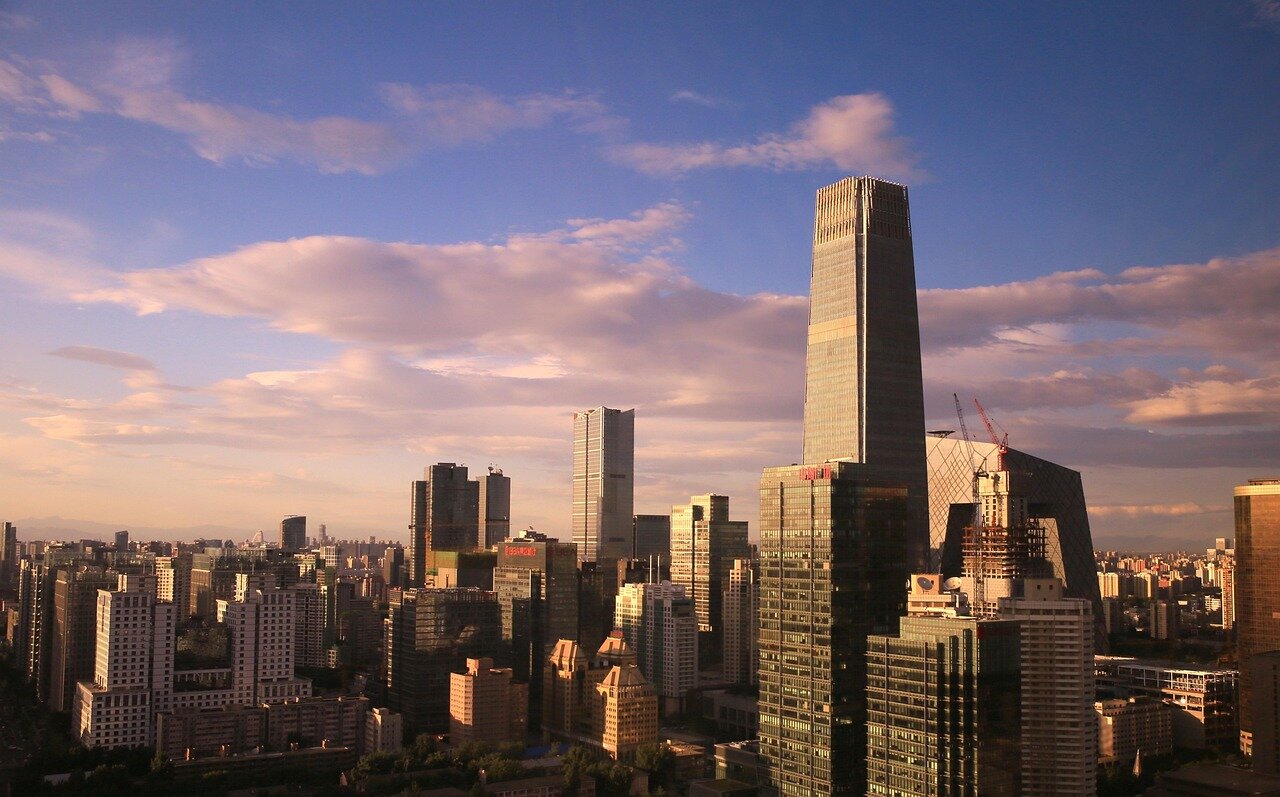
Frequently asked questions about the incident
Key takeaways and future outlook on safety measures
The recent incident involving debris falling from a plane that struck Beijing’s tallest building raises significant questions about urban air traffic safety and building regulations. As cities grow taller and air traffic increases, the need for enhanced safety protocols becomes more pressing. This event serves as a stark reminder of the potential risks associated with aviation and urban infrastructure, prompting a reevaluation of existing safety measures.
Moving forward, stakeholders in both aviation and urban planning must collaborate to ensure that safety is prioritized. This incident could lead to stricter regulations and innovative solutions aimed at preventing similar occurrences in the future, thereby enhancing public confidence in urban air travel.
- Increased regulatory scrutiny: Expect tighter regulations governing flight paths and building heights in urban areas.
- Enhanced safety protocols: Airlines and municipalities may implement new safety measures, including real-time monitoring of air traffic in densely populated areas.
- Public awareness campaigns: There could be initiatives aimed at educating the public about safety measures related to urban aviation.
- Technological advancements: The incident may spur innovation in aviation technology to improve safety systems and prevent accidents.
- Collaboration between sectors: Increased cooperation between aviation authorities, urban planners, and emergency services will be essential in addressing these challenges.