
Researchers have noted that swifts typically migrate from their wintering grounds in Africa to Europe around late March to early April. By the time they arrive, many have already identified their preferred nesting locations, which are often found in eaves and crevices of buildings. This loyalty to specific sites underscores the importance of maintaining suitable habitats in urban areas, as detailed in our article on urban development.
The findings highlight the need for local authorities and conservationists to protect these nesting sites, especially as urban development continues to encroach on natural habitats. With swifts facing threats from habitat loss and climate change, understanding their migration patterns is crucial for implementing effective conservation strategies, similar to the measures discussed in our piece about supporting environmental health.
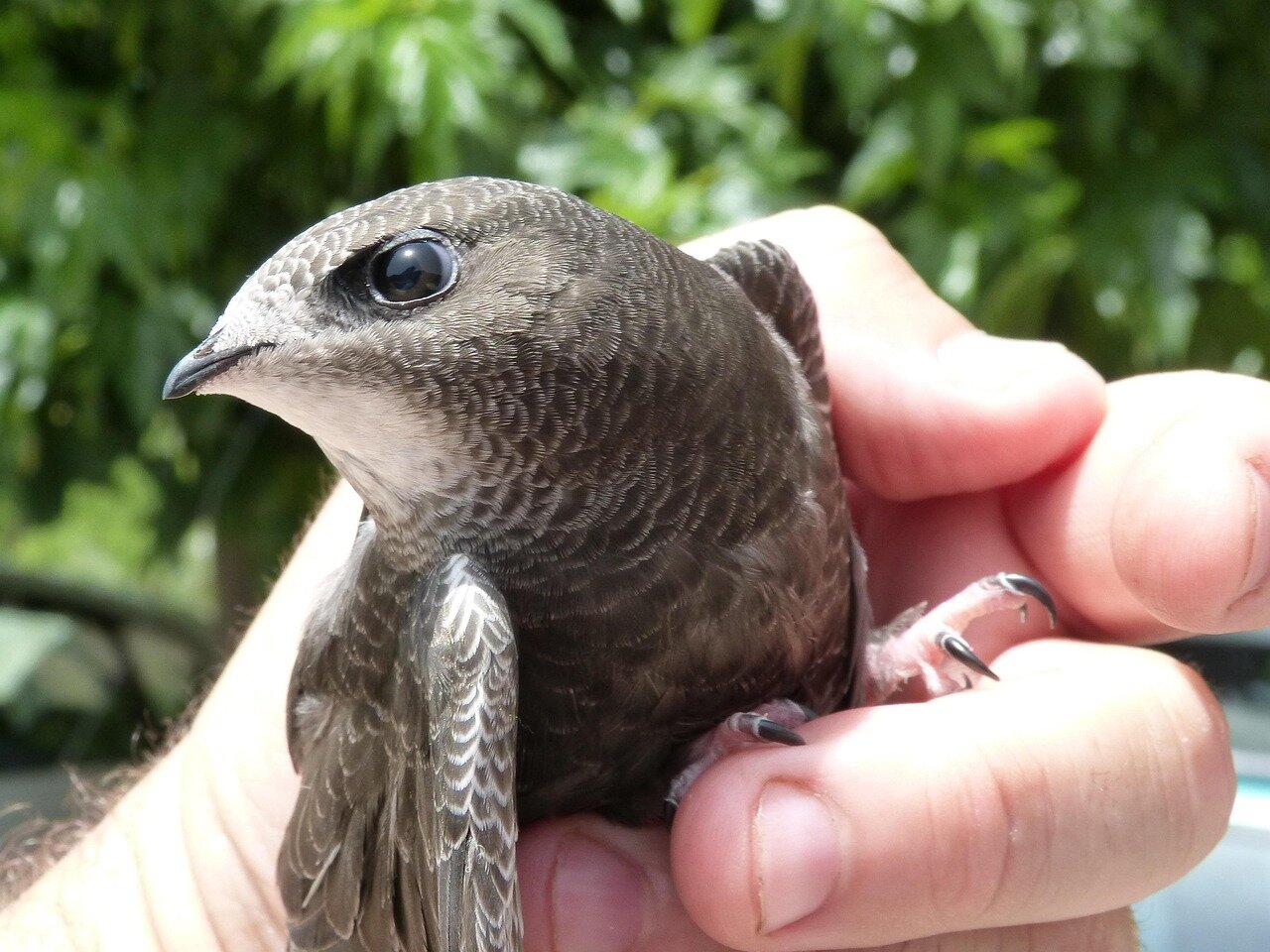
As communities become more aware of the ecological role swifts play, initiatives to create swift-friendly environments are gaining traction. These efforts not only support the birds but also enhance urban ecosystems, promoting a healthier balance between nature and urban living.
Exploring the significance of swifts in urban environments
Swifts, particularly the common swift (Apus apus), have long been a part of the urban landscape, often nesting in the eaves of buildings and other structures. Their migration patterns and nesting habits have been subjects of fascination for ornithologists and urban ecologists alike. Historically, these birds have adapted to human environments, finding suitable nesting sites in cities that mirror their natural habitats, such as cliffs and crevices.
The relationship between swifts and urbanization began to evolve significantly during the industrial revolution when rapid urban development created an abundance of nesting opportunities. However, as cities grew, many traditional nesting sites were lost due to the demolition of older buildings and changes in architectural styles. This led to a decline in swift populations, raising concerns among conservationists about the impacts of urban development on biodiversity, highlighting similar issues faced in our report on urban ecological changes.
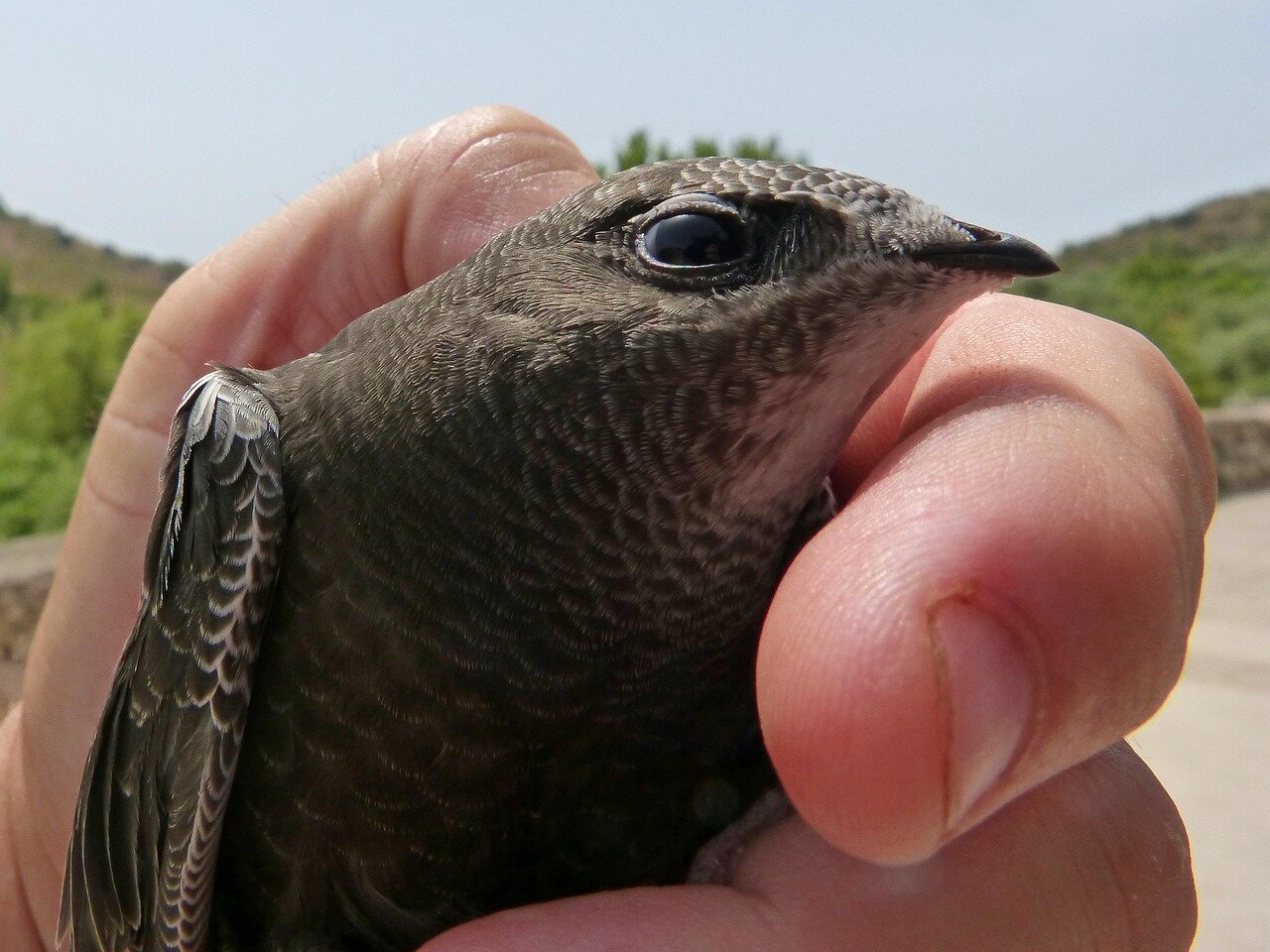
Recent studies have shown that swifts exhibit remarkable fidelity to their nesting sites, returning to the same locations year after year. This loyalty not only highlights the importance of preserving existing nesting sites but also underscores the need for urban planning that considers the habitat requirements of these birds. Key milestones in conservation efforts have included the establishment of protected nesting sites and initiatives aimed at integrating wildlife-friendly designs into urban architecture.
The role of community engagement
Community involvement has become crucial in the efforts to protect swifts and their habitats. Local groups and organizations have been pivotal in raising awareness about the importance of these birds, advocating for the inclusion of swift-friendly features in building renovations, and conducting monitoring programs to track swift populations. Such grassroots movements reflect a growing recognition of the interconnectedness of urban development and wildlife conservation.
Key stakeholders in the conservation of swift populations
The conservation of swift populations involves a variety of stakeholders, each with distinct interests and concerns. These include local communities, conservation organizations, government agencies, building owners, and researchers. Understanding their roles and perspectives is crucial for addressing the challenges faced by these migratory birds.

Local communities often have a vested interest in maintaining the presence of swifts, as these birds contribute to the ecological balance and can enhance the aesthetic value of neighborhoods. Their support can be vital for conservation efforts, but it may also conflict with development or renovation projects that threaten existing nesting sites.
Conservation organizations play a key role in advocating for swift populations. They aim to raise awareness about the importance of these birds and work to implement protective measures. However, they may encounter challenges when trying to persuade property owners to modify buildings or maintain nesting sites, particularly if such actions are perceived to conflict with economic interests.
Government agencies are responsible for enforcing wildlife protection laws and regulations. Their involvement is crucial for establishing legal frameworks that safeguard swift habitats. However, bureaucratic processes can sometimes hinder timely action, creating tension between conservation goals and economic development, particularly in urban areas.

- Local Communities: Interest in ecological balance and neighborhood aesthetics.
- Conservation Organizations: Advocacy for protective measures and awareness-raising.
- Government Agencies: Enforcement of wildlife protection laws and regulations.
- Building Owners: Economic interests that may conflict with conservation efforts.
- Researchers: Focus on studying swift behavior and migration patterns for informed conservation strategies.
In summary, the interaction between these stakeholders can lead to conflicts, particularly when economic development pressures clash with conservation needs. Identifying and addressing these trade-offs is essential for fostering collaboration and ensuring the long-term survival of swift populations.
The ecological impact of swifts returning to urban nests
The annual migration of swifts back to their urban nests has significant implications for various groups, including local communities, conservationists, and the construction industry. As these birds establish their nests in buildings, they contribute to urban biodiversity, which can enhance the quality of life for residents and promote ecological awareness in cities.
In the short term, residents in areas with swift populations may experience increased enjoyment of local wildlife, which can foster community engagement and a sense of connection to nature. Businesses in sectors such as tourism and local crafts may benefit from the influx of birdwatchers and nature enthusiasts drawn to observe these migratory birds. Additionally, local governments may see an opportunity to promote eco-friendly initiatives that support urban wildlife.

However, there are potential risks associated with the return of swifts. Property owners may face challenges related to building maintenance, as swift nests can sometimes obstruct repairs or renovations. This could lead to conflicts between conservation efforts and urban development, prompting policymakers to navigate complex regulations regarding wildlife protection.
- Residents: Increased appreciation for local biodiversity and potential disruptions from nesting swifts.
- Businesses: Opportunities for tourism and local economic growth, alongside possible challenges for property maintenance.
- Local governments: Need for policies balancing conservation efforts with urban development.
In the mid-term, the presence of swifts can encourage cities to adopt more sustainable practices, such as creating green spaces and protecting existing habitats. This shift can lead to improved air quality and enhanced urban aesthetics. However, without careful management, the challenges posed by urbanization may threaten the long-term viability of swift populations, highlighting the need for ongoing dialogue among stakeholders.
A: Swifts exhibit strong site fidelity, meaning they have a tendency to return to the same nesting locations annually due to familiarity and successful breeding experiences. A: Swifts are believed to use a combination of visual landmarks and possibly magnetic fields to navigate back to their nesting sites after migrating thousands of miles. A: Migrating swifts encounter various challenges including habitat loss, climate change, and urban development, which can impact their nesting and feeding opportunities. A: While not currently classified as endangered, swift populations are declining in some areas, prompting conservation efforts to protect their habitats. A: Swifts are important for pest control as they consume large quantities of insects during their feeding, contributing to the ecological balance in urban areas.
Frequently asked questions about migrating swifts
Key insights and future outlook on swift migration
The recent study highlighting the loyalty of migrating swifts to their nesting sites in urban environments underscores the importance of preserving these habitats. As climate change and urban development continue to reshape landscapes, understanding the migratory patterns and nesting preferences of swifts can inform conservation efforts and urban planning.
With swifts returning to the same buildings year after year, there is a significant opportunity for communities to engage in initiatives that protect these birds and their nesting sites. This loyalty not only reflects the adaptability of swifts but also emphasizes the need for sustainable practices that consider the ecological impact of human activities.
- Monitoring swift populations can provide valuable data on environmental changes and urban biodiversity.
- Urban planners should consider integrating bird-friendly designs in new developments to support swift nesting.
- Community awareness programs can foster appreciation for swifts and encourage local conservation efforts.
- Research on swift migration patterns can inform broader studies on avian responses to climate change.
- Collaboration between conservationists and local governments can enhance habitat preservation for swifts and other urban wildlife.