
In recent years, shows such as ‘Beetlejuice’ and ‘The Prom’ have utilized technology to streamline their orchestral needs, opting for smaller ensembles or even virtual instruments. This change, while cost-effective, has resulted in a noticeable decrease in the size of orchestras, with some productions now featuring as few as three musicians. The implications of this shift extend beyond economics, potentially altering the overall sound and experience of live theater, a topic that raises questions about the role of music in modern productions.
The American Federation of Musicians has voiced concerns regarding these developments, emphasizing the importance of live musicians in preserving the artistry of musical theater. In 2022, the union reported a decline in employment opportunities for musicians on Broadway, attributing this trend to the increasing reliance on technology. As shows continue to adapt to these new tools, the traditional role of orchestras faces an uncertain future.

This evolution in Broadway orchestration is not just a matter of preference but also a reflection of broader industry challenges, including rising production costs and changing audience expectations. As theaters strive to remain financially viable, the balance between innovation and tradition becomes increasingly delicate. The ongoing discussions around this issue highlight the need for a thoughtful approach to ensure that the essence of live musical theater is not lost in the process, much like how live performances can create a unique experience.
Understanding the evolution of music software in theatre
The landscape of musical theatre has undergone significant transformation over the past few decades, largely influenced by advancements in technology. In the mid-20th century, live orchestras were the backbone of theatrical productions, providing a rich, immersive experience that was integral to storytelling. However, the introduction of digital music software in the late 1980s and 1990s began to change this dynamic, allowing composers and producers to replicate orchestral sounds using synthesizers and computer programs.
As the economic pressures on Broadway productions intensified, particularly following the 2008 financial crisis, many producers turned to technology as a cost-saving measure. The high expenses associated with hiring a full orchestra prompted a shift towards smaller ensembles or even pre-recorded tracks. This trend has been exacerbated by the COVID-19 pandemic, which forced many theatres to reconsider their operational models and adopt more flexible, less costly options.
The rise of virtual orchestration
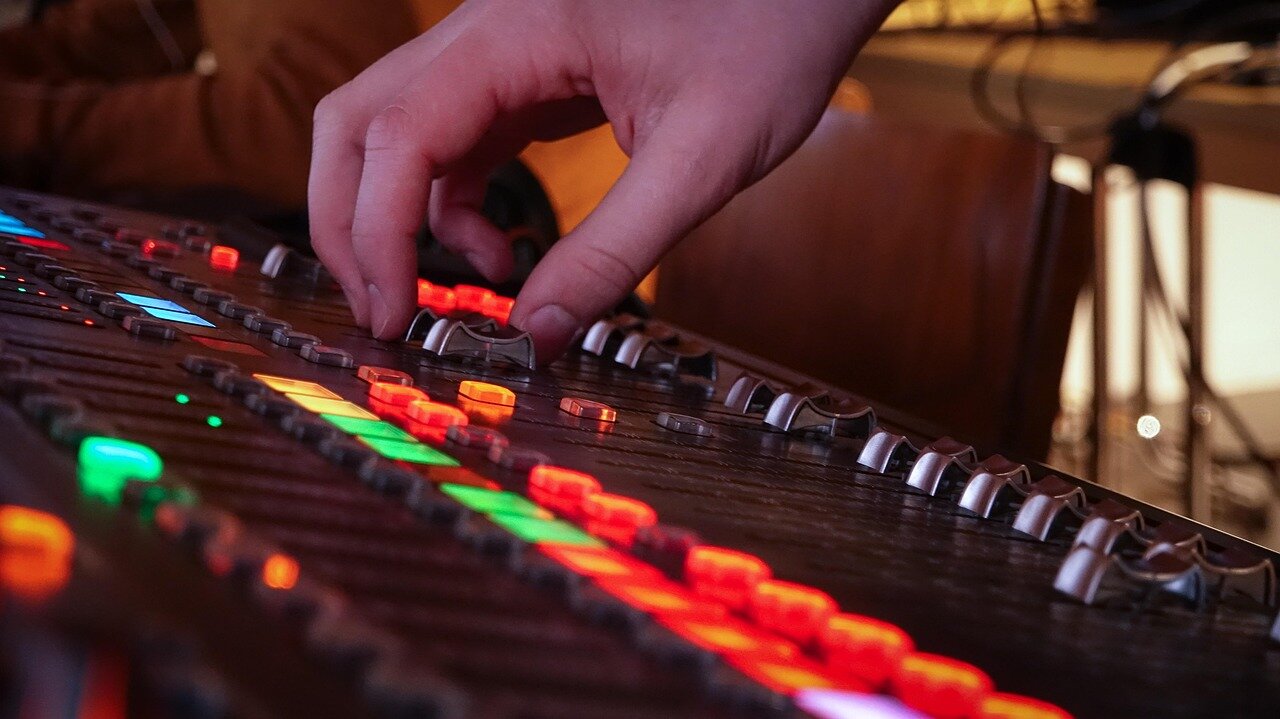
With the rise of virtual orchestration software, such as EastWest and Vienna Symphonic Library, the quality of synthesized music has improved dramatically. These tools allow composers to create intricate arrangements that closely mimic live performances, making it increasingly tempting for producers to forgo traditional orchestras altogether. This shift has sparked debates within the theatre community about the authenticity of the musical experience and the potential loss of artistic integrity.
Key milestones in this evolution include the Broadway debut of shows like ‘Once’ and ‘Avenue Q,’ which utilized smaller orchestras or innovative sound design to great effect. However, as more productions embrace this trend, the cultural implications are becoming evident: a new generation of musicians may find fewer opportunities to perform in live settings, leading to a potential decline in the traditional orchestral training that has historically defined musical theatre, paralleling discussions around cultural impacts in other artistic fields.
As the industry grapples with these changes, the conversation around the role of technology in live performance continues to evolve. While some embrace the efficiency and accessibility that music software provides, others lament the diminishing role of live musicians in a medium that has always celebrated the synergy between performers and their musical accompaniment.

Key stakeholders in the changing orchestral landscape
The evolution of music software and its impact on Broadway orchestras has brought several key stakeholders into the spotlight. These include music software developers, theatre producers, musicians, and audiences, each with their own interests and concerns regarding the future of musical theatre.
Music software developers, such as those creating virtual instruments and orchestration tools, are keen to expand their market by offering affordable solutions that enable smaller productions to maintain musical quality without the need for full orchestras. Their innovations can significantly reduce production costs, thereby appealing to theatre companies operating on tight budgets.
Theatre producers are often caught in a dilemma. On one hand, they face the pressure to minimize expenses and maximize profits, which can lead to the adoption of these new technologies. On the other hand, they must consider the artistic integrity of productions and the impact on live musicians. The choice between a full orchestra and a smaller, technology-driven alternative can affect the overall experience for audiences and the reputation of the production.

Musicians and orchestral unions are particularly concerned about the implications of these technological advancements. They argue that the reduction of live musicians not only threatens jobs but also diminishes the quality of live performances. This group advocates for the preservation of traditional orchestral arrangements, highlighting the unique emotional connection that live music fosters between performers and audiences.
- Job Security: Musicians fear for their livelihoods as productions lean towards technology over live orchestras.
- Artistic Integrity: Producers grapple with maintaining the quality of performances while managing costs.
- Audience Experience: The shift towards smaller orchestras may alter the overall theatrical experience for viewers.
- Legal Considerations: Copyright and licensing issues arise as technology changes the landscape of musical composition and performance.
- Economic Trade-offs: The balance between cost-saving measures and the value of live music remains a contentious issue.
The effects on musicians and the theatre industry
The introduction of advanced music software has led to significant changes in the landscape of musical theatre, particularly affecting musicians, composers, and theatre companies. As orchestras shrink in size, the traditional roles of live musicians are being challenged, impacting not only their livelihoods but also the overall sound and experience of theatre productions.

In the short term, many musicians may find themselves out of work as productions opt for digital alternatives over live orchestras. This shift can lead to a decrease in performance opportunities, particularly for freelance musicians who rely on live gigs. Theatre companies, while potentially saving costs on musician salaries, may face criticism from audiences who value the authenticity of live music.
In the mid-term, the theatre industry may undergo a transformation in its hiring practices and production styles. As digital music becomes more prevalent, there might be a growing demand for skilled sound designers and audio engineers who can effectively utilize these new technologies. This could open up new career paths but also create a divide between traditional musicians and those who embrace digital tools.
- Risks: Loss of traditional musicianship, diminished audience experience, potential backlash from theatre-goers.
- Opportunities: New job roles in sound design, cost savings for productions, potential for innovative musical styles.
Regions with a strong presence in the theatrical arts, such as New York City and London, may feel the effects more acutely. However, smaller theatre companies across the globe may also adapt to these changes, leading to a more homogenized theatre experience that prioritizes technology over live performance. The long-term implications of this trend will require careful consideration by industry stakeholders to balance innovation with tradition.

Frequently asked questions about Broadway orchestras
A: The introduction of advanced music software allows for digital orchestration, reducing the need for live musicians. This shift is driven by cost-saving measures and technological advancements.
A: Many musicians are concerned about job security as orchestras shrink. Some are adapting by learning new software skills to remain relevant in the industry.
A: While the trend is toward smaller orchestras, live music is still a cherished part of the experience. It’s likely that a balance will be sought between technology and live performance.
A: The quality may vary; while software can replicate sounds, the unique energy of live musicians is hard to replace. The overall experience may change as a result.
A: Currently, there are no strict regulations, but discussions are ongoing about the implications for artists and the industry as a whole.
Looking ahead at the future of musical theatre orchestras
The advent of innovative music software is reshaping the landscape of musical theatre, leading to a significant reduction in the size of orchestras on Broadway. This shift presents both challenges and opportunities for creators, performers, and audiences alike. As technology continues to evolve, it will be crucial to monitor how these changes affect the overall sound, experience, and economics of musical productions.
With the rise of digital instruments and virtual orchestras, producers may find new ways to balance artistic integrity with financial viability. However, the potential loss of live musicians could alter the traditional essence of musical theatre, prompting a reevaluation of what audiences expect from live performances. Stakeholders must remain adaptable to navigate this transformation effectively.
- Watch for the integration of technology in live performances, as hybrid models may emerge combining live musicians with digital elements.
- Consider the implications for training and career paths for musicians, as opportunities may shift away from traditional orchestral roles.
- Monitor audience reactions to changes in sound and performance dynamics, as this will influence future production choices.
- Evaluate the economic impact on theatre productions, particularly regarding costs and ticket pricing in relation to the size of orchestras.
- Stay informed about regulatory and industry standards that may arise in response to these technological advancements.