
Scheduled for completion in late 2024, the museum’s renovation will incorporate feedback from local residents and cultural leaders. The director emphasized the importance of making the museum a reflection of London’s multifaceted identity, ensuring that all voices are heard and represented within its walls, similar to the ongoing initiatives discussed in real-time monitoring initiatives for chalk stream protection.
This initiative comes at a time when many cultural institutions are reevaluating their roles in society, particularly in the wake of global movements advocating for social justice and equity. By embracing a more democratic approach, the London Museum aims to foster a sense of belonging and ownership among its visitors.
In addition to physical renovations, the museum plans to host a variety of community-led events and workshops. These programs will not only showcase local talent but also invite collaboration between artists, historians, and the public, further enriching the museum’s offerings and accessibility, much like how BBC Inside Science engages with community perspectives.
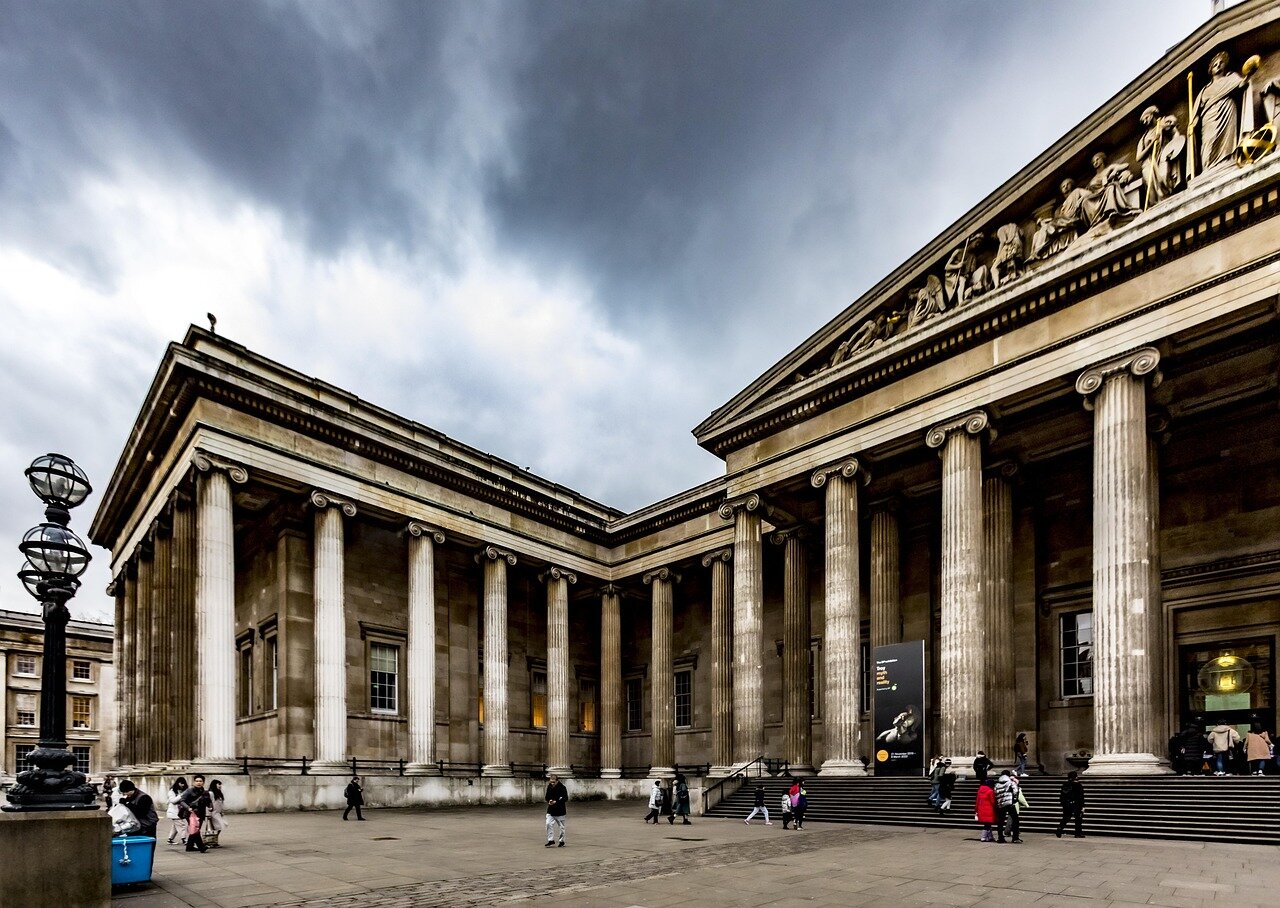
The historical significance of museums in society
Museums have long served as custodians of culture and history, providing a space for the public to engage with artifacts that reflect the human experience. Historically, they emerged as institutions dedicated to preserving and showcasing collections that represent the artistic, scientific, and cultural achievements of societies. The establishment of museums can be traced back to the Renaissance when curiosity cabinets began to evolve into more organized collections, eventually leading to the founding of public museums in the 18th and 19th centuries.
In the context of London, museums like the British Museum and the Victoria and Albert Museum have played pivotal roles in shaping public understanding of history and culture. These institutions have often been seen as symbols of national pride and identity, yet they have also faced criticism for their colonial legacies and the manner in which artifacts were acquired. The ongoing discourse around repatriation and the ethical responsibilities of museums highlights the complex relationship between cultural heritage and social justice.
The democratization of museum spaces
In recent years, there has been a significant shift towards making museums more inclusive and accessible to diverse audiences. This movement towards democratization reflects broader societal changes, including a growing recognition of the importance of representation and the need for institutions to reflect the communities they serve. Initiatives aimed at engaging underrepresented groups and fostering community participation have become increasingly important in redefining the role of museums in contemporary society.
The commitment to creating ‘democratic’ spaces within museums, as articulated by directors like that of the London Museum, signifies a transformative approach to curation and public engagement. This evolution is not merely about expanding visitor demographics but also about reshaping the narratives told within these walls, allowing for a richer, more varied understanding of history that resonates with all segments of society, similar to broader trends in social advocacy.
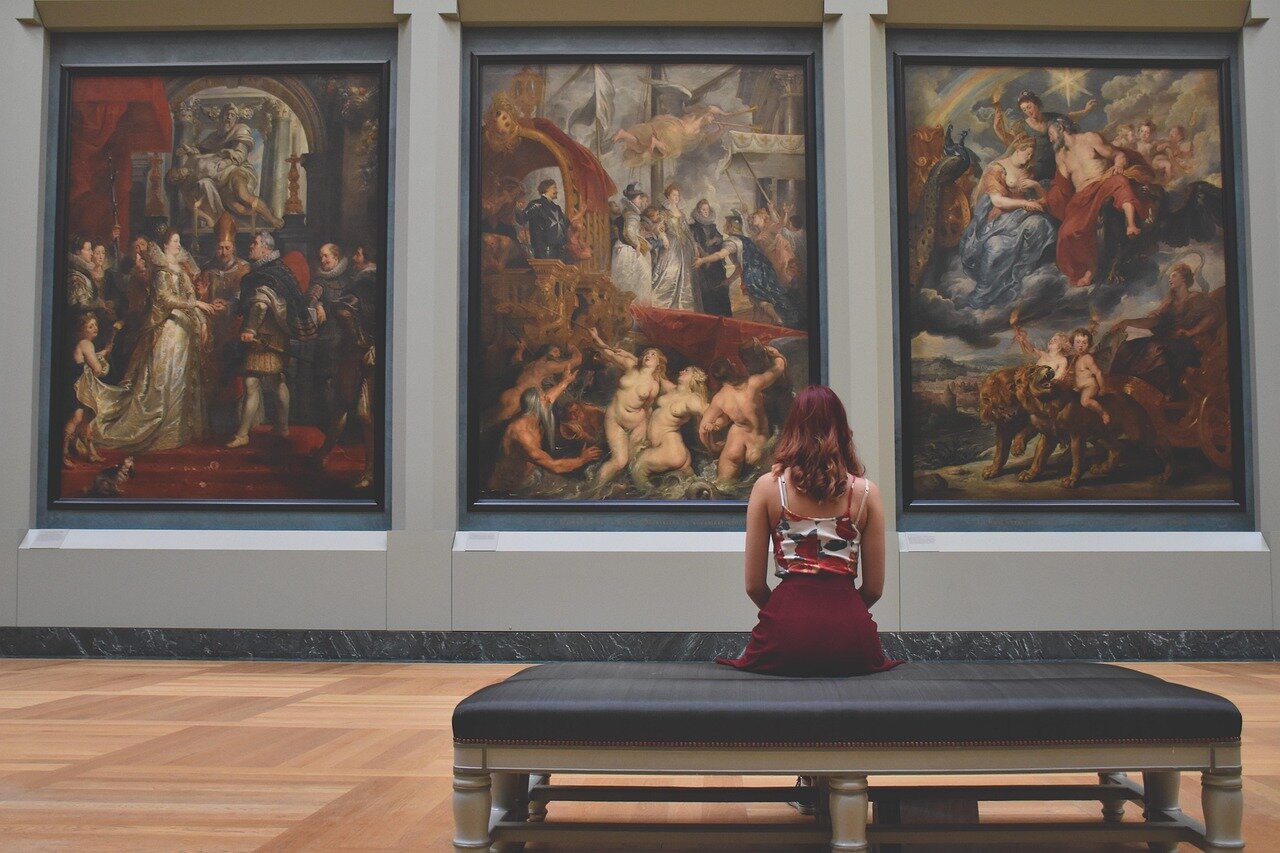
As museums continue to navigate the complexities of their pasts while embracing a more inclusive future, they stand at a crossroads that reflects broader societal values and aspirations. The London Museum’s initiative to become a ‘democratic’ space is a testament to this ongoing journey, emphasizing the importance of dialogue, collaboration, and shared ownership of cultural narratives.
Key stakeholders and their roles in this initiative
The initiative to transform the London Museum into a ‘democratic’ space involves several key stakeholders, each with distinct interests and objectives. These stakeholders include museum directors, local government officials, community organizations, and the general public. Their engagement is crucial for the successful realization of the museum’s vision.
The museum’s director plays a pivotal role in shaping the initiative’s goals and strategies. By advocating for inclusivity and accessibility, the director aims to attract a diverse audience and foster community engagement. This aligns with broader trends in the museum sector, where there is a growing emphasis on democratizing cultural spaces.
Local government officials are also significant stakeholders, as they provide funding and support for the museum’s initiatives. Their interest lies in promoting cultural development and tourism in the area, which can lead to economic benefits. However, balancing budget constraints with the desire for expansive programming can create tensions.

- Community organizations: These groups often represent the voices of marginalized communities and advocate for their inclusion in museum programs.
- Legal considerations: Issues related to ownership of artifacts, cultural heritage rights, and compliance with regulations can complicate the museum’s operations.
- Public interest: The general public’s expectations for transparency and representation in museum narratives may influence programming decisions.
Conflicts may arise between the museum’s aspirations for a more inclusive approach and the traditional expectations of its existing audience. Trade-offs may need to be made regarding resource allocation, programming focus, and the representation of various cultural narratives. Economic factors, such as funding availability and potential revenue from exhibitions, will also play a crucial role in shaping the museum’s direction.
How the new approach will affect visitors and the community
The London Museum’s initiative to create a ‘democratic’ space is set to impact a diverse range of groups, including local residents, tourists, artists, and educational institutions. This inclusive approach aims to break down barriers traditionally associated with museum access, thereby fostering a sense of community and belonging.
In the short term, visitors can expect a more interactive and engaging experience. The museum’s programming will likely attract a broader audience, including families, school groups, and underrepresented communities. This increased foot traffic can benefit local businesses, such as cafes and shops, as visitors explore the surrounding area.
Mid-term impacts may include changes in local policy as city planners and cultural organizations recognize the importance of accessible public spaces. The museum’s model could inspire other institutions to adopt similar strategies, leading to a cultural shift in how museums operate. However, this transition may also pose risks, such as potential pushback from traditionalists who may feel that the essence of museum curation is compromised.
- Opportunities: Enhanced community engagement and increased tourism.
- Risks: Resistance from traditional museum-goers and potential funding challenges.
- Business Impact: Local businesses may see increased sales due to higher visitor numbers.
Ultimately, the museum’s commitment to inclusivity could redefine the role of cultural institutions in urban settings, creating a model that prioritizes accessibility and community involvement while also presenting challenges that need to be navigated carefully.
A: A democratic space in the museum context means creating an environment where all visitors feel welcome and valued, encouraging participation and engagement from diverse communities. A: The museum plans to implement various programs and initiatives aimed at reaching underrepresented groups, including workshops, community events, and accessible exhibitions. A: The museum will host a range of events, including dance performances, educational workshops, and interactive exhibits that invite participation from all visitors. A: The museum is set to roll out its new initiatives in the coming months, with specific dates to be announced as planning progresses. A: The public can get involved by participating in events, volunteering, or providing feedback on programs to help shape the museum’s offerings.
Frequently asked questions about the museum’s initiative
Looking ahead: The future of the London Museum
The London Museum’s commitment to becoming a ‘democratic’ space reflects a significant shift in how cultural institutions engage with their communities. By prioritizing inclusivity and accessibility, the museum is poised to redefine the visitor experience, making it more interactive and representative of diverse voices. This approach not only enhances community ties but also encourages a broader understanding of history and culture through the lens of collective participation.
As the museum evolves, it will be essential to monitor how these changes impact visitor engagement and educational outreach. The integration of technology and innovative programming will likely play a crucial role in attracting a wider audience while fostering a sense of ownership among local communities.
- Watch for the implementation of interactive exhibits that invite visitor participation.
- Consider the potential partnerships with local artists and community groups to enrich programming.
- Observe how the museum addresses accessibility challenges to welcome a diverse audience.
- Track the evolution of visitor feedback mechanisms to ensure ongoing community involvement.
- Anticipate the impact of digital initiatives that may extend the museum’s reach beyond physical walls.